
 पूर्वावलोकन देखें
 साझा करें
 साझा करें
 विस्तृत विवरण
 मार्गदर्शिका

 डाउनलोड करें
 समान वस्तुएं
 एक्स-रे
 स्लाइड शो देखें
 प्रश्न और उत्तर
 आंकड़े
in the Green Bugatti

 पूरा देखें
इस पृष्ठ पर प्रदर्शित कलाकृति कॉपीराइट कानून द्वारा संरक्षित है, जिसका अर्थ है कि हम कानूनी रूप से इसकी हूबहू प्रतिलिपि बनाने या बेचने का अधिकार नहीं रखते हैं। यह संरक्षण अंतर्राष्ट्रीय समझौतों के तहत लागू किया जाता है, जैसे कि बर्न कन्वेंशन और राष्ट्रीय कानूनों द्वारा, जिनमें % द्वारा निर्धारित कानून भी शामिल हैं। अमेरिकी कॉपीराइट कानून - शीर्षक 17।
यह विधि कॉपीराइट नियमों का पूरी तरह से पालन करती है क्योंकि इसमें संरक्षित कलाकृति की नकल या प्रतिलिपि बनाना शामिल नहीं है। इसके बजाय, यह एक रचनात्मक पुनर्व्याख्या है - एक ऐसी नई पेंटिंग जो मूल कृति से प्रेरित तो है, लेकिन उसके समान नहीं है।
गिक्ली / आर्ट प्रिंट
तेज़ उत्पादन और विभिन्न फिनिश विकल्पों के साथ म्यूजियम-क्वालिटी गिकली (giclée) या कैनवस प्रिंट। ( इस संग्रहणीय वस्तु की हाथ से बनी प्रतिकृति मंगवाएं डिजिटल इमेज पर स्विच करें)




P118B ₹10

P118H ₹10

P118W ₹10

P438Z ₹10

P508JH ₹12

P508YH ₹12

P805H ₹10

P805Z ₹10

P919BZ ₹10

P919G ₹10

P919XJ ₹10

P959ZH ₹10

P968JZ ₹12

W106C ₹8

W218G ₹10

W218JH ₹8

W218Y ₹10

W307PJ ₹10

W316G ₹10

W316PJ ₹8

W316Y ₹10

W398PJ ₹8

W4111J ₹10

W500HY ₹15

W500JH ₹15

W692G ₹12

W849H ₹8

W940BG ₹15

W953PJ ₹8




कलाकृति के मूल अनुपात से मेल खाने वाले हमारे पूर्व निर्धारित आकारों में से चुनें।

अपने फ्रेम या अपनी दीवार के अनुसार आवश्यक चौड़ाई और ऊंचाई दर्ज करें। प्रिंट को केवल काटा जा सकता है, चित्र से बड़ा कभी नहीं बनाया जा सकता, इसलिए अलग आकार का साइज चित्र का एक हिस्सा खो देता है। किसी भी चीज़ को प्रिंट करने से पहले हम आपकी स्वीकृति के लिए आपको एक डिजिटल मॉकअप भेजते हैं। इस पृष्ठ पर दिखाया गया चित्र वास्तविक कटिंग नहीं दिखाता है — केवल मॉकअप ही इसे दर्शाता है।
विश्वव्यापी डिलीवरी (), मानक 4/5 सप्ताह के बजाय मात्र 2 सप्ताह में। (8 नवमबर)

दुनिया भर में मुफ़्त एक्सप्रेस शिपिंग

उच्च गुणवत्ता वाला लिनेन कैनवास

पूर्ण शिपिंग बीमा

सीमा शुल्क और आयात कर वापसी की गारंटी

सटीक रंग मिलान की गारंटी

100 दिनों की वापसी नीति (केवल दोष होने पर)

100% पैसे वापसी की गारंटी

थोक छूट का अवसर
 ग्लास का विकल्प केवल 110 सेमी से कम आकार में ही उपलब्ध है।

in the Green Bugatti
गिक्ली / आर्ट प्रिंट
प्रतिकृति का आकार
-


कुल देय राशि
₹ 7843
A Bold Statement of Femininity and Modernity: Tamara de Lempicka’s “In the Green Bugatti”
Tamara de Lempicka's "In the Green Bugatti," completed in 1928, transcends mere portraiture; it embodies the spirit of Art Deco—a movement obsessed with geometric precision, opulent color palettes, and a glorification of streamlined elegance. Commissioned for Die Dame magazine’s cover, this striking self-portrait isn't simply an image of a woman behind the wheel; it’s a carefully constructed manifesto of female empowerment within the burgeoning landscape of the interwar years. The painting immediately commands attention with its dominant hue—a vibrant emerald green—chosen not only to represent the Bugatti automobile itself but also to symbolize vitality, ambition, and a refusal to conform to traditional feminine roles.The Art Deco Aesthetic: Form Follows Function
De Lempicka’s artistic approach firmly rooted in Neo-Cubism and Futurism, reflects the broader stylistic currents of her time. The composition is dominated by sharp angles and flattened planes—characteristic features of Cubist influence—creating a sense of dynamism and immediacy that contrasts sharply with the stillness implied by the seated figure. However, unlike purely abstract explorations, De Lempicka skillfully integrates these avant-garde principles into a portrait format, demonstrating an impressive command of technique. The artist meticulously renders the Bugatti’s sleek lines and chrome accents, capturing its futuristic aesthetic with remarkable accuracy. Furthermore, she employs chiaroscuro—the dramatic interplay of light and shadow—to sculpt the woman's form, emphasizing her posture and conveying a palpable sense of confidence.Symbolism Beyond Glamour: Independence and Control
Beyond its visual splendor, “In the Green Bugatti” is laden with symbolic significance. Tamara’s pose – seated confidently behind the wheel – represents liberation from societal constraints and asserts control over her environment. The helmet and gloves serve as emblems of practicality alongside glamour, highlighting the woman's ability to navigate both the physical world and the social sphere with grace and determination. Notably, De Lempicka cleverly addressed a factual inaccuracy—the Bugatti’s steering wheel was positioned on the right side—transforming this minor detail into an artistic gesture that underscores her meticulous attention to detail and reinforces the painting’s overarching message of precision and intellectual engagement.Historical Context: The Rise of the Modern Woman
The painting emerged during a pivotal moment in history – the aftermath of World War I and the dawn of the Jazz Age—when women were increasingly challenging patriarchal norms and demanding greater autonomy. De Lempicka's portrayal aligns perfectly with this cultural shift, capturing the idealized image of the modern woman: independent, sophisticated, and unafraid to pursue her ambitions. The magazine Die Dame, recognizing De Lempicka’s artistic prowess and aligning with its readership’s desire for aspirational beauty, served as an ideal patron for this ambitious project.Emotional Resonance: Capturing a Moment of Brilliance
Ultimately, “In the Green Bugatti” succeeds in conveying a profound emotional resonance. The painting's cool palette—dominated by green and gray—creates an atmosphere of understated elegance and conveys a sense of detachment from sentimentality. Yet, Tamara’s gaze – direct and unwavering – communicates a quiet strength and conviction that lingers long after viewing the artwork. It is this masterful blend of visual artistry and psychological insight that secures “In the Green Bugatti”'s place as one of Tamara de Lempicka’s most enduring achievements—a timeless testament to Art Deco’s celebration of femininity, innovation, and unapologetic beauty.प्रश्न और उत्तर
क्या तमारा दे लेम्पिका द्वारा "in the Green Bugatti", Art Deco कला के सबसे बहुप्रतीक्षित कलाकृतियों में से एक है?
Art Deco आंदोलन के अंतर्गत, "in the Green Bugatti" का लोकप्रियता स्तर Iconic है।
तमारा दे लेम्पिका द्वारा "in the Green Bugatti" में कौन से रंग प्रमुखता से दिखाई देते हैं?
तमारा दे लेम्पिका द्वारा "in the Green Bugatti" की रंग पहचान: एक Dark पैलेट, जिसमें Khaki (#d6bf87) का प्रभुत्व है।
क्या तमारा दे लेम्पिका द्वारा "in the Green Bugatti" एक प्रसिद्ध कलाकृति है?
"in the Green Bugatti" को Iconic की श्रेणी में रखा गया है।
कलाकार की जीवनी
तमारा दे लेम्पिका: एक कलात्मक जीवन गाथा
तमारा दे लेम्पिका, जिनका जन्म मारिया टेरेसा गोर्स्का के रूप में 1898 में वारसॉ, पोलैंड में हुआ था, आर्ट डेको युग की सबसे प्रतिष्ठित चित्रकारों में से एक थीं। उनका जीवन जितना आकर्षक था, उनकी बनाई गई कलाकृतियाँ भी उतनी ही जटिल और मनोरंजक हैं। यह कहानी एक कुलीन पृष्ठभूमि, क्रांतिकारी उथल-पुथल, कलात्मक जागृति और चिरस्थायी ग्लैमर के भंवर की तरह है। एक धनी पोलिश-यहूदी परिवार में जन्मी, उनके शुरुआती वर्ष यूरोपीय संस्कृति से भरपूर थे, जिनमें स्पा की यात्राएं और परिष्कृत सामाजिक परिवेश शामिल थे। इस विशेषाधिकार प्राप्त पृष्ठभूमि ने उनमें सौंदर्य और सुंदरता की सराहना पैदा की, जिसने उनकी कलात्मक दृष्टि को गहराई से आकार दिया। हालांकि, उनके युवाओं की शांतिपूर्ण दुनिया रूसी क्रांति के कारण चकनाचूर हो गई। अपने पति, तदेउज़ लेम्पिकी के साथ राजनीतिक उथल-पुथल से भागते हुए, उन्होंने पेरिस में एक नया अध्याय शुरू किया, जो जल्द ही कलात्मक नवाचार का केंद्र बनने वाला था। यहीं पर, आर्ट डेको आंदोलन की शुरुआत में, तमारा ने अपनी आवाज पाई।
एक अद्वितीय सौंदर्यशास्त्र का निर्माण
लेम्पिका की कलात्मक यात्रा औपचारिक शैक्षणिक प्रशिक्षण से नहीं बल्कि भावुक आत्म-खोज और मार्गदर्शन से शुरू हुई। उन्होंने मॉरिस डेनिस और आंद्रे ल्होटे के साथ संक्षेप में अध्ययन किया, उनकी तकनीकों को अवशोषित करते हुए एक ही समय में अपनी विशिष्ट शैली विकसित की। जीन-डोमिनिक इंग्रेस का प्रभाव उनके नवशास्त्रीय परिशुद्धता और रूप पर जोर देने में स्पष्ट है, फिर भी उन्होंने क्यूबिज्म के खंडित दृष्टिकोणों और ज्यामितीय अमूर्तता को कुशलतापूर्वक एकीकृत किया - यह एक साहसिक विलय था जिसने उनकी हस्ताक्षर सौंदर्यशास्त्र को परिभाषित किया। उनकी पेंटिंग पॉलिश सतहों, चिकनी रेखाओं और आकृतियों की जानबूझकर शैलीकरण द्वारा चिह्नित हैं, जो आधुनिकता और विलासिता को अपनाने के आर्ट डेको के हॉलमार्क हैं। उन्होंने केवल चित्र नहीं बनाए; उन्होंने प्रतिष्ठित छवियां बनाईं। उनके विषय - अक्सर अभिजात वर्ग या धनी कुलीन वर्ग के सदस्य - शांत परिष्कार के आभास के साथ चित्रित किए गए थे, जिसने जैज़ युग की मुक्तिवादी भावना का प्रतीक किया। ग्रीन बुगाटी में आत्म-चित्र, शायद उनका सबसे प्रतिष्ठित काम, इसे पूरी तरह से दर्शाता है - आत्मविश्वास और ऑटोमोटिव गति की एक हड़ताली छवि, जो अद्वितीय सुंदरता के साथ आधुनिक जीवन के क्षण को कैप्चर करती है।
सफलता और पहचान
1925 में पेरिस में आयोजित एक्सपोजिशन इंटरनेशनेल डेस आर्ट्स डेकोरेटिफ़ एट इंडस्ट्रियल्स मॉडर्न्स लेम्पिका के लिए एक महत्वपूर्ण क्षण साबित हुआ। उनकी भागीदारी ने आर्ट डेको को मुख्यधारा में लाने में मदद की, जिससे उस युग की अग्रणी कलाकार के रूप में उनकी प्रतिष्ठा मजबूत हुई। 1927 में बोर्डो प्रदर्शनी में किज़ेटे ऑन द बाल्कनी के लिए प्रथम पुरस्कार जीतने से यह सफलता और भी मजबूत हो गई, जो एक ऐसा चित्र था जिसने उनकी हस्ताक्षर शैली को पूरी तरह से समाहित किया - शास्त्रीय संयम और आधुनिक कामुकता का मिश्रण। 1920 के दशक के अंत और 1930 के दशक के दौरान, लेम्पिका धनी संरक्षकों द्वारा अत्यधिक मांग की जाने वाली बन गईं जो ऐसे चित्रों को कमीशन करने के लिए उत्सुक थीं जो उनकी स्थिति और आकर्षण को अमर बना सकें। मार्जोरी फेरी का चित्र उनके कौशल को पकड़ने का एक उत्कृष्ट उदाहरण है, न केवल समानता बल्कि उनके विषयों के आंतरिक सार - उनकी महत्वाकांक्षा, आत्मविश्वास और परिष्कृत स्वाद को भी दर्शाता है। पोर्ट्रेट के अलावा, उन्होंने पौराणिक विषयों की खोज की, जैसा कि आदम और ईव में देखा गया है, जो उनकी बहुमुखी प्रतिभा और बौद्धिक जिज्ञासा का प्रदर्शन करते हैं।
विरासत और पुनर्खोज
द्वितीय विश्व युद्ध के प्रकोप ने लेम्पिका को 1939 में संयुक्त राज्य अमेरिका जाने के लिए मजबूर किया, जहां उन्होंने पेंटिंग जारी रखी लेकिन खुद को एक विकसित कलात्मक परिदृश्य से थोड़ा अलग पाया। उनकी शैली, जो पूर्व-युद्ध यूरोप के ग्लैमर से इतनी निकटता से जुड़ी थी, संघर्ष और अनिश्चितता से जूझ रहे एक दुनिया में कम प्रासंगिक महसूस हुई। हालांकि, 1960 और 70 के दशक में आर्ट डेको पुनरुत्थान के दौरान उनके काम ने लोकप्रियता में उल्लेखनीय वृद्धि का अनुभव किया। एक नई पीढ़ी ने उनकी पेंटिंग की खोज की, जो उनकी कालातीत सुंदरता और बोल्ड सौंदर्य दृष्टि से मोहित हो गई। तमारा दे लेम्पिका का निधन 1980 में मेक्सिको सिटी में हुआ, उन्होंने पॉपोकाटेपेटल ज्वालामुखी पर अपनी राख बिखेरने का फैसला किया - एक अंतिम कार्य जो एक महिला के अनुरूप था जिसने अपने जीवन को अपनी शर्तों पर जिया। आज, उन्हें आर्ट डेको कला की सबसे महत्वपूर्ण शख्सियतों में से एक के रूप में मनाया जाता है, एक कलाकार जिनकी पेंटिंग उनकी सुंदरता, परिष्कार और बीते युग के प्रतीक के लिए विस्मय और प्रशंसा जगाती रहती हैं। उनकी विरासत सौंदर्यशास्त्र से परे फैली हुई है; वह ऐतिहासिक रूप से पुरुष-प्रधान क्षेत्र में महिला सशक्तिकरण और कलात्मक नवाचार का प्रतिनिधित्व करने वाली एक प्रतिष्ठित व्यक्ति बनी हुई हैं।
प्रमुख कार्य
- ग्रीन बुगाटी में आत्म-चित्र: आर्ट डेको की परिभाषित छवि, स्वतंत्रता और आधुनिकता को दर्शाती है।
- मार्जोरी फेरी का चित्र: उनके पोर्ट्रेट कौशल का एक उत्कृष्ट उदाहरण, जो लालित्य और रहस्य को दर्शाता है।
- आदम और ईव: पौराणिक विषयों की उनकी खोज का प्रदर्शन करते हुए, एक विशिष्ट शैली के साथ।
- दो दोस्त: उनके शुरुआती क्यूबिस्ट प्रभावों और प्रयोगों को दर्शाते हैं।
- स्प्रिंग: वसंत का एक जीवंत चित्रण, रंग और रूप में उनकी महारत का प्रदर्शन करता है।

तमारा दे लेम्पिका
1898 - 1980 , पोलैंड
प्रमुख तथ्य
- Artistic Movement Or Style: आर्ट डेको, क्यूबिज्म
- Artists Or Movements Influenced By This Artist: ['आर्ट डेको आंदोलन']
- Artists Who Influenced This Artist: ['जीन-डोमिनिक इंग्रेस']
- Date Of Birth: 16 मई 1898
- Date Of Death: 18 मार्च 1980
- Full Name: तामारा दे लेम्पिका
- Nationality: पोलिश
- Notable Artworks (List Of Titles):
- सेल्फ-पोर्ट्रेट इन ग्रीन बुगाटी
- पोर्ट्रेट ऑफ मार्जोरी फेरी
- एडम और ईव
- Place Of Birth (City And Country): वारसॉ, पोलैंड
संबंधित लेख

फ्रांसिस्को गोया की शीर्ष 25 कलाकृतियाँ: इतिहास, कहानी और सजावट के लिए प्रेरणा
फ्रांसिस्को गोया की शीर्ष 25 कलाकृतियों का अन्वेषण करें! स्पेनिश कला, ऐतिहासिक चित्र और भावनात्मक गहराई से भरी पेंटिंग देखें। घर की सजावट के लिए प्रेरणा पाएं और OriginalUniqueArt.com पर उच्च गुणवत्ता वाले कला पुनरुत्पादन खरीदें।
Verdant Visions: Exploring the Symbolism & Aesthetic Impact of Green in Art History
Explore the rich history & symbolism of green in art! Discover iconic paintings, techniques, and how to bring verdant harmony into your home with OriginalUniqueArt's expert guide.

The Gilded Age Revisited: Art Deco's Modernity & Luxury
Explore the captivating world of Art Deco paintings & the Gilded Age's enduring legacy. Discover iconic artists like Tamara de Lempicka & invest in museum-quality reproductions with OriginalUniqueArt.

About Us
Discover our story! We bring world-class art into your life through expert curation, personalized creations, and free previews. Trusted by individuals and businesses since 2000.
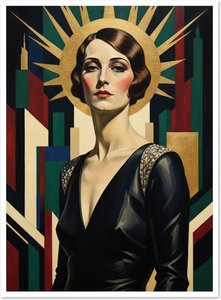
Tamara de Lempicka: Art Deco Iconoclasm & the Construction of Modern Femininity
Explore the captivating world of Tamara de Lempicka, Art Deco icon. Discover her life, groundbreaking paintings, and lasting influence on modern art. Expert insights for collectors.


