पूर्वावलोकन देखें
 साझा करें
 साझा करें
 विस्तृत विवरण

 डाउनलोड करें
 समान कलाकृतियाँ
 एक्स-रे
 स्लाइड शो देखें
 आंकड़े
મોંગોલ પ્રેસિડેન્ટની બરફીલા રણમાં કિસ


 पूरा देखें
गिक्ली / आर्ट प्रिंट
तेज़ उत्पादन और विभिन्न फिनिश विकल्पों के साथ म्यूजियम-क्वालिटी गिकली (giclée) या कैनवस प्रिंट। ( हाथ से बनी पेंटिंग खरीदें डिजिटल इमेज पर स्विच करें)




P118B $10

P118H $10

P118W $10

P438Z $10

P508JH $12

P508YH $12

P805H $10

P805Z $10

P919BZ $10

P919G $10

P919XJ $10

P959ZH $10

P968JZ $12

W106C $8

W218G $10

W218JH $8

W218Y $10

W307PJ $10

W316G $10

W316PJ $8

W316Y $10

W398PJ $8

W4111J $10

W500HY $15

W500JH $15

W692G $12

W849H $8

W940BG $15

W953PJ $8




कलाकृति के मूल अनुपात से मेल खाने वाले हमारे पूर्व निर्धारित आकारों में से चुनें।

आप किसी विशिष्ट फ्रेम या स्थान के अनुसार अपने स्वयं के आयाम (dimensions) दर्ज कर सकते हैं। यदि आपके द्वारा चुना गया आकार मूल छवि के अनुपात से मेल नहीं खाता है, तो हम कलाकृति को क्रॉप कर देंगे या मिरर किए गए या सॉलिड-फिल किनारे के साथ छवि का विस्तार करेंगे। उत्पादन शुरू होने से पहले आपकी स्वीकृति के लिए एक डिजिटल मॉकअप भेजा जाएगा।
कृपया ध्यान दें कि स्क्रीन पर दिखने वाला प्रीव्यू वास्तविक क्रॉपिंग या विस्तार को नहीं दर्शाता है। केवल मॉकअप ही अंतिम संरचना को सटीक रूप से दिखाएगा।
हालाँकि कस्टम आकार उपलब्ध हैं, फिर भी हम मूल अनुपात बनाए रखने के लिए पूर्व-निर्धारित सूची में से एक आयाम चुनने की सलाह देते हैं।
विश्वव्यापी डिलीवरी (), मानक 4/5 सप्ताह के बजाय मात्र 2 सप्ताह में। (18 सितमबर)

दुनिया भर में मुफ़्त एक्सप्रेस शिपिंग

उच्च गुणवत्ता वाला लिनेन कैनवास

पूर्ण शिपिंग बीमा

सीमा शुल्क और आयात कर वापसी की गारंटी

सटीक रंग मिलान की गारंटी

100-दिन की वापसी नीति (केवल दोषपूर्ण होने पर)

100% पैसे वापसी की गारंटी

थोक छूट का लाभ
 ग्लास का विकल्प केवल 110 सेमी से कम आकार में ही उपलब्ध है।

મોંગોલ પ્રેસિડેન્ટની બરફીલા રણમાં કિસ
गिक्ली / आर्ट प्रिंट
प्रतिकृति का आकार
-


कुल देय राशि
$ 80
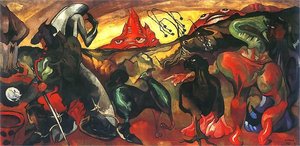
A Visionary Echoes Through Frozen Landscapes: Exploring Witkiewicz’s “Kiss of the Mongol Prince”
Stanislaw Ignacy Witkiewicz, a name often whispered with reverence within Polish artistic circles, remains a figure whose oeuvre defies easy categorization. He wasn't merely a painter; he was a philosopher wrestling with existential questions, a playwright crafting narratives steeped in myth and folklore, and an architect shaping spaces that mirrored his profound engagement with the natural world. Born in Warsaw in 1885 into a family deeply rooted in artistic tradition—his father, Stanisław Witkiewicz, established himself as a prominent painter, architect, and theorist—Witkiewicz inherited not only creative lineage but also an intellectual crucible where radical ideas flourished. This confluence of influences propelled him to forge a singular path, one characterized by experimentation with form, perception, and the very essence of reality itself – a path that foreshadowed many artistic currents of the mid-20th century. His life tragically curtailed in 1939 amidst the devastation of World War II, Witkiewicz nevertheless bequeathed upon us a legacy of breathtaking originality. Examining his work reveals an artist relentlessly pursuing the boundaries of expression, driven by a conviction that art could illuminate the hidden depths of human experience and challenge conventional understandings of the world around him. This dedication to pushing artistic frontiers is particularly evident in “Kiss of the Mongol Prince in an Ice Desert,” a painting completed in 1918 that encapsulates Witkiewicz’s distinctive stylistic vision.Composition and Atmosphere: A Surreal Dialogue Between Figure and Landscape
The artwork immediately commands attention with its horizontal format, emphasizing the immensity of the icy desert depicted—a landscape rendered with muted blues, grays, and whites that convey a palpable sense of desolation. However, it’s not merely scale that defines this scene; rather, it's the dynamic arrangement of figures within this barren expanse. The composition utilizes angular shapes and sharp contrasts to create tension and unease, mirroring Witkiewicz’s preoccupation with psychological states. A colossal winged creature dominates the center—a motif recurring throughout his oeuvre—representing both power and vulnerability simultaneously. Surrounding it are other forms—possibly human or animal—positioned in poses that suggest movement and disorientation, contributing to a feeling of unsettling drama. The flattened perspective reinforces this impression of two-dimensionality, stripping away illusionistic depth and focusing instead on conveying mood and emotion.Color Palette and Texture: Echoes of Symbolism
Witkiewicz’s masterful manipulation of color is central to the painting's impact. The dominant hues—cool blues, somber grays, and bleached whites—reflect the icy environment but also imbue the artwork with a deeper symbolic resonance. These muted tones underscore Witkiewicz’s embrace of Symbolist aesthetics, prioritizing emotional expression over literal representation. Loose brushstrokes reveal subtle variations in tone and depth, adding textural richness to the surface without distracting from the overall mood. The artist skillfully utilizes color to evoke feelings of isolation, fear, and contemplation—qualities that permeate throughout his artistic explorations.Style and Technique: Witkiewicz’s Expressionistic Impulse
“Kiss of the Mongol Prince” firmly establishes Witkiewicz's stylistic signature – an expressionistic impulse rooted in a desire to capture subjective experience with uncompromising honesty. Executed primarily in watercolor or gouache on paper, the technique involves layering washes of color and employing loose brushwork to generate atmosphere and dynamism. This approach aligns perfectly with Witkiewicz’s broader philosophical stance: art should serve as a conduit for confronting uncomfortable truths and exploring the complexities of human consciousness. The artist's meticulous attention to detail—particularly in rendering the contours of the winged creature and the figures—contrasts sharply with the overall flatness of the composition, creating a compelling visual paradox that underscores Witkiewicz’s artistic ambition.Symbolic Resonance: Mythical Encounter and Psychological Depth
The painting transcends mere depiction; it invites contemplation about themes of myth, power, and vulnerability. The winged creature itself embodies these concepts—a symbol drawn from folklore and mythology—representing both divine authority and inherent fragility. This motif reflects Witkiewicz’s fascination with archetypal imagery and his belief that art could tap into universal human anxieties. Ultimately, “Kiss of the Mongol Prince in an Ice Desert” stands as a testament to Witkiewicz's artistic genius – a hauntingly beautiful artwork that continues to inspire awe and provoke interpretation decades after its creation.कलाकार का जीवन परिचय
पोलिश आधुनिकतावाद के दूरदर्शी: स्टेनिस्लाव इग्नेसी विटकिविएज़ का जीवन और कला
स्टेनिस्लाव इग्नेसी विटकिविएज़, जिन्हें अधिकांश लोग 'विटकासी' के नाम से जानते हैं, 20वीं सदी की कला के परिदृश्य में एक अत्यंत महत्वपूर्ण और रहस्यमयी व्यक्तित्व बने हुए हैं। 1885 में वारसॉ के एक कलात्मक परिवार में जन्मे—उनके पिता स्टेनिस्लाव विटकिविएज़ एक प्रसिद्ध चित्रकार, वास्तुकार और सिद्धांतकार थे—युवा विटकिविएज़ को न केवल एक रचनात्मक विरासत मिली, बल्कि एक ऐसा उर्वर बौद्धिक वातावरण भी मिला जिसने उनके बहुआयामी करियर को गहराई से आकार दिया। वे केवल एक चित्रकार नहीं थे; वे एक दार्शनिक, नाटककार, उपन्यासकार, फोटोग्राफर और कला सिद्धांतकार थे—एक सच्चे बहुज्ञ (polymath) जिनका कार्य अंतर-युद्ध काल के पोलैंड की उथल-पुथल भरी लहरों को दर्शाता था और उन कई कलात्मक चिंताओं का पूर्वानुमान लगाता था जो सदी के उत्तरार्ध में हावी होने वाली थीं। 1939 में द्वितीय विश्व युद्ध के प्रकोप के साथ उनका जीवन दुखद रूप से समाप्त हो गया, लेकिन उनका जीवन रूप, धारणा और वास्तविकता की प्रकृति की सीमाओं को खोजने के प्रति समर्पित था।प्रारंभिक प्रभाव और कलात्मक विकास
विटकिविएज़ का प्रारंभिक कलात्मक प्रशिक्षण पारिवारिक दायरे के भीतर ही शुरू हुआ, जहाँ उन्होंने अपने पिता के सौंदर्यशास्त्रीय सिद्धांतों और पोलिश रोमांटिक परंपराओं के साथ गहरा जुड़ाव विकसित किया। हालाँकि, वे जल्द ही पारंपरिक रास्तों से अलग हो गए। 1914 में ब्रोनिसलाव मालिनोव्स्की के साथ ऑस्ट्रेलिया का एक मानवशास्त्रीय अभियान उनके जीवन का एक परिवर्तनकारी अनुभव था। यद्यपि प्रथम विश्व युद्ध के कारण यह यात्रा अधूरी रह गई, लेकिन इस यात्रा ने उन्हें पूरी तरह से भिन्न संस्कृतियों और दृश्य भाषाओं से परिचित कराया, जिससे आदिम कला और गैर-पश्चिमी सौंदर्यशास्त्र के प्रति एक आकर्षण पैदा हुआ। इसके बाद युद्ध की उथल-पुथल—क्रांति के दौरान रूसी सेना में एक रिजर्व अधिकारी के रूप में उनके अनुभव—ने एक अमिट छाप छोड़ी, जिससे सभ्यता की नाजुकता के बारे में मोहभंग और पूर्वभास की भावना विकसित हुई। यह भावना उनके बाद के अधिकांश कार्यों में व्याप्त रही, जो एक गहरे 'कैटैस्ट्रोफ़िज़्म' (विनाशवाद) के रूप में प्रकट हुई, जिसमें आधुनिक समाज को अपरिहार्य पतन की ओर बढ़ते हुए देखा गया था। युद्ध के बाद पोलैंड लौटकर, वे ज़कोपाने में बस गए, जो एक पर्वतीय पर्यटन स्थल था और अपने पिता की अग्रणी "ज़कोपाने शैली" की वास्तुकला के कारण पहले से ही कलात्मक नवाचारों से समृद्ध था, जिसमें स्थानीय परंपराओं को आर्ट नोव्यू प्रभावों के साथ मिश्रित किया गया था।शैलियों का संश्लेषण: पेंटिंग, सिद्धांत और रंगमंच
विटकिविएज़ की कलात्मक रचना उल्लेखनीय रूप से विविध है, जिसे आसानी से किसी एक श्रेणी में नहीं बांधा जा सकता। प्रारंभ में प्रतीकवाद (Symbolism) और अभिव्यक्तिवाद (Expressionism) से प्रभावित होकर, उनकी पेंटिंग्स अमूर्तता और आकृतियों के एक अनूठे मिश्रण में विकसित हुईं। उनके चित्र, विशेष रूप से, अपने विकृत रूपों, जीवंत रंगों और मनोवैज्ञानिक तीव्रता के लिए आश्चर्यजनक हैं। उन्होंने केवल अपने विषयों की समानता को ही नहीं, बल्कि उनकी आंतरिक अवस्थाओं को भी पकड़ने का प्रयास किया, अक्सर उन्हें खंडित या अलग-थलग आकृतियों के रूप में चित्रित किया। उन्होंने पेंटिंग में जिसे "शुद्ध रूप" (Pure Form) कहा, एक सैद्धांतिक दृष्टिकोण विकसित किया, जिसने कलात्मक तत्वों—रेखा, रंग, संरचना—की स्वायत्तता पर चित्रण की सटीकता से अधिक जोर दिया। शुद्ध रूप की यह खोज उनके नाट्य सिद्धांतों तक भी विस्तारित हुई, जो *इंट्रोडक्शन टू द थ्योरी ऑफ प्योर फॉर्म इन द थिएटर* (1921) में रेखांकित की गई है। उन्होंने एक ऐसे रंगमंच की कल्पना की जिसने मनोवैज्ञानिक यथार्थवाद को त्याग दिया और कृत्रिमता, विचित्र अतिशयोक्ति और पारंपरिक नाटकीय संरचनाओं के जानबूझकर किए गए व्यवधान को अपनाया—ये वे विचार थे जिन्होंने बाद में 'एब्सर्ड थिएटर' (Theatre of the Absurd) के विकास का मार्ग प्रशस्त किया। उनके नाटक, जो अक्सर अपने विचित्र कथानक, अतार्किक संवादों और अशांत वातावरण के लिए जाने जाते थे, दर्शकों को उनकी आत्मसंतुष्टि से झकझोरने और उन्हें अस्तित्व की विसंगति का सामना कराने के उद्देश्य से लिखे गए थे।प्रमुख कार्य और स्थायी विरासत
विटकासी के सबसे प्रशंसित कार्यों में *फाइट* (1922) जैसी पेंटिंग्स शामिल हैं, जो जानवरों से जूझते एक व्यक्ति का गतिशील चित्रण है और उनके अस्तित्ववादी संघर्ष की भावना को साकार करती है, साथ ही *क्रिएटिंग द वर्ल्ड* (लगभग 1930), जो उनके दार्शनिक अन्वेषणों को दर्शाने वाली एक जीवंत और अराजक रचना है। उनके अनेक चित्र, जिनमें *पोर्ट्रेट ऑफ हेलेना बियालिनिका-बिरुला* शामिल है, पेस्टल और तेल तकनीकों पर उनकी महारत को प्रदर्शित करते हैं और साथ ही उनकी अद्वितीय मनोवैज्ञानिक अंतर्दृष्टि को प्रकट करते हैं। उनका फोटोग्राफिक कार्य, जिसे अक्सर अनदेखा किया जाता है, रूप और परिप्रेक्ष्य के साथ समान प्रयोग को प्रदर्शित करता है। उन्होंने "पोर्ट्रेट कंपनी" भी बनाई, जो फोटोग्राफों की एक श्रृंखला थी जहाँ वे विभिन्न मुद्राओं और भावों में लोगों की तस्वीरें लेते थे, जिससे मिश्रित चित्र तैयार होते थे जो उनके व्यक्तित्व के कई पहलुओं को कैद करते थे। पोलिश कला और रंगमंच पर विटकिविएज़ का प्रभाव निर्विवाद है। उनके सैद्धांतिक लेखन का अध्ययन कलाकारों और विद्वानों द्वारा आज भी किया जाता है, और उनके नाटक अंतरराष्ट्रीय स्तर पर मंचित किए जाते हैं। उन्होंने आधुनिकतावाद की कई प्रमुख चिंताओं—व्यक्ति का अलगाव, पारंपरिक मूल्यों का टूटना, अभिव्यक्ति के नए रूपों की खोज—का पूर्वानुमान लगाया था, जो उन्हें एक असाधारण रूप से दूरदर्शी व्यक्तित्व बनाता है जिसका कार्य समकालीन दर्शकों के साथ गहराई से प्रतिध्वनित होता है। 1939 में पोलैंड पर सोवियत आक्रमण की खबर मिलने पर उनकी दुखद मृत्यु ने कलात्मक अखंडता और दमनकारी ताकतों के खिलाफ प्रतिरोध के प्रतीक के रूप में उनके स्थान को पुख्ता कर दिया।विटकासी के बारे में और अधिक जानें
- संग्रहालय संग्रह: उनके कार्य प्रमुख पोलिश संग्रहालयों में पाए जा सकते हैं, विशेष रूप से मुज़ियम नार्दोवे व वारसा (वारसॉ का राष्ट्रीय संग्रहालय) में, जिसमें यूरोपीय पेंटिंग्स का एक विस्तृत संग्रह है।
- ऑनलाइन संसाधन: OriginalUniqueArt.com उनकी कलाकृतियों के पुनरुत्पादन और विस्तृत जानकारी प्रदान करता है।
- आगे पढ़ें: उनके कार्य के गहन जीवनी संबंधी विवरणों और आलोचनात्मक विश्लेषणों के लिए ब्रिटानिका और Culture.pl जैसे संसाधनों का अन्वेषण करें।

स्टैनिस्लाव इग्नेसी विटकेविच
1885 - 1939 , पोलैंड
मुख्य तथ्य
- Artistic Movement Or Style: प्रतीकवाद, अतियथार्थवाद
- Artists Or Movements Influenced By This Artist: ['एब्सर्ड थिएटर (Theatre of the Absurd)']
- Artists Who Influenced This Artist: ['Stanisław Witkiewicz (पिता)']
- Date Of Birth: 1885
- Date Of Death: 1939
- Full Name: Stanisław Ignacy Witkiewicz
- Nationality: पोलिश
- Notable Artworks:
- Portrait of Helena Białynicka-Birula
- Two heads
- Creating the world
- Fight
- Multiple portrait
- Place Of Birth: वारसॉ, पोलैंड
संबंधित लेख

जॉन कॉन्स्टेबल की शीर्ष 25 कलाकृतियाँ: प्रकृति का सौंदर्य और भावनात्मक गहराई | OriginalUniqueArt
जॉन कॉन्स्टेबल की शीर्ष 25 कलाकृतियों का अन्वेषण करें! ग्रामीण इंग्लैंड के रोमांटिक परिदृश्य, हे वेन और स्टूर नदी के सुंदर चित्रण। उच्च गुणवत्ता वाले कला प्रिंट और दीवार सजावट के लिए OriginalUniqueArt.com पर संग्रह देखें।

रोमांटिक कला: 10 उत्कृष्ट लैंडस्केप कृतियाँ जो परिभाषित करती हैं | OriginalUniqueArt
रोमांटिक लैंडस्केप पेंटिंग की 10 उत्कृष्ट कृतियाँ! जानें कैस्पर डेविड फ्रेडरिक, टर्नर जैसे कलाकारों के बारे में और कला के इतिहास को समझें। OriginalUniqueArt.com पर उच्च गुणवत्ता वाले आर्ट रिप्रोडक्शन और सजावट के विचार खोजें।

Evocations of Place: A Historical Journey Through Landscape Art
Explore the rich history of landscape art with OriginalUniqueArt. Discover renowned artists, movements like Impressionism & Romanticism, and expert guidance for collecting timeless pieces. Find your perfect serene escape today!

Evocations of Place: A Historical Journey Through Landscape Art
Explore the rich history of landscape art with OriginalUniqueArt. Discover renowned artists, movements like Impressionism & tonalism, and expert guidance for collecting timeless pieces. Find your perfect serene escape today!

Evoking Nature's Sublime: A Comprehensive Exploration of 19th-Century Landscape Painting
Explore the captivating world of 19th-century landscape painting! Discover renowned artists like Friedrich & Monet, key movements, and find the perfect artwork to bring nature's serenity into your home. Expert insights at OriginalUniqueArt.