

 पूर्वावलोकन देखें
 भेजें
भेजें साझा करें
 विवरण देखें
 मार्गदर्शिका

 डाउनलोड करें
 समान वस्तुएं
 एक्स-रे
 स्लाइड शो देखें
 आंकड़े
Wall Drawing #391


 और पढ़ें
इस पृष्ठ पर प्रदर्शित कलाकृति कॉपीराइट कानून द्वारा संरक्षित है, जिसका अर्थ है कि हम कानूनी रूप से इसकी हूबहू प्रतिलिपि बनाने या बेचने का अधिकार नहीं रखते हैं। यह संरक्षण अंतर्राष्ट्रीय समझौतों के तहत लागू किया जाता है, जैसे कि बर्न कन्वेंशन और राष्ट्रीय कानूनों द्वारा, जिनमें % द्वारा निर्धारित कानून भी शामिल हैं। अमेरिकी कॉपीराइट कानून - शीर्षक 17।
यह विधि कॉपीराइट नियमों का पूरी तरह से पालन करती है क्योंकि इसमें संरक्षित कलाकृति की नकल या प्रतिलिपि बनाना शामिल नहीं है। इसके बजाय, यह एक रचनात्मक पुनर्व्याख्या है - एक ऐसी नई पेंटिंग जो मूल कृति से प्रेरित तो है, लेकिन उसके समान नहीं है।
गिक्ली / आर्ट प्रिंट
तेज़ उत्पादन और विभिन्न फिनिश विकल्पों के साथ म्यूजियम-क्वालिटी गिकली (giclée) या कैनवस प्रिंट। ( हाथ से बनी पेंटिंग खरीदें डिजिटल इमेज पर जाएँ)




P118B ₹10

P118H ₹10

P118W ₹10

P438Z ₹10

P508JH ₹12

P508YH ₹12

P805H ₹10

P805Z ₹10

P919BZ ₹10

P919G ₹10

P919XJ ₹10

P959ZH ₹10

P968JZ ₹12

W106C ₹8

W218G ₹10

W218JH ₹8

W218Y ₹10

W307PJ ₹10

W316G ₹10

W316PJ ₹8

W316Y ₹10

W398PJ ₹8

W4111J ₹10

W500HY ₹15

W500JH ₹15

W692G ₹12

W849H ₹8

W940BG ₹15

W953PJ ₹8




कलाकृति के मूल अनुपात से मेल खाने वाले हमारे पूर्व निर्धारित आकारों में से चुनें।

अपने फ्रेम या अपनी दीवार के अनुसार आवश्यक चौड़ाई और ऊंचाई दर्ज करें। प्रिंट को केवल काटा जा सकता है, चित्र से बड़ा कभी नहीं बनाया जा सकता, इसलिए अलग आकार का साइज चित्र का एक हिस्सा खो देता है। किसी भी चीज़ को प्रिंट करने से पहले हम आपकी स्वीकृति के लिए आपको एक डिजिटल मॉकअप भेजते हैं। इस पृष्ठ पर दिखाया गया चित्र वास्तविक कटिंग नहीं दिखाता है — केवल मॉकअप ही इसे दर्शाता है।
विश्वव्यापी डिलीवरी (), मानक 4/5 सप्ताह के बजाय मात्र 2 सप्ताह में। (22 अक्टूबर)

दुनिया भर में मुफ़्त एक्सप्रेस शिपिंग

प्रीमियम ग्रेड लिनेन कैनवास

पूर्ण शिपिंग बीमा

सीमा शुल्क और आयात कर वापसी की गारंटी

सटीक रंग मिलान की गारंटी

100 दिनों की वापसी नीति (केवल निर्माण दोष होने पर)

100% पैसे वापसी की गारंटी

थोक छूट का अवसर
 ग्लास का विकल्प केवल 110 सेमी से कम आकार में ही उपलब्ध है।

Wall Drawing #391
गिक्ली / आर्ट प्रिंट
प्रतिकृति का आकार
-


कुल मूल्य
₹ 7665
Solomon Lewitt’s Wall Drawing #391: A Minimalist Exploration of Geometry and Color
Solomon Lewitt's "Wall Drawing #391," created in April 1983, stands as a cornerstone of minimalist art and conceptual sculpture. More than just pigment on canvas, it embodies Lewitt’s radical philosophy—that the artwork resides solely in its conception and execution, challenging traditional notions of artistic representation. This piece exemplifies Lewitt's unwavering commitment to geometric abstraction, transforming simple lines into powerful visual statements that resonate with profound intellectual depth.The Conceptual Framework
Lewitt’s approach stemmed from a deep fascination with mathematics and geometry, disciplines he rigorously applied throughout his career. He famously articulated the core principle of minimalism: “The artwork is the idea behind it.” This statement encapsulates Lewitt's belief that the artist should prioritize conceptual exploration over purely aesthetic considerations—a revolutionary stance that fundamentally altered the trajectory of modern art. "Wall Drawing #391" isn’t about capturing a visual scene; rather, it’s an embodiment of pure form and logic, reflecting Lewitt’s conviction that art could communicate ideas without relying on illusion or sensory stimulation.Technique and Materiality
The drawing itself is executed with meticulous precision using black India ink and color ink washes applied to two adjacent walls. Each wall is divided horizontally and vertically into four equal parts—creating a grid structure that reinforces the geometric underpinning of the artwork. The lines are drawn in four directions, one direction in each quadrant, resulting in a symmetrical pattern that emphasizes balance and order. Lewitt’s deliberate choice of materials – India ink for its tonal range and color washes for layering hues – underscores his commitment to materiality while simultaneously serving as conduits for conveying abstract concepts. This technique is remarkably simple yet profoundly effective, demonstrating how minimal means can yield maximal impact.Historical Context and Influence
“Wall Drawing #391” emerged during a period of significant artistic experimentation in the 1980s, coinciding with the rise of conceptual art and the rejection of representational painting. Lewitt’s work directly responded to the burgeoning interest in geometric abstraction championed by artists like Josef Albers and Agnes Martin—artists who similarly sought to distill visual experience into its purest form. The drawing's influence extends far beyond its immediate context, inspiring countless subsequent artists to explore similar reductive strategies and prioritizing conceptual ideas over decorative embellishments. It remains a testament to Lewitt’s enduring legacy as a pioneer of minimalist aesthetics and a champion of intellectual rigor within the art world.Symbolism Beyond Geometry
While seemingly devoid of overt imagery, “Wall Drawing #391” possesses subtle symbolic resonance rooted in Lewitt's philosophical framework. The grid structure represents order and rationality—values central to Lewitt’s worldview—while the four colors – Onyx (black), Sunglow (yellow), Alizarin Crimson (red), Navy Blue – serve as visual anchors, grounding the composition and inviting contemplation. These hues are carefully chosen not for their expressive qualities but rather for their ability to establish a harmonious balance within the geometric framework. Ultimately, Lewitt’s intention was to create an artwork that transcends mere visual perception, prompting viewers to engage in a dialogue with fundamental questions about art and thought.A Legacy of Minimalism
Solomon Lewitt's "Wall Drawing #391" continues to captivate audiences today as a quintessential example of minimalist sculpture. Its enduring appeal lies in its uncompromising simplicity—a deliberate rejection of superfluous ornamentation that prioritizes intellectual engagement over sensory gratification. The drawing stands as a powerful reminder that art can communicate profound ideas through the purest forms of visual expression, cementing Lewitt’s place as one of the most influential figures in 20th-century artistic history.प्रश्न और उत्तर
सोलोमन लेविट द्वारा "Wall Drawing #391" के रंग इसकी भावनाओं से किस प्रकार संबंधित हैं?
सोलोमन लेविट द्वारा "Wall Drawing #391" में Neutrals रंगों का संयोजन और Calm भाव देखने को मिलता है।
मुझे सोलोमन लेविट द्वारा "Wall Drawing #391" के समान अन्य कलाकृतियाँ कहाँ मिल सकती हैं?
सोलोमन लेविट द्वारा "Wall Drawing #391" का समान कलाकृतियाँ पेज संबंधित कलाकृतियाँ प्रस्तुत करता है।
इस तिथि को देखते हुए, "Wall Drawing #391" सोलोमन लेविट के करियर के किस चरण में आता है?
अपनी 1983 की तिथि को देखते हुए, "Wall Drawing #391" सोलोमन लेविट के Mature Period काल का हिस्सा है।
कलाकार का परिचय
विचारों के वास्तुकार: सोलोमन लेविट का जीवन और विरासत
बीसवीं सदी के आधुनिकतावाद के विशाल परिदृश्य में, सोलोमन लेविट जितनी लंबी या बौद्धिक रूप से गहरी छाया डालने वाले बहुत कम व्यक्तित्व हुए हैं। 9 सितंबर, 1928 को हार्टफोर्ड, कनेक्टिकट में रूस से आए यहूदी प्रवासियों के एक परिवार में जन्मे, लेविट की यात्रा केवल भौतिक निष्पादन के बजाय शुद्ध विचार की खोज द्वारा परिभाषित थी। उनके प्रारंभिक वर्ष एक कठोर विश्लेषणात्मक जिज्ञासा से आकार लिए हुए थे, जो 1945 और 1949 के बीच सिरैक्यूज़ विश्वविद्यालय में उनके अध्ययन से पोषित हुई थी। गणित और ज्यामिति में इस शैक्षणिक आधार ने बाद में उनकी कलात्मक भाषा की धड़कन का काम किया, जिससे उन्हें पारंपरिक कला की सजावटी अतिरंजनाओं को हटाकर तर्क और संरचना की अस्थि-सज्जा जैसी सुंदरता को प्रकट करने में मदद मिली।
एक कलाकार के रूप में लेविट का विकास कोई अचानक हुआ परिवर्तन नहीं था, बल्कि मूर्त से वैचारिक की ओर एक सचेत प्रवासन था। हालाँकि उनके शुरुआती अन्वेषणों में पेंटिंग और ड्राइंग की स्पर्शनीय प्रकृति शामिल थी, लेकिन जल्द ही वे स्वयं को निशान के बजाय उस निशान के पीछे छिपे विचार की ओर आकर्षित पाते गए। इस बदलाव ने एक ऐसे अग्रदूत का जन्म दिया जिसने मिनिमलिज्म और वैचारिक कला (Conceptual Art) के बीच की खाई को पाट दिया। उन्होंने कलाकार को हाथों से बंधे एक शिल्पकार के रूप में नहीं, बल्कि निर्देशों के एक वास्तुकार के रूप에는 देखना शुरू किया। तैयार वस्तु के बजाय मानसिक ब्लूप्रिंट को प्राथमिकता देकर, लेविट ने रचनाकार की परिभाषा को ही चुनौती दी, यह सुझाव देते हुए कि एक बार विचार की कल्पना हो जाने के बाद, उसका भौतिक प्रकटीकरण केवल एक गौण परिणाम मात्र है।
वॉल ड्राइंग की क्रांति
1960 के दशक के उत्तरार्ध ने लेविट की प्रतिष्ठित वॉल ड्राइंग्स के उदय के साथ समकालीन कला में सबसे क्रांतिकारी परिवर्तनों में से एक को देखा। पारंपरिक मूर्तिकला की स्थायित्वता और बहुमूल्यता को नकारते हुए, उन्होंने "संरचनाओं" (structures) को पेश किया—एक ऐसा शब्द जिसे उन्होंने "मूर्तियों" की तुलना में अधिक पसंद किया ताकि उनके गणितीय सार पर जोर दिया जा सके—और निर्देशों की एक श्रृंखला दी जिसे उनका पालन करने के लिए प्रशिक्षित कोई भी व्यक्ति निष्पादित कर सकता था। ये कार्य केवल सजावट नहीं थे बल्कि जीवंत अनुभव थे, जो अक्सर सटीक ज्यामितीय पैटर्न, चाप और आपस में जुड़े आकारों से बने होते थे, जो उन वास्तुशिल्प स्थानों में प्राण फूंक देते थे जहाँ वे स्थित होते थे।
लेविट की वॉल ड्राइंग को देखना तर्क को कविता में बदलते हुए देखने जैसा है। चाहे वह Black with White Lines, Vertical Not Touching में पाया जाने वाला कठोर, लयबद्ध दोहराव हो या Wall Drawing #1091: arcs, circles and bands की जीवंत, प्रफुल्लित ऊर्जा, उनके काम ने स्थान पर अधिकार करने के लिए रेखा की शक्ति का उपयोग किया। ये कृतियाँ अक्सर तार्किक, अक्सर गणितीय निर्देशों की एक प्रणाली पर निर्भर करती थीं जो उत्पादन में सहायकों या संग्रहालय संस्थापकों का मार्गदर्शन करती थीं। इस पद्धति ने सृजन के कार्य का लोकतंत्रीकरण किया और साथ ही अवधारणा के महत्व को ऊपर उठाया, यह सुनिश्चित करते हुए कि कलाकृति किसी दीवार को छूने से पहले मौलिक रूप से एक बौद्धिक चिंगारी के रूप में मौजूद हो।
आधुनिकता पर एक स्थायी प्रभाव
अपने प्रचुर करियर के दौरान, जो दशकों तक चला और जिसमें प्रिंटमेकिंग, फोटोग्राफी और इंस्टालेशन में महारत शामिल थी, लेविट स्पष्टता और सटीकता के प्रति अपनी प्रतिबद्धता में अडिग रहे। सरलतम रूपों में गहरा सौंदर्य खोजने की उनकी क्षमता—जैसे कि शानदार सफेद पिरामिड या उनके क्रेयॉन-आधारित वॉल कार्यों की जटिल, रंगीन लय—ने 20वीं सदी के उत्तरार्ध की सौंदर्यवादी सीमाओं को फिर से परिभाषित किया। उन्होंने साबित कर दिया कि कला को उसके अहंकार और अलंकरण से मुक्त किया जा सकता है, फिर भी वह एक ऐसी आत्मा बनाए रख सकती है जो व्यवस्था और खोज की मानवीय इच्छा के साथ गहराई से प्रतिध्वनित होती है।
सोल लेविट के ऐतिहासिक महत्व को कम करके नहीं आंका जा सकता। उन्होंने कलाकारों की पीढ़ियों को विचार और पदार्थ के बीच की सीमाओं का पता लगाने के लिए शब्दावली प्रदान की। उनकी विरासत हर उस संग्रहालय और गैलरी में जीवित है जहाँ निर्माता और निष्पादक के बीच की रेखा धुंधली हो जाती है, और जहाँ एक विचार की शक्ति को अंतिम माध्यम के रूप में मान्यता दी जाती है। जब हम उनके जीवन पर पीछे मुड़कर देखते हैं, हार्टफोर्ड में उनकी शुरुआत से लेकर 2007 में न्यूयॉर्क शहर में उनके अंतिम दिनों तक, हम एक ऐसे व्यक्ति को देखते हैं जिसने न केवल कला बनाई, बल्कि हमें यह सिखाया कि विचार की गहन वास्तुकला को कैसे देखा जाए।

सोलोमन लेविट
1928 - 2007 , संयुक्त राज्य अमेरिका
संक्षिप्त जानकारी
- Artistic Movement Or Style: मिनिमलिज्म और वैचारिक कला
- Artists Or Movements Influenced By This Artist: ['मिनिमलिज्म']
- Artists Who Influenced This Artist: ['फ्रैंक लॉयड राइट']
- Date Of Birth: 9 सितंबर, 1928
- Date Of Death: 8 अप्रैल, 2007
- Full Name: सोलोमन लेविट
- Nationality: अमेरिकी
- Notable Artworks:
- डिस्ट्रॉर्टेड क्यूब्स बोज़ुक क्यूब्लर
- कल्डोर पब्लिक आर्ट प्रोजेक्ट 11: सोल लेविट 1998
- Place Of Birth: हार्टफोर्ड, संयुक्त राज्य अमेरिका
संबंधित लेखों की सूची

The Power of Less: A Definitive Guide to the Minimalism Movement and Geometric Abstraction
Explore the profound impact of Minimalism and Geometric Abstraction. From Mondrian to Malevich, discover how stripping art to its essential forms revolutionized modern aesthetics through our expert-led historical guide.
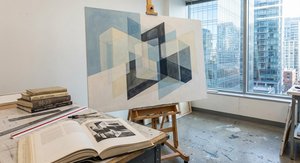
Beyond Form & Color: Geometric Abstraction's Enduring Legacy in Art History
Explore the captivating world of geometric abstraction! Discover its origins, key artists like Malevich & Mondrian, and why this movement remains highly valued by art collectors today. Expert insights at OriginalUniqueArt.

ज्यामितीय अमूर्तता: शीर्ष 10 उत्कृष्ट कृतियाँ जो कला को नया आकार देती हैं | OriginalUniqueArt.com
ज्यामितीय अमूर्तता की शीर्ष 10 उत्कृष्ट कृतियों का अन्वेषण करें! पिकासो, मोंड्रियन और अन्य कलाकारों के प्रेरणादायक कार्यों से कला इतिहास जानें। OriginalUniqueArt.com पर उच्च गुणवत्ता वाली कला प्रिंट और कैनवास खरीदें।

Kandinsky's Masterpieces: 25 Paintings That Define Abstract Art | OriginalUniqueArt
Journey through Wassily Kandinsky's 25 most iconic abstract paintings. Explore his revolutionary use of color, form & spiritual expressionism. Find museum-quality Kandinsky reproductions and elevate your home decor with OriginalUniqueArt.com. Discover all masterpieces on OriginalUniqueArt.com!

Neo-Abstract Art: The High-Impact Evolution of Modern Visual Energy and Geometric Sophistication
Discover the power of Neo-Abstract art. Explore how bold geometric forms and high-impact visual energy are redefining modern design. Learn to curate sophisticated, high-energy spaces with the latest trends in contemporary abstraction and structural color.