

 पूर्वावलोकन देखें
 भेजें
भेजें साझा करें
 विवरण देखें
 मार्गदर्शिका

 डाउनलोड करें
 समान वस्तुएं
 एक्स-रे
 स्लाइड शो देखें
 आंकड़े
Rhythm


 और पढ़ें
गिक्ली / आर्ट प्रिंट
तेज़ उत्पादन और विभिन्न फिनिश विकल्पों के साथ म्यूजियम-क्वालिटी गिकली (giclée) या कैनवस प्रिंट। ( हाथ से बनी पेंटिंग खरीदें डिजिटल इमेज पर जाएँ)




P118B ₹10

P118H ₹10

P118W ₹10

P438Z ₹10

P508JH ₹12

P508YH ₹12

P805H ₹10

P805Z ₹10

P919BZ ₹10

P919G ₹10

P919XJ ₹10

P959ZH ₹10

P968JZ ₹12

W106C ₹8

W218G ₹10

W218JH ₹8

W218Y ₹10

W307PJ ₹10

W316G ₹10

W316PJ ₹8

W316Y ₹10

W398PJ ₹8

W4111J ₹10

W500HY ₹15

W500JH ₹15

W692G ₹12

W849H ₹8

W940BG ₹15

W953PJ ₹8




कलाकृति के मूल अनुपात से मेल खाने वाले हमारे पूर्व निर्धारित आकारों में से चुनें।

अपने फ्रेम या अपनी दीवार के अनुसार आवश्यक चौड़ाई और ऊंचाई दर्ज करें। प्रिंट को केवल काटा जा सकता है, चित्र से बड़ा कभी नहीं बनाया जा सकता, इसलिए अलग आकार का साइज चित्र का एक हिस्सा खो देता है। किसी भी चीज़ को प्रिंट करने से पहले हम आपकी स्वीकृति के लिए आपको एक डिजिटल मॉकअप भेजते हैं। इस पृष्ठ पर दिखाया गया चित्र वास्तविक कटिंग नहीं दिखाता है — केवल मॉकअप ही इसे दर्शाता है।
विश्वव्यापी डिलीवरी (), मानक 4/5 सप्ताह के बजाय मात्र 2 सप्ताह में। (21 अक्टूबर)

दुनिया भर में मुफ़्त एक्सप्रेस शिपिंग

प्रीमियम ग्रेड लिनेन कैनवास

पूर्ण शिपिंग बीमा

सीमा शुल्क और आयात कर वापसी की गारंटी

सटीक रंग मिलान की गारंटी

100 दिनों की वापसी नीति (केवल निर्माण दोष होने पर)

100% पैसे वापसी की गारंटी

थोक छूट का अवसर
 ग्लास का विकल्प केवल 110 सेमी से कम आकार में ही उपलब्ध है।

Rhythm
गिक्ली / आर्ट प्रिंट
प्रतिकृति का आकार
-


कुल मूल्य
₹ 7653
A Symphony of Pure Light and Motion
In the early twentieth century, as the world accelerated into the modern age, Robert Delaunay captured its frantic, beautiful pulse in his 1912 masterpiece, Rhythm. This striking duo of panels serves as a cornerstone of early modernist abstraction, immediately captivating the viewer with a dynamic interplay of color and geometric precision. Rather than depicting a tangible landscape or a human figure, Delaunay invites us into a realm of pure sensation. Large, luminous circles are interwoven with squares and intersecting lines, creating an unmistakable impression of pulsating energy. It is a visual dance where form and color do not merely sit upon the canvas but seem to vibrate against one another, mimicking the very heartbeat of urban life and scientific discovery.
The artwork stands as a profound testament to the Orphism movement, a style Delaunay pioneered alongside his wife, Sonia Delaunay. Moving beyond the fragmented, monochromatic constraints of traditional Cubism, Rhythm embraces a bold, chromatic palette that celebrates the autonomy of color. The technique is nothing short of masterful; executed in oil on canvas, the painting showcases visible, intentional brushstrokes that lend a rich, tactile texture to the surface. Through the skillful use of color gradients and overlapping planes, Delaunay generates an extraordinary sense of depth and luminosity. This layering of pigment allows light to appear as if it is trapped within the circles themselves, creating a glowing effect that breathes life into the abstract composition.
The Dawn of Abstract Expression
To understand Rhythm is to understand a pivotal moment in art history when the boundaries of representation were being irrevocably shattered. Painted during the formative years of the avant-garde, this work reflects the broader European currents that sought to move past Impressionism toward a more distilled visual experience. Delaunay’s vision was not to replicate reality, but to capture its fundamental essence—movement, vibration, and harmony. By rejecting traditional spatial cues and embracing a flattened, asymmetrical perspective, he anticipated the revolutionary shifts of later movements like Surrealism and Expressionism. The painting acts as a bridge between the recognizable world and the limitless possibilities of non-figurative art.
For the discerning collector or interior designer, Rhythm offers more than just aesthetic beauty; it provides an emotional anchor of energy and playfulness. The bright, energetic tones and the rhythmic arrangement of shapes make it a commanding presence in any sophisticated space, capable of injecting vitality into a contemporary setting. It is a piece that speaks to the soul through its lack of literal subject matter, instead communicating through the universal language of light and geometry. Owning a high-quality reproduction of this work means bringing a fragment of the historical avant-garde into the home—a permanent celebration of the moment when art learned to sing in color.
प्रश्न और उत्तर
"Rhythm" किस युग का है?
रॉबर्ट डेलाने द्वारा "Rhythm" का संबंध Modern काल से है। यह काल इस कृति के ऐतिहासिक संदर्भ को दर्शाता है।
रॉबर्ट डेलाने द्वारा "Rhythm" के कलर पैलेट का वर्णन कैसे किया गया है?
रॉबर्ट डेलाने द्वारा "Rhythm" के रंग पैलेट का वर्णन Dark के रूप में किया गया है। यह कृति के रंगों का एक संक्षिप्त विवरण है।
"Rhythm" रॉबर्ट डेलाने के करियर के किस काल से संबंधित है?
रॉबर्ट डेलाने के करियर में, "Rhythm" का संबंध Early Modern से है। यह चरण इसे कलाकार की अन्य कृतियों के साथ तुलना करने में मदद करता है।
कलाकार का परिचय
रॉबर्ट डेलाने: अमूर्त रंग का अग्रणी
1885 में पेरिस में जन्मे रॉबर्ट डेलाने बीसवीं सदी की शुरुआत के क्रांतिकारी कलात्मक बदलावों के एक महत्वपूर्ण व्यक्ति के रूप में उभरे। हालांकि शुरू में वे अधिक पारंपरिक चित्रकला रूपों की ओर आकर्षित हुए थे, लेकिन उनकी यात्रा उन्हें रंग और प्रकाश की खोज की ओर ले गई जिसने अंततः उनकी विरासत को परिभाषित किया और अमूर्त कला के जन्म में महत्वपूर्ण योगदान दिया। डेलाने केवल दुनिया का *प्रतिनिधित्व* करने में रुचि नहीं रखते थे; उन्होंने जीवंत ज्यामितीय आकृतियों और चमकदार रंगों की एक भाषा के माध्यम से इसकी बहुत ही सार को पकड़ना चाहा, अपनी पत्नी सोनिया डेलाने और अन्य लोगों के साथ मिलकर ऑरफिज्म आंदोलन की स्थापना की, जिन्होंने उनकी दृष्टि साझा की। उनके प्रारंभिक जीवन में कुछ अस्थिरता थी - उनके माता-पिता का तलाक कम उम्र में हो गया था, और उन्हें रिश्तेदारों द्वारा पाला गया था - लेकिन शायद इसने एक स्वतंत्र भावना को बढ़ावा दिया जो कलात्मक सम्मेलनों को चुनौती देने में उनकी मदद करेगी। उन्होंने शुरू में सजावटी कलाओं का पीछा किया, लेकिन जल्दी ही चित्रकला की ओर आकर्षित हुए, 1904 में जितना संभव हो उतना जल्द सैलून डेस इंडिपेंडेंट्स में प्रदर्शन किया, जिससे प्रतिभा और महत्वाकांक्षा का उदय हुआ।विभाजनवाद से ऑरफिज्म के उदय तक
डेलाने के कलात्मक विकास को निरंतर प्रयोग द्वारा चिह्नित किया गया था। उन्होंने शुरू में नव-प्रभाववाद, या विभाजनवाद के साथ जुड़कर रंग के छोटे, विशिष्ट बिंदुओं को लागू करने के सिद्धांतों को अवशोषित किया ताकि एक झिलमिलाता प्रभाव पैदा हो सके। हालांकि, वे जल्द ही केवल ऑप्टिकल घटनाओं की नकल से आगे बढ़ गए; उन्होंने स्वयं रंग की अभिव्यंजक क्षमता की जांच शुरू कर दी। इस अवधि के दौरान जीन मेटजिंगर के साथ एक महत्वपूर्ण दोस्ती निर्णायक साबित हुई, क्योंकि उन्होंने खंडित रूपों और मोज़ेक जैसी रचनाओं की संभावनाओं का पता लगाया। इन शुरुआती सहयोगों ने क्यूबिज्म में उनकी बाद की भागीदारी के लिए आधार तैयार किया, हालांकि डेलाने अंततः इसके अधिक विश्लेषणात्मक दृष्टिकोण से अलग हो गए। वे वस्तुओं को ज्यामितीय घटकों में विभाजित करने में रुचि नहीं रखते थे; बल्कि, उन्होंने उन्हें रंग और प्रकाश की गतिशील व्यवस्थाओं में संश्लेषित करना चाहा। इस बदलाव ने ऑरफिज्म के विकास को जन्म दिया - एक शब्द जिसे कवि गुइलाउमे एपोलीनैर ने गढ़ा था - जिसका उद्देश्य विशुद्ध रूप से अमूर्त कला बनाना था जो अपने क्रोमैटिक तीव्रता के माध्यम से भावनात्मक प्रतिक्रियाओं को उत्तेजित करे। एक साथ विरोधाभास: सूर्य और चंद्रमा, इस दृष्टिकोण का उदाहरण है, जो डेलाने के रंग में महारत का प्रदर्शन करता है ताकि ऊर्जा और गति की भावना व्यक्त हो सके।‘सिमुलटेनीटी’ की शक्ति और कलात्मक प्रभाव
डेलाने के कलात्मक दर्शन के केंद्र में “सिमुलटेनीटी” की अवधारणा थी - यह विचार कि रंग एक-दूसरे के साथ परस्पर क्रिया करते हैं, नई संवेदनाओं और धारणाओं का निर्माण करते हैं। उनका मानना था कि रंग केवल एक वर्णनात्मक तत्व नहीं है बल्कि एक सक्रिय शक्ति है जो हमारी वास्तविकता के अनुभव को आकार देने में सक्षम है। इस विश्वास ने एफिल टॉवर की उनकी श्रृंखला को सूचित किया, जहां उन्होंने प्रतिष्ठित संरचना को इंटरसेक्टिंग प्लेन और जीवंत रंगों के नेटवर्क में विघटित कर दिया। ये टावर *के* चित्रण नहीं थे, बल्कि यह खोज थी कि प्रकाश और रंग इसकी उपस्थिति को कैसे बदलते हैं। डेलाने के सिद्धांतों ने उनके समय के अन्य कलाकारों के साथ गहराई से प्रतिध्वनित किया, पॉल क्ली, फ्रांज मार्क, अगस्त मैके जैसे व्यक्तियों को प्रभावित किया, और यहां तक कि रूसी अवंत-गार्डे आंदोलनों को भी प्रभावित किया। अमूर्तता पर उनका जोर और रंग की अभिव्यंजक शक्ति ने एक नई पीढ़ी के कलाकारों का मार्ग प्रशस्त करने में मदद की जिन्होंने प्रतिनिधित्व सम्मेलनों को खारिज कर दिया और विशुद्ध रूप से दृश्य रूपों का पक्ष लिया। वे केवल पेंटिंग नहीं बना रहे थे; वे रंग, प्रकाश और धारणा के बीच संबंध को समझने के लिए एक सैद्धांतिक ढांचा विकसित कर रहे थे।बाद के वर्ष और स्थायी विरासत
प्रथम विश्व युद्ध की शुरुआत ने डेलाने और उनकी पत्नी को स्पेन और पुर्तगाल में शरण लेने के लिए मजबूर किया, जहां उन्होंने काम करना और प्रदर्शन करना जारी रखा। 1920 के दशक में पेरिस लौटने के बाद, उन्होंने पोर्ट्रेट और आलंकारिक दृश्यों सहित कई विषयों का पता लगाया, लेकिन हमेशा रंग और अमूर्तता के अपने मूल सिद्धांतों के प्रति प्रतिबद्ध रहे। अपने बाद के वर्षों में, डेलाने ने पहले के विषयों पर फिर से दौरा किया, तेजी से जटिल और गतिशील रचनाएँ बनाईं। उन्होंने 1937 पेरिस अंतर्राष्ट्रीय प्रदर्शनी के लिए बड़े पैमाने पर रंगीन राहतों को डिजाइन करने जैसे महत्वाकांक्षी परियोजनाओं का भी उपक्रम किया, जिससे उनकी कलात्मक दृष्टि को वास्तुशिल्प संदर्भों में अनुवाद करने की क्षमता का प्रदर्शन हुआ। 1941 में रॉबर्ट डेलाने की समय से पहले मृत्यु ने कला जगत के लिए एक नुकसान चिह्नित किया, लेकिन उनका प्रभाव आज भी महसूस किया जा रहा है। उनके अग्रणी कार्य ने अमूर्त कला में कई बाद के विकास की नींव रखी, और रंग की उनकी खोज विभिन्न विषयों के कलाकारों के लिए प्रेरणा का स्रोत बनी हुई है। उनकी विरासत केवल सौंदर्य नवाचार ही नहीं है, बल्कि बौद्धिक जांच भी है - दुनिया को बदलने की कला की शक्ति का प्रमाण।उल्लेखनीय कार्य
- एफिल टॉवर (1909-1911)
- एक साथ विरोधाभास: सूर्य और चंद्रमा (1913)
- विंडोज एक साथ खुलती हैं, पहला भाग, तीसरा मोटिफ (1912)
- लाओन में सड़क (1910)
- लय (1934)

रॉबर्ट डेलाने
1885 - 1941 , भारत
संक्षिप्त जानकारी
- कला आंदोलन: ऑर्फिज्म, क्यूबिज्म
- जन्म तिथि: 12 अप्रैल 1885
- जन्म स्थान: पेरिस, फ्रांस
- जिन कलाकारों को प्रभावित किया: ['स्टैंटन मैकडॉनल्ड-राइट']
- पूरा नाम: रॉबर्ट डेलाने
- प्रभावित कलाकार: ['पॉल क्ले']
- प्रमुख कलाकृतियाँ:
- एफिल टॉवर
- सिमल्टेनियस कंट्रास्ट
- मृत्यु तिथि: 1941
- राष्ट्रीयता: फ्रांसीसी
संबंधित लेखों की सूची

ज्यामितीय अमूर्तता: शीर्ष 10 उत्कृष्ट कृतियाँ जो कला को नया आकार देती हैं | OriginalUniqueArt.com
ज्यामितीय अमूर्तता की शीर्ष 10 उत्कृष्ट कृतियों का अन्वेषण करें! पिकासो, मोंड्रियन और अन्य कलाकारों के प्रेरणादायक कार्यों से कला इतिहास जानें। OriginalUniqueArt.com पर उच्च गुणवत्ता वाली कला प्रिंट और कैनवास खरीदें।
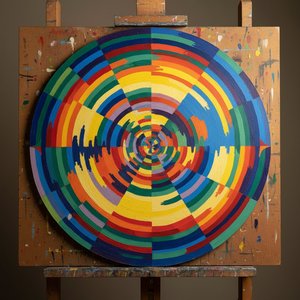
Sonia Delaunay: A Life in Color – Exploring the Rhythms of Abstraction and Synesthesia
Explore the vibrant world of Sonia Delaunay, a pioneer of abstract art and co-founder of Orphism. Discover her revolutionary use of color, geometric forms, and influence on modern design. A deep dive into her life & legacy.
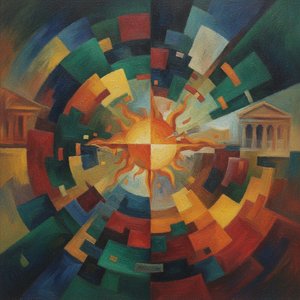
Orphism Unveiled: The Radiant Dance of Color and Light in the Evolution of Abstract Art
Discover the luminous world of Orphism. Explore how masters like Robert and Sonia Delaunay revolutionized art through a radiant dance of color, light, and geometric abstraction in this deep dive into modern art history.
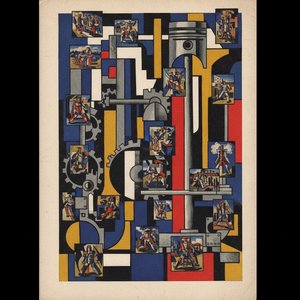
फर्नांड लेगर की शीर्ष 25 कलाकृतियाँ: आधुनिकता का सौंदर्य और घर सजावट के लिए प्रेरणा
फर्नांड लेगर की शीर्ष 25 कलाकृतियों में आधुनिक कला और क्यूबिज्म का सौंदर्य अनुभव करें। प्रत्येक पेंटिंग के पीछे की कहानी जानें, और अपने घर को अद्वितीय दीवार सजावट से सजाएं। OriginalUniqueArt.com पर उच्च गुणवत्ता वाले कला प्रिंट खोजें।

Kandinsky's Masterpieces: 25 Paintings That Define Abstract Art | OriginalUniqueArt
Journey through Wassily Kandinsky's 25 most iconic abstract paintings. Explore his revolutionary use of color, form & spiritual expressionism. Find museum-quality Kandinsky reproductions and elevate your home decor with OriginalUniqueArt.com. Discover all masterpieces on OriginalUniqueArt.com!

