 पूर्वावलोकन देखें
 साझा करें
 साझा करें
 विस्तृत विवरण

 डाउनलोड करें
 समान कलाकृतियाँ
 एक्स-रे
 स्लाइड शो देखें
Stanza Della Segnatura d06

 पूरा देखें
गिक्ली / आर्ट प्रिंट
तेज़ उत्पादन और विभिन्न फिनिश विकल्पों के साथ म्यूजियम-क्वालिटी गिकली (giclée) या कैनवस प्रिंट। ( हाथ से बनी पेंटिंग पर स्विच करें इमेज पर बदलें)




P118B $10

P118H $10

P118W $10

P438Z $10

P508JH $12

P508YH $12

P805H $10

P805Z $10

P919BZ $10

P919G $10

P919XJ $10

P959ZH $10

P968JZ $12

W106C $8

W218G $10

W218JH $8

W218Y $10

W307PJ $10

W316G $10

W316PJ $8

W316Y $10

W398PJ $8

W4111J $10

W500HY $15

W500JH $15

W692G $12

W849H $8

W940BG $15

W953PJ $8




कलाकृति के मूल अनुपात से मेल खाने वाले हमारे पूर्व निर्धारित आकारों में से चुनें।

आप किसी विशिष्ट फ्रेम या स्थान के अनुसार अपने स्वयं के आयाम (dimensions) दर्ज कर सकते हैं। यदि आपके द्वारा चुना गया आकार मूल छवि के अनुपात से मेल नहीं खाता है, तो हम कलाकृति को क्रॉप कर देंगे या मिरर किए गए या सॉलिड-फिल किनारे के साथ छवि का विस्तार करेंगे। उत्पादन शुरू होने से पहले आपकी स्वीकृति के लिए एक डिजिटल मॉकअप भेजा जाएगा।
कृपया ध्यान दें कि स्क्रीन पर दिखने वाला प्रीव्यू वास्तविक क्रॉपिंग या विस्तार को नहीं दर्शाता है। केवल मॉकअप ही अंतिम संरचना को सटीक रूप से दिखाएगा।
हालाँकि कस्टम आकार उपलब्ध हैं, फिर भी हम मूल अनुपात बनाए रखने के लिए पूर्व-निर्धारित सूची में से एक आयाम चुनने की सलाह देते हैं।
विश्वव्यापी डिलीवरी (), मानक 4/5 सप्ताह के बजाय मात्र 2 सप्ताह में। (9 अगस्त)

दुनिया भर में मुफ़्त एक्सप्रेस शिपिंग

उच्च गुणवत्ता वाला लिनेन कैनवास

पूर्ण शिपिंग बीमा

सीमा शुल्क और आयात कर वापसी की गारंटी

सटीक रंग मिलान की गारंटी

60-दिन की वापसी नीति (केवल दोषों के लिए)

100% पैसे वापसी की गारंटी

थोक छूट का लाभ
 ग्लास का विकल्प केवल 110 सेमी से कम आकार में ही उपलब्ध है।

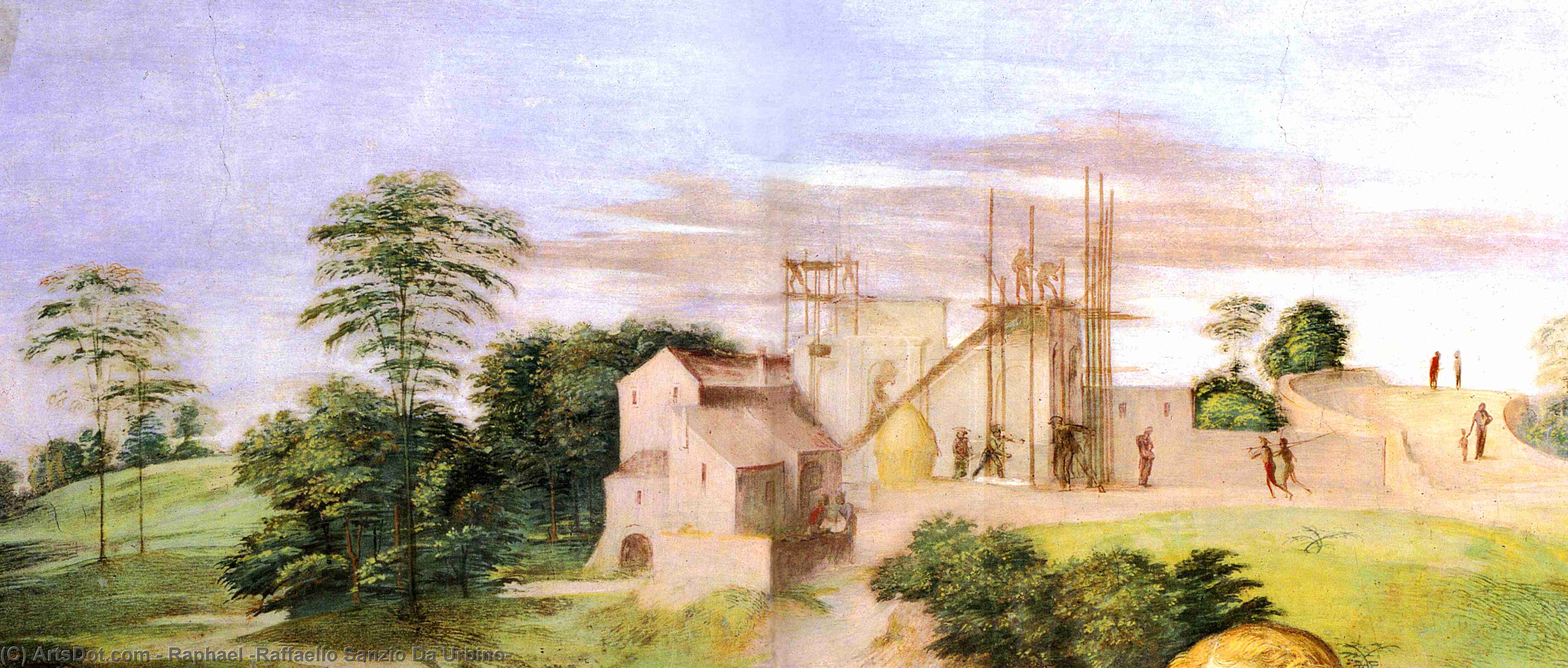
Stanza Della Segnatura d06
गिक्ली / आर्ट प्रिंट
प्रतिकृति का आकार
-


कुल देय राशि
$ 80
संग्रहणीय वस्तु का विवरण
The Stanza Della Segnatura: A Window into Renaissance Thought
Raphael’s “Stanza Della Segnatura,” or Room of the Signatura, within the Vatican Palace remains one of the most profoundly captivating frescoes in Western art history. Completed between 1508 and 1511 during his tenure as papal court painter, it's more than just a beautiful depiction of Roman philosophy; it’s a meticulously crafted visual argument for the interconnectedness of knowledge, faith, and reason – a microcosm of Renaissance humanism at its most ambitious. The room itself, originally intended as a library and private study for Pope Julius II, was transformed into a testament to intellectual pursuit by Raphael, reflecting the pontiff's desire to establish a center of learning within the heart of Rome.
The fresco’s central panel depicts the “Scholae Platones,” or School of Plato, featuring renowned philosophers like Aristotle and Pythagoras engaged in spirited debate. To their right stands Raphael himself, presenting the figure of Saint Augustine, embodying the synthesis of classical philosophy and Christian theology. This composition immediately establishes a dialogue between ancient wisdom and contemporary faith – a core tenet of Renaissance thought. The figures are rendered with an astonishing level of realism and psychological depth; each face is meticulously observed, conveying a range of emotions and intellectual intensity. Raphael’s mastery of *sfumato*, the subtle blurring of lines and colors, creates a sense of atmospheric perspective and adds to the fresco's overall luminosity.
A Symphony of Allegory: The Panels Beyond
Beyond the central panel, the “Stanza Della Segnatura” unfolds into three more interconnected frescoes, each dedicated to one of the four cardinal virtues – Prudence, Justice, Temperance, and Fortitude – alongside their corresponding branches of knowledge: Theology, Philosophy, Law, and Poetry. The "Disputation on the Holy Sacrament" showcases theology in action, while “Virtues and the Law” presents a balanced representation of justice and prudence. The most visually arresting panel is undoubtedly “Parnassus,” depicting Apollo presiding over the Muses – figures representing artistic inspiration – amidst a gathering of poets, sculptors, and musicians. This scene isn’t merely decorative; it symbolizes the pursuit of beauty and truth through creative expression.
Notice the deliberate use of color throughout the frescoes. The warm hues of red, gold, and orange dominate the panels dedicated to virtue and faith, evoking a sense of warmth, passion, and divine grace. Conversely, the cooler blues and greens employed in the philosophical scenes suggest reason, intellect, and contemplation. Raphael’s understanding of color theory was exceptional; he skillfully used light and shadow to create depth, volume, and emotional resonance within each composition.
Technique and Legacy: The Hand of a Master
Raphael's technique in the “Stanza Della Segnatura” is characterized by its remarkable clarity, precision, and harmonious balance. He employed *trompe-l’œil* – creating an illusion of three-dimensionality – to convincingly depict architectural elements and figures within the frescoed walls. The meticulous detail evident in every brushstroke speaks volumes about his dedication to his craft and his mastery of perspective. He worked with a large workshop, but maintained strict control over the overall design and execution, ensuring that each element contributed to the cohesive narrative.
The “Stanza Della Segnatura” exerted an immense influence on subsequent generations of artists. Its emphasis on classical ideals, harmonious composition, and intellectual themes became hallmarks of High Renaissance art. Leonardo da Vinci, Michelangelo, and countless others drew inspiration from Raphael’s masterpiece, solidifying its place as a cornerstone of Western artistic tradition. Today, reproductions offer a remarkable opportunity to experience the beauty and profound wisdom contained within this extraordinary room.
Symbolism and Emotional Resonance
The “Stanza Della Segnatura” is replete with symbolic meaning, reflecting the humanist ideals that shaped Renaissance thought. The figures depicted are not merely portraits; they represent abstract concepts – virtues, knowledge, and philosophical principles. The overall composition can be interpreted as a visual manifesto for the harmonious integration of faith, reason, and beauty. Looking at this fresco evokes a sense of intellectual curiosity, spiritual aspiration, and profound human potential.
Beyond its historical and artistic significance, the “Stanza Della Segnatura” continues to resonate with viewers today. Its timeless themes – the pursuit of knowledge, the importance of virtue, and the power of creative expression – remain profoundly relevant in our own complex world. It’s a reminder that art can not only beautify our surroundings but also illuminate the deepest questions about human existence.
कलाकार का जीवन परिचय
राफेल: पुनर्जागरण के सौंदर्य का प्रतीक
रफाएल, जिनका असली नाम राफेल सान्ज़ियो दा उरबीनो था, इतालवी कला इतिहास में एक अद्वितीय स्थान रखते हैं। 1483 में उरबीनो शहर में जन्मे राफेल ने अपनी कम उम्र में ही कला की दुनिया में क्रांति ला दी। उरबीनो, उस समय कला और संस्कृति का केंद्र था, जहाँ ड्यूक फेडरिको दा मोंटेफेल्ट्रो के संरक्षण में कलाकारों को फलने-फूलने का अवसर मिला था। उनके पिता जियोवानी सान्ती भी एक चित्रकार थे और उन्होंने राफेल को शुरुआती प्रशिक्षण दिया। बचपन से ही राफेल की प्रतिभा स्पष्ट थी, लेकिन उनके जीवन में एक महत्वपूर्ण मोड़ तब आया जब 11 साल की उम्र में उनके पिता की मृत्यु हो गई। इस घटना ने उन्हें परिवार के व्यवसाय को संभालने और अपनी कलात्मक कौशल को विकसित करने के लिए प्रेरित किया।
पिएत्रो पेरुगिनो से फ्लोरेंस तक: कलात्मक विकास
अपनी प्रारंभिक शिक्षा के बाद, राफेल पिएत्रो पेरुगिनो के अधीन प्रशिक्षु बने। पेरुगिनो के मार्गदर्शन में, उन्होंने उम्ब्रिया शैली की बारीकियों को सीखा, जो अपनी कोमल मॉडलिंग, सामंजस्यपूर्ण रचनाओं और शांत धार्मिक दृश्यों के लिए जानी जाती है। हालांकि, राफेल की जिज्ञासा उन्हें नई चुनौतियों की तलाश करने और अपने कलात्मक क्षितिज का विस्तार करने के लिए प्रेरित करती रही। 1504 में, उन्होंने फ्लोरेंस की यात्रा की, जो उस समय कलात्मक नवाचारों से भरा हुआ था। वहाँ, उन्होंने लियोनार्डो दा विंची और माइकल एंजेलो जैसे महान कलाकारों के कार्यों को देखा और उनसे प्रेरणा ली। लियोनार्डो की स्फुमाटो तकनीक, जिसमें प्रकाश और छाया के सूक्ष्म ग्रेडेशन का उपयोग किया जाता है, और माइकल एंजेलो की शक्तिशाली शारीरिक सटीकता और नाटकीय रचनाएँ राफेल के कलात्मक विकास में महत्वपूर्ण भूमिका निभाते हैं। फ्लोरेंस में बिताया गया समय राफेल के लिए एक परिवर्तनकारी अनुभव था, जिसने उन्हें अपनी अनूठी शैली विकसित करने में मदद की।
रोम में विजय: कमीशन और उत्कृष्ट कृतियाँ
1508 में, पोप जूलियस द्वितीय ने राफेल को रोम बुला लिया, जो उनके करियर का एक महत्वपूर्ण मोड़ साबित हुआ। रोम में, उन्हें कला के भव्य कार्यों को करने का अवसर मिला, जिससे उन्होंने वैटिकन के पैलेस की दीवारों को शानदार भित्ति चित्रों से सजाया। "स्कूल ऑफ एथेंस", उनकी सबसे प्रसिद्ध कृतियों में से एक है, जो मानव तर्क और ज्ञान की खोज का जश्न मनाता है। इस भित्ति चित्र में, राफेल ने प्लेटो, अरस्तू, पाइथागोरस और यूक्लिड जैसे प्राचीन काल के महान दार्शनिकों को एक साथ चित्रित किया है। उन्होंने बाद में पोप लियो एक्स के लिए भी कई महत्वपूर्ण परियोजनाएँ कीं, जिनमें स्टैंजा डेला सेग्नाटुरा और स्टैंजा डी'एलियोडोरो का अलंकरण शामिल था। राफेल के रोम के भित्ति चित्र न केवल सजावटी हैं, बल्कि वे पोप शक्ति, धार्मिक विश्वासों और पुनर्जागरण के आदर्शों पर गहन विचार व्यक्त करते हैं।
सौंदर्य और भव्यता का संश्लेषण: राफेल की कलात्मक शैली
राफेल की कलात्मक शैली को अक्सर सौंदर्य, स्पष्टता और आदर्शित सुंदरता के सामंजस्यपूर्ण मिश्रण के रूप में वर्णित किया जाता है। उनके पास रचनाओं की योजना बनाने की असाधारण क्षमता थी, जो पुनर्जागरण सिद्धांतों की गहरी समझ को दर्शाती है। उनकी आकृतियाँ शांत गरिमा और भावनात्मक अभिव्यक्ति का संचार करती हैं, जो मानव पूर्णता के मानवतावादी आदर्श को मूर्त रूप देती हैं। वे एक कुशल रंगज्ञ भी थे, जिन्होंने समृद्ध, चमकदार रंगों का उपयोग करके ऐसे कार्य बनाए जो न केवल नेत्रहीन आकर्षक हैं बल्कि बौद्धिक रूप से उत्तेजक भी हैं। माइकल एंजेलो की अक्सर नाटकीय और अशांत शैली के विपरीत, राफेल के कार्यों में शांति और सद्भाव की भावना है - एक ऐसी गुणवत्ता जिसने सदियों से दर्शकों को मोहित किया है।
विरासत और स्थायी प्रभाव
राफेल की असामयिक मृत्यु 1520 में मात्र 37 वर्ष की आयु में हुई, लेकिन उनकी विरासत कला इतिहास के सबसे महत्वपूर्ण आंकड़ों में से एक के रूप में जीवित रही। उनके कार्यों ने उच्च पुनर्जागरण सौंदर्यशास्त्र का आधार बनाया, जो पीढ़ियों के कलाकारों के लिए एक मॉडल बन गए। राफेल का प्रभाव अनगिनत कार्यों में देखा जा सकता है, जिससे पश्चिमी कला पर उनका स्थायी प्रभाव स्थापित हो गया है। उनकी कृतियाँ आज भी दर्शकों को आश्चर्य और प्रशंसा से भर देती हैं, अपनी तकनीकी प्रतिभा, भावनात्मक गहराई और चिरस्थायी अपील के साथ। वे वास्तव में पुनर्जागरण के एक महान स्वामी थे - एक चित्रकार जिन्होंने न केवल अपने विषयों की शारीरिक समानता को कैद किया बल्कि मानव गरिमा और सौंदर्य का सार भी दर्शाया।

राफेल
1483 - 1520 , इटली
मुख्य तथ्य
- कलात्मक शैली: उच्च पुनर्जागरण
- जन्म तिथि: 28 मार्च 1483
- जन्म स्थान: उर्बाइनो, इटली
- पूरा नाम: रफ़ेल (राffaएलो सांजियो)
- प्रभावित आंदोलन: ['नवशास्त्रीय चित्रकला']
- प्रभावित कलाकार:
- लियोनार्डो दा विंची
- मिकेलेंजो
- प्रमुख कलाकृतियाँ:
- एथेंस का विद्यालय
- सिस्टिन मैडोना
- द ट्रांसफिग्रेशन
- मृत्यु तिथि: 6 अप्रैल 1520
- राष्ट्रीयता: इतालवी
संबंधित लेख

OriginalUniqueArt.com F.A.Q.: Elevating Interiors with Bespoke Wall Murals & Masterpiece Frescoes
Discover the pinnacle of bespoke interior transformation with OriginalUniqueArt.com. Our master fresco artists create exquisite, hand-painted wall murals and ceiling masterpieces tailored to your estate. Elevate your architectural space with timeless, museum-quality artistry.