

 पूर्वावलोकन देखें
 साझा करें
 साझा करें
 विस्तृत विवरण

 डाउनलोड करें
 समान कलाकृतियाँ
 एक्स-रे
 स्लाइड शो देखें
Yashoda and Krishna
 Acrylic On Canvas
- WallArt
 89.0 x 72.0 cm
 द गणेश शिवस्वामी फाउंडेशन
 पूरा देखें
हाथ से बनी ऑयल रिप्रोडक्शन
आपके आकार और फ्रेम के अनुसार कैनवास पर हाथ से बनी ऑयल पेंटिंग, हमारे कलाकारों द्वारा विशेष रूप से ऑर्डर पर तैयार। ( प्रिंट खरीदें छवि खरीदें)




P118B $10

P118H $10

P118W $10

P438Z $10

P508JH $12

P508YH $12

P805H $10

P805Z $10

P919BZ $10

P919G $10

P919XJ $10

P959ZH $10

P968JZ $12

W106C $8

W218G $10

W218JH $8

W218Y $10

W307PJ $10

W316G $10

W316PJ $8

W316Y $10

W398PJ $8

W4111J $10

W500HY $15

W500JH $15

W692G $12

W849H $8

W940BG $15

W953PJ $8




कलाकृति के मूल अनुपात से मेल खाने वाले हमारे पूर्व निर्धारित आकारों में से चुनें।

आप किसी विशिष्ट फ्रेम या स्थान के अनुसार अपने स्वयं के आयाम (dimensions) दर्ज कर सकते हैं। यदि आपके द्वारा चुना गया आकार मूल छवि के अनुपात से मेल नहीं खाता है, तो हम कलाकृति को क्रॉप करेंगे या पेंटिंग में अतिरिक्त हाथ से चित्रित तत्व जोड़कर उसका विस्तार करेंगे। उत्पादन शुरू होने से पहले आपकी स्वीकृति के लिए एक डिजिटल मॉकअप भेजा जाएगा।
कृपया ध्यान दें कि स्क्रीन पर दिखने वाला पूर्वावलोकन वास्तविक क्रॉपिंग या विस्तार को नहीं दर्शाता है। केवल मॉकअप ही अंतिम रचना को सटीक रूप से दिखाएगा।
यद्यपि कस्टम आकार उपलब्ध हैं, फिर भी हम मूल अनुपात बनाए रखने के लिए पूर्व-निर्धारित सूची से आयाम चुनने की सलाह देते हैं।
ऑर्डर देने के बाद, OriginalUniqueArt.com टीम निर्देशों के लिए क्लाइंट को ईमेल करेगी और एक मॉकअप प्रीव्यू प्रदान करेगी
विश्वव्यापी वितरण () मानक 5 सप्ताह के बजाय मात्र 3/4 सप्ताह में। (21 अगस्त)। गुणवत्ता से कोई समझौता नहीं।

दुनिया भर में मुफ़्त एक्सप्रेस शिपिंग

उच्च गुणवत्ता वाला लिनेन कैनवास

पूर्ण शिपिंग बीमा

सीमा शुल्क और आयात कर वापसी की गारंटी

सटीक रंग मिलान की गारंटी

60-दिन की वापसी नीति (केवल दोषों के लिए)

100% पैसे वापसी की गारंटी

थोक छूट का लाभ
 ग्लास का विकल्प केवल 110 सेमी से कम आकार में ही उपलब्ध है।

Yashoda and Krishna
प्रतिकृति की विधि
प्रतिकृति का आकार
-


कुल देय राशि
$ 300
कलाकृति का विवरण
Raja Ravi Varma: Bridging Tradition & Modernity in 19th-Century Indian Art
Raja Ravi Varma stands as an unparalleled figure in the annals of Indian art history—a visionary who dared to fuse the grandeur of European academic painting with the profound spiritual essence of Hindu mythology. Born in Kilimanjaro, Tanzania, in 1848, his journey from royal lineage to artistic innovator exemplifies a transformative period in India’s cultural landscape. Ravi Varma wasn't merely replicating Western styles; he was reimagining them through the lens of Indian iconography and storytelling, resulting in artworks that captivated audiences both domestically and internationally. His influence extended far beyond the canvases themselves, shaping perceptions of Indian identity and establishing a precedent for accessible art forms—a legacy cemented by the proliferation of affordable lithographs produced at his Ravi Varma Fine Art Lithographic Press. This press was instrumental in democratizing Ravi Varma’s artistic vision, ensuring that his masterpieces resonated with a wider public.- A Royal Patronage That Fueled Innovation: Ravi Varma's upbringing within the Travancore royal household instilled him with an understanding of courtly traditions—a grounding that paradoxically propelled him toward experimentation and stylistic breakthroughs. His uncle, Raja Raja Varma, recognized his innate talent for drawing and painting, initiating him into the Tanjore School’s meticulous technique, which would serve as a cornerstone of his artistic development.
- Blending East Meets West: Ravi Varma skillfully adopted European academic realism—a dominant trend in Western art at the time—but refused to abandon the rich symbolism inherent in Hindu narratives. He meticulously researched Sanskrit texts and mythological tales, translating them into visual representations that resonated deeply with Indian sensibilities. This fusion resulted in artworks imbued with both intellectual rigor and emotional depth.
- Lithographic Revolution: Recognizing the limitations of traditional painting methods for reaching a broader audience, Ravi Varma established his lithographic press in Bombay (now Mumbai) in 1894—a pivotal moment in Indian art history. Collaborating with Fritz Schleicher, a German technician, he championed the use of lithography as a medium for disseminating his artistic creations.
Yashoda and Krishna: A Symbolic Tableau
“Yashoda and Krishna,” painted circa 1895-1896, exemplifies Ravi Varma’s masterful synthesis of Eastern spirituality and Western artistic convention. The painting depicts Yashoda, the devoted mother figure, milking a cow while Krishna playfully demands his share of the milk—a scene drawn directly from Hindu mythology that speaks to themes of nurturing, divine protection, and maternal devotion. Ravi Varma's meticulous attention to detail—particularly in capturing the texture of Yashoda’s sari—demonstrates his commitment to portraying realism alongside symbolic representation. The cow itself holds profound significance within Hinduism, symbolizing fertility, abundance, and the sacredness of pastoral life.- Composition & Color Palette: Ravi Varma employed a balanced composition, placing Krishna prominently in the foreground while Yashoda occupies a slightly elevated position—a deliberate stylistic choice that reinforces the narrative’s hierarchy of roles. The painting utilizes a vibrant color palette dominated by earthy tones—ochres and browns—accentuated by splashes of crimson and gold—colors traditionally associated with divinity and royalty.
- Narrative Depth: Beyond its visual beauty, “Yashoda and Krishna” conveys a powerful message about the sanctity of motherhood and the unwavering faith of Yashoda in Krishna’s divine protection. The painting captures a fleeting moment of tenderness between mother and child—a scene that embodies the core values of Hindu culture.
- Historical Context: Created during Ravi Varma's formative years, “Yashoda and Krishna” reflects the broader artistic currents of the Victorian era—characterized by an interest in Orientalism and a fascination with exotic landscapes and cultures. However, Ravi Varma’s work transcends mere stylistic imitation; it represents a genuine engagement with Hindu mythology and its enduring spiritual significance.
Raja Ravi Varma Lithographic Press: Democratizing Art
The establishment of the Ravi Varma Lithographic Press in 1894 marked a watershed moment in Indian art history—a testament to Ravi Varma’s foresight and his determination to make his artistic vision accessible to all. Collaborating with Fritz Schleicher, he pioneered the use of lithography as a medium for reproducing artworks on a large scale—a technique that dramatically lowered production costs and broadened the reach of Ravi Varma's masterpieces. This initiative fundamentally altered the landscape of Indian art consumption, transforming Ravi Varma’s paintings from exclusive treasures of royal collections into widely circulated images that captivated the imagination of the subcontinent. The press’s output included reproductions of Krishna’s life stories—a deliberate effort to disseminate Hindu mythology and its moral lessons among a wider audience.- Technological Innovation: Ravi Varma's decision to adopt lithography represented a significant departure from traditional painting methods—which were labor-intensive and expensive—and ushered in an era of artistic democratization.
- Cultural Impact: The Ravi Varma Lithographic Press’s reproductions profoundly influenced Indian aesthetics and contributed to the formation of a shared cultural identity—a legacy that continues to resonate today.
- Accessibility & Preservation: By making Ravi Varma's paintings available in affordable lithographs, he ensured their preservation for future generations—a remarkable achievement considering the challenges posed by the Victorian era’s artistic conventions.
Legacy and Influence
Raja Ravi Varma’s contribution to Indian art is undeniable—he fundamentally reshaped perceptions of Hindu mythology and established a precedent for blending Eastern spirituality with Western artistic technique. His lithographic press revolutionized art production, democratizing access to his masterpieces and fostering a shared cultural identity across the subcontinent. Today, reproductions of “Yashoda and Krishna” adorn homes throughout India—a testament to Ravi Varma’s enduring legacy as one of the most influential artists of the Victorian era—and continue to inspire admiration for his artistic vision and his unwavering commitment to preserving Hindu traditions through accessible art forms. His work stands as a beacon of cultural exchange and artistic innovation—a celebration of both Eastern mysticism and Western realism.कलाकार का जीवन परिचय
राज राजा रवि वर्मा और आधुनिक भारतीय चित्रकला का उदय
राजा रवि वर्मा, एक नाम जो भारत में कलात्मक नवाचार के साथ गूंजता है, 19वीं शताब्दी के मध्य में केरल के किलिमानूर महल की शाही वंशावली से उभरे। 29 अप्रैल, 1848 को जन्मे उनके जीवन में अभिजात्य परंपरा और सहज रचनात्मक भावना दोनों समाहित थे। वे केवल एक चित्रकार नहीं थे; वे एक सांस्कृतिक सेतु थे, जिन्होंने यूरोपीय अकादमिक तकनीकों को भारतीय पौराणिक कथाओं और सौंदर्यशास्त्र की समृद्ध टेपेस्ट्री के साथ कुशलता से मिश्रित किया। उनके परिवार का त्रावणकोर शाही घर से जो पुराना जुड़ाव था – वास्तव में, उनकी दो बेटियों को बाद में उसी परिवार में गोद लिया गया था – उसने उन्हें विशेषाधिकार के साथ-साथ भारतीय दरबारी जीवन की गहरी समझ भी प्रदान की, जिसने उनके कलात्मक दृष्टिकोण को गहराई से प्रभावित किया। बचपन से ही, रवि वर्मा ने कला के लिए एक उल्लेखनीय अभिरुचि प्रदर्शित की, जिसे उनके चाचा राजा राजा वर्मा ने पोषित किया, जिन्होंने उन्हें मुख्य रूप से तंजौर स्कूल परंपरा के भीतर चित्रकला और चित्रकारी की दुनिया में दीक्षित किया। हालांकि, युवा रवि की महत्वाकांक्षा केवल नकल करने तक सीमित नहीं थी; वह उन तकनीकों में महारत हासिल करना चाहते थे जो उन्हें न केवल समानता बल्कि भावना और कथात्मक गहराई को भी पकड़ने दें।जगतों का संगम: तकनीक और प्रेरणा
वरमा की कला यात्रा तब एक महत्वपूर्ण मोड़ लेती है जब वे यूरोपीय उस्तादों के कार्यों से रूबरू हुए, विशेष रूप से अपनी यात्राओं के दौरान और भारत में तैनात ब्रिटिश अधिकारियों के साथ बातचीत के माध्यम से। वह अकादमिक चित्रकला के यथार्थवाद और तकनीकी सटीकता से मोहित हो गए, उन्होंने इसके सिद्धांतों – परिप्रेक्ष्य, शरीर रचना विज्ञान, प्रकाश और छाया का परिश्रमपूर्वक अध्ययन किया। फिर भी, अपने समकालीनों में से कई जो केवल पश्चिमी शैलियों की नकल करते थे, वर्मा ने इन तकनीकों को भारतीय विषयों की सेवा के लिए सरलता से अनुकूलित किया। उनके कैनवस रामायण, महाभारत और पुराणों के दृश्यों के जीवंत मंच बन गए, जिनमें देवताओं और देवियों को एक नई प्राकृतिकता के साथ चित्रित किया गया था। उन्होंने केवल धार्मिक कहानियों का चित्रण नहीं किया; उन्होंने उनमें मानवीय भावना और मनोवैज्ञानिक जटिलता भर दी। यह क्रांतिकारी था। वर्मा से पहले, देवी-देवताओं के चित्रण अक्सर कठोर आइकनोग्राफिक परंपराओं का पालन करते थे। उन्होंने उन्हें ऐसे पात्रों के रूप में चित्रित करने का साहस किया जो संबंधित हों, सुंदर और शक्तिशाली लेकिन आम दर्शक के लिए सुलभ हों। तेल चित्रकला में उनकी महारत – उस समय भारत में एक अपेक्षाकृत नया माध्यम था – ने उन्हें विवरण और चमक का अभूतपूर्व स्तर प्राप्त करने की अनुमति दी, जिससे उनके काम के भावनात्मक प्रभाव को और बढ़ाया गया। उदाहरण के लिए, *शकुंतला* का उनका प्रतिष्ठित चित्रण विचार करें, जहाँ नायिका की लालसा भरी दृष्टि और नाजुक मुद्रा भावनाओं की गहराई व्यक्त करती है जो पहले भारतीय कला में शायद ही कभी देखी गई थी। महारानी ऑफ त्रावणकोर, अपने शाही संयम और जटिल विवरण के साथ, बाहरी रूप और आंतरिक चरित्र दोनों को पकड़ने की वर्मा की क्षमता का उदाहरण प्रस्तुत करता है।कला का लोकतंत्रीकरण: लिथोग्राफ और जन अपील
राजा रवि वर्मा का प्रभाव रॉयल्टी और कला पारखी के अभिजात्य दायरे से कहीं आगे तक फैला हुआ था। यह महसूस करते हुए कि मूल पेंटिंग अधिकांश भारतीयों के लिए दुर्गम थीं, उन्होंने 1894 में राजा रवि वर्मा फाइन आर्ट्स लिथोग्राफिक प्रेस की स्थापना की। इस अभूतपूर्व प्रयास ने उनकी पेंटिंग पर आधारित सस्ती लिथोग्राफों के बड़े पैमाने पर उत्पादन को संभव बनाया। अचानक, हिंदू देवी-देवताओं और पौराणिक दृश्यों की छवियां अब मंदिरों या महलों तक सीमित नहीं थीं; वे पूरे भारत में घरों को सजाती थीं, पूजा और सांस्कृतिक गौरव की वस्तु बन जाती थीं। लिथोग्राफ केवल प्रतिकृतियां नहीं थे; वे सावधानीपूर्वक तैयार किए गए व्याख्यान थे जो वर्मा के मूल कार्यों के सार को पकड़ते थे। "कला का लोकतंत्रीकरण" करने के इस कार्य का भारतीय समाज पर गहरा प्रभाव पड़ा, जिसने दृश्य संस्कृति के लिए व्यापक प्रशंसा को बढ़ावा दिया और धार्मिक प्रतीकवाद की लोकप्रिय धारणाओं को आकार दिया। इसने वर्मा को एक सच्चे सार्वजनिक व्यक्ति के रूप में भी स्थापित किया, उनकी छवियां भारतीय पहचान के सर्वव्यापी प्रतीक बन गईं। हंसा दमयन्थी, शायद उनके सबसे प्यारे कार्यों में से एक, इन लिथोग्राफों के माध्यम से अनगिनत घरों तक पहुंची, जिसने भारत के सौंदर्य परिदृश्य को बदल दिया।विरासत और स्थायी प्रभाव
राजा रवि वर्मा का निधन 1906 में हुआ, पीछे एक ऐसी विरासत छोड़ गए जो आज भी गूंजती है। उनके काम ने न केवल भारतीय चित्रकला के परिदृश्य को बदला बल्कि आधुनिक भारतीय कला की नींव भी रखी। उन्होंने पारंपरिक मानदंडों को चुनौती दी, नवाचार को अपनाया और परंपरा को आधुनिकता के साथ कुशलता से मिश्रित किया। उनका प्रभाव बाद की पीढ़ियों के भारतीय कलाकारों के कार्यों में देखा जा सकता है जिन्होंने एक विशिष्ट राष्ट्रीय कलात्मक पहचान बनाने का प्रयास किया। बैंगलोर में राजा रवि वर्मा हेरिटेज फाउंडेशन और गणेश शिवस्वामी फाउंडेशन जैसे संग्रहालय उनके कला को संरक्षित और मनाते रहते हैं, यह सुनिश्चित करते हुए कि उनका दृष्टिकोण आने वाली पीढ़ियों के लिए बना रहे। उनकी पेंटिंग उनके प्रतिभावान की शक्तिशाली गवाही बनी हुई है – उत्कृष्ट कृतियाँ जो भारत की सुंदरता, आध्यात्मिकता और सांस्कृतिक समृद्धि को कैद करती हैं। दर्शकों से सौंदर्य और भावनात्मक दोनों स्तरों पर जुड़ने की उनकी क्षमता ने उन्हें एक सच्चे अग्रणी के रूप में स्थापित किया, हमेशा के लिए वह तरीका बदल दिया जिससे भारतीय कला और अपनी सांस्कृतिक विरासत को देखते थे।आज वर्मा की दुनिया का अन्वेषण
उन लोगों के लिए जो राजा रवि वर्मा की दुनिया में गहराई से उतरना चाहते हैं, कई संसाधन उपलब्ध हैं। नई दिल्ली में किरण नादर म्यूजियम ऑफ आर्ट में अन्य आधुनिक और समकालीन भारतीय कलाकारों के साथ उनके कार्यों का एक संग्रह है। ऑलपेंटिंग्सस्टोर जैसे ऑनलाइन प्लेटफॉर्म उनकी प्रतिष्ठित पेंटिंगों के उच्च गुणवत्ता वाले पुनरुत्पादन प्रदान करते हैं, जिससे दुनिया भर के कला प्रेमियों को उनकी कलात्मकता का प्रत्यक्ष अनुभव करने का मौका मिलता है। इसके अलावा, विद्वानों के लेख और किताबें उनके जीवन, तकनीकों और स्थायी प्रभाव पर प्रकाश डालना जारी रखते हैं। राजा रवि वर्मा को समर्पित विकिपीडिया पृष्ठ उनकी जीवनी और कलात्मक उपलब्धियों का एक व्यापक अवलोकन प्रदान करता है, जबकि गूगल आर्ट्स एंड कल्चर उनके जीवन और काम के बारे में जानकारीपूर्ण कहानियाँ प्रदान करता है, जिसमें उनकी पर-पर-पोती का योगदान भी शामिल है।- कलाकृतियां खोजें: ऑनलाइन डेटाबेस के माध्यम से "पोर्ट्रेट ऑफ ए जेंटलमैन," "हंसा दमयन्थी," और "द महारानी ऑफ त्रावणकोर" जैसी उत्कृष्ट कृतियों की खोज करें।
- संग्रहालयों का दौरा करें: राजा रवि वर्मा हेरिटेज फाउंडेशन, गणेश शिवस्वामी फाउंडेशन, और किरण नादर म्यूजियम ऑफ आर्ट में वर्मा की विरासत में खुद को डुबो दें।
- आगे शोध करें: विस्तृत जीवनी संबंधी जानकारी और विद्वानों की अंतर्दृष्टि के लिए विकिपीडिया और गूगल आर्ट्स एंड कल्चर से परामर्श लें।
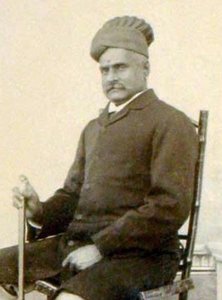
राजा रवि वर्मा
1848 - 1906 , भारत
मुख्य तथ्य
- Artistic Movement Or Style: शैक्षणिक और भारतीय संलयन
- Artists Or Movements Influenced By This Artist: ['आधुनिक भारतीय कला']
- Artists Who Influenced This Artist: ['यूरोपीय उस्ताद']
- Date Of Birth: 29 अप्रैल, 1848
- Date Of Death: 2 अक्टूबर, 1906
- Full Name: राजा रवि वर्मा
- Nationality: भारतीय
- Notable Artworks:
- हंसा दमयन्थी
- महारानी ऑफ त्रावणकोर
- शकुंतला
- एक सज्जन का चित्र
- Place Of Birth: किलिमानूर, भारत

