
 पूर्वावलोकन देखें
 भेजें
भेजें साझा करें
 विवरण देखें
 मार्गदर्शिका

 डाउनलोड करें
 समान वस्तुएं
 एक्स-रे
 स्लाइड शो देखें
 Q&A
Q&A आंकड़े
St Anne Altarpiece (central panel)

- 224.0 x 219.0 cm


 और पढ़ें
गिक्ली / आर्ट प्रिंट
तेज़ उत्पादन और विभिन्न फिनिश विकल्पों के साथ म्यूजियम-क्वालिटी गिकली (giclée) या कैनवस प्रिंट। ( हाथ से बनी पेंटिंग खरीदें डिजिटल इमेज पर जाएँ)




P118B ₹10

P118H ₹10

P118W ₹10

P438Z ₹10

P508JH ₹12

P508YH ₹12

P805H ₹10

P805Z ₹10

P919BZ ₹10

P919G ₹10

P919XJ ₹10

P959ZH ₹10

P968JZ ₹12

W106C ₹8

W218G ₹10

W218JH ₹8

W218Y ₹10

W307PJ ₹10

W316G ₹10

W316PJ ₹8

W316Y ₹10

W398PJ ₹8

W4111J ₹10

W500HY ₹15

W500JH ₹15

W692G ₹12

W849H ₹8

W940BG ₹15

W953PJ ₹8




कलाकृति के मूल अनुपात से मेल खाने वाले हमारे पूर्व निर्धारित आकारों में से चुनें।

अपने फ्रेम या अपनी दीवार के अनुसार आवश्यक चौड़ाई और ऊंचाई दर्ज करें। प्रिंट को केवल काटा जा सकता है, चित्र से बड़ा कभी नहीं बनाया जा सकता, इसलिए अलग आकार का साइज चित्र का एक हिस्सा खो देता है। किसी भी चीज़ को प्रिंट करने से पहले हम आपकी स्वीकृति के लिए आपको एक डिजिटल मॉकअप भेजते हैं। इस पृष्ठ पर दिखाया गया चित्र वास्तविक कटिंग नहीं दिखाता है — केवल मॉकअप ही इसे दर्शाता है।
विश्वव्यापी डिलीवरी (), मानक 4/5 सप्ताह के बजाय मात्र 2 सप्ताह में। (31 अक्टूबर)

दुनिया भर में मुफ़्त एक्सप्रेस शिपिंग

प्रीमियम ग्रेड लिनेन कैनवास

पूर्ण शिपिंग बीमा

सीमा शुल्क और आयात कर वापसी की गारंटी

सटीक रंग मिलान की गारंटी

100 दिनों की वापसी नीति (केवल निर्माण दोष होने पर)

100% पैसे वापसी की गारंटी

थोक छूट का अवसर
 ग्लास का विकल्प केवल 110 सेमी से कम आकार में ही उपलब्ध है।

St Anne Altarpiece (central panel)
गिक्ली / आर्ट प्रिंट
प्रतिकृति का आकार
-


कुल मूल्य
₹ 7710
The St Anne Altarpiece: A Window into Renaissance Devotion
Quentin Massys’s “St Anne Altarpiece (central panel),” completed in 1509, is more than just a religious painting; it's a meticulously crafted microcosm of late medieval and early Renaissance ideals. Commissioned by the Confraternity of St Anne in Leuven, Belgium, this monumental work offers a profound glimpse into the spiritual life, social dynamics, and artistic innovations of its time. Measuring an impressive 224 x 219 cm, the central panel immediately commands attention with its rich palette, intricate detail, and carefully orchestrated composition – a testament to Massys’s skill as both a painter and a master of visual storytelling.
The scene depicted is centered around St Anne, the Virgin Mary's mother, revered for her piety and role as a model of domestic virtue. She sits serenely within a grand architectural setting, reminiscent of Italianate design – a deliberate nod to the burgeoning influence of Renaissance architecture on Northern European art. Surrounding her are her family: the infant Jesus nestled in her arms, Mary Cleophas (Mary Magdalene) and Mary Salome, both young women adorned in luxurious fabrics and jewels. The inclusion of these figures isn’t merely decorative; it underscores the importance of lineage, faith, and familial devotion within the context of 16th-century piety. The overall atmosphere is one of dignified reverence, a carefully constructed tableau designed to inspire contemplation and foster a sense of connection with the sacred.
A Symphony of Technique: Massys’s Renaissance Vision
Massys's mastery lies not only in his subject matter but also in his innovative technique. He skillfully employed oil paints – a relatively new medium at the time – to achieve unprecedented levels of realism and luminosity. Note the subtle gradations of color, the delicate rendering of fabrics, and the meticulous detail lavished upon each figure’s face and expression. The use of *sfumato*, a technique borrowed from Leonardo da Vinci, creates an atmospheric haze that softens edges and imbues the scene with a sense of depth and realism. The architectural background, painted in trompe-l'oeil fashion, further enhances this illusionistic effect, blurring the boundaries between reality and representation.
Furthermore, Massys demonstrates a keen understanding of perspective – a key element of Renaissance art. The receding planes of the architecture create a convincing sense of space, drawing the viewer’s eye into the scene. The figures are arranged in a pyramidal composition, lending stability and harmony to the overall design. This careful attention to detail reflects Massys's commitment to capturing not just the outward appearance but also the inner essence of his subjects.
Symbolism and Social Commentary
Beyond its religious subject matter, the altarpiece is rich in symbolic meaning. The inclusion of various saints, prophets, and biblical figures – such as David, representing Christ’s lineage – serves to reinforce the narrative of salvation and divine grace. The presence of wealthy patrons like Joost Vijdt and his wife Lysbette, depicted as donors on the wings of the altarpiece, highlights the close relationship between art and patronage during this period. It also subtly reflects the rising prominence of a new merchant class in Antwerp, eager to demonstrate their piety and social standing through artistic commissions.
The depiction of St Anne’s family is particularly noteworthy. The inclusion of her three daughters – Mary Cleophas, Mary Salome, and the young cousin of Jesus – represents the continuity of faith across generations. Each figure embodies different aspects of womanhood—the devout mother, the penitent Magdalene, and the youthful bride—reflecting the multifaceted roles women played in Renaissance society.
A Legacy of Innovation
The “St Anne Altarpiece” stands as a pivotal work in the development of Flemish painting. Massys’s innovative use of oil paint, his mastery of perspective, and his skillful integration of Italianate architectural elements foreshadowed the emergence of the Antwerp School – a vibrant artistic movement that would profoundly influence generations of artists. This altarpiece is not merely a devotional image; it's a window into a complex and dynamic society—a testament to the enduring power of art to reflect, shape, and inspire.
प्रश्न और उत्तर
"St Anne Altarpiece (central panel)" किस रंग योजना और किस भावना का मेल है?
क्वेंटिन मैसिस द्वारा "St Anne Altarpiece (central panel)" का Earthy पैलेट इसके Tranquil भावनात्मक स्वर के साथ पूरी तरह मेल खाता है। रंग उन तरीकों में से एक है जिससे कोई कलाकृति भावनाओं को व्यक्त करती है।
क्वेंटिन मैसिस द्वारा "St Anne Altarpiece (central panel)" में कंट्रास्ट का स्तर क्या है?
क्वेंटिन मैसिस द्वारा "St Anne Altarpiece (central panel)" के प्रकाशमय और गहरे क्षेत्रों के बीच एक Statement कंट्रास्ट दिखाई देता है।
क्या क्वेंटिन मैसिस द्वारा "St Anne Altarpiece (central panel)" के रंग गहरे और चमकीले हैं या हल्के और सौम्य?
क्वेंटिन मैसिस द्वारा "St Anne Altarpiece (central panel)" को Balanced Soft संतृप्ति (saturation) के साथ रिकॉर्ड किया गया है।
कलाकार का परिचय
क्वेंटिन मैसिस: एंटवर्प पुनर्जागरण के अग्रणी
क्वेंटिन मैसिस, जिन्हें मत्स्यस, मेट्सिस या मेस्सीस भी कहा जाता है, एक फ्लेमिश चित्रकार थे जो एंटवर्प स्कूल की स्थापना करने वाले प्रमुख व्यक्तियों में से एक माने जाते हैं – यह एक जीवंत कला आंदोलन था जिसने उच्च पुनर्जागरण के दौरान उत्तरी यूरोपीय चित्रकला को नया जीवन दिया। उनका जन्म लगभग 1466 में लेउवेन, बेल्जियम में हुआ था, और उनकी प्रारंभिक जीवन कहानी किंवदंतियों से घिरी हुई है, जो ऐतिहासिक अभिलेखों में स्पष्ट रूप से दर्ज नहीं है। इस अस्पष्टता के बावजूद, विद्वानों का आम सहमति है कि वे कलाकारों के परिवार से थे और संभवतः चित्रकला को समर्पित करने से पहले लोहार के रूप में प्रशिक्षित हुए थे। यह दोहरी कुशलता – धातु कार्य और कलात्मक प्रतिभा का संयोजन – पुनर्जागरण संरक्षण और शिल्प कौशल की व्यावहारिक वास्तविकताओं पर प्रकाश डालता है।प्रारंभिक जीवन और कलात्मक प्रशिक्षण
मैसिस के शुरुआती वर्षों के बारे में जानकारी दुर्लभ है, जिससे उनकी परवरिश और प्रारंभिक कलात्मक झुकावों को लेकर अटकलें लगाई जाती हैं। हालांकि, सबूत बताते हैं कि उन्होंने डिरक बौट्स से शिक्षा प्राप्त की थी, जो एक महत्वपूर्ण कलाकार थे जिन्होंने हंस मेमलिंग और रोगियर वैन डेर वेडेन के शैलीगत नवाचारों को लेउवेन में बढ़ावा दिया था। इन प्रभावशाली गुरुओं के संपर्क ने निस्संदेह मैसिस की कलात्मक संवेदनशीलता को आकार दिया और उन्हें युग की व्यापक मानवतावादी परंपरा के भीतर स्थापित किया। मेमलिंग और वान आइक् का प्रभाव उनके बाद के कार्यों में स्पष्ट है, जो रचना सिद्धांतों और सूक्ष्म विस्तार की समझ को दर्शाता है जिसने उत्तरी पुनर्जागरण कला की सर्वोत्तम उपलब्धियों को चिह्नित किया था।शैली और प्रभाव: यथार्थवाद और व्यंग्य को अपनाना
मैसिस की कलात्मक शैली लगभग 1490 में लेउवेन से एंटवर्प जाने के बाद महत्वपूर्ण रूप से विकसित हुई। एंटवर्प में, उन्होंने वान आइक् और वैन डेर वेडेन – उन कलाकारों के अनुरूप फ्लेमिश चित्रकला का पुनरुद्धार किया जिन्होंने अवलोकन और अभिव्यंजक यथार्थवाद पर आधारित एक मूलभूत सौंदर्य स्थापित किया था। अपने समकालीनों के विपरीत जो आदर्श चित्रणों में व्यस्त थे, मैसिस ने मानव शरीर रचना और भावनाओं के निर्भीक चित्रण को अपनाया, जो मानवतावादी जोर पर अनुभवजन्य ज्ञान और मनोवैज्ञानिक गहराई को दर्शाता है। उनकी सबसे प्रसिद्ध उपलब्धियां उनके व्यंग्यात्मक चित्रों में निहित हैं, विशेष रूप से “द अग्ली डचेस”, जो बुद्धिमान दृश्य टिप्पणी के माध्यम से अभिजात वर्ग समाज की जटिलताओं को खूबसूरती से पकड़ता है। यह कार्य मैसिस की कलात्मक कौशल को बौद्धिक जुड़ाव के साथ मिलाने की क्षमता का उदाहरण देता है – एंटवर्प पुनर्जागरण कला का एक हॉलमार्क।प्रमुख कार्य: कलात्मक दृष्टि को दर्शाने वाली उत्कृष्ट कृतियाँ
मैसिस की विरासत उल्लेखनीय चित्रों के एक संग्रह पर टिकी हुई है जो आज भी दर्शकों को मोहित करते हैं। उनकी सबसे प्रतिष्ठित रचनाओं में से “सेंट ऐनी ऑल्टारपीस” ब्रसेल्स म्यूज रॉयल डेस बेउक्स-आर्ट्स में स्थित है, और “द मनीलेंडर एंड हिज़ वाइफ”, वर्तमान में लौवर संग्रहालय में निवास कर रहा है। ये उत्कृष्ट कृतियाँ मैसिस की तकनीक – विशेष रूप से तेल चित्रकला – में अद्वितीय महारत को प्रदर्शित करती हैं और प्रतीकवाद और दृश्य कहानी कहने की गहरी समझ का प्रदर्शन करती हैं। बनावट और वस्त्रों के सावधानीपूर्वक प्रतिपादन, सूक्ष्म भावनात्मक अभिव्यक्तियों के साथ संयुक्त, मैसिस की मानव अनुभव को पकड़ने की प्रतिबद्धता को रेखांकित करता है। इसके अतिरिक्त, उनके कार्य ने बाद की पीढ़ियों के कलाकारों के लिए प्रेरणा प्रदान की, जिससे फ्लेमिश कलात्मक विरासत में उनका स्थान मजबूत हुआ।ऐतिहासिक महत्व: एंटवर्प के कलात्मक परिदृश्य को आकार देना
क्वेंटिन मैसिस ने एंटवर्प को पुनर्जागरण कला के एक प्रमुख केंद्र के रूप में स्थापित करने में एक अनिवार्य भूमिका निभाई। उन्होंने कलाकारों के बीच एक सहयोगात्मक वातावरण को बढ़ावा दिया – एक परंपरा जिसने एंटवर्प की प्रतिष्ठा को “एंटवर्प स्कूल” के रूप में आगे बढ़ाया – और यूरोप भर से प्रतिभाओं को आकर्षित किया। उनका प्रभाव शैलीगत नवाचार से परे फैला; उन्होंने मानवतावादी आदर्शों का समर्थन किया और कला समुदाय के भीतर बौद्धिक प्रवचन को बढ़ावा दिया, जिससे 15वीं शताब्दी के व्यापक सांस्कृतिक परिवर्तन में योगदान हुआ। मैसिस की स्थायी विरासत न केवल उनकी आश्चर्यजनक पेंटिंग में निहित है बल्कि एंटवर्प की कलात्मक पहचान को आकार देने में उनके योगदान में भी निहित है – उनकी दूरदर्शी नेतृत्व और कलात्मक उत्कृष्टता के प्रति अटूट समर्पण का प्रमाण।
क्वेंटिन मैसिस
1466 - 1530 , बेल्जियम
संक्षिप्त जानकारी
- इस कलाकार से प्रभावित कलाकार: ['हंस मेमलिंग']
- कला आंदोलन या शैली: एंटवर्प स्कूल
- जन्म तिथि: Leuven, बेल्जियम (लगभग 1466)
- जन्म स्थान: Leuven, बेल्जियम
- पूरा नाम: क्वेंटिन मैसीस
- प्रभावित कलाकारों की सूची: ['डिरक बौट्स']
- प्रमुख कलाकृतियाँ:
- सेंट ऐनी वेदीपीठ
- धन उधार देने वाला और उसकी पत्नी
- मृत्यु तिथि: 1530
- राष्ट्रीयता: फ़्लैंडिश
संबंधित लेखों की सूची

एल ग्रीको की शीर्ष 25 उत्कृष्ट कृतियाँ: कला, इतिहास और घर सजावट के लिए प्रेरणा
एल ग्रीको की शीर्ष 25 पेंटिंग देखें! स्पेनिश चित्रकार एल ग्रीको के धार्मिक कला, बारोक शैली और अद्वितीय कैनवास प्रिंट्स का अन्वेषण करें। घर सजावट के लिए प्रेरणा पाएं और OriginalUniqueArt.com पर उत्कृष्ट कृतियों को खोजें।

जियोतो डि बॉन्डोन की 25 उत्कृष्ट कृतियाँ: कला, इतिहास और आपके घर के लिए प्रेरणा
जियोतो डि बॉन्डोन की 25 सर्वश्रेष्ठ पेंटिंग देखें! मध्यकालीन कला और पुनर्जागरण के जादू का अनुभव करें। स्क्रोवेग्नी चैपल से लेकर फ्लोरेंस की विरासत तक, हर कृति एक कहानी कहती है। OriginalUniqueArt.com पर उच्च गुणवत्ता वाले कला प्रिंट खोजें।

फ्रा एंजेलिको की शीर्ष 25 उत्कृष्ट कृतियाँ: कला, आध्यात्मिकता और घर सजावट
फ्रा एंजेलिको की शीर्ष 25 कृतियों का अन्वेषण करें! पुनर्जागरण कला, धार्मिक चित्रकला और स्वर्गीय सौंदर्य से भरपूर ये उत्कृष्ट फ्रेस्को और पैनल पेंटिंग आपको मंत्रमुग्ध कर देंगे। OriginalUniqueArt.com पर उच्च-गुणवत्ता कला प्रतिकृतियाँ खोजें।

Mastering Detail: A Guide to the Timeless Beauty and Technical Brilliance of Flemish Painting
Explore the exquisite precision of Flemish painting. From Jan van Eyck to Robert Campin, discover the revolutionary oil techniques and rich symbolism that defined the Northern Renaissance and continue to inspire fine art collectors today.
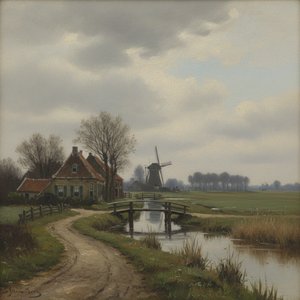
Jacob Henricus Maris: A Master of Dutch Atmospheric Realism & the Intimate Landscape
Explore the captivating world of Jacob Henricus Maris, a leading figure of the Dutch Hague School. Discover his atmospheric landscapes, signature brushstrokes & lasting influence on 19th-century art. Learn more at OriginalUniqueArt.