

 पूर्वावलोकन देखें
 भेजें
भेजें साझा करें
 विवरण देखें
 मार्गदर्शिका

 डाउनलोड करें
 समान वस्तुएं
 एक्स-रे
 स्लाइड शो देखें
 आंकड़े
The Tailor


 और पढ़ें
गिक्ली / आर्ट प्रिंट
तेज़ उत्पादन और विभिन्न फिनिश विकल्पों के साथ म्यूजियम-क्वालिटी गिकली (giclée) या कैनवस प्रिंट। ( हाथ से बनी पेंटिंग खरीदें डिजिटल इमेज पर जाएँ)




P118B ₹10

P118H ₹10

P118W ₹10

P438Z ₹10

P508JH ₹12

P508YH ₹12

P805H ₹10

P805Z ₹10

P919BZ ₹10

P919G ₹10

P919XJ ₹10

P959ZH ₹10

P968JZ ₹12

W106C ₹8

W218G ₹10

W218JH ₹8

W218Y ₹10

W307PJ ₹10

W316G ₹10

W316PJ ₹8

W316Y ₹10

W398PJ ₹8

W4111J ₹10

W500HY ₹15

W500JH ₹15

W692G ₹12

W849H ₹8

W940BG ₹15

W953PJ ₹8




कलाकृति के मूल अनुपात से मेल खाने वाले हमारे पूर्व निर्धारित आकारों में से चुनें।

अपने फ्रेम या अपनी दीवार के अनुसार आवश्यक चौड़ाई और ऊंचाई दर्ज करें। प्रिंट को केवल काटा जा सकता है, चित्र से बड़ा कभी नहीं बनाया जा सकता, इसलिए अलग आकार का साइज चित्र का एक हिस्सा खो देता है। किसी भी चीज़ को प्रिंट करने से पहले हम आपकी स्वीकृति के लिए आपको एक डिजिटल मॉकअप भेजते हैं। इस पृष्ठ पर दिखाया गया चित्र वास्तविक कटिंग नहीं दिखाता है — केवल मॉकअप ही इसे दर्शाता है।
विश्वव्यापी डिलीवरी (), मानक 4/5 सप्ताह के बजाय मात्र 2 सप्ताह में। (25 अक्टूबर)

दुनिया भर में मुफ़्त एक्सप्रेस शिपिंग

प्रीमियम ग्रेड लिनेन कैनवास

पूर्ण शिपिंग बीमा

सीमा शुल्क और आयात कर वापसी की गारंटी

सटीक रंग मिलान की गारंटी

100 दिनों की वापसी नीति (केवल निर्माण दोष होने पर)

100% पैसे वापसी की गारंटी

थोक छूट का अवसर
 ग्लास का विकल्प केवल 110 सेमी से कम आकार में ही उपलब्ध है।

The Tailor
गिक्ली / आर्ट प्रिंट
प्रतिकृति का आकार
-


कुल मूल्य
₹ 7670
A Glimpse into Venetian Life: Pietro Longhi’s “The Tailor”
Pietro Longhi's "The Tailor," painted in 1741, isn’t merely a portrait; it’s a meticulously crafted window into the bustling, sophisticated world of 18th-century Venice. Often dubbed the ‘Venetian Hogarth,’ Longhi possessed a remarkable talent for capturing the everyday dramas and social nuances of his time – a departure from the grand historical narratives favored by many of his contemporaries. This particular work, housed within the Gallerie dell’Accademia in Venice, offers an intimate study of bourgeois society, revealing a keen eye for detail and a subtle, often satirical, commentary on the era's customs and values.
The scene unfolds within a richly appointed interior, characteristic of Rococo design – a style defined by its opulence, elegance, and focus on refined leisure. The composition centers around a family group, presided over by a man presumably engaged in overseeing the work of a tailor. A young girl stands beside him, while a servant attends to their needs. The figures are arranged with a deliberate formality, yet there’s an undeniable sense of relaxed intimacy, suggesting a domestic setting of considerable wealth and status. The linear precision of the architecture – the fireplace, wall paneling, and even the folds of clothing – is balanced by the organic forms of the human figures and the luxurious drapery that dominates the space.
The Art of Venetian Genre Painting
Longhi’s genius lay in his specialization in *genre* paintings—a genre largely pioneered by artists like Giuseppe Maria Crespi. Unlike the idealized portraits or mythological scenes prevalent at the time, Longhi focused on capturing ordinary life: gambling dens, fashionable salons, and the interactions of everyday Venetians. This shift reflected a broader cultural trend – a growing interest in the private sphere and the lives of the middle classes. His work provides invaluable insight into the social customs, fashion trends, and even the gossip of the time, offering a remarkably detailed portrait of Venetian society.
The painting’s technique is a testament to Longhi's mastery of oil paint. Notice the meticulous layering of colors, creating a remarkable sense of texture – from the velvet upholstery to the shimmering fabric of the tailor’s garment. The use of light is particularly effective, casting subtle shadows that add depth and volume to the figures and objects within the scene. The slightly flattened perspective, typical of portraiture during this period, prioritizes clarity of form over strict realism, allowing Longhi to convey a sense of immediacy and engagement.
Symbolism and Social Commentary
Beyond its aesthetic qualities, “The Tailor” is rich in symbolic meaning. The presence of the portrait on the wall – depicting a male ancestor – immediately establishes a lineage of wealth and status. The elaborate clothing worn by the family members signifies their social standing and access to luxury. However, Longhi doesn’t simply present a straightforward celebration of wealth; there's an underlying current of observation and perhaps even gentle critique. The slightly bewildered expression on the young girl’s face, coupled with the servant’s attentive posture, hints at the complexities of social roles and expectations within this privileged household.
The inclusion of the tailor himself is particularly noteworthy. He represents a skilled artisan – a vital part of Venetian society – yet he's presented as somewhat detached from the family's immediate concerns. This subtle positioning suggests a commentary on the relationship between labor, wealth, and social hierarchy. Furthermore, the painting’s numerous faceless figures—often masked—add another layer of intrigue, hinting at the hidden realities and unspoken conversations that likely transpired behind closed doors in this opulent setting.
A Legacy of Venetian Observation
Pietro Longhi's “The Tailor” stands as a quintessential example of Venetian genre painting – a vibrant snapshot of daily life captured with remarkable skill and insight. His work, alongside that of his contemporaries like Canaletto and Guardi, offers an unparalleled glimpse into the social fabric of 18th-century Venice. Longhi’s legacy extends beyond individual masterpieces; he fundamentally shifted the focus of Venetian painting, moving away from grand historical narratives towards a more intimate and nuanced exploration of human experience. Reproductions of this captivating work continue to resonate with art lovers today, offering a timeless reminder of the beauty and complexity of everyday life.
प्रश्न और उत्तर
क्या छात्रों के लिए पिएत्रो लॉन्घी द्वारा "The Tailor" के बारे में कोई फैक्टशीट उपलब्ध है?
पिएत्रो लॉन्घी द्वारा "The Tailor" के लिए एक मार्गदर्शिका पेज उपलब्ध है: कलाकृति के बारे में एक प्रिंट करने योग्य फैक्टशीट, जिसे छात्रों और कक्षा में उपयोग के लिए डिज़ाइन किया गया है।
पिएत्रो लॉन्घी द्वारा "The Tailor" के रंग किस तरह की भावना पैदा करते हैं?
पिएत्रो लॉन्घी द्वारा "The Tailor" का Earthy पैलेट इसके Nostalgic भावनात्मक स्वर के साथ पूरी तरह मेल खाता है। रंग उन तरीकों में से एक है जिससे कोई कलाकृति भावनाओं को व्यक्त करती है।
मैं पिएत्रो लॉन्घी द्वारा "The Tailor" के समान अन्य कलाकृतियाँ कैसे खोज सकता हूँ?
पिएत्रो लॉन्घी द्वारा "The Tailor" का समान कलाकृतियाँ पेज संबंधित कलाकृतियाँ प्रस्तुत करता है।
कलाकार का परिचय
वेनिस के एक कालचित्रकार: पिएत्रो लांगी का जीवन और कला
पिएत्रो लांगी, जिनका जन्म 5 नवंबर 1701 को वेनिस में पिएत्रो फाल्का के नाम से हुआ था, भव्य ऐतिहासिक कथाओं या पौराणिक दृश्यों को चित्रित करने में रुचि नहीं रखते थे; बल्कि वे शहर के सुरुचिपूर्ण घरों और व्यस्त सड़कों के भीतर घटित होने वाले शांत नाटकों को कैद करते थे। वह 18वीं शताब्दी के वेनिसवासियों के जीवन की अंतरंग झलकियाँ दिखाने वाली अपनी विनोदी शैली चित्रों के लिए प्रसिद्ध हुए, जो उस समय की प्रचलित कला प्रवृत्तियों से एक विचलन था। अलेसांद्रो फाल्का के पुत्र, जो एक रजतकर्मी थे, लांगी का प्रारंभिक प्रशिक्षण वेरोनीज़ चित्रकार एंटोनियो बालेस्ट्रा के तहत शुरू हुआ, जिन्होंने युवा कलाकार की प्रतिभा को पहचाना और उसे बढ़ावा दिया। पारंपरिक तकनीक में यह नींव बाद में उनके चुने हुए विषय वस्तु के लिए एक सूक्ष्म प्रतिवाद के रूप में काम करेगी। उन्होंने अपने कला करियर की शुरुआत करते समय “लांगी” उपनाम अपनाया, जो उनके पिता के पेशे से दूर रहकर चित्रकला के जुनून को अपनाने का प्रतीक था।धार्मिक दृश्यों से वेनिस के आंतरिक भाग तक
लांगी के शुरुआती कार्यों ने युग की अपेक्षाओं को दर्शाया: वेदी चित्रों और धार्मिक विषयों पर उनका प्रभुत्व था। 1732 में सैन पेलेग्रिनो चर्च के लिए उनका वेदी चित्र पारंपरिक तकनीकों में कुशलता का प्रदर्शन करता है, जो वेनिस पेंटिंग की विशेषता वाले टूटे हुए ब्रशवर्क और जीवंत रंग शीशे को दर्शाता है। हालाँकि, यह 1730 के दशक के अंत में था कि लांगी ने वास्तव में अपनी आवाज पाई, छोटे पैमाने पर शैली चित्रों की ओर रुख किया जिसने उनकी विरासत को परिभाषित किया। इस परिवर्तन में केवल विषय वस्तु में बदलाव नहीं था; इसने समय के उभरते सामाजिक और सांस्कृतिक परिवर्तनों के साथ जानबूझकर जुड़ाव का प्रतिनिधित्व किया। 18वीं शताब्दी में बुर्जुआ वर्ग के निजी जीवन में बढ़ती रुचि देखी गई, घरेलूता और दैनिक अनुष्ठानों पर ध्यान केंद्रित किया गया। लांगी ने इस परिवर्तन को कुशलता से कैद किया, दर्शकों को वेनिस समाज की एक खिड़की प्रदान करते हुए जो आकर्षक और सूक्ष्म रूप से व्यंग्यात्मक दोनों थी। उन्होंने 1732 में कैटरिना मारिया रिज़ी से शादी की, और उनके साथ ग्यारह बच्चे थे, जिनमें से केवल तीन वयस्कता तक जीवित रहे। उनका व्यक्तिगत जीवन, हालांकि सीधे उनकी कला में प्रतिबिंबित नहीं होता है, निस्संदेह घरेलू क्षेत्र की उनकी समझ को आकार देता था जिसे उन्होंने इतनी बार चित्रित किया था।“वेनिस के होगार्थ” और एक व्यंग्यात्मक दृष्टि
लांगी ने जल्दी ही “विलियम होगार्थ के वेनिस” की उपाधि अर्जित कर ली, जो उनकी प्रतीत होने वाली निर्दोष दृश्यों में सामाजिक टिप्पणी की परतों को भरने की क्षमता का प्रमाण था। होगार्थ की तरह, लांगी मानव मूर्खताओं और सामाजिक विरोधाभासों को चित्रित करने से नहीं कतराते थे। हालाँकि, जबकि होगार्थ का व्यंग्य अक्सर तीखा और उपदेशात्मक होता था, लांगी का अधिक सूक्ष्म होता था, एक सौम्य विडंबना से भरा होता था। उनकी पेंटिंग मुखौटे पहने हुए पात्रों से भरी हैं - वेनिस के सर्वव्यापी कार्निवल समारोहों को श्रद्धांजलि - विभिन्न गतिविधियों में लगे हुए हैं, जुआ और छेड़छाड़ से लेकर गुप्त बैठकों और संदिग्ध लेनदेन तक। उदाहरण के लिए, द लेटर एक ऐसा दृश्य प्रस्तुत करता है जो निहित अनुचितता से भरा है, जो वेनिस समाज की छिपी धाराओं का संकेत देता है। वह केवल जीवन को जैसा था वैसा ही रिकॉर्ड नहीं कर रहे थे; वह इसकी जटिलताओं और विरोधाभासों पर एक चतुर टिप्पणी पेश कर रहे थे। उनकी सूक्ष्म बारीकियों को पकड़ने की क्षमता उन्हें अलग करती है, उनकी शैली चित्रों को मात्र प्रलेखन से परे अंतर्दृष्टिपूर्ण सामाजिक टिप्पणियों के रूप में ऊंचा करती है।तकनीक, प्रभाव और स्थायी विरासत
लांगी की तकनीक उनके विषय वस्तु जितनी विशिष्ट थी। उन्होंने छोटे कैनवस का पक्ष लिया, जो एक नाजुक स्पर्श और विस्तार पर गहरी नजर के साथ सावधानीपूर्वक प्रस्तुत किए गए थे। उनके आंतरिक भाग नरम रोशनी में नहाए हुए हैं, जो अंतरंगता और यथार्थवाद का वातावरण बनाते हैं। उनमें बनावटों को चित्रित करने की उल्लेखनीय क्षमता थी - रेशम की चमक, लकड़ी की खुरदरापन, कपड़े की नाजुक सिलवटें - उनके दृश्यों में गहराई और प्रामाणिकता जोड़ती है। पहले वेनिस के स्वामी जैसे ग्यूसेप मारिया क्रेस्पी से प्रभावित होकर, लांगी ने अपना रास्ता बनाया, शैली चित्रकला में बाद के विकास का अनुमान लगाया। उनका काम समकालीन दर्शकों के साथ प्रतिध्वनित हुआ, जिन्होंने उनके समय की भावना को पकड़ने की उनकी क्षमता की सराहना की। उन्होंने 1763 से ड्राइंग और नक्काशी अकादमी के निदेशक के रूप में भी कार्य किया, जिससे वेनिस कला जगत के भीतर उनकी स्थिति और मजबूत हुई। उनका बेटा, अलेसांद्रो लांगी, एक चित्रकार भी बने, बाद के पोर्ट्रेट कमीशन में उनकी सहायता की। पिएत्रो लांगी का निधन 8 मई, 1785 को हुआ, उन्होंने एक ऐसा काम छोड़ दिया जो आज भी दर्शकों को मोहित करता है और उन्हें आकर्षित करता रहता है। वह वेनिस कला के इतिहास में एक महत्वपूर्ण व्यक्ति बने हुए हैं, जो अवलोकन, बुद्धि और तकनीकी कौशल के उनके अनूठे मिश्रण के लिए मनाए जाते हैं - 18वीं शताब्दी के जीवन के सच्चे कालचित्रकार।प्रमुख कार्य
- द टेलर (गैलरी डेले'अकाडेमिया, वेनिस)
- बपतिस्मा (फोंडाज़ियोने क्वेरिनी स्टैम्पलिया, वेनिस)
- पेंटर इन हिज स्टूडियो (कै’जेनोबियो, वेनिस)
- द कॉन्सर्ट
- द चार्लेटन
- एक गैंडे की प्रदर्शनी (नेशनल गैलरी, लंदन)

पिएत्रो लॉन्घी
1701 - 1785 , भारत
संक्षिप्त जानकारी
- Artistic Movement Or Style: वेनेशियन पेंटिंग, रोकोको
- Artists Or Movements Influenced By This Artist: ['विलियम होगार्थ']
- Artists Who Influenced This Artist:
- एंटोनियो बालेस्ट्रा
- गिउसेप्पे मारिया क्रेस्पी
- Date Of Birth: 5 नवंबर 1701
- Date Of Death: 8 मई 1785
- Full Name: पिएत्रो लाँघी
- Nationality: इतालवी
- Notable Artworks (List Of Titles):
- द टेलर
- द बैप्टिज्म
- पेंटर इन हिज स्टूडियो
- Place Of Birth (City And Country): वेनिस, इटली
संबंधित लेखों की सूची

Pietro Longhi's Venetian Scenes: A Study of Rococo Society & Domestic Life
Explore the captivating world of Pietro Longhi's Venetian scenes! Discover insightful analysis of his Rococo masterpieces & social commentary on 18th-century life. Learn about this 'Venetian Hogarth' and his lasting artistic legacy.

रोकोको कला: शीर्ष 10 उत्कृष्ट कृतियाँ जो परिभाषित करती हैं | OriginalUniqueArt
रोकोको कला की दुनिया में कदम रखें! शीर्ष 10 उत्कृष्ट कृतियों का अन्वेषण करें जिन्होंने इस भव्य कला आंदोलन को परिभाषित किया। कलाकार, तकनीक और सौंदर्यशास्त्र जानें। OriginalUniqueArt.com पर संग्रहालय-गुणवत्ता वाले आर्ट रिप्रोडक्शन और सजावट के विचार खोजें।

Francesco Guardi: Venetian Light, Atmospheric Perspective & the Rococo to Neoclassical Transition
Explore the captivating world of Francesco Guardi, master of Venetian light and atmosphere. Discover his transition from Rococo to Neoclassicism, influence on Impressionism & investment potential with OriginalUniqueArt.
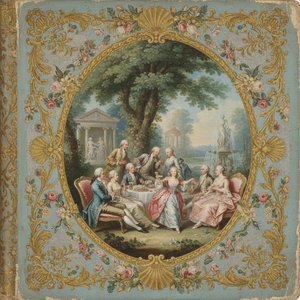
The Rococo Style: Aristocratic Leisure & the Pursuit of Delight in 18th-Century Art
Explore the opulent world of Rococo art! Discover Watteau, Boucher & Nattier's masterpieces. Expert insights for collectors seeking museum-quality reproductions and custom portraits at OriginalUniqueArt.

The Rococo Aesthetic: Opulence, Rebellion & the Pursuit of Pleasure in 18th-Century Art
Explore the opulent world of Rococo art! Discover its origins, key artists like Watteau & Boucher, and lasting influence on design. Expert insights for collectors & enthusiasts.