
 पूर्वावलोकन देखें
 साझा करें
 साझा करें
 विस्तृत विवरण
 मार्गदर्शिका

 डाउनलोड करें
 समान वस्तुएं
 एक्स-रे
 स्लाइड शो देखें
 Q&A
Q&A आंकड़े
Desidia (Sloth), 1557


 पूरा देखें
गिक्ली / आर्ट प्रिंट
तेज़ उत्पादन और विभिन्न फिनिश विकल्पों के साथ म्यूजियम-क्वालिटी गिकली (giclée) या कैनवस प्रिंट। ( इस संग्रहणीय वस्तु की हाथ से बनी प्रतिकृति मंगवाएं डिजिटल इमेज पर स्विच करें)




P118B ₹10

P118H ₹10

P118W ₹10

P438Z ₹10

P508JH ₹12

P508YH ₹12

P805H ₹10

P805Z ₹10

P919BZ ₹10

P919G ₹10

P919XJ ₹10

P959ZH ₹10

P968JZ ₹12

W106C ₹8

W218G ₹10

W218JH ₹8

W218Y ₹10

W307PJ ₹10

W316G ₹10

W316PJ ₹8

W316Y ₹10

W398PJ ₹8

W4111J ₹10

W500HY ₹15

W500JH ₹15

W692G ₹12

W849H ₹8

W940BG ₹15

W953PJ ₹8




कलाकृति के मूल अनुपात से मेल खाने वाले हमारे पूर्व निर्धारित आकारों में से चुनें।

अपने फ्रेम या अपनी दीवार के अनुसार आवश्यक चौड़ाई और ऊंचाई दर्ज करें। प्रिंट को केवल काटा जा सकता है, चित्र से बड़ा कभी नहीं बनाया जा सकता, इसलिए अलग आकार का साइज चित्र का एक हिस्सा खो देता है। किसी भी चीज़ को प्रिंट करने से पहले हम आपकी स्वीकृति के लिए आपको एक डिजिटल मॉकअप भेजते हैं। इस पृष्ठ पर दिखाया गया चित्र वास्तविक कटिंग नहीं दिखाता है — केवल मॉकअप ही इसे दर्शाता है।
विश्वव्यापी डिलीवरी (), मानक 4/5 सप्ताह के बजाय मात्र 2 सप्ताह में। (2 नवमबर)

दुनिया भर में मुफ़्त एक्सप्रेस शिपिंग

उच्च गुणवत्ता वाला लिनेन कैनवास

पूर्ण शिपिंग बीमा

सीमा शुल्क और आयात कर वापसी की गारंटी

सटीक रंग मिलान की गारंटी

100 दिनों की वापसी नीति (केवल दोष होने पर)

100% पैसे वापसी की गारंटी

थोक छूट का अवसर
 ग्लास का विकल्प केवल 110 सेमी से कम आकार में ही उपलब्ध है।

Desidia (Sloth), 1557
गिक्ली / आर्ट प्रिंट
प्रतिकृति का आकार
-


कुल देय राशि
₹ 7715
A Tapestry of Inertia: The World Within Bruegel’s Desidia
In the vast, swirling landscape of Pieter Bruegel the Elder’s 1557 masterpiece, Desidia (Sloth), the viewer is not merely presented with a painting, but rather invited into a profound psychological state. At first glance, the composition appears to be a bustling tableau of Northern Renaissance life, yet beneath the surface of this lively scene lies a biting critique of human stagnation. Bruegel, a master of capturing the intricate dance between the mundane and the moral, utilizes a sprawling landscape to house a multitude of figures—men, women, animals, and even aquatic life—all caught in various states of aimless existence. It is a world where movement exists without purpose, and activity serves only to mask a deeper, more unsettling stillness.
The technique employed by Bruegel is nothing short of miraculous, showcasing a meticulous attention to detail that draws the eye through an endless labyrinth of narrative threads. Every brushstroke contributes to a sense of overwhelming abundance; one might find themselves mesmerized by the texture of a distant boat laden with goods or the subtle, weary expression on a figure lost in thought. This level of precision creates a sensory experience that is both immersive and exhausting, mirroring the very concept of sloth—a heavy, inescapable weight that settles over the landscape. For the collector or designer, this complexity offers an unparalleled depth, as the artwork reveals new secrets upon every subsequent viewing.
Symbolism and the Weight of the Human Condition
To gaze upon Desidia is to engage with the intellectual ferment of the mid-16th century. Created during a period where the High Renaissance was transitioning into the more stylized Mannerism, Bruegel’s work stands as a humanist observation of vice and virtue. The painting serves as a moralizing mirror, reflecting the anxieties of a society grappling with newfound wealth and the temptations of material luxury. The central personification of Sloth—often depicted through dozing figures or sluggish animals like the iconic donkey—acts as a focal point for a broader commentary on the loss of spiritual and civic purpose. Bruegel masterfully weaves visual proverbs into the scenery, where even a man stuck in a house or a group of gamblers at a tavern becomes a symbol of the soul's inertia.
There is an undeniable emotional resonance in how Bruegel balances the grotesque with the beautiful. He does not shy away from portraying the unpolished or the unsightly, yet he imbues the entire composition with a rhythmic, almost musical quality. This duality makes the piece particularly compelling for modern interiors; it possesses the gravitas of a historical document while maintaining a vibrant, living energy. It is an artwork that demands contemplation, challenging the viewer to reflect on their own relationship with ambition, productivity, and the quiet, often dangerous, allure of doing nothing at all.
An Eternal Masterpiece for the Discerning Eye
For those seeking to curate a space with profound narrative power, a high-quality reproduction of Desidia offers more than just decoration; it provides a window into the Renaissance mind. The painting’s ability to anchor a room with its historical weight and intricate storytelling makes it an ideal centerpiece for libraries, studies, or sophisticated living areas. It is a piece that speaks to the intellect and stirs the imagination, bridging the gap between the 16th-century Flemish landscape and the contemporary aesthetic of thoughtful, curated living.
Owning a tribute to Bruegel’s genius allows one to preserve the legacy of Northern European expression. Whether viewed as a study in Renaissance technique or as a profound philosophical statement on the nature of human behavior, Desidia remains an enduring icon of art history—a timeless reminder that even in our most idle moments, there is a complex and beautiful story unfolding.
प्रश्न और उत्तर
क्या पीटर ब्रुएगेल द एल्डर द्वारा "Desidia (Sloth), 1557" एक उज्ज्वल कलाकृति है या गहरे रंगों वाली?
कुल मिलाकर, "Desidia (Sloth), 1557" की चमक brilliant दर्ज की गई है। परोक्ष चमक (Perceived brightness) यह बताती है कि कलाकृति कितनी उज्ज्वल या गहरी दिखाई देती है।
क्या मैं "Desidia (Sloth), 1557" का अधिक विस्तार से निरीक्षण कर सकता हूँ?
पीटर ब्रुएगेल द एल्डर द्वारा "Desidia (Sloth), 1557" का एक्स-रे दृश्य कलाकृति के एक्स-रे विश्लेषण पृष्ठ पर उपलब्ध है: ग्यारह ऑप्टिकल परतों के माध्यम से छवि का एक संवादात्मक अन्वेषण।
"Desidia (Sloth), 1557" में किस रंग की प्रधानता है?
पीटर ब्रुएगेल द एल्डर द्वारा "Desidia (Sloth), 1557" में Ochre to Sepia रंग की प्रधानता है।
कलाकार की जीवनी
Pieter Bruegel the Elder: Renaissance Master of Landscapes and Peasant Life
Pieter Bruegel the Elder stands as a towering figure in Flemish Renaissance art, recognized globally for his groundbreaking landscapes and vivid depictions of rural life—a realm where humor mingled with solemn reflection. Born around 1525/1530, likely in Breda (now Netherlands), amidst the turbulent religious landscape of Brabant, Bruegel’s formative years instilled within him a profound appreciation for observation and an unwavering commitment to portraying the human experience with startling honesty. His artistic journey commenced approximately 1545 as an apprentice under Pieter Coecke van Aelst, a celebrated Antwerp painter distinguished not only by his artistic prowess but also by his inventive designs for tapestries—a collaboration that profoundly shaped Bruegel’s artistic sensibilities and exposed him to the humanist currents reshaping intellectual circles.Early Influences and Artistic Training
Coecke van Aelst's workshop served as a crucible where traditional techniques confronted emerging ideas, fostering Bruegel’s burgeoning talent in oil painting and drawing. While Coecke’s style leaned toward Italianate grandeur—characterized by opulent colors and idealized forms—Bruegel absorbed these influences while simultaneously cultivating his own distinctive artistic voice. This formative period instilled within him a meticulous attention to detail and an understanding of compositional principles that would underpin his later masterpieces. Notably, Bruegel's apprenticeship coincided with the burgeoning humanist movement, which championed reason and empirical observation as pathways to knowledge—values that resonated deeply with Bruegel’s intellectual curiosity and fueled his artistic explorations.Wanderings Through Italy and Beyond: Expanding Horizons
Following his apprenticeship, Bruegel embarked on extensive travels throughout Europe between 1551 and 1553, traversing France, Switzerland, and Italy—a journey that irrevocably broadened his artistic horizons. During his time in Italy, he encountered the monumental works of Renaissance titans like Leonardo da Vinci and Michelangelo, absorbing their stylistic innovations and grappling with their philosophical concepts. However, Bruegel’s artistic temperament remained firmly rooted in Northern European tradition—he didn't merely emulate Italian styles but rather transformed them through a lens of personal vision. The Alps captivated his imagination, influencing the dramatic vistas and atmospheric perspective found in numerous landscapes—a testament to his ability to synthesize disparate influences into a cohesive aesthetic expression.The Birth of a Unique Artistic Vision: Landscapes and Peasant Life
Bruegel’s true genius resided in his subject matter—he boldly departed from the conventions of Renaissance painting, which often prioritized religious iconography or classical mythology. Instead, he turned his gaze toward the everyday lives of ordinary people—peasants laboring diligently in fields, villagers celebrating festive occasions with exuberant abandon, and hunters traversing snowy landscapes with unwavering determination. This wasn’t a rejection of established artistic traditions but rather an elevation of the mundane to the level of sublime art—a daring assertion that challenged prevailing aesthetic norms and cemented Bruegel's reputation as a pioneer of realism. His landscapes weren’t merely scenic backgrounds; they were active participants in narrative unfolding, imbued with symbolic resonance and reflecting a profound understanding of nature’s power and beauty.A Legacy Enduring Through Centuries: Influence and Recognition
Pieter Bruegel the Elder’s influence on subsequent generations of artists is undeniable—he served as an inspiration for painters like Isaac van Ostade and Adriaen Brouwer, who embraced his distinctive style and championed his portrayal of peasant life with unwavering conviction. Furthermore, Bruegel's innovative approach to landscape painting paved the way for developments in genre art throughout the Low Countries and beyond—demonstrating his enduring legacy as a visionary artist whose work continues to captivate audiences worldwide. His masterful use of chiaroscuro—the dramatic interplay of light and shadow—created depth, realism, and emotional intensity within his compositions—a technique that would become synonymous with Northern Renaissance painting. Bruegel’s artistic output spanned decades, culminating in a prolific oeuvre encompassing over 150 paintings—a testament to his unwavering dedication to craft and his profound engagement with the human condition. He died peacefully in Brussels in 1569 at the relatively young age of forty-three, leaving behind an indelible mark on art history as one of its most innovative and celebrated figures—a painter whose vision continues to resonate across time periods.
पीटर ब्रुएगेल द एल्डर
1525 - 1569 , नीदरलैंड
प्रमुख तथ्य
- Artistic Movement Or Style: पुरातन कला
- Artists Who Influenced This Artist:
- इसाक वान ओस्टाडे
- हेरोनिमस बोश
- Date Of Birth: c. 1525
- Date Of Death: 1569
- Full Name: Pieter Bruegel the Elder
- Nationality: फlemish
- Notable Artworks:
- भूमिगत चित्र
- मृत्यु का विजय
- paysans का विवाह
- Place Of Birth: Breda, Netherlands
संबंधित लेख

Early Netherlandish Masters: 10 Paintings That Revolutionized Art & Decor
Journey into the world of Early Netherlandish painting! Explore 10 masterpieces by Jan van Eyck, Rogier van der Weyden & more. Discover stunning detail, symbolism & Renaissance art for your home decor. Find museum-quality reproductions on OriginalUniqueArt.com
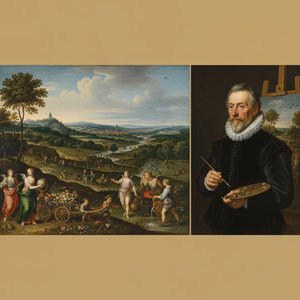
Jan Brueghel the Elder: A Master of Flemish Landscape & Allegory – Exploring Innovation & Influence
Explore the captivating world of Jan Brueghel the Elder, a Flemish Baroque master renowned for his stunning landscapes & allegorical paintings. Discover his collaborations with Rubens and lasting artistic legacy.
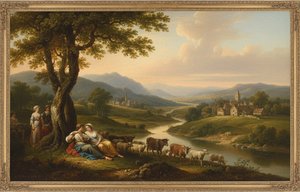
Idyllic Visions: Exploring the Pastoral Tradition in Western Art – Themes, Techniques & Enduring Appeal
Explore the rich history of pastoral art from classical Arcadia to contemporary interpretations. Discover key artists, themes & collecting tips at OriginalUniqueArt.

Idyllic Visions: Exploring the Pastoral Scene in Art History – From Arcadia to Modern Interpretations
Explore the captivating history of pastoral art from classical Arcadia to modern masterpieces. Discover key artists like Millet & Cole at OriginalUniqueArt. Find serene landscape paintings for your home.

Pieter Bruegel the Elder: A Master of Genre, Landscape & Social Commentary
Explore the life & art of Pieter Bruegel the Elder, a pivotal figure of the Renaissance. Discover his groundbreaking genre scenes, symbolic landscapes, and lasting influence on art history. Learn more at OriginalUniqueArt.


![कैल्वरी की यात्रा [विवरण]](/media/artworks/images-thumb/32/c5/32c52a8c054c3755b769d95ed8a42796.jpg)

