
 पूर्वावलोकन देखें
 साझा करें
 साझा करें
 विस्तृत विवरण
 मार्गदर्शिका

 डाउनलोड करें
 समान वस्तुएं
 एक्स-रे
 स्लाइड शो देखें
 प्रश्न और उत्तर
 आंकड़े
Market Scene

- 59.0 x 122.0 cm


 पूरा देखें
गिक्ली / आर्ट प्रिंट
तेज़ उत्पादन और विभिन्न फिनिश विकल्पों के साथ म्यूजियम-क्वालिटी गिकली (giclée) या कैनवस प्रिंट। ( इस संग्रहणीय वस्तु की हाथ से बनी प्रतिकृति मंगवाएं डिजिटल इमेज पर स्विच करें)




P118B ₹10

P118H ₹10

P118W ₹10

P438Z ₹10

P508JH ₹12

P508YH ₹12

P805H ₹10

P805Z ₹10

P919BZ ₹10

P919G ₹10

P919XJ ₹10

P959ZH ₹10

P968JZ ₹12

W106C ₹8

W218G ₹10

W218JH ₹8

W218Y ₹10

W307PJ ₹10

W316G ₹10

W316PJ ₹8

W316Y ₹10

W398PJ ₹8

W4111J ₹10

W500HY ₹15

W500JH ₹15

W692G ₹12

W849H ₹8

W940BG ₹15

W953PJ ₹8




कलाकृति के मूल अनुपात से मेल खाने वाले हमारे पूर्व निर्धारित आकारों में से चुनें।

अपने फ्रेम या अपनी दीवार के अनुसार आवश्यक चौड़ाई और ऊंचाई दर्ज करें। प्रिंट को केवल काटा जा सकता है, चित्र से बड़ा कभी नहीं बनाया जा सकता, इसलिए अलग आकार का साइज चित्र का एक हिस्सा खो देता है। किसी भी चीज़ को प्रिंट करने से पहले हम आपकी स्वीकृति के लिए आपको एक डिजिटल मॉकअप भेजते हैं। इस पृष्ठ पर दिखाया गया चित्र वास्तविक कटिंग नहीं दिखाता है — केवल मॉकअप ही इसे दर्शाता है।
विश्वव्यापी डिलीवरी (), मानक 4/5 सप्ताह के बजाय मात्र 2 सप्ताह में। (4 नवमबर)

दुनिया भर में मुफ़्त एक्सप्रेस शिपिंग

उच्च गुणवत्ता वाला लिनेन कैनवास

पूर्ण शिपिंग बीमा

सीमा शुल्क और आयात कर वापसी की गारंटी

सटीक रंग मिलान की गारंटी

100 दिनों की वापसी नीति (केवल दोष होने पर)

100% पैसे वापसी की गारंटी

थोक छूट का अवसर
 ग्लास का विकल्प केवल 110 सेमी से कम आकार में ही उपलब्ध है।

Market Scene
गिक्ली / आर्ट प्रिंट
प्रतिकृति का आकार
-


कुल देय राशि
₹ 7814
The Genesis of a Monumental Genre Scene
Pieter Aertsen’s “Market Scene,” painted in 1550, isn't merely a depiction of a bustling marketplace; it’s a meticulously constructed microcosm of 16th-century Dutch life. Aertsen, often hailed as the architect of domestic narrative within painting, deliberately elevated the everyday – the sights, sounds, and social interactions of a common market – to an unprecedented level of artistic significance. This wasn't simply about recording a scene; it was about crafting a complex tableau brimming with symbolic resonance, inviting viewers into a world both familiar and subtly profound. His work predates Bruegel’s monumental genre scenes, establishing a crucial precedent for future generations of artists exploring the richness of ordinary existence.
Aertsen's genius lies in his ability to seamlessly blend elements from various registers – still life, religious allegory, and realistic portraiture – into a single, unified composition. The painting’s genesis can be traced back to Renaissance ideals, particularly the concept of *peinture de sujet*, championed by artists like Peiraikos, which advocated for the elevation of seemingly mundane subjects to the level of high art. Aertsen embraced this philosophy wholeheartedly, transforming a commonplace market scene into a carefully orchestrated narrative brimming with layers of meaning.
A Symphony of Detail: Technique and Composition
The painting’s impact is immediately arresting – a vibrant explosion of color and activity contained within a remarkably detailed composition. Aertsen masterfully employs the techniques characteristic of Flemish Mannerism, utilizing bold outlines to define figures and objects with striking clarity. The use of oil paint allows for an astonishing level of realism, capturing the textures of fabrics, the gleam of produce, and the subtle nuances of human expression. The scene unfolds across a carefully designed space, drawing the eye through a complex network of stalls, tables, and pathways. Notice how Aertsen uses perspective to create a sense of depth, guiding the viewer’s gaze from the foreground figures to the distant buildings.
Central to the composition is the large table laden with an abundance of fruits and vegetables – a still life element that anchors the scene and provides a focal point. However, it's not simply a collection of objects; each item carries symbolic weight. The variety of produce represents prosperity and fertility, while its arrangement suggests a carefully considered display intended to attract customers. The background features a small, almost obscured religious scene – an “Ecce Homo” fragment referencing the biblical account of Pilate’s pronouncement of Jesus as innocent – subtly interwoven into the everyday drama.
Symbolism and Social Commentary
Beyond its visual appeal, "Market Scene" offers a fascinating glimpse into 16th-century Dutch society. The bustling marketplace was not just a place for commerce; it was a vital social hub where people from all walks of life gathered to exchange news, gossip, and goods. Aertsen captures this dynamic atmosphere with remarkable accuracy, depicting a diverse array of characters – merchants, shoppers, laborers, children – each engaged in their own activities. The inclusion of figures like the cook, offering food and drink, hints at the importance of hospitality and communal sustenance.
The painting also subtly critiques societal values. The presence of a figure indulging in oysters and mussels—a symbol of lust—serves as a reminder of the potential for excess and moral decay within the seemingly prosperous marketplace. Aertsen’s work, therefore, transcends mere representation; it becomes a subtle commentary on the complexities of human nature and the challenges of maintaining moderation amidst abundance.
A Legacy in Reproduction
Today, Pieter Aertsen's "Market Scene" stands as a testament to his artistic vision and enduring legacy. High-quality reproductions, such as those offered at OriginalUniqueArt.com, allow art enthusiasts to experience the richness and detail of this remarkable painting firsthand. Owning a reproduction is not merely acquiring an image; it’s gaining access to a window into a bygone era – a vibrant snapshot of 16th-century Dutch life imbued with layers of symbolism and artistic brilliance.
प्रश्न और उत्तर
क्या "Market Scene" पीटर एर्टसेन की सबसे लोकप्रिय कृतियों में से एक है?
पीटर एर्टसेन द्वारा "Market Scene" की लोकप्रियता का स्तर Recognized है। यह वर्गीकरण इस बात को दर्शाता है कि इस कृति को कितनी व्यापक पहचान प्राप्त है।
पीटर एर्टसेन द्वारा "Market Scene" में किस रंग योजना (color palette) का उपयोग किया गया है?
पीटर एर्टसेन द्वारा "Market Scene" के रंग पैलेट का वर्णन Earthy के रूप में किया गया है। यह इस कृति के रंगों का एक संक्षिप्त विवरण है।
"Market Scene" को कितने लोग देखते हैं?
"Market Scene" के लिए एक आंकड़े पेज उपलब्ध है। यह देश और भाषा के विवरण के साथ, इस कलाकृति और कलाकार की अन्य कृतियों की मासिक यात्राओं का चार्ट प्रस्तुत करता है।
कलाकार की जीवनी
पीटर एर्टसेन: घरेलू कथा के वास्तुकार
पीटर एर्टसेन, एक ऐसा नाम जिसे अक्सर कला इतिहास के गलियारों में फुसफुसाया जाता है, उत्तरी मैनरिज्म और डच गोल्डन एज की उभरती यथार्थवादिता के बीच एक महत्वपूर्ण सेतु का काम करता है। लगभग 1508 में एम्स्टर्डम में जन्मे और दुखद रूप से उसी शहर में 1575 में निधन हुए, एर्टसेन की विरासत भव्य धार्मिक कमीशन या वीर चित्रों से परिभाषित नहीं होती, बल्कि यह शैली चित्रकला के प्रति उनके क्रांतिकारी दृष्टिकोण से परिभाषित होती है – रोजमर्रा के जीवन का जानबूझकर उत्थान, जो प्रतीकवाद और कथात्मक गहराई की परतों से ओत-प्रोत है। वह केवल दृश्य चित्रित नहीं कर रहे थे; वह लघु दुनिया का निर्माण कर रहे थे, दर्शकों को मानव अनुभव की एक जटिल टेपेस्ट्री में आमंत्रित कर रहे थे।
एर्टसेन को आलार्ट क्लाएसज़ के मार्गदर्शन में प्रारंभिक प्रशिक्षण मिला, जिसने उन्हें पारंपरिक फ्लेमिश तकनीकों में एक ठोस नींव प्रदान की। हालांकि, 16वीं शताब्दी के मध्य में कलात्मक नवाचार के जीवंत केंद्र, एंटवर्प में उनका स्थानांतरण था जिसने वास्तव में उनकी विशिष्ट शैली को आकार दिया। एंटवर्प का चहल-पहल भरा माहौल, इसकी विविध आबादी और यूरोपीय व्यापार के चौराहे पर इसकी स्थिति ने प्रयोग के लिए एक उपजाऊ वातावरण को बढ़ावा दिया – जो उस समय की अधिक कठोर रूप से परिभाषित धार्मिक परंपराओं के विपरीत था। यहां, उन्होंने प्रतिष्ठित सेंट लूक गिल्ड में शामिल होकर "लांगहे पीटर," या लंबे पीटर का उपनाम कमाया, जो उनके प्रभावशाली कद को दर्शाता है, एक विवरण जिसे अक्सर उनके चित्रों में शामिल किया जाता था।
भव्य विधा (Genre) का आविष्कार
कला में एर्टसेन का सबसे महत्वपूर्ण योगदान उनके अग्रणी कार्य में निहित है – जिसे अब भव्य विधा दृश्यों के रूप में पहचाना जाता है। घरेलू जीवन के पहले के चित्रणों से अलग, जिन्हें धार्मिक रचनाओं के भीतर छोटे, द्वितीयक स्थानों तक सीमित रखा गया था, एर्टसेन ने रोजमर्रा की गतिविधियों—बाजार के दृश्य, कसाई की दुकानें, निर्जीव वस्तुएं (still lifes)—को अपने कैनवस के बिल्कुल अग्रभाग में रखा। यह केवल विषय वस्तु में बदलाव नहीं था; यह कलात्मक प्राथमिकताओं में एक मौलिक परिवर्तन का प्रतिनिधित्व करता था। उन्होंने जानबूझकर विभिन्न विधाओं – निर्जीव जीवन, परिदृश्य और कथा – के बीच की रेखाओं को धुंधला कर दिया, जिससे जटिल रचनाएं बनीं जिनके लिए दर्शक की सक्रिय भागीदारी की आवश्यकता थी।
उनका सबसे प्रसिद्ध उदाहरण, *द बूटchers शॉप विद द फ्लाइट इनटू इजिप्ट* (1551), इस क्रांतिकारी दृष्टिकोण का उत्कृष्ट उदाहरण है। यह दृश्य मांस, सब्जियों और उपकरणों से लदे एक सावधानीपूर्वक रचित कसाई के स्टॉल से घिरा हुआ है – एक आश्चर्यजनक रूप से विस्तृत निर्जीव जीवन जो तुरंत दर्शक का ध्यान खींच लेता है। फिर भी, इस प्रतीत होने वाले साधारण परिवेश में सूक्ष्मता से बाइबिल कथा के तत्व बुने हुए हैं: पवित्र परिवार मिस्र भाग रहा है, जिसे काउंटर के ऊपर एक छोटे पैनल पर लघु रूप में दर्शाया गया है। वास्तविकताओं की यह परतबंदी—वाणिज्य की मूर्त दुनिया का आस्था के आध्यात्मिक क्षेत्र के साथ टकराव—एर्टसेन के काम की पहचान बन गई और आने वाली पीढ़ियों के कलाकारों को गहराई से प्रभावित किया।
प्रतीकवाद और वस्तुओं की भाषा
एर्टसेन के दृश्य केवल नेत्रहीन रूप से आकर्षक नहीं हैं; वे प्रतीकात्मक अर्थों से समृद्ध हैं। प्रत्येक वस्तु, प्रत्येक हावभाव भार वहन करता है और एक बड़ी कथा या नैतिक टिप्पणी में योगदान देता है। उदाहरण के लिए, निर्जीव जीवन में वस्तुओं की व्यवस्था सांसारिक सुख बनाम आध्यात्मिक पुरस्कार, धन बनाम गरीबी, या यहां तक कि समय की क्षणभंगुर प्रकृति का प्रतिनिधित्व कर सकती है। *द बूटchers शॉप* विशेष रूप से प्रतीकवाद से लदा हुआ है: भोजन की प्रचुरता सांसारिक समृद्धि का प्रतिनिधित्व करती है, जबकि सीप और मussels की उपस्थिति – जो वासना से जुड़ी हैं – एक चेतावनी भरी कहानी के रूप में कार्य करती है।
इसके अलावा, एर्टसेन ने जोआचिम पाटिनिर जैसे पहले के कलाकारों से प्रेरणा ली, जिन्होंने वायुमंडलीय गहराई और दृश्य रुचि पैदा करने के लिए धार्मिक दृश्यों के भीतर परिदृश्य तत्वों का उपयोग किया था। एर्टसेन ने इस तकनीक को अपनाया, अपने विधा रचनाओं में लघु परिदृश्यों—एक चर्च की खिड़की, एक देहाती दृश्य—को एकीकृत करते हुए, अपनी कथाओं के दायरे का और विस्तार किया और दर्शकों को एक साथ कई वास्तविकताओं पर विचार करने के लिए आमंत्रित किया।
प्रभाव और विरासत
बाद की पीढ़ियों के कलाकारों पर पीटर एर्टसेन का प्रभाव निर्विवाद है। विधा चित्रकला के प्रति उनका अभिनव दृष्टिकोण डच निर्जीव जीवन के उदय का मार्ग प्रशस्त किया, जो एक विशिष्ट कलात्मक विधा बन गया, जिसने जान सैंडर्स वैन हेमेसेन और, महत्वपूर्ण रूप से, उनके बेटे, पीटर पीटर्सज़ द एल्डर जैसे हस्तियों को प्रभावित किया। यथार्थवादी विवरण पर एर्टसेन का जोर, प्रतीकवाद और कथात्मक परतबंदी के उनके उत्कृष्ट उपयोग के साथ मिलकर, बाद के कलाकारों के लिए एक मिसाल कायम करता है जो रोजमर्रा की जिंदगी की जटिलताओं को पकड़ना चाहते थे।
इससे भी अधिक उल्लेखनीय बात यह है कि एर्टसेन के काम ने इतालवी चित्रकला में विकास का अनुमान लगाया था। पुनर्जागरण मानवतावादी हेड्रियनस जूनियस (एड्रियान डी जोंगे) ने एर्टसेन की तुलना पेइराइकस से की, एक प्राचीन यूनानी चित्रकार जो असाधारण यथार्थवाद और प्रतीकात्मक गहराई के साथ साधारण विषयों को चित्रित करने की अपनी क्षमता के लिए प्रसिद्ध था। इस तुलना ने पारंपरिक कलात्मक परंपराओं को चुनौती देने और विधा चित्रकला की स्थिति को ऊंचा उठाने में एर्टसेन की अग्रणी भूमिका पर जोर दिया।
एम्स्टर्डम में बील्डनस्टॉर्म (प्रोटेस्टेंट सुधार का मूर्ति-भंजक आंदोलन) के दौरान उनके कई कार्यों के विनाश के बावजूद, एर्टसेन की विरासत बनी हुई है। उनकी पेंटिंग कला इतिहासकारों और दर्शकों दोनों को मोहित करती रहती हैं, एक ऐसी दुनिया की झलक पेश करती हैं जहां साधारण चीज़ें गहन हो जाती हैं और रोजमर्रा का जीवन अर्थ की समृद्ध टेपेस्ट्री में बदल जाता है।

पीटर एर्टसेन
1508 - 1575 , नीदरलैंड
प्रमुख तथ्य
- Artistic Movement Or Style: उत्तरी मैनरिज्म
- Artists Or Movements Influenced By This Artist:
- योआकिम पाटिनिर
- फ्लेमिश बारोक
- Artists Who Influenced This Artist: ['अलार्ट क्लाज़']
- Date Of Birth: 1508, एम्स्टर्डम
- Date Of Death: 1575, एम्स्टर्डम
- Full Name: पीटर आर्टसेन
- Nationality: डच
- Notable Artworks:
- बटचर की दुकान (अप्सला)
- बाज़ार महिला...
- विभिन्न वेदी चित्र
- Place Of Birth: एम्स्टर्डम, नीदरलैंड
संबंधित लेख

Mastering Light & Shadow: A Journey Through the Dutch Golden Age's Luminous Legacy
Embark on a cultural journey through the Dutch Golden Age. Explore the masterful interplay of light and shadow in 17th-century masterpieces, from Rembrandt to Vermeer, and discover how this era of profound realism continues to inspire fine art collectors today.
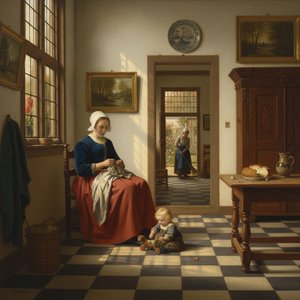
Pieter de Hooch: Illuminating Dutch Domestic Life & Golden Age Charm
Explore the captivating world of Pieter de Hooch, a master of Dutch Golden Age painting. Discover his innovative use of light, intimate domestic scenes, and lasting influence on art history. Learn more at OriginalUniqueArt.

The Enduring Legacy of Oil on Canvas: Technique, History & Aesthetic Impact
Explore the rich history & techniques of oil painting – from Renaissance masters to Impressionism. Discover pigments, layering methods, and why this timeless medium endures. Expert insights for artists & art enthusiasts.

Oil on Canvas: A Historical & Technical Exploration of a Timeless Artistic Medium
Explore the rich history & enduring techniques of oil painting on canvas. Discover the science behind its longevity, conservation practices, and contemporary relevance. Expert insights for art enthusiasts.

Golden Light & Dutch Skies: The Timeless Magic of Dutch Golden Age Landscapes
Discover the breathtaking beauty of Dutch Golden Age landscapes. Explore the mastery of light, chiaroscuro, and 17th-century realism through an expert art history lens, celebrating the enduring legacy of the Dutch Masters for discerning collectors and art lovers.
