

 पूर्वावलोकन देखें
 भेजें
भेजें साझा करें
 विवरण देखें
 मार्गदर्शिका

 डाउनलोड करें
 समान वस्तुएं
 एक्स-रे
 स्लाइड शो देखें
 आंकड़े
Drawing for Conspirators


 और पढ़ें
इस पृष्ठ पर प्रदर्शित कलाकृति कॉपीराइट कानून द्वारा संरक्षित है, जिसका अर्थ है कि हम कानूनी रूप से इसकी हूबहू प्रतिलिपि बनाने या बेचने का अधिकार नहीं रखते हैं। यह संरक्षण अंतर्राष्ट्रीय समझौतों के तहत लागू किया जाता है, जैसे कि बर्न कन्वेंशन और राष्ट्रीय कानूनों द्वारा, जिनमें % द्वारा निर्धारित कानून भी शामिल हैं। अमेरिकी कॉपीराइट कानून - शीर्षक 17।
एक सम्मानजनक और कानूनी विकल्प के रूप में, हम मूल कृति से प्रेरित, कस्टम, हाथ से पेंट की गई कलाकृतियाँ प्रदान करते हैं। हमारे कुशल और पेशेवर कलाकार एक नई, अद्वितीय कृति बनाने के लिए मूल के शैली, भाव और कलात्मक सार का सावधानीपूर्वक अध्ययन करते हैं - जो अपनी मौलिक रचना बने रहते हुए भी वही भावना जगाती है।
यह विधि कॉपीराइट नियमों का पूरी तरह से पालन करती है क्योंकि इसमें संरक्षित कलाकृति की नकल या प्रतिलिपि बनाना शामिल नहीं है। इसके बजाय, यह एक रचनात्मक पुनर्व्याख्या है - एक ऐसी नई पेंटिंग जो मूल कृति से प्रेरित तो है, लेकिन उसके समान नहीं है।
हस्तनिर्मित ऑयल रिप्रोडक्शन
आपके आकार और फ्रेम के अनुसार कैनवास पर हाथ से बनी ऑयल पेंटिंग, हमारे कलाकारों द्वारा विशेष रूप से ऑर्डर पर तैयार। ( प्रिंट विकल्प पर जाएँ डिजिटल इमेज पर जाएँ)




P118B ₹10

P118H ₹10

P118W ₹10

P438Z ₹10

P508JH ₹12

P508YH ₹12

P805H ₹10

P805Z ₹10

P919BZ ₹10

P919G ₹10

P919XJ ₹10

P959ZH ₹10

P968JZ ₹12

W106C ₹8

W218G ₹10

W218JH ₹8

W218Y ₹10

W307PJ ₹10

W316G ₹10

W316PJ ₹8

W316Y ₹10

W398PJ ₹8

W4111J ₹10

W500HY ₹15

W500JH ₹15

W692G ₹12

W849H ₹8

W940BG ₹15

W953PJ ₹8




कलाकृति के मूल अनुपात से मेल खाने वाले हमारे पूर्व निर्धारित आकारों में से चुनें।

अपने फ्रेम या अपनी दीवार के अनुसार आवश्यक चौड़ाई और ऊंचाई दर्ज करें। यह हाथ से पेंट किया गया है, इसलिए अलग आकार के लिए कलाकार चित्र के चारों ओर थोड़ा अधिक पेंट कर सकता है, या थोड़ा काट सकता है — चुनाव आपका है। पेंटिंग शुरू होने से पहले हम आपकी स्वीकृति के लिए एक डिजिटल मॉकअप भेजते हैं। इस पृष्ठ पर दिखाई गई तस्वीर वास्तविक परिणाम नहीं दिखाती है — केवल मॉकअप ही वास्तविक रूप दिखाता है।
ऑर्डर देने के बाद, OriginalUniqueArt.com टीम निर्देशों के लिए क्लाइंट को ईमेल करेगी और एक मॉकअप प्रीव्यू प्रदान करेगी
विश्वव्यापी वितरण () मानक 5 सप्ताह के बजाय मात्र 3/4 सप्ताह में। (22 अक्टूबर)। गुणवत्ता से कोई समझौता नहीं।

दुनिया भर में मुफ़्त एक्सप्रेस शिपिंग

प्रीमियम ग्रेड लिनेन कैनवास

पूर्ण शिपिंग बीमा

सीमा शुल्क और आयात कर वापसी की गारंटी

सटीक रंग मिलान की गारंटी

100 दिनों की वापसी नीति (केवल निर्माण दोष होने पर)

100% पैसे वापसी की गारंटी

थोक छूट का अवसर
 ग्लास का विकल्प केवल 110 सेमी से कम आकार में ही उपलब्ध है।

Drawing for Conspirators
प्रतिकृति की सामग्री
प्रतिकृति का आकार
-


कुल मूल्य
₹ 28699
Drawing for Conspirators – A Descent Into Shadow
Philip Guston’s “Drawing for Conspirators,” completed in 1930, stands as a haunting testament to the anxieties of its time and a cornerstone of his evolving artistic vision. Executed in graphite pencil, pen and ink, colored pencil, and wax crayon on paper—a technique that would become synonymous with his later oeuvre—the artwork plunges viewers into a psychologically charged landscape steeped in symbolism and unsettling imagery. Its presence within the Whitney Museum’s collection underscores its enduring significance as a pivotal piece of Metaphysical art, marking Guston's decisive break from abstract expressionism toward a more visceral exploration of human experience.Composition and Setting: A Fortress of Fear
The scene unfolds within a claustrophobic interior dominated by stark geometric forms—primarily rectangular walls and cylindrical towers—creating an oppressive atmosphere reminiscent of medieval fortifications. These architectural elements serve as a visual anchor for the central figure, positioned kneeling before a tiled floor, manipulating a thick rope that snakes upwards toward a distant gallows. The positioning is deliberate; it suggests vulnerability juxtaposed with impending doom, mirroring the pervasive sense of dread conveyed throughout the composition. Brickwork on the left wall adds textural detail and reinforces the feeling of confinement.Color Palette and Line Work: Monochrome Intensity
Guston’s masterful use of grayscale—primarily blacks, whites, and subtle shades of gray—is paramount to establishing the artwork's mood. Hatching and cross-hatching techniques are employed extensively to build up shadows and delineate forms with remarkable precision, mirroring the stylistic influences of earlier artistic traditions while simultaneously forging a path toward Guston’s signature expressive style. The deliberate lack of color amplifies the emotional impact, forcing viewers to confront the scene's unsettling themes without distraction.Symbolism: Conspiracy and Crucifixion
The artwork is rife with symbolic references that delve into anxieties surrounding political oppression and religious persecution. The hooded figures—a direct nod to imagery associated with the Ku Klux Klan—represent secrecy, intimidation, and historical acts of violence. Their posture conveys submission and vulnerability, while the rope symbolizes punishment and death – motifs frequently explored by Guston throughout his career. The distant gallows serve as a chilling reminder of mortality and underscore the artwork’s overarching preoccupation with themes of fear and existential dread.Style and Legacy: From Abstraction to Raw Emotion
“Drawing for Conspirators” represents Guston's pivotal transition from abstract expressionism toward a more figurative style characterized by bold lines and expressive shading—a stylistic shift that would define his subsequent artistic endeavors. While retaining elements of draftsmanship rooted in classical traditions, the artwork embodies Guston’s commitment to conveying profound emotional resonance through simplified forms and deliberate textural contrasts. Its enduring influence can be seen in contemporary artists who continue to grapple with similar themes of social critique and psychological exploration—solidifying Guston's place as a visionary artist whose work transcends stylistic boundaries to address universal human concerns.प्रश्न और उत्तर
फिलिप गुस्टन द्वारा "Drawing for Conspirators" का भाव कैसा वर्णित है?
"Drawing for Conspirators" का वातावरण Dramatic है।
"Drawing for Conspirators" के रचनाकार और तिथि क्या हैं?
"Drawing for Conspirators" का निर्माण फिलिप गुस्टन द्वारा 1930 में किया गया था।
क्या "Drawing for Conspirators" कॉपीराइट मुक्त है?
फिलिप गुस्टन द्वारा "Drawing for Conspirators", अभी भी कॉपीराइट द्वारा संरक्षित है है। यह स्थिति इस बात को नियंत्रित करती है कि कलाकृति की छवि का पुनरुत्पादन कैसे किया जा सकता है।
कलाकार का परिचय
फिलिप गुस्टन: कला में एक जीवन
- जन्म: मॉन्ट्रियल, कनाडा (27 जून, 1913)
- मृत्यु: 7 जून, 1980
फिलिप गुस्टन एक प्रसिद्ध कनाडाई-अमेरिकी चित्रकार और प्रिंटमेकर थे, जिनका करियर चार दशकों से अधिक समय तक चला। उनकी कलात्मक यात्रा शैली और विषय वस्तु में महत्वपूर्ण परिवर्तनों के लिए जानी जाती है, जहाँ उन्होंने अमूर्त अभिव्यक्तिवाद (Abstract Expressionism) और आलंकारिक कला के तत्वों को मिलाकर नस्लवाद, यहूदी-विरोध, फासीवाद और अमेरिकी पहचान जैसे जटिल विषयों की खोज की।
प्रारंभिक जीवन और प्रभाव
गुस्टन का प्रारंभिक जीवन त्रासदी से गहराई से प्रभावित था। उनके पिता, जो एक यूक्रेनी यहूदी अप्रवासी थे, ने 1923 में आत्महत्या कर ली थी। इस घटना ने गुस्टन के कलात्मक विकास को गहराई से प्रभावित किया। उन्होंने कम उम्र में ही चित्रकारी शुरू कर दी थी और लॉस एंजिल्स मैनुअल आर्ट्स हाई स्कूल में पढ़ाई की, जहाँ उन्होंने 1927 में पेंटिंग करना शुरू किया। अपनी माँ के सहयोग से, वे अक्सर एक छोटे से क्लोजेट (अलमारी) में एक लटकते हुए बल्ब की रोशनी में कलाकृतियाँ बनाया करते थे।
- शिक्षा: उन्होंने फ्रेडरिक जॉन डी सेंट व्रेन श्वांकोव्स्की के संरक्षण में अध्ययन किया, जिन्होंने उन्हें यूरोपीय आधुनिक कला, पूर्वी दर्शन, थियोसोफी और रहस्यवादी साहित्य से परिचित कराया।
- प्रारंभिक संबंध: उनकी मुलाकात जैक्सन पोलक से हुई, जिसके साथ मिलकर उन्होंने हाई स्कूल की नीतियों का विरोध करने वाला एक शोध पत्र प्रकाशित किया था।
कलात्मक विकास: अमूर्तता से आलंकारिक अभिव्यक्ति तक
गुस्टन के कलात्मक करियर को मोटे तौर पर दो अलग-अलग चरणों में विभाजित किया जा सकता है। शुरुआत में, उनका काम आलंकारिक और प्रतिनिधि था, जो पिएरो डेला फ्रांसेस्का जैसे पुनर्जागरण काल के उस्तादों के शुरुआती प्रभावों को प्रदर्शित करता था। बाद में उन्होंने अमूर्तता को अपनाया और जैक्सन पोलक और विलेम डी कूनिंग जैसे कलाकारों के साथ न्यूयॉर्क स्कूल के एक प्रमुख व्यक्तित्व बन गए।
- अमूर्त अभिव्यक्तिवाद: 1950 के दशक तक, गुस्टन ने अपनी अमूर्त अभिव्यक्तिवादी पेंटिंग्स के लिए पहचान हासिल कर ली थी, जो अपने गतिशील संयोजन और अभिव्यंजक ब्रशवर्क के लिए जानी जाती थीं।
- आलंकारिक कला की ओर झुकाव: 1960 के दशक के मध्य में, उन्होंने नाटकीय रूप से अमूर्तता का त्याग कर दिया और 'नव-अभिव्यक्तिवाद' (Neo-expressionism) के रूप में जानी जाने वाली प्रतिनिधि कला के एक संशोधित रूप का नेतृत्व किया। इस बदलाव के साथ उनके पिछले कार्यों का आलोचनात्मक पुनर्मूल्यांकन भी हुआ और अधिक प्रत्यक्ष सामाजिक एवं राजनीतिक टिप्पणी करने की इच्छा भी जागी।
उत्तरार्द्ध काल: व्यंग्य और सामाजिक टिप्पणी
गुस्टन के बाद के कार्य संभवतः उनके करियर के सबसे विवादास्पद और प्रभावशाली कार्य हैं। इन पेंटिंग्स में अक्सर गहरे, व्यंग्यात्मक तत्व शामिल थे, जिनमें रिचर्ड निक्सन और हुड पहने हुए क्लैन्समैन के चित्र भी शामिल थे। उन्होंने नस्लवाद, यहूदी-विरोध और अमेरिकी पहचान जैसे विषयों को उस कच्ची ईमानदारी के साथ तलाशा जिसने पारंपरिक कलात्मक मानदंडों को चुनौती दी।
- पुनरावर्ती विषय: उनके उत्तरार्द्ध काल की विशेषता एक सीमित रंग पटल (palette) और विभिन्न व्यक्तिगत स्थितियों, प्रतीकों और वस्तुओं का कार्टून जैसा चित्रण है—जिसमें अक्सर अतिरंजित विशेषताओं और विचलित करने वाले भावों वाले पात्रों को दिखाया जाता है।
- प्रभाव और विषय: नस्लवाद और यहूदी-विरोध के अपने अनुभवों के साथ-साथ पूर्वी दर्शन और रहस्यवादी साहित्य में अपनी रुचि से प्रभावित होकर, गुस्टन का कार्य अमेरिकी समाज के काले पहलुओं पर एक शक्तिशाली टिप्पणी बन गया।
विरासत और महत्व
फिलिप गुस्टन की विरासत आज भी कलाकारों और कला प्रेमियों को समान रूप से प्रेरित करती रहती है। उनके अद्वितीय दृष्टिकोण और कलात्मक शैली ने कला जगत पर एक अमिट छाप छोड़ी है।
- प्रमुख व्यक्तित्व: अमूर्त अभिव्यक्तिवादी आंदोलन के एक प्रमुख स्तंभ के रूप में, गुस्टन के काम ने स्थापित परंपराओं को चुनौती दी और कलात्मक अभिव्यक्ति के नए रूपों का मार्ग प्रशस्त किया।
- संग्रहालयों में उपस्थिति: उनकी कृतियाँ दुनिया भर के प्रतिष्ठित संग्रहालयों में प्रदर्शित हैं, जिनमें व्हिटनी म्यूजियम ऑफ अमेरिकन आर्ट और टेट मॉडर्न शामिल हैं।
- निरंतर प्रासंगिकता: 2020 में उनकी अंतर्राष्ट्रीय रेट्रोस्पेक्टिव प्रदर्शनी का स्थगित होना, सामाजिक न्याय और नस्लीय समानता के मुद्दों को संबोधित करने में गुस्टन के कार्य की निरंतर प्रासंगिकता को रेखांकित करता है।
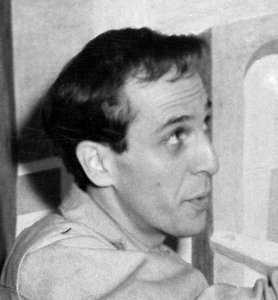
फिलिप गुस्टन
1913 - 1980 , कनाडा
संक्षिप्त जानकारी
- Artistic Movement Or Style:
- अमूर्त अभिव्यक्तिवाद
- नव-अभिव्यक्तिवाद
- Artists Or Movements Influenced By This Artist: ['एडी मार्टिनेज']
- Artists Who Influenced This Artist: ['पिएरो डेला फ्रांसेस्का']
- Date Of Birth: 27 जून, 1913
- Date Of Death: 7 जून, 1980
- Full Name: फिलिप गुस्टन
- Nationality: कनाडाई-अमेरिकी
- Notable Artworks: ['टू फेलिनी']
- Place Of Birth: मॉन्ट्रियल, कनाडा
संबंधित लेखों की सूची

Mastering the Line: A Comprehensive Expert Guide to Technical Precision and Expressive Depth in Drawing
Elevate your artistic practice with this expert guide to mastering the line. Discover advanced techniques in graphite, charcoal, and contour drawing designed for art students seeking technical precision and expressive depth in their fine art studies.
Philip Guston: Reassessing Abstraction, Figuration & the Weight of Representation
Explore the complex evolution of Philip Guston's art – from abstraction to raw figuration. Discover his powerful social commentary, lasting influence & collecting insights with OriginalUniqueArt.
The Nuances of Graphite: Exploring Emotional Depth & Technical Mastery in Pencil Drawing
Explore the captivating world of graphite drawing! Discover its rich history, master essential techniques like chiaroscuro, and learn how artists evoke emotion through this timeless medium. Expert insights for art enthusiasts.
The Eloquent Line: Exploring the Artistic Significance of Sketches Across Movements and Media
Explore the profound artistic significance of sketches throughout history. From Renaissance masters to modern innovators like Van Gogh & Guston, discover how these foundational works reveal technique, emotion, and vision. Learn more at OriginalUniqueArt.

The Art of the Line: A Masterclass in Drawing Techniques and the Evolution of Graphic Expression
Explore the profound history of drawing techniques, from Dürer's precision to the alchemy of graphite. Discover how masters use line, weight, and contour to capture the human spirit in this expert guide to art history and technical mastery.