
 पूर्वावलोकन देखें
 साझा करें
 साझा करें
 विस्तृत विवरण
 मार्गदर्शिका

 डाउनलोड करें
 समान वस्तुएं
 एक्स-रे
 स्लाइड शो देखें
 प्रश्न और उत्तर
 आंकड़े
The North Cape by Moonlight

- 62.0 x 85.0 cm


 पूरा देखें
गिक्ली / आर्ट प्रिंट
तेज़ उत्पादन और विभिन्न फिनिश विकल्पों के साथ म्यूजियम-क्वालिटी गिकली (giclée) या कैनवस प्रिंट। ( इस संग्रहणीय वस्तु की हाथ से बनी प्रतिकृति मंगवाएं डिजिटल इमेज पर स्विच करें)




































कलाकृति के मूल अनुपात से मेल खाने वाले हमारे पूर्व निर्धारित आकारों में से चुनें।

अपने फ्रेम या अपनी दीवार के अनुसार आवश्यक चौड़ाई और ऊंचाई दर्ज करें। प्रिंट को केवल काटा जा सकता है, चित्र से बड़ा कभी नहीं बनाया जा सकता, इसलिए अलग आकार का साइज चित्र का एक हिस्सा खो देता है। किसी भी चीज़ को प्रिंट करने से पहले हम आपकी स्वीकृति के लिए आपको एक डिजिटल मॉकअप भेजते हैं। इस पृष्ठ पर दिखाया गया चित्र वास्तविक कटिंग नहीं दिखाता है — केवल मॉकअप ही इसे दर्शाता है।
विश्वव्यापी डिलीवरी (), मानक 4/5 सप्ताह के बजाय मात्र 2 सप्ताह में। (3 नवमबर)

दुनिया भर में मुफ़्त एक्सप्रेस शिपिंग

उच्च गुणवत्ता वाला लिनेन कैनवास

पूर्ण शिपिंग बीमा

सीमा शुल्क और आयात कर वापसी की गारंटी

सटीक रंग मिलान की गारंटी

100 दिनों की वापसी नीति (केवल दोष होने पर)

100% पैसे वापसी की गारंटी

थोक छूट का अवसर
 ग्लास का विकल्प केवल 110 सेमी से कम आकार में ही उपलब्ध है।

The North Cape by Moonlight
गिक्ली / आर्ट प्रिंट
प्रतिकृति का आकार
-


कुल देय राशि
₹ 7806
Peder Balke – A Norwegian Romantic Visionary
Peder Andersen Balke (1804–1887), born on the humble island of Helgøya in Norway, stands as a singularly original figure within the landscape tradition of the 19th century. His life story is one marked by tenacious artistic dedication against formidable societal constraints—a testament to the enduring value placed upon creativity even amidst modest circumstances. Growing up immersed in the stark beauty of Norway’s countryside instilled in him an unwavering connection to nature that would become the defining characteristic of his oeuvre. Though born into a family of farmers, Balke’s innate talent was recognized by his community, who generously pooled resources to champion his artistic education—a remarkable demonstration of communal belief in artistic potential. This early encouragement propelled him toward formal training, initially with Heinrich August Grosch and Jacob Munch, before venturing further afield to hone his skills at the Royal Swedish Academy of Fine Arts in Stockholm under Carl Johan Fahlcrantz, ultimately refining his vision under the tutelage of Johan Christian Dahl.The North Cape by Moonlight – A Dramatic Encounter With Sublime Beauty
“The North Cape by Moonlight” encapsulates Balke’s Romantic spirit perfectly—a breathtaking seascape depicting a moonlit vista at Norway's northernmost point. Painted in 1848, this oil on canvas masterpiece transcends mere representation; it strives to capture the very essence of experience, mirroring Dahl’s influence yet forging its own distinctive path. A critic of the time eloquently summarized the painting’s impact: “It claims our interest, both for the nature of the subject itself and the singularity of the perception of the chosen moment.” The scene unfolds against a backdrop of towering cliffs reflecting intensely in the turbulent sea—a visual metaphor for confronting overwhelming grandeur. Dominating the composition is a fleet of distant ships bathed in moonlight, symbolizing exploration and ambition amidst vastness. A small boat with figures occupies the foreground, grounding the viewer’s gaze and hinting at human presence within this monumental landscape.Technique & Style – Romantic Impressionism
Balke's artistic style embodies a harmonious blend of Romantic idealism and burgeoning Impressionistic techniques. Like Dahl before him, he prioritized capturing atmospheric perspective—the subtle gradations of color and tone that convey depth and distance—a hallmark of Norwegian landscape painting during the period. However, Balke diverges from Dahl’s meticulous realism by employing looser brushstrokes and layering pigments to achieve a palpable sense of movement and luminosity. The artist skillfully utilizes chiaroscuro – dramatic contrasts between light and dark – to sculpt the cliff face and illuminate the moonlit water, creating an emotionally resonant portrayal. Texture is deliberately rendered through expressive brushwork, conveying the ruggedness of the rocks and the restless energy of the sea—a deliberate departure from Dahl’s smoother surfaces.Symbolism & Emotional Resonance
Beyond its visual splendor, “The North Cape by Moonlight” resonates with profound symbolic significance. The desolate landscape embodies themes of isolation and solitude – confronting the sublime—the awe-inspiring yet potentially terrifying aspects of nature. Simultaneously, it speaks to humanity’s aspiration for discovery and transcendence. The moon itself serves as a beacon of illumination, representing enlightenment and guiding the viewer's gaze toward contemplation. Balke’s masterful depiction captures not merely what he saw but how he *felt*, conveying an emotional depth that distinguishes him from many of his contemporaries.Provenance & Legacy
This painting resides in Oslo’s National Gallery, a testament to its enduring artistic merit and cultural importance. Its inclusion in the museum's celebrated collection underscores Balke’s contribution to Norwegian art history—a legacy cemented by critical acclaim and continued appreciation for his evocative portrayal of Norway’s dramatic landscapes. The artwork exemplifies the Romantic movement's preoccupation with emotion and imagination, establishing Balke as a pivotal figure in shaping the visual language of 19th-century Norway.प्रश्न और उत्तर
पेडर बाल्के द्वारा "The North Cape by Moonlight" किस भावना को व्यक्त करता है?
पेडर बाल्के द्वारा "The North Cape by Moonlight" में एक Melancholic भाव झलकता है।
"The North Cape by Moonlight" के लिए किस तकनीक का उपयोग किया गया था, और इसे कब बनाया गया था?
"The North Cape by Moonlight" का निर्माण 1848 में Oil On Canvas तकनीक का उपयोग करके किया गया था। सामग्री और तिथि यह बताते हैं कि मूल कृति कैसे और कब बनाई गई थी।
मूल पेडर बाल्के द्वारा "The North Cape by Moonlight" की तकनीक और आकार क्या है?
मूल पेडर बाल्के द्वारा "The North Cape by Moonlight" एक Oil On Canvas कृति है जिसका माप 62 x 85 cm है। तकनीक और आकार मूल कलाकृति का वर्णन करते हैं।
कलाकार की जीवनी
एक नॉर्वेजियन रोमांटिक दूरदर्शी: पेडर बाल्के का जीवन और कला
नॉर्वे के विनम्र द्वीप हेलगॉय (Helgøya) में 1804 में जन्मे पेडर एंडरसन बाल्के, 19वीं शताब्दी की परिदृश्य परंपरा (landscape tradition) के भीतर एक अत्यंत मौलिक आवाज के रूप में उभरे। उनकी जीवन कहानी ग्रामीण कठिनाइयों और सामाजिक सीमाओं के बीच दृढ़ कलात्मक खोज की गाथा है। नॉर्वेजियन देहात की कठोर सुंदरता के बीच बड़े होने के कारण उनके भीतर प्रकृति के प्रति एक गहरा जुड़ाव विकसित हुआ, जो उनके संपूर्ण कार्य की परिभाषित विशेषता बन गया। हालांकि उनका जन्म एक किसान परिवार में हुआ था, लेकिन बाल्के की जन्मजात प्रतिभा को उनके समुदाय ने पहचाना, जिन्होंने उनकी कलात्मक शिक्षा के समर्थन के लिए संसाधनों को एकजुट किया—यह इस बात का प्रमाण है कि सीमित साधनों के बावजूद रचनात्मकता को कितना महत्व दिया जाता था। इस प्रारंभिक प्रोत्साहन ने उन्हें औपचारिक प्रशिक्षण की ओर अग्रसर किया, पहले हेनरिक अगस्त ग्रोस और जैकब मुंच के साथ, और फिर स्टॉकहोम में रॉयल स्वीडिश एकेडमी ऑफ फाइन आर्ट्स में कार्ल जोहान फाल्क्रैंट्ज़ के संरक्षण में अध्ययन करने के लिए दूर तक का सफर तय किया, और बाद में जोहान क्रिश्चियन डाहल के साथ अपने कौशल को निखारा।
एक अद्वितीय शैली का निर्माण
बाल्के का कलात्मक विकास तकनीक और अभिव्यक्ति के निरंतर अन्वेषण द्वारा चिह्नित था। वे केवल दृश्य दुनिया की नकल करने से संतुष्ट नहीं थे; इसके बजाय, उन्होंने इसके भावनात्मक सार और इसकी उदात्त शक्ति को पकड़ने का प्रयास किया। उनके चित्र अपने नाटकीय प्रकाश के लिए तुरंत पहचाने जाते हैं, जो अक्सर अलौकिक चमक में सराबोर या वायुमंडलीय अंधकार में लिपटे दृश्यों को चित्रित करते हैं। प्रकाश के प्रति यह आकर्षण—विशेष रूप से चांदनी और गोधूलि बेला के क्षणभंगुर प्रभाव—उनकी शैली की एक पहचान बन गया। उन्होंने बनावट वाले स्ट्रोक्स और रंगों के अपरंपरागत उपयोग की विशेषता वाले एक विशिष्ट ब्रशवर्क को विकसित किया, जिससे एक स्वप्निल गुण पैदा हुआ जो उनके काम को अधिक पारंपरिक रोमांटिक परिदृश्यों से अलग करता है। ऐसा लगता है जैसे वे केवल वह नहीं चित्रित कर रहे थे जो उन्होंने देखा था, बल्कि वह चित्रित कर रहे थे जो उन्होंने प्रकृति की उपस्थिति में महसूस किया था।
नॉर्वे के परिदृश्य: कैनवास पर एक राष्ट्रीय पहचान
बाल्के अपने नॉर्वेजियन परिदृश्य के मार्मिक चित्रणों के लिए सबसे प्रसिद्ध हैं, एक ऐसा विषय जिसे वे अपने पूरे करियर में बार-बार चित्रित करते रहे। 1872 में चित्रित Vue de Christiania (आज का ओस्लो) जैसे कार्य नॉर्वे की राजधानी के शहरी जीवन की एक सम्मोहक झलक पेश करते हैं, फिर भी यहाँ भी, प्राकृतिक दुनिया प्रमुखता से दिखाई देती है, जो शहर के दृश्य को घेरे हुए है और दर्शकों को आसपास के जंगलीपन के साथ इसके संबंध की याद दिलाती है। The Harbor at Skल्र्वॉय (1846) एक तटीय बंदरगाह की हलचल भरी ऊर्जा को पकड़ने की उनकी क्षमता के साथ-साथ विवरणों पर उनके सूक्ष्म ध्यान को प्रदर्शित करता है। Old Trees (1840), अपने कठोर शीतकालीन दृश्य और शक्तिशाली प्रकाश के साथ, मनोदशा और वातावरण पर उनके प्रभुत्व का उदाहरण पेश करता है। Seascape (1845) और The North Cape by Moonlight (1848) नॉर्वे के तट और उत्तरी क्षेत्रों की ऊबड़-खाबड़ सुंदरता और अदम्य भावना को व्यक्त करने की उनकी क्षमता को और अधिक प्रदर्शित करते हैं। ये केवल सुंदर दृश्य नहीं थे; ये राष्ट्रीय पहचान के बारे में बयान थे, नॉर्वे की अद्वितीय प्राकृतिक विरासत का एक उत्सव थे।
कैनवास से परे: एक सामाजिक चेतना
पेडर बाल्के केवल एक कलाकार से कहीं अधिक थे; वे एक प्रतिबद्ध समाज सुधारक थे जो अपने समय के ज्वलंत मुद्दों के साथ सक्रिय रूप से जुड़े हुए थे। उनका मानना था कि अपने संसाधनों और प्रभाव का उपयोग दूसरों के जीवन को बेहतर बनाने के लिए किया जाना चाहिए, विशेष रूप से बाल्केबी परियोजना के माध्यम से—ओस्लो का एक नया उपनगर जिसे श्रमिकों के लिए उचित रहने की स्थिति प्रदान करने के लिए डिज़ाइन किया गया था। उन्होंने ऋण प्रदान किए और सख्त निर्माण नियमों को लागू किया, जो सामाजिक न्याय के प्रति उनकी व्यावहारिक प्रतिबद्धता को दर्शाता है। इसके अलावा, बाल्के ने कलाकारों के वित्तीय समर्थन के लिए अथक वकालत की, पुरुषों और महिलाओं दोनों के लिए अनुदान और पेंशन की मांग की, यह पहचानते हुए कि समाज में रचनात्मकता की कितनी महत्वपूर्ण भूमिका है। सामाजिक कारणों के प्रति यह समर्पण एक ऐसे दयालु और दूरदर्शी व्यक्ति को प्रकट करता है जिसने कला को मानव कल्याण से आंतरिक रूप से जुड़ा हुआ देखा था।
पुनर्खोज और विरासत
उनके महत्वपूर्ण योगदान के बावजूद, 1887 में उनकी मृत्यु के बाद कई वर्षों तक बाल्के के काम की काफी उपेक्षा की गई। 20वीं सदी के अंत और 21वीं सदी की शुरुआत तक उनके अद्वितीय दृष्टिकोण के लिए एक नया सम्मान उभरने लगा। लंदन में नेशनल गैलरी (2014-2015) और मेट्रोपॉलिटन म्यूजियम ऑफ आर्ट (2017) जैसे प्रतिष्ठित संस्थानों में प्रमुख प्रदर्शनियों ने उनके चित्रों को व्यापक दर्शकों तक पहुँचाया, जिससे आलोचनात्मक प्रशंसा और विद्वत्तापूर्ण रुचि पैदा हुई। आज, पेडर बाल्के को नॉर्वेजियन कला इतिहास के एक महत्वपूर्ण व्यक्तित्व के रूप में मान्यता प्राप्त है, एक ऐसे कलाकार जिनके नाटकीय परिदृश्य और भावनात्मक गहराई दर्शकों के दिलों में गूँजते रहते हैं। उनका प्रभाव बाद के नॉर्डिक कलाकारों के काम में देखा जा सकता है, जो कैनवास पर नॉर्वे की आत्मा को कैद करने वाले एक सच्चे दूरदर्शी के रूप में उनके स्थान को सुदृढ़ करता है।
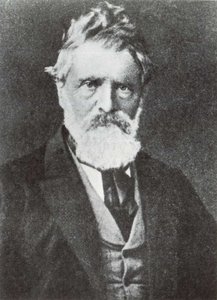
पेडर बाल्के
1804 - 1887 , नॉर्वे
प्रमुख तथ्य
- Artistic Movement Or Style: रोमांटिक परिदृश्य (Romantic Landscape)
- Artists Or Movements Influenced By This Artist:
- नॉर्डिक कला
- रोमांटिकतावाद
- Artists Who Influenced This Artist:
- हेनरिक ग्रॉश
- जैकब मंच
- कार्ल फालक्रैंट्ज़
- जोहान डाहल
- Date Of Birth: 1804
- Date Of Death: 1887
- Full Name: पेडर बाल्के
- Nationality: नार्वेजियन
- Notable Artworks:
- व्यू डी क्रिश्चियाना
- द हार्बर एट श्जेर्वोय
- ओल्ड ट्रीज़
- सीस्केप
- फ्रेडरिकशालड
- नॉर्थ केप बाय मूनलाइट
- Place Of Birth: हेगॉय, नॉर्वे
संबंधित लेख

The Sublime and the Picturesque: Exploring Emotion & Nature in Romantic Landscape Painting
Explore the emotional power of Romantic landscape painting! Discover the sublime & picturesque traditions, key artists like Friedrich & Cole, and find your perfect artwork at OriginalUniqueArt.

जॉन कॉन्स्टेबल की शीर्ष 25 कलाकृतियाँ: प्रकृति का सौंदर्य और भावनात्मक गहराई | OriginalUniqueArt
जॉन कॉन्स्टेबल की शीर्ष 25 कलाकृतियों का अन्वेषण करें! ग्रामीण इंग्लैंड के रोमांटिक परिदृश्य, हे वेन और स्टूर नदी के सुंदर चित्रण। उच्च गुणवत्ता वाले कला प्रिंट और दीवार सजावट के लिए OriginalUniqueArt.com पर संग्रह देखें।

रोमांटिक कला: 10 उत्कृष्ट लैंडस्केप कृतियाँ जो परिभाषित करती हैं | OriginalUniqueArt
रोमांटिक लैंडस्केप पेंटिंग की 10 उत्कृष्ट कृतियाँ! जानें कैस्पर डेविड फ्रेडरिक, टर्नर जैसे कलाकारों के बारे में और कला के इतिहास को समझें। OriginalUniqueArt.com पर उच्च गुणवत्ता वाले आर्ट रिप्रोडक्शन और सजावट के विचार खोजें।

Evocations of Place: A Historical Journey Through Landscape Art
Explore the rich history of landscape art with OriginalUniqueArt. Discover renowned artists, movements like Impressionism & Romanticism, and expert guidance for collecting timeless pieces. Find your perfect serene escape today!
Marianne North's Masterpieces: 25 Botanical Paintings That Bloom With Adventure | OriginalUniqueArt
Journey through the vibrant world of Marianne North’s botanical paintings! Explore 25 iconic artworks from this Victorian artist, celebrating exotic flora & travel. Find museum-quality reproductions and curated decor ideas at OriginalUniqueArt.com.
