

 पूर्वावलोकन देखें
 भेजें
भेजें साझा करें
 विवरण देखें
 मार्गदर्शिका

 डाउनलोड करें
 समान वस्तुएं
 एक्स-रे
 स्लाइड शो देखें
 आंकड़े
Young Bull
 Dutch Golden Age Painting
 1647
1647 236.0 x 339.0 cm
 रिक्सम्यूजियम
 और पढ़ें
हस्तनिर्मित ऑयल रिप्रोडक्शन
आपके आकार और फ्रेम के अनुसार कैनवास पर हाथ से बनी ऑयल पेंटिंग, हमारे कलाकारों द्वारा विशेष रूप से ऑर्डर पर तैयार। ( प्रिंट विकल्प पर जाएँ डिजिटल इमेज पर जाएँ)




P118B ₹10

P118H ₹10

P118W ₹10

P438Z ₹10

P508JH ₹12

P508YH ₹12

P805H ₹10

P805Z ₹10

P919BZ ₹10

P919G ₹10

P919XJ ₹10

P959ZH ₹10

P968JZ ₹12

W106C ₹8

W218G ₹10

W218JH ₹8

W218Y ₹10

W307PJ ₹10

W316G ₹10

W316PJ ₹8

W316Y ₹10

W398PJ ₹8

W4111J ₹10

W500HY ₹15

W500JH ₹15

W692G ₹12

W849H ₹8

W940BG ₹15

W953PJ ₹8




कलाकृति के मूल अनुपात से मेल खाने वाले हमारे पूर्व निर्धारित आकारों में से चुनें।

अपने फ्रेम या अपनी दीवार के अनुसार आवश्यक चौड़ाई और ऊंचाई दर्ज करें। यह हाथ से पेंट किया गया है, इसलिए अलग आकार के लिए कलाकार चित्र के चारों ओर थोड़ा अधिक पेंट कर सकता है, या थोड़ा काट सकता है — चुनाव आपका है। पेंटिंग शुरू होने से पहले हम आपकी स्वीकृति के लिए एक डिजिटल मॉकअप भेजते हैं। इस पृष्ठ पर दिखाई गई तस्वीर वास्तविक परिणाम नहीं दिखाती है — केवल मॉकअप ही वास्तविक रूप दिखाता है।
ऑर्डर देने के बाद, OriginalUniqueArt.com टीम निर्देशों के लिए क्लाइंट को ईमेल करेगी और एक मॉकअप प्रीव्यू प्रदान करेगी
विश्वव्यापी वितरण () मानक 5 सप्ताह के बजाय मात्र 3/4 सप्ताह में। (25 अक्टूबर)। गुणवत्ता से कोई समझौता नहीं।

दुनिया भर में मुफ़्त एक्सप्रेस शिपिंग

प्रीमियम ग्रेड लिनेन कैनवास

पूर्ण शिपिंग बीमा

सीमा शुल्क और आयात कर वापसी की गारंटी

सटीक रंग मिलान की गारंटी

100 दिनों की वापसी नीति (केवल निर्माण दोष होने पर)

100% पैसे वापसी की गारंटी

थोक छूट का अवसर
 ग्लास का विकल्प केवल 110 सेमी से कम आकार में ही उपलब्ध है।

Young Bull
प्रतिकृति की सामग्री
प्रतिकृति का आकार
-


कुल मूल्य
₹ 28764
The Majesty of the Bull: Paulus Potter’s Monumental Vision
Paulus Potter's *The Young Bull*, painted in 1647 during the height of the Dutch Golden Age, isn’t merely a depiction of an animal; it’s a profound statement about nature, power, and the burgeoning Romantic sensibility taking root within the artistic landscape. This monumental canvas, now residing in the Mauritshuis in The Hague, immediately commands attention with its sheer scale – measuring nearly 240 by 340 centimeters – a deliberate choice that elevates the humble bull to an almost heroic status, challenging the established hierarchies of genre painting and demanding a new level of engagement from the viewer. Potter, a remarkably short-lived artist born in Enkhuizen, possessed a singular ability to capture the essence of his subjects with breathtaking realism and a deep understanding of animal anatomy, a skill honed through meticulous observation and an almost obsessive dedication to detail.
The painting’s genesis lies in Potter's commitment to portraying animals as they truly are – not as idealized figures within a pastoral setting, but as complex, vital beings. Unlike many of his contemporaries who utilized animals primarily as decorative elements or background scenery, Potter focused intently on their physicality, rendering the textures of their fur, the sheen of their hides, and the subtle nuances of their expressions with astonishing accuracy. The artist’s technique is characterized by a masterful use of impasto – thick, textured brushstrokes that build up layers of paint to create a palpable sense of volume and weight. This tactile quality invites us to almost feel the rough hide of the bull beneath our fingertips, grounding the image in a tangible reality.
A Study in Light and Shadow: Composition and Technique
The composition itself is remarkably sophisticated. Potter masterfully employs chiaroscuro – the dramatic contrast between light and shadow – to sculpt the form of the bull and create a sense of depth within the scene. The strong directional lighting, originating from an unseen source, highlights the muscular contours of the animal’s body, emphasizing its power and vitality. Notice how the sunlight catches the dewlap, illuminating the intricate folds of skin with exquisite detail, while simultaneously casting deep shadows across the surrounding meadow. This interplay of light and dark not only enhances the realism of the painting but also imbues it with a dramatic intensity.
Interestingly, Potter’s approach was revolutionary for his time. He began by creating numerous preparatory drawings from life, meticulously studying the bull's anatomy and behavior before committing them to canvas. This process is evident in the painting’s remarkable accuracy – every muscle, vein, and wrinkle is rendered with painstaking detail. Furthermore, Potter expanded the original composition significantly, adding extra panels on all sides of the canvas, a bold move that further emphasized the scale of his subject and underscored its importance within the overall narrative. This enlargement was not simply an aesthetic choice; it reflected Potter’s desire to create a truly monumental work of art, one worthy of commanding attention and inspiring awe.
Symbolism and Context: The Bull in Dutch Culture
The bull held significant symbolic weight within 17th-century Dutch culture. It represented prosperity, fertility, and strength – qualities highly valued by a nation rapidly expanding its wealth and influence through maritime trade. Potter’s decision to portray this powerful animal on such a grand scale was therefore not merely an artistic choice but also a reflection of the prevailing cultural values of his time. The inclusion of the surrounding landscape—a rolling meadow dotted with wildflowers and framed by distant trees—further reinforces this symbolism, suggesting that the bull's strength is inextricably linked to the bounty of the land.
The painting’s popularity during the 18th and 19th centuries speaks volumes about its impact on the artistic consciousness. Critics like Eugène Fromentin famously declared it one of the three greatest paintings in the Netherlands, alongside Rembrandt's *The Night Watch* and Jan Steen’s *The Feast of Saint Nicholas*. This recognition highlights Potter’s pioneering role in elevating animal painting to a position of prominence within the art world, paving the way for future generations of artists who sought to capture the beauty and complexity of the natural world.
A Legacy of Realism: The Young Bull Today
Today, *The Young Bull* remains a captivating masterpiece – a testament to Paulus Potter’s extraordinary talent and his profound understanding of nature. Its monumental scale, masterful technique, and evocative symbolism continue to resonate with viewers centuries after its creation. Whether viewed in person at the Mauritshuis or reproduced as a high-quality print, this painting offers a glimpse into the artistic spirit of the Dutch Golden Age – a period defined by innovation, realism, and an unwavering appreciation for the beauty of the natural world.
प्रश्न और उत्तर
क्या पॉलोस पॉटर द्वारा "Young Bull" के लिए कोई स्लाइडशो उपलब्ध है?
पॉलोस पॉटर द्वारा "Young Bull" को कलाकृति के स्लाइडशो पृष्ठ पर स्लाइडशो के रूप में देखा जा सकता है।
"Young Bull" को किसने और कब बनाया?
"Young Bull" का निर्माण पॉलोस पॉटर द्वारा 1647 में किया गया था।
"Young Bull" के रचनाकार कौन हैं, और यह किस आंदोलन से संबंधित है?
पॉलोस पॉटर ने Dutch Golden Age Painting आंदोलन के अंतर्गत "Young Bull" की रचना की।
कलाकार का परिचय
एक संक्षिप्त प्रकाशित जीवन: पॉलस पॉटर की दुनिया
पॉलस पॉटर, एक ऐसा नाम जो डच स्वर्ण युग के प्रकृति के साथ गहरे संबंध का पर्याय है, ने एक दुखद रूप से छोटा लेकिन असाधारण रूप से प्रभावशाली करियर जिया। 20 नवंबर, 1625 को एनखुइज़न में जन्मे और उसी दिन बपतिस्मा प्राप्त करने वाले पॉटर की कलात्मक यात्रा एक ऐसे परिवार के भीतर शुरू हुई जो पहले से ही रचनात्मक झुकाव से प्रभावित था। उनके पिता, पीटर सिमोंसज़ पॉटर, एक कुशल चित्रकार थे जो सुनहरे चमड़े के पर्दों और आकर्षक दृश्य चित्रण की जटिल कला में माहिर थे, जबकि उनकी माता, आल्टजे पॉलसड्र बार्ट्सियस, का संबंध प्रतिष्ठित चित्रकार विलेम बार्ट्सियस से था। इस पोषणकारी वातावरण ने निस्संदेह युवा पॉलस की कलात्मक संवेदनाओं की नींव रखी। 1628 में परिवार का पहले लाइडेन और फिर 1631 में हलचल भरे महानगर एम्स्टर्डम में बसना उनके लिए निर्णायक साबित हुआ, जिसने उन्हें कलात्मक प्रभाव और अवसरों की एक व्यापक दुनिया तक पहुँच प्रदान की। एम्स्टर्डम में ही उन्होंने अपने पिता के मार्गदर्शन में अपना औपचारिक प्रशिक्षण शुरू किया, हालांकि कुछ विद्वानों का सुझाव है कि क्लेस मोयेर्ट के साथ संभावित अध्ययन ने उनके प्रारंभिक विकास को और अधिक आकार दिया होगा।डेल्फ़्ट गिल्ड से हेग के परिदृश्यों तक
पॉटर की महत्वाकांक्षा उन्हें डेल्फ़्ट के प्रतिष्ठित सेंट ल्यूक गिल्ड में शामिल होने के लिए प्रेरित कर दी, जो डच गणराज्य के किसी भी उभरते कलाकार के लिए एक महत्वपूर्ण कदम था। हालाँकि, 1649 के आसपास हेग जाने से ही उनके कलात्मक पथ को सही मायने में परिभाषित करना शुरू हुआ। प्रसिद्ध परिदृश्य चित्रकार जान वैन गोयन के निकट खुद को स्थापित करना अविश्वले रूप से प्रभावशाली साबित हुआ; वायुमंडलीय प्रभावों और प्रकृति के यथार्थवादी चित्रण में वैन गोयन की महारत पॉटर की अपनी शैली में सूक्ष्मता से समाहित हो गई। यह अवधि पॉटर के व्यक्तिगत जीवन में एक महत्वपूर्ण मोड़ भी लेकर आई। जुलाई 1650 में, उन्होंने एड्रियाना वैन बाल्केनेयंडे से विवाह किया, एक ऐसा मिलन जिसने उनके पिता, जो एक प्रमुख निर्माण ठेकेदार थे, के माध्यम से प्रभावशाली हलकों के द्वार खोल दिए। इस संबंध के माध्यम से, पॉटर का परिचय डच उच्च समाज के सदस्यों से हुआ, जिसमें प्रतिष्ठित अमालिया ऑफ सोल्म्स-ब्रौनफेल्स भी शामिल थीं, जो बाद में उनके काम की संरक्षक बनीं। मई 1652 में चिकित्सक और कला प्रेमी निकोलस टल्प के निमंत्रण पर एम्स्टर्डम की एक संक्षिप्त वापसी ने उन्हें और अधिक पहचान दिलाई – जिन्होंने अपने पुत्र डर्क का एक चित्र बनवाया था। दुर्भाग्य से, सफलता का यह बढ़ता हुआ दौर बीमारी के कारण बीच में ही थम गया; पॉलस पॉटर का 17 जनवरी, 1654 को मात्र अट्ठाइस वर्ष की आयु में तपेदिक (टीबी) से निधन हो गया।ग्रामीण दृष्टि: शैली और प्रमुख कृतियाँ
पौलस पॉटर ने डच स्वर्ण युग के जीवंत परिदृश्य के भीतर अपने लिए एक अनूठा स्थान बनाया। वे जानवरों – विशेष रूप से मवेशियों – के अपने मंत्रमुग्ध कर देने वाले चित्रणों के लिए प्रसिद्ध हुए, जिन्हें विस्तृत और सूक्ष्मता से बनाए गए विशाल परिदृश्यों में सहजता से एकीकृत किया गया था। उनकी रचनाओं की विशेषता अक्सर एक आश्चर्यजनक रूप से निचला दृष्टिकोण (low vantage point) होती है, जो प्रकृति के पैमाने और भव्यता पर नाटकीय रूप से जोर देती है, जिससे उनके द्वारा चित्रित राजसी जानवर भी छोटे प्रतीत होते हैं। लगभग 1647 में निर्मित द यंग बुल उनकी सबसे प्रतिष्ठित कृति बनी हुई है, जो अब हेग के मॉरिटशुइस में सुरक्षित है। शुरुआत में कुछ आलोचनात्मक आशंकाओं का सामना करने के बाद, बाद में इसे स्वच्छंदतावाद (Romanticism) की प्रारंभिक संवेदनशीलता के एक अग्रणी उदाहरण के रूपता व्यापक प्रशंसा मिली – जो प्राकृतिक दुनिया के साथ एक गहरा भावनात्मक संबंध प्रदर्शित करता है। इस उत्कृष्ट कृति के अलावा, पॉटर ने अन्य उल्लेखनीय पेंटिंग भी बनाईं जैसे कि फिगर्स विद हॉर्सेस बाय ए स्टेबल (1647), पनिशमेंट ऑफ अ हंटर (लगभग 1647), टू पिग्स इन अ स्टे (1649), और वुल्फ-हाउंड (लगभग 1650–1652)। उन्होंने कई नक्काशी (etchings) के माध्यम से अपनी बहुमुखी प्रतिभा का भी प्रदर्शन किया, जिसमें अक्सर मवेशियों और अन्य जानवरों के विस्तृत चित्रण पर ध्यान केंद्रित किया गया।विरासत और स्थायी प्रभाव
यद्यपि उनका जीवन दुखद रूप से संक्षिप्त था, पॉलस पॉटर की कलात्मक विरासत आज भी जीवित है। उनका कार्य उनकी असाधारण प्रतिभा और अद्वितीय दृष्टि के प्रमाण के रूप में खड़ा है। जान वैन गोयन का प्रभाव पॉटर के परिदृश्यों में स्पष्ट रूप से दिखाई देता है, विशेष रूप से सूक्ष्म वायुमंडलीय प्रभावों और यथार्थवादी प्रतिनिधित्व के प्रति प्रतिबद्धता में। हालाँकि, पॉटर केवल नकल करने से कहीं आगे निकल गए; उन्होंने अपने दृश्यों में एक ऐसी भावनात्मक गहराई भर दी जो उस समय दर्शकों के साथ गहराई से गूँजी और आज भी गूँजती है। उन्हें अब स्वच्छंदतावादी आंदोलन के अग्रदूत के रूप में पहचाना जाता है, जो प्रकृति की उदात्त शक्ति और उससे उत्पन्न होने वाली भावनात्मक प्रतिक्रिया पर इसके जोर का पूर्वानुमान लगाते हैं। अपने छोटे से करियर के दौरान लगभग 100 पेंटिंग बनाने के बावजूद, उनका प्रभाव काफी बड़ा था। उनके काम को उसके यथार्थवाद और गहन भावनात्मक प्रतिध्वनि के लिए 19वीं शताब्दी में नए सिरे से सराहा गया। आज भी, पॉटर को उनके जन्मस्थान एनखुइज़न में एक मूर्ति के साथ सम्मानित किया जाता है, जिसमें उन्हें एक बकरी का रेखाचित्र बनाते हुए दिखाया गया है – यह उस कलाकार के लिए एक उपयुक्त श्रद्धांजलि है जिसने अपना जीवन प्राकृतिक दुनिया की सुंदरता और भव्यता को कैद करने के लिए समर्पित कर दिया।प्रमुख कलात्मक विशेषताएँ
- निम्न क्षितिज रेखाएँ: पॉटर ने अपनी रचनाओं में लगातार निम्न क्षितिज रेखाओं का उपयोग किया, जिससे विशालता का अहसास हुआ और परिदृश्य के पैमाने पर जोर दिया गया।
- यथार्थवादी पशु चित्रण: वे जानवरों को चित्रित करते समय सूक्ष्म विवरणों पर अपने असाधारण ध्यान के लिए प्रसिद्ध थे, जो उनकी शारीरिक रचना और व्यवहार को उल्लेखनीय सटीकता के साथ पकड़ते थे।
- वायुमंडलीय प्रभाव: उनके परिदृश्यों में अक्सर सूक्ष्म वायुमंडलीय प्रभाव – प्रकाश, छाया और धुंध – दिखाई देते हैं जो प्रत्येक दृश्य के समग्र भाव और यथार्थवाद में महत्वपूर्ण योगदान देते हैं।
- सूक्ष्म रंग पैलेट: पॉटर आमतौर पर मिट्टी के रंगों (earth tones) से प्रधान एक मंद रंग पैलेट को पसंद करते थे, जो डच ग्रामीण इलाकों के प्राकृतिक रंगों को दर्शाता था। यह संयमित दृष्टिकोण उनकी पेंटिंग के भीतर प्रामाणिकता और सामंजस्य की भावना को और बढ़ाता है।

पॉलोस पॉटर
1625 - 1654 , नीदरलैंड
संक्षिप्त जानकारी
- Artistic Movement Or Style: स्वच्छंदतावाद
- Artists Or Movements Influenced By This Artist: ['स्वच्छंदतावाद']
- Artists Who Influenced This Artist: ['जान वैन गोयन']
- Date Of Birth: 20 नवंबर, 1625
- Date Of Death: 17 जनवरी, 1654
- Full Name: पॉल्स पॉटर
- Nationality: डच
- Notable Artworks:
- द यंग बुल
- घोड़ों के साथ आकृतियाँ...
- एक शिकारी को दंड
- एक बाड़े में दो सूअर
- वुल्फ-हाउंड
- Place Of Birth: एनखुइज़ेन, नीदरलैंड
संबंधित लेखों की सूची

Illuminating Innovation: Exploring the Dutch Golden Age of Painting
Explore the Dutch Golden Age of painting with OriginalUniqueArt. Discover Rembrandt, Vermeer & other Masters. Learn about key characteristics, iconic artworks, and lasting influence. Expert insights for collectors & enthusiasts.
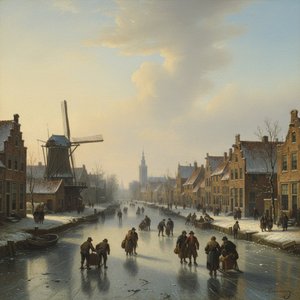
Charles Leickert: Capturing the Dutch Golden Age Light – A Comprehensive Study of Technique, Context, and Legacy
Explore the captivating winter landscapes of Charles Leickert, a master of Dutch Golden Age light & atmosphere. Discover his techniques, symbolism, and lasting legacy – a comprehensive study for art enthusiasts and collectors.

डच स्वर्ण युग की शीर्ष 10 कृतियाँ: कला और घर में वैभव का अनुभव | OriginalUniqueArt
डच स्वर्ण युग की 10 उत्कृष्ट कृतियाँ! रेम्ब्रांट, वर्मीर और वैन एइक जैसे महान कलाकारों के वैभवशाली कलाकृतियों का अन्वेषण करें। क्लासिक डच चित्रकला, तेल चित्रों और घर की सजावट के लिए प्रेरणा पाएं। OriginalUniqueArt.com पर सभी उत्कृष्ट कृतियाँ देखें!
Illuminating Realism: Exploring the Dutch Golden Age of Painting (1600-1700)
Explore the Dutch Golden Age of painting (1600-1700) with OriginalUniqueArt. Discover Rembrandt, Vermeer & other masters. Learn about techniques, history & find museum-quality reproductions.

Golden Age Reflections: Dutch Baroque Painting & Cultural Innovation
Explore the Dutch Golden Age of painting! Discover key artists like Vermeer & ter Borch, their innovative techniques, and the rich cultural context behind these Baroque masterpieces. Learn about collecting & appreciating this iconic art period.