
 पूर्वावलोकन देखें
 साझा करें
 साझा करें
 विस्तृत विवरण
 मार्गदर्शिका

 डाउनलोड करें
 समान वस्तुएं
 एक्स-रे
 स्लाइड शो देखें
 Q&A
Q&A आंकड़े
Silver and Black I


 पूरा देखें
गिक्ली / आर्ट प्रिंट
तेज़ उत्पादन और विभिन्न फिनिश विकल्पों के साथ म्यूजियम-क्वालिटी गिकली (giclée) या कैनवस प्रिंट। ( इस संग्रहणीय वस्तु की हाथ से बनी प्रतिकृति मंगवाएं डिजिटल इमेज पर स्विच करें)




P118B ₹10

P118H ₹10

P118W ₹10

P438Z ₹10

P508JH ₹12

P508YH ₹12

P805H ₹10

P805Z ₹10

P919BZ ₹10

P919G ₹10

P919XJ ₹10

P959ZH ₹10

P968JZ ₹12

W106C ₹8

W218G ₹10

W218JH ₹8

W218Y ₹10

W307PJ ₹10

W316G ₹10

W316PJ ₹8

W316Y ₹10

W398PJ ₹8

W4111J ₹10

W500HY ₹15

W500JH ₹15

W692G ₹12

W849H ₹8

W940BG ₹15

W953PJ ₹8




कलाकृति के मूल अनुपात से मेल खाने वाले हमारे पूर्व निर्धारित आकारों में से चुनें।

अपने फ्रेम या अपनी दीवार के अनुसार आवश्यक चौड़ाई और ऊंचाई दर्ज करें। प्रिंट को केवल काटा जा सकता है, चित्र से बड़ा कभी नहीं बनाया जा सकता, इसलिए अलग आकार का साइज चित्र का एक हिस्सा खो देता है। किसी भी चीज़ को प्रिंट करने से पहले हम आपकी स्वीकृति के लिए आपको एक डिजिटल मॉकअप भेजते हैं। इस पृष्ठ पर दिखाया गया चित्र वास्तविक कटिंग नहीं दिखाता है — केवल मॉकअप ही इसे दर्शाता है।
विश्वव्यापी डिलीवरी (), मानक 4/5 सप्ताह के बजाय मात्र 2 सप्ताह में। (3 नवमबर)

दुनिया भर में मुफ़्त एक्सप्रेस शिपिंग

उच्च गुणवत्ता वाला लिनेन कैनवास

पूर्ण शिपिंग बीमा

सीमा शुल्क और आयात कर वापसी की गारंटी

सटीक रंग मिलान की गारंटी

100 दिनों की वापसी नीति (केवल दोष होने पर)

100% पैसे वापसी की गारंटी

थोक छूट का अवसर
 ग्लास का विकल्प केवल 110 सेमी से कम आकार में ही उपलब्ध है।

Silver and Black I
गिक्ली / आर्ट प्रिंट
प्रतिकृति का आकार
-


कुल देय राशि
₹ 7715
A Symphony of Chaos: Exploring Jackson Pollock’s “Silver and Black I”
“Silver and Black I” is a powerful example of Jackson Pollock's revolutionary contribution to Abstract Expressionism, created during a pivotal period in his artistic development – his exploration of monochrome palettes. This work isn’t about *what* it depicts, but rather *how* it makes you feel; a visceral experience rendered through the dynamic interplay of color and form.Style & Technique: The Birth of Action Painting
This painting exemplifies Pollock's signature “drip” technique, developed between 1947 and 1950. He abandoned traditional easel painting, instead working on a canvas laid horizontally on the floor. Using household enamels – often thinned to a fluid consistency – he dripped, splashed, and poured paint onto the surface, controlling the flow with wrist movements and sometimes sticks rather than brushes. This method allowed him to approach the canvas from all sides, creating an all-over composition devoid of focal points. The layering of silver, black, grey, purple, and yellow creates a complex texture and depth, despite the apparent flatness of the picture plane. This wasn’t merely painting; it was performance – “Action Painting”, where the physical act of creation became as important as the final result.Historical Context: A Post-War Aesthetic
Emerging in the aftermath of World War II, Abstract Expressionism reflected a broader cultural shift away from representational art and towards subjective expression. Artists like Pollock sought to convey universal emotions and experiences through non-figurative forms. The anxieties and uncertainties of the post-war era found release in the raw energy and spontaneity of this new artistic language. Pollock’s work challenged conventional notions of beauty and skill, embracing chance and improvisation as integral parts of the creative process. His “black pourings,” like *Silver and Black I*, represent a particularly introspective phase, often interpreted as reflecting a period of personal turmoil.Symbolism & Interpretation: Unlocking Emotional Resonance
While Pollock resisted assigning specific meanings to his work, “Silver and Black I” invites multiple interpretations. The chaotic network of lines and shapes can be seen as representing the complexities of the human psyche, the forces of nature, or even the energy of the cosmos. The dominance of dark tones – silver and black particularly – evokes a sense of mystery, melancholy, and perhaps even existential angst. The absence of recognizable forms encourages viewers to project their own emotions and experiences onto the canvas, creating a deeply personal connection with the artwork.Emotional Impact & Interior Design Considerations
This painting is not simply a decorative object; it’s an emotional catalyst. Its dynamic composition and dramatic color palette can inject energy and sophistication into any space. “Silver and Black I” works particularly well in modern or minimalist interiors, where its abstract form won't compete with other elements. The cool tones of silver and black create a sense of calm and contemplation, while the splashes of purple and yellow add subtle accents of vibrancy. Consider pairing it with neutral furnishings and ample lighting to allow the artwork’s texture and depth to truly shine. A high-quality reproduction can bring this iconic piece into your home or office, offering a daily dose of artistic inspiration.Further Exploration
- Explore Pollock's other works from his "black pourings" series like *Marrón y plata* to understand the evolution of his style.
- Watch the film *Pollock* (2000) for a biographical insight into the artist’s life and creative process.
- Research Abstract Expressionism and its key figures, such as Mark Rothko and Willem de Kooning, to gain a broader understanding of this influential art movement.
प्रश्न और उत्तर
"Silver and Black I" की शैली इसके रचनाकार के युग से किस प्रकार संबंधित है?
"Silver and Black I" Abstract Expressionism आंदोलन की एक कृति है, और इसके रचनाकार ने आधुनिक युग युग में कार्य किया था।
"Silver and Black I" पॉल जैक्सन पोलक की विषय-वस्तु और शैली के साथ किस प्रकार मेल खाता है?
"Silver and Black I" पॉल जैक्सन पोलक की Abstract Expressionism शैली की रचना है, जिनके प्रमुख विषयों में black paintings series, late pollock output, exploration of emotion, abstract expressionism, action painting, non-representational, chaos & order, spontaneity शामिल हैं।
मैं पॉल जैक्सन पोलक द्वारा "Silver and Black I" के समान अन्य कलाकृतियाँ कैसे खोज सकता हूँ?
"Silver and Black I" के समान कलाकृतियाँ इस कलाकृति के समान कलाकृतियाँ पृष्ठ पर सूचीबद्ध हैं।
कलाकार की जीवनी
प्रारंभिक जीवन और नवाचार के बीज
पॉल जैक्सन पोलक, जिनका जन्म 1912 में कोडी, व्योमिंग में हुआ था, शुरुआत से ही एक बेचैन आत्मा थे। उनका प्रारंभिक जीवन बार-बार होने वाले प्रवासों से चिह्नित था, क्योंकि उनके पिता अमेरिकी पश्चिम के विशाल परिदृश्यों में एक भूमि सर्वेक्षक के रूप में कार्य करते थे। इस घुमंतू जीवन ने युवा पोलक के भीतर प्राकृतिक दुनिया के साथ एक गहरा संबंध और विविध संस्कृतियों के प्रति संवेदनशीलता विकसित की, विशेष रूप से उन सर्वेक्षण यात्राओं के दौरान मूल अमेरिकी कला के साथ हुए अनुभवों के माध्यम से—ये वे प्रभाव थे जो जीवन के उत्तरार्ध में उनकी कलात्मक दृष्टि में सूक्ष्मता से समा गए। हालाँकि उन्होंने कभी भी स्पष्ट रूप से स्वदेशी शैलियों की नकल नहीं की, लेकिन इन प्रारंभिक अनुभवों की कच्ची ऊर्जा और आध्यात्मिक प्रतिध्वनि ने निस्संदेह अपनी छाप छोड़ी।
पोलक का औपचारिक कला प्रशिक्षण लॉस एंजिल्स के मैनुअल आर्ट्स हाई स्कूल में शुरू हुआ, जिसके बाद थॉमस हार्ट बेंटन के संरक्षण में न्यूयॉर्क की आर्ट स्टूडेंट्स लीग में अध्ययन हुआ। क्षेत्रीयतावादी (Regionalist) आंदोलन के एक प्रमुख व्यक्तित्व, बेंटन ने लयबद्ध संरचना और अमेरिकी जीवन में निहित कथात्मक विषयों पर जोर दिया। हालाँकि पोलक ने शुरुआत में इन पाठों को आत्मसात किया, लेकिन उनका स्वाभाविक झुकाव अधिक अमूर्त अन्वेशनों की ओर था। वे जोस क्लेमेंटे ओरोज्को जैसे मैक्सिकन भित्ति चित्रकारों से भी गहराई से प्रभावित थे, जिनके सामाजिक संघर्ष के शक्तिशाली चित्रण ने उन्हें भीतर तक झकझोर दिया था। इन प्रारंभिक प्रभावों ने एक आधार तैयार किया, लेकिन यह अतियथार्थवाद (Surrealism) की उभरती दुनिया ही थी जिसने वास्तव में पोलक की कलात्मक क्षमता के द्वार खोल दिए।
एक्शन पेंटिंग का जन्म और एक क्रांतिकारी तकनीक
1930 के दशक में पोलक ने पारंपरिक ब्रशवर्क के विकल्पों की तलाश में विभिन्न तकनीकों के साथ प्रयोग किए। उन्होंने पेंट को कैनवास पर उंडेलना शुरू किया, इसकी तरलता और अप्रत्याशित प्रकृति की खोज की। हालाँकि, यह लगभग 1947 की बात है जब उनके कलात्मक प्रक्षेपवक्र में एक क्रांतिकारी परिवर्तन आया। ईज़ल (easel) को पूरी तरह से त्यागकर, पोलक ने कैनवास को सीधे फर्श पर बिछा दिया, जिससे उस तकनीक की शुरुआत हुई जिसे बाद में उनकी "ड्रिप तकनीक" के रूप में जाना गया। इसके बाद वे ऊपर से कैनवास पर पेंट टपकाने, छिड़कने और फेंकने लगे, जिससे कलाकार, माध्यम और सतह के बीच एक गतिशील नृत्य का आयोजन हुआ।
यह केवल पेंट लगाने के बारे में नहीं था; यह सृजन की प्रक्रिया को जीवंत करने के बारे में था। पोलक के कैनवास शारीरिक अभिव्यक्ति के अखाड़े बन गए, जो उनके हाव-भाव और भावनाओं की तात्कालिकता को कैद करते थे। इसके परिणामस्वरूप बनी पेंटिंग्स अपनी "ऑल-ओवर" संरचना के लिए जानी जाती हैं—एक ऐसा केंद्रीय फोकस का अभाव जो दर्शक को ऊर्जा के एक एकीकृत क्षेत्र के रूप में पूरी सतह का अन्वेषण करने के लिए आमंत्रित करता है। रेखाओं और रंगों के जटिल जाल आपस में गुंथे हुए हैं, जो एक ऐसी दृश्य जटिलता पैदा करते हैं जो मंत्रमुग्ध करने वाली और चुनौतीपूर्ण दोनों है। उन्होंने पेंट को अप्रत्याशित तरीकों से नियंत्रित करने के लिए छड़ियों, चाकू और यहाँ तक कि सिरिंज जैसे अपरंपरागत उपकरणों का उपयोग किया, जिससे उनकी प्रक्रिया की सहज प्रकृति और भी स्पष्ट हो गई।
इस अभिनव दृष्टिकोण ने पोलक को उभरते हुए अमूर्त अभिव्यक्तिवाद (Abstract Expressionist) आंदोलन के एक केंद्रीय पात्र के रूप में स्थापित किया, जो द्वितीय विश्व युद्ध के बाद न्यूयॉर्क शहर में उभरा था। अमूर्त अभिव्यक्तिवाद ने सहज हाव-भाव, बड़े पैमाने और गैर-प्रतिनिधित्ववादी चित्रण को प्राथमिकता दी, जो पारंपरिक कलात्मक परंपराओं से दूर एक व्यापक सांस्कृतिक बदलाव को दर्शाता था। साथी कलाकार ली क्रास्नर के साथ उनका विवाह भी अत्यंत महत्वपूर्ण था; उन्होंने अटूट भावनात्मक समर्थन प्रदान किया और उनके कार्य की क्रांतिकारी प्रकृति को पहचानते हुए उनके कलात्मक विकास को सक्रिय रूप से प्रोत्साहित किया।
प्रतिष्ठित कृतियाँ और स्थायी विरासत
पोलक की सबसे प्रसिद्ध कृतियाँ—जैसे कि Number 1, 1950 (Lavender Mist), One: Number 31, 1950, Blue Poles: Number 11, 1952, और Convergence—उनकी क्रांतिकारी तकनीक के प्रमाण हैं। ये पेंटिंग्स केवल चित्र नहीं हैं; वे एक प्रदर्शन के रिकॉर्ड हैं, जो कलाकार की शारीरिक उपस्थिति और भावनात्मक तीव्रता से ओतप्रोत हैं। इन कैनवासों से निकलने वाली गतिशील ऊर्जा स्पष्ट रूप से महसूस की जा सकती है, जो दर्शकों को शुद्ध अमूर्तता की दुनिया में खींच लेती है।
उनकी शैली केवल सौंदर्यशास्त्र से परे है; यह उत्पाद के बजाय प्रक्रिया का एक अन्वेषण है। पोलक ने संरचना और प्रतिनिधित्व की पारंपरिक धारणाओं को खारिज करते हुए कैनवास पर अपने कार्यों और भावनाओं की तात्कालिकता को पकड़ने का प्रयास किया। उन्होंने जुंगियन मनोविज्ञान में गहराई से उतरते हुए, अपनी कला में आदिप्रारूपों (archetypes) और अवचेतन की खोज की, ताकि सार्वभौमिक प्रतीकों और आदिम ऊर्जाओं तक पहुँचा जा सके।
कला के इतिहास पर पोलक का प्रभाव अथाह है। उन्होंने मौलिक रूप से कलाकारों के पेंटिंग करने के तरीके को बदल दिया, ईज़ल-आधारित विधियों से मुक्त होकर एक अधिक प्रदर्शनकारी दृष्टिकोण को अपनाया। उनके कार्य ने आधुनिक कला के वैश्विक केंद्र के रूप में न्यूयॉर्क शहर की स्थिति को मजबूत करने में मदद की, जिससे ध्यान यूरोपीय प्रभुत्व से हटकर अमेरिका की ओर स्थानांतरित हुआ। उनका प्रभाव उन अनगिनत कलाकारों के काम में देखा जा सकता है जो उनके बाद आए, जिनमें कलर फील्ड पेंटिंग और अमूर्त अभिव्यक्तिवाद के बाद के रूपों से जुड़े कलाकार भी शामिल हैं।
हालाँकि शुरुआत में उन्हें मिश्रित प्रतिक्रियाओं का सामना करना पड़ा—कुछ आलोचकों ने उनके काम को अराजक या कौशल की कमी वाला कहकर खारिज कर दिया—लेकिन 1956 में 44 वर्ष की आयु में असामयिक मृत्यु के बाद पोलक की प्रतिष्ठा लगातार बढ़ती गई। आज, उन्हें 20वीं सदी के सबसे महत्वपूर्ण और प्रभावशाली कलाकारों में से एक के रूपता से सार्वभौमिक रूप से मान्यता प्राप्त है, एक ऐसे दूरदर्शी के रूप में जिन्होंने परंपराओं को चुनौती देने और कलात्मक अभिव्यक्ति की सीमाओं को फिर से परिभाषित करने का साहस किया। उनकी अभिनव तकनीकें और अभिव्यंजक शैली आज भी प्रेरित और उत्तेजित करती रहती हैं, जो आने वाली पीढ़ियों के लिए उनकी स्थायी विरासत सुनिश्चित करती हैं।

पॉल जैक्सन पोलक
1912 - 1956 , संयुक्त राज्य अमेरिका
प्रमुख तथ्य
- कला आंदोलन/शैली: अमूर्त अभिव्यंजनावाद
- किसके द्वारा प्रभावित: ['कलर फील्ड पेंटिंग']
- जन्म तिथि: 28 जनवरी 1912
- जन्म स्थान: कोडी, संयुक्त राज्य अमेरिका
- पूरा नाम: पॉल जैक्सन पोलॉक
- प्रभावित कलाकार:
- जोसे क्लेमेंटे ओरोस्को
- थॉमस हार्ट बेंटन
- प्रमुख कलाकृतियाँ:
- नंबर 1, 1950 (लैवेंडर मिस्ट)
- वन: नंबर 31, 1950
- मृत्यु तिथि: 11 अगस्त 1956
- राष्ट्रीयता: अमेरिकी
संबंधित लेख

Mastering Abstraction: The 25 Most Iconic Works by Wassily Kandinsky
Explore 25 iconic Kandinsky masterpieces and the birth of abstraction. Discover the full collection online at OriginalUniqueArt.com.

Pure Chaos & Color: The High-Voltage World of Abstract Expressionism
Dive into the high-voltage world of Abstract Expressionism. Explore the raw energy of Action Painting and the legendary masters of the New York School through a visual journey of pure chaos and color. Discover how to bring bold, high-impact abstract art into your modern space.
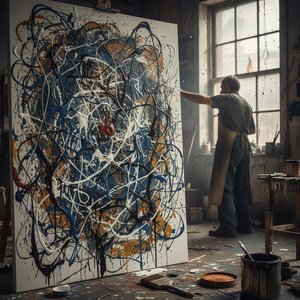
Paul Jackson Pollock: A Radical Departure – Exploring Abstract Expressionism's Pioneering Figure and His Enduring Legacy
Explore the revolutionary art of Jackson Pollock & Abstract Expressionism. Discover his iconic drip paintings, lasting impact, and considerations for collecting this pivotal American artist. Expert insights at OriginalUniqueArt.
Beyond Representation: Exploring the Emotional Landscape of Abstract Expressionism
Explore the profound emotional world of Abstract Expressionism with OriginalUniqueArt. Discover key artists like Pollock & Rothko, learn about collecting, and find museum-quality reproductions to inspire your space.

अमूर्त अभिव्यंजनावाद: शीर्ष 10 कलाकृतियाँ जिन्होंने परिभाषित किया कला की दुनिया
अमूर्त अभिव्यंजनावाद की 10 उत्कृष्ट कृतियाँ जानें! पोलक, रोथको जैसे कलाकारों के अनूठे रंगों और भावनाओं का अनुभव करें। OriginalUniqueArt.com पर कला इतिहास की गहराई में जाएँ और अपने घर के लिए अद्वितीय सजावट खोजें। ऑनलाइन संग्रह देखें!


