पूर्वावलोकन देखें
 भेजें
भेजें साझा करें
 विवरण देखें
 मार्गदर्शिका

 डाउनलोड करें
 समान वस्तुएं
 एक्स-रे
 स्लाइड शो देखें
 आंकड़े
Study - Landscape at Auvers


 और पढ़ें
गिक्ली / आर्ट प्रिंट
तेज़ उत्पादन और विभिन्न फिनिश विकल्पों के साथ म्यूजियम-क्वालिटी गिकली (giclée) या कैनवस प्रिंट। ( हाथ से बनी पेंटिंग खरीदें डिजिटल इमेज पर जाएँ)




P118B ₹10

P118H ₹10

P118W ₹10

P438Z ₹10

P508JH ₹12

P508YH ₹12

P805H ₹10

P805Z ₹10

P919BZ ₹10

P919G ₹10

P919XJ ₹10

P959ZH ₹10

P968JZ ₹12

W106C ₹8

W218G ₹10

W218JH ₹8

W218Y ₹10

W307PJ ₹10

W316G ₹10

W316PJ ₹8

W316Y ₹10

W398PJ ₹8

W4111J ₹10

W500HY ₹15

W500JH ₹15

W692G ₹12

W849H ₹8

W940BG ₹15

W953PJ ₹8




कलाकृति के मूल अनुपात से मेल खाने वाले हमारे पूर्व निर्धारित आकारों में से चुनें।

अपने फ्रेम या अपनी दीवार के अनुसार आवश्यक चौड़ाई और ऊंचाई दर्ज करें। प्रिंट को केवल काटा जा सकता है, चित्र से बड़ा कभी नहीं बनाया जा सकता, इसलिए अलग आकार का साइज चित्र का एक हिस्सा खो देता है। किसी भी चीज़ को प्रिंट करने से पहले हम आपकी स्वीकृति के लिए आपको एक डिजिटल मॉकअप भेजते हैं। इस पृष्ठ पर दिखाया गया चित्र वास्तविक कटिंग नहीं दिखाता है — केवल मॉकअप ही इसे दर्शाता है।
विश्वव्यापी डिलीवरी (), मानक 4/5 सप्ताह के बजाय मात्र 2 सप्ताह में। (24 अक्टूबर)

दुनिया भर में मुफ़्त एक्सप्रेस शिपिंग

प्रीमियम ग्रेड लिनेन कैनवास

पूर्ण शिपिंग बीमा

सीमा शुल्क और आयात कर वापसी की गारंटी

सटीक रंग मिलान की गारंटी

100 दिनों की वापसी नीति (केवल निर्माण दोष होने पर)

100% पैसे वापसी की गारंटी

थोक छूट का अवसर
 ग्लास का विकल्प केवल 110 सेमी से कम आकार में ही उपलब्ध है।

Study - Landscape at Auvers
गिक्ली / आर्ट प्रिंट
प्रतिकृति का आकार
-


कुल मूल्य
₹ 7681
A Window Into Auvers: Cézanne’s ‘Study – Landscape at Auvers’
Paul Cézanne's “Study – Landscape at Auvers” isn’t merely a depiction of a Provençal village; it’s a carefully constructed meditation on perception, color, and the very essence of seeing. Painted in 1890 during his sojourn in the small village of Auvers-sur-Oise, just outside Paris, this work embodies the core tenets of Post-Impressionism – a movement Cézanne profoundly shaped – moving beyond the fleeting effects of light to explore underlying forms and structures. It’s a painting that invites prolonged contemplation, revealing layers of meaning with each return visit.
Cézanne's approach was revolutionary for his time. He wasn’t interested in faithfully reproducing what he saw; instead, he sought to capture the *idea* of the landscape – its underlying geometry and the way it interacts with light. Notice how he employs flattened planes of color, reminiscent of Seurat’s pointillism but imbued with a far more expressive intent. These aren't simply decorative hues; they are carefully chosen to define shapes and create a sense of solidity within the composition. The greens and blues of the hills are not blended smoothly, but rather applied in distinct blocks, suggesting volume and depth through color alone. This deliberate manipulation of form anticipates the abstract explorations of Cubism that would follow.
The Village as a Constructed Reality
Auvers-sur-Oise itself held a particular significance for Cézanne. He had been invited there by his friend, Vincent van Gogh, who was struggling with mental illness and depression. While the two artists shared a mutual respect, their creative approaches were vastly different. Cézanne’s work in Auvers reflects a quiet intensity, a focused observation of the local environment. The village houses, rendered with simplified forms and bold colors, are not presented as charming rustic dwellings but rather as fundamental building blocks within a larger spatial arrangement. He meticulously observed the way light fell upon these structures, translating that experience onto the canvas with an almost architectural precision.
The inclusion of two figures – a man and a woman – adds a subtle layer of narrative to the scene. They are not actively engaged in any particular activity; instead, they seem to be simply present within the landscape, integrated into its fabric. Their placement is deliberate, drawing the eye across the composition and reinforcing Cézanne’s emphasis on spatial relationships. Some scholars suggest these figures represent Cézanne's wife, Marguérite, and their son, Paul, offering a glimpse into his personal life amidst his artistic endeavors.
Color, Light, and the Essence of Perception
Cézanne’s masterful use of color is central to the painting’s impact. He employs a limited palette – primarily blues, greens, browns, and ochres – but manipulates these colors with remarkable skill. The warm yellows and oranges of the sunlight contrast sharply with the cooler tones of the landscape, creating a dynamic interplay of light and shadow. He doesn't shy away from using non-naturalistic color combinations, prioritizing visual harmony over literal representation. This bold approach was revolutionary at the time, challenging traditional notions of how landscapes should be depicted.
Furthermore, Cézanne’s brushstrokes are deliberately visible, adding a tactile quality to the painting. They aren't blended or smoothed out; instead, they retain their individual character, creating a sense of movement and energy. This technique reflects his belief that the artist’s hand is an integral part of the creative process – a testament to the act of seeing itself.
A Legacy of Innovation
"Study – Landscape at Auvers" stands as a pivotal work in art history, bridging the gap between Impressionism and modernism. It demonstrates Cézanne’s profound understanding of form, color, and spatial relationships, paving the way for subsequent generations of artists to explore new ways of representing reality. Its influence can be seen in the works of Picasso, Matisse, and countless others who followed in his footsteps. Today, reproductions of this iconic painting continue to captivate viewers with its quiet beauty and enduring power.
To experience the full richness of Cézanne’s vision, explore high-quality hand-painted oil reproduction prints available at OriginalUniqueArt. Discover how these faithful recreations capture the essence of this groundbreaking masterpiece, bringing a touch of Provençal serenity to your home or studio.
प्रश्न और उत्तर
पॉल सेज़ान द्वारा "Study - Landscape at Auvers" किस आंदोलन और किस युग से संबंधित है?
पॉल सेज़ान द्वारा "Study - Landscape at Auvers" को इसके निर्माता के 19वीं शताब्दी युग के भीतर, Post-Impressionism आंदोलन के अंतर्गत रखा गया है।
"Study - Landscape at Auvers" किस बारे में है?
पॉल सेज़ान द्वारा "Study - Landscape at Auvers" में मौजूद विषयों में landscape, cézanne, provence, village, hills, trees, postimpressionism, rurallife शामिल हैं। ये मिलकर कलाकृति के विषय वस्तु का सार प्रस्तुत करते हैं।
पॉल सेज़ान द्वारा "Study - Landscape at Auvers" की एक प्रतिकृति (reproduction) कमरे में कैसा वातावरण लाएगी?
पॉल सेज़ान द्वारा "Study - Landscape at Auvers" का Serene वातावरण इसके अनुशंसित स्थान के साथ मेल खाता है: एक Living Room।
कलाकार का परिचय
पॉल सेज़ान: आधुनिक कला के पथप्रदर्शक
पॉल सेज़ान, जिनका जन्म 1839 में ऐक्स-एन-प्रोवेंस, फ्रांस में हुआ था, आधुनिक कला के इतिहास में एक विशाल व्यक्तित्व माने जाते हैं। उन्होंने प्रभाववाद की क्षणभंगुर छाप और घनत्ववाद के खंडित रूपों के बीच का सेतु बनाया। उनकी यात्रा तत्काल प्रशंसा की नहीं थी; बल्कि यह कलात्मक अन्वेषण की धीमी गति से चलने वाली प्रक्रिया थी, जो आत्म-संदेह और आलोचनात्मक अस्वीकृति की अवधि से चिह्नित थी, जिसका अंततः आधुनिक कला के पाठ्यक्रम को अपरिवर्तनीय रूप से बदलने वाले एक विरासत में परिणत हुआ। एक समृद्ध परिवार में जन्मे – उनके पिता शुरू में एक टोपी निर्माता थे जो बाद में बैंकर बन गए – सेज़ान को अभिरुचि कलाकारों के लिए असामान्य वित्तीय सुरक्षा का आनंद मिला, जिससे उन्हें वाणिज्यिक सफलता के तत्काल दबावों के बिना अपनी कला के प्रति अपने जुनून को समर्पित करने की स्वतंत्रता मिली। हालाँकि उनके पिता ने शुरू में कानूनी करियर की ओर उनका मार्गदर्शन किया था, लेकिन कलात्मक अभिव्यक्ति की प्रबलता बहुत अधिक थी, और उन्होंने अंततः कानून छोड़ दिया और चित्रकला का पीछा किया, एक निर्णय जिसने उनके जीवन को परिभाषित किया। प्रारंभिक प्रभावों में उनकी जवानी में प्रचलित रोमांटिसिज्म और बारबाइजोन स्कूल का परिदृश्य के प्रति समर्पण शामिल थे, लेकिन पॉल गौगिन और जॉर्जेस सेउराट जैसे कलाकारों के साथ मुठभेड़ों और रंग और रूप के प्रति उनके नवीन दृष्टिकोणों के माध्यम से ही सेज़ान ने अपना विशिष्ट मार्ग प्रशस्त करना शुरू किया।अंधेरे से संरचना तक: एक शैली का विकास
सेज़ान के शुरुआती काम अक्सर रोमांटिक पेंटिंग की विशेषता वाले नाटकीय, भावनात्मक रूप से आवेशित विषयों को दर्शाते थे – कैनवस पर गहरे पैलेट और अभिव्यंजक ब्रशवर्क हावी होते थे। हालाँकि, यह प्रारंभिक चरण केवल एक कदम था जो बहुत अधिक विश्लेषणात्मक और अभूतपूर्व दृष्टिकोण की ओर ले जाता है। प्रकाश के क्षणभंगुर प्रभावों को बस कैप्चर करने से असंतुष्ट होकर, जैसा कि प्रभाववादियों द्वारा पसंद किया गया था, सेज़ान ने वस्तुओं की अंतर्निहित संरचना को समझने और उनका प्रतिनिधित्व करने का प्रयास किया। उन्होंने न केवल *क्या* देखा, बल्कि उन्होंने वास्तविकता का गठन करने वाले मौलिक रूपों को *कैसे* समझा। इसने उन्हें प्राकृतिक आकृतियों को उनके ज्यामितीय समकक्षों में तोड़ने के लिए प्रेरित किया - शंकु, सिलेंडर, गोले - दशकों से घनत्ववादी क्रांति की भविष्यवाणी करते हुए। उनकी तकनीक छोटे, दोहराए जाने वाले ब्रशस्ट्रोक द्वारा चिह्नित थी, सावधानीपूर्वक जटिल रंग और बनावट के क्षेत्रों का निर्माण करने के लिए परतदार, पहले कभी नहीं देखी गई पेंटिंग में ठोसता और गहराई की भावना पैदा करता है। उनका उद्देश्य भ्रामक स्थान नहीं था; इसके बजाय, उन्होंने अक्सर वस्तुओं को एक साथ कई दृष्टिकोणों से प्रस्तुत किया, पारंपरिक परिप्रेक्ष्य की पारंपरिक धारणाओं को चुनौती दी और दर्शक को अपने रचनाओं के निर्मित स्वभाव के साथ सक्रिय रूप से जुड़ने के लिए मजबूर किया। यह जानबूझकर विकृति मनमानी नहीं थी बल्कि रूप की अधिक पूर्ण समझ व्यक्त करने का प्रयास था, समय के एक क्षण को दर्शाने के बजाय धारणा का संश्लेषण।परिदृश्य, स्थिर जीवन और मानव रूप: प्रमुख कार्य और आवर्ती रूपांकन
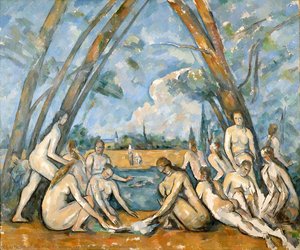
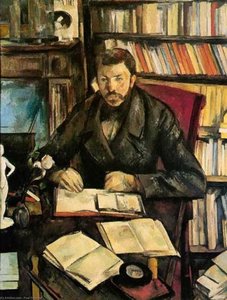
सेज़ान का काम उल्लेखनीय रूप से विविध है, जिसमें परिदृश्य, स्थिर जीवन, चित्र और नर्तकियों के चित्रण शामिल हैं, लेकिन सभी अपनी अनूठी दृष्टिकोण से रूप और रंग को एकीकृत करते हैं। जैस डी बुफन में तालाब, 1880 में चित्रित, उनके परिदृश्य कार्य का उदाहरण है, जो आकृतियों और टोन की सावधानीपूर्वक व्यवस्था के माध्यम से प्रकृति के सार को कैप्चर करने की उनकी क्षमता को दर्शाता है। एमिल ज़ोला का चित्र, 1866 में बनाया गया, उनकी विकसित शैली को प्रकट करता है और अपने करीबी मित्र और साथी लेखक के बौद्धिक तीव्रता की एक सम्मोहक झलक प्रदान करता है। उनके स्थिर जीवन, जैसे कि सेब और अन्य फलों वाले, वस्तुओं के केवल प्रतिनिधित्व नहीं हैं बल्कि आयतन, प्रकाश और स्थानिक संबंधों की खोज हैं। माउंट सैंट-विक्टोर श्रृंखला सेज़ान के लिए एक जुनून बन गई, एक आवर्ती रूपांकन जिसने उन्हें दशकों तक रूप और परिप्रेक्ष्य की जांच करने की अनुमति दी। ये चित्र पहाड़ का सिर्फ चित्रण नहीं है; वे गहराई, आयतन और प्रकाश और छाया के बीच परस्पर क्रिया को समझने के तरीके के अध्ययन हैं। अंत में, नर्तकियों की उनकी श्रृंखला, रमणीय परिदृश्यों में नग्न आंकड़े दर्शाती है, मानव रूप और प्रकृति के बीच संबंध की एक गहन खोज का प्रतिनिधित्व करती है, अक्सर कालातीतता और शांत चिंतन की भावना से भरी होती है।नवोन्मेष से निर्मित विरासत: आधुनिक कला पर सेज़ान का प्रभाव
पॉल सेज़ान का बाद की पीढ़ियों के कलाकारों पर प्रभाव असीम है। उन्हें उनकी चित्रभाषा में अभूतपूर्व योगदान के लिए "आधुनिक कला के पिता" माने जाते हैं, जिसने 20वीं शताब्दी की कई प्रमुख कलात्मक आंदोलनों के मार्ग प्रशस्त किया। पाब्लो पिकासो और जॉर्जेस ब्राक सेज़ान के ज्यामितीय रूपों और बहु-दृष्टिकोणों पर जोर से गहराई से ऋणी थे, जो घनत्ववाद के केंद्रीय सिद्धांत बन गए। उनके रंग का बोल्ड उपयोग हेनरी मैटिस जैसे कलाकारों द्वारा संचालित फाविस्ट आंदोलन को भी प्रेरित किया, जिन्होंने गैर-प्राकृतिक जीवंत रंगों को अपनाया। यहां तक कि अतियथार्थवादी कलाकारों ने भी सेज़ान की व्यक्तिपरक धारणा और मनोवैज्ञानिक गहराई की खोज में प्रतिध्वनि पाई। विशिष्ट आंदोलनों से परे, सेज़ान की व्यक्तिगत दृष्टि पर जोर और पारंपरिक शैक्षणिक बाधाओं के अस्वीकृति ने कलाकारों की पीढ़ियों को अभिव्यक्ति के नए रूपों का पता लगाने के लिए मुक्त कर दिया। उन्होंने प्रतिनिधित्व की बहुत परिभाषा को चुनौती दी, नकल से दूर ध्यान बदलकर अंतर्निहित संरचना और व्यक्तिपरक धारणा पर आधारित एक दृश्य अनुभव बनाने पर केंद्रित किया। 1906 में उनकी मृत्यु कला के इतिहास के एक नए युग के उदय - उनकी क्रांतिकारी दृष्टि से गहराई से प्रभावित - का प्रतीक नहीं थी बल्कि शुरुआत थी।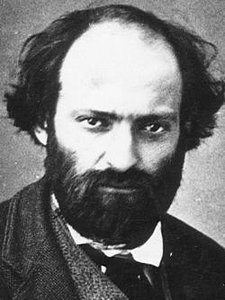
पॉल सेज़ान
1839 - 1906 , फ्रांस
संक्षिप्त जानकारी
- Artistic Movement Or Style: उत्तर-प्रभाववादी
- Artists Or Movements Influenced By This Artist:
- घनवाद
- फोविज़्म
- अति यथार्थवाद
- Artists Who Influenced This Artist:
- रोमांटिकवाद
- बारबाइज़न स्कूल
- पॉल गौगिन
- जॉर्ज सीराट
- Date Of Birth: 19 जनवरी 1839
- Date Of Death: 22 अक्टूबर 1906
- Full Name: पॉल सेज़ान
- Nationality: फ्रांसीसी
- Notable Artworks:
- जैस डी बुफैन का तालाब
- एमिल ज़ोला का चित्र
- वन
- माउंट सैंट-विक्टोर श्रृंखला
- स्नानकर्ता
- Place Of Birth: एईक्स-एन-प्रोवेंस, फ्रांस
संबंधित लेखों की सूची
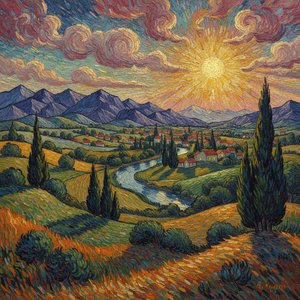
Beyond Impressionism: The Emotional Depth and Vibrant Evolution of Post-Impressionist Landscapes
Explore the profound evolution of Post-Impressionist landscapes. From Van Gogh's emotional brushwork to Cézanne's structural mastery, discover how these visionaries redefined art history through color and form in this expert guide for fine art enthusiasts.

पॉल सेज़ान की शीर्ष 25 उत्कृष्ट कृतियाँ: कला और सजावट का अद्भुत संग्रह | OriginalUniqueArt
पॉल सेज़ान की शीर्ष 25 उत्कृष्ट कृतियों का अन्वेषण करें! प्रभाववाद और आधुनिक कला के जनक सेज़ान के जीवन, शैली और प्रसिद्ध चित्रों को जानें। OriginalUniqueArt पर उच्च गुणवत्ता वाले कैनवास प्रिंट और दीवार सजावट खरीदें।
पॉल क्ली की शीर्ष 25 कलाकृतियाँ: रंग, रूप और भावनाओं का अद्भुत संगम | OriginalUniqueArt
पॉल क्ली की शीर्ष 25 कलाकृतियों का अन्वेषण करें! रंग, रूप और भावनाओं से भरी अमूर्त कला के जादू को जानें। Bauhaus शैली, स्विस कलाकार और आधुनिक कला इतिहास में डूब जाएं। OriginalUniqueArt.com पर उच्च-गुणवत्ता वाले कला प्रिंट खोजें।
Beyond Impressionism: Exploring the Emotional Depth of Post-Impressionist Painting
Explore the profound emotional depth & innovative techniques of Post-Impressionism with OriginalUniqueArt. Discover Cézanne, Van Gogh, Gauguin & more – and their lasting impact on modern art.

Impressionistic Landscapes: 10 Masterpieces That Changed Art & Decor
Journey into the heart of Impressionism! Explore 10 masterpieces by Monet, Renoir & Degas that revolutionized landscape art. Discover their stories, techniques & find museum-quality reproductions to elevate your home decor on OriginalUniqueArt.com.