पूर्वावलोकन देखें
 भेजें
भेजें साझा करें
 विवरण देखें
 मार्गदर्शिका

 डाउनलोड करें
 समान वस्तुएं
 एक्स-रे
 स्लाइड शो देखें
 आंकड़े
Still life with three skulls


 और पढ़ें
गिक्ली / आर्ट प्रिंट
तेज़ उत्पादन और विभिन्न फिनिश विकल्पों के साथ म्यूजियम-क्वालिटी गिकली (giclée) या कैनवस प्रिंट। ( हाथ से बनी पेंटिंग खरीदें डिजिटल इमेज पर जाएँ)




P118B ₹10

P118H ₹10

P118W ₹10

P438Z ₹10

P508JH ₹12

P508YH ₹12

P805H ₹10

P805Z ₹10

P919BZ ₹10

P919G ₹10

P919XJ ₹10

P959ZH ₹10

P968JZ ₹12

W106C ₹8

W218G ₹10

W218JH ₹8

W218Y ₹10

W307PJ ₹10

W316G ₹10

W316PJ ₹8

W316Y ₹10

W398PJ ₹8

W4111J ₹10

W500HY ₹15

W500JH ₹15

W692G ₹12

W849H ₹8

W940BG ₹15

W953PJ ₹8




कलाकृति के मूल अनुपात से मेल खाने वाले हमारे पूर्व निर्धारित आकारों में से चुनें।

अपने फ्रेम या अपनी दीवार के अनुसार आवश्यक चौड़ाई और ऊंचाई दर्ज करें। प्रिंट को केवल काटा जा सकता है, चित्र से बड़ा कभी नहीं बनाया जा सकता, इसलिए अलग आकार का साइज चित्र का एक हिस्सा खो देता है। किसी भी चीज़ को प्रिंट करने से पहले हम आपकी स्वीकृति के लिए आपको एक डिजिटल मॉकअप भेजते हैं। इस पृष्ठ पर दिखाया गया चित्र वास्तविक कटिंग नहीं दिखाता है — केवल मॉकअप ही इसे दर्शाता है।
विश्वव्यापी डिलीवरी (), मानक 4/5 सप्ताह के बजाय मात्र 2 सप्ताह में। (26 अक्टूबर)

दुनिया भर में मुफ़्त एक्सप्रेस शिपिंग

प्रीमियम ग्रेड लिनेन कैनवास

पूर्ण शिपिंग बीमा

सीमा शुल्क और आयात कर वापसी की गारंटी

सटीक रंग मिलान की गारंटी

100 दिनों की वापसी नीति (केवल निर्माण दोष होने पर)

100% पैसे वापसी की गारंटी

थोक छूट का अवसर
 ग्लास का विकल्प केवल 110 सेमी से कम आकार में ही उपलब्ध है।

Still life with three skulls
गिक्ली / आर्ट प्रिंट
प्रतिकृति का आकार
-


कुल मूल्य
₹ 7675
Still Life with Three Skulls: A Meditation on Mortality by Paul Cézanne
Paul Cézanne’s “Still Life with Three Skulls,” painted around 1903, is far more than a simple arrangement of bone; it's a profound and unsettling meditation on mortality, the passage of time, and the very essence of being. This work, housed within the Art Institute of Chicago, stands as a pivotal moment in Cézanne’s artistic evolution – a bridge between the vibrant hues of Impressionism and the nascent geometric explorations that would define Cubism. The painting immediately confronts the viewer with its stark simplicity: three skulls, arranged in a deliberate pyramid formation, rest upon a draped couch beneath a muted, almost somber sky. Yet, within this apparent stillness lies a complex web of symbolism and artistic innovation. The choice of skulls as subject matter is deeply rooted in the late 19th century’s fascination with death and decay – a theme prevalent in still life painting since the Middle Ages. However, Cézanne transcends mere representation; he imbues these objects with an almost sculptural quality. The artist's use of watercolour, a medium often associated with delicacy, here creates a startling contrast against the macabre subject matter. The translucent washes and loose brushstrokes lend a sense of fragility to the skulls, as if they might dissolve into nothingness at any moment. This deliberate juxtaposition of materials – the smooth, cool surface of the paper versus the rough texture of bone – heightens the painting’s emotional impact. Notably, Cézanne's exploration of this theme aligns with his personal reflections on mortality, documented in his letters during his final years, where he frequently expressed a preoccupation with death and the ephemeral nature of life. Cézanne’s revolutionary approach to composition is immediately apparent. He abandons traditional perspective, flattening space and prioritizing the underlying structure of objects. The skulls are not depicted as realistically as one might expect; instead, they are rendered as simplified geometric forms – pyramids, planes, and cylinders – echoing Cézanne's earlier studies of Mont Sainte-Victoire. This technique, a cornerstone of his artistic vision, anticipates the Cubist movement that would emerge decades later. The strategic placement of the two chairs in the background further reinforces this sense of spatial ambiguity, drawing the viewer’s eye into the heart of the composition and emphasizing the skulls' central role. The muted color palette – primarily browns, grays, and pale yellows – contributes to the painting’s somber mood, creating a visual atmosphere that is both haunting and contemplative. Beyond its formal innovations, “Still Life with Three Skulls” carries a potent symbolic weight. The skull, traditionally associated with death and remembrance, serves as a reminder of our own mortality. Cézanne's deliberate arrangement in a pyramid – a shape often linked to stability and eternity – suggests an attempt to grapple with the paradox of life and death. The painting can be interpreted as a meditation on the cyclical nature of existence, where decay and renewal are inextricably intertwined. Furthermore, the work’s historical context is crucial: Cézanne was part of a Post-Impressionist movement that reacted against Impressionism's focus on capturing fleeting moments of light and color. He sought to create works with a more enduring quality, rooted in underlying structure and form. His initial reception was mixed, met with incomprehension and ridicule, but his work gradually gained recognition through the support of fellow artists like Camille Pissarro and Ambroise Vollard.- Key Techniques: Watercolour on paper; Loose brushstrokes; Flattened perspective; Geometric simplification.
- Symbolism: Mortality, decay, the passage of time, cyclical existence.
- Historical Context: Post-Impressionism; Reaction against Impressionism’s focus on light and color; Influence on Cubism.
Paul Cézanne: A Biographical Sketch
Born in Aix-en-Provence, France, in 1839, Paul Cézanne’s artistic journey was anything but conventional. Initially destined for a career in law, he abandoned his family's expectations and pursued his passion for painting with unwavering determination. His father, a successful banker, provided the financial stability that allowed him to dedicate himself fully to art – a rare privilege at the time. Cézanne’s early influences included Romanticism and the Barbizon school of landscape painting, which instilled in him a deep appreciation for nature and its forms. However, he quickly developed his own distinctive style, characterized by an emphasis on structure, color, and form. Cézanne's artistic development was shaped by encounters with other artists, including Vincent van Gogh and Paul Gauguin, whose explorations of color and form profoundly influenced his work. He spent several years studying at the Académie Suisse in Paris but largely developed his style independently, experimenting with various techniques and approaches. His dedication to observation and analysis is evident in his meticulous studies of objects – fruits, landscapes, and still lifes – which he used as a foundation for his paintings. Cézanne’s later life was marked by increasing isolation and a preoccupation with mortality, themes that are powerfully expressed in works like “Still Life with Three Skulls.” Despite facing initial criticism and rejection, Cézanne's innovative spirit ultimately paved the way for modern art, leaving an indelible mark on the history of painting.- Birth Year: 1839
- Birth City: Aix-en-Provence
- Birth Country: France
- Key Influences: Romanticism, Barbizon School, Vincent van Gogh, Paul Gauguin.
प्रश्न और उत्तर
कला के इतिहास में पॉल सेज़ान द्वारा "Still life with three skulls" का क्या स्थान है?
पॉल सेज़ान द्वारा "Still life with three skulls" का कला-ऐतिहासिक वर्गीकरण Post-Impressionism है, जो 19वीं शताब्दी काल का है।
"Still life with three skulls" पॉल सेज़ान के विकास के किस चरण का प्रतिनिधित्व करता है?
"Still life with three skulls" पॉल सेज़ान के करियर के Late Period काल से संबंधित है। यह वर्गीकरण इस कृति को कलाकार के विकासक्रम से जोड़ता है।
क्या पॉल सेज़ान द्वारा निर्मित "Still life with three skulls" सार्वजनिक डोमेन (public domain) में है, और क्यों?
"Still life with three skulls" की कॉपीराइट स्थिति - सार्वजनिक डोमेन में - इसका कॉपीराइट समाप्त हो चुका है - कलाकार की 1906 में मृत्यु के आधार पर निर्धारित होती है।
कलाकार का परिचय
पॉल सेज़ान: आधुनिक कला के पथप्रदर्शक
पॉल सेज़ान, जिनका जन्म 1839 में ऐक्स-एन-प्रोवेंस, फ्रांस में हुआ था, आधुनिक कला के इतिहास में एक विशाल व्यक्तित्व माने जाते हैं। उन्होंने प्रभाववाद की क्षणभंगुर छाप और घनत्ववाद के खंडित रूपों के बीच का सेतु बनाया। उनकी यात्रा तत्काल प्रशंसा की नहीं थी; बल्कि यह कलात्मक अन्वेषण की धीमी गति से चलने वाली प्रक्रिया थी, जो आत्म-संदेह और आलोचनात्मक अस्वीकृति की अवधि से चिह्नित थी, जिसका अंततः आधुनिक कला के पाठ्यक्रम को अपरिवर्तनीय रूप से बदलने वाले एक विरासत में परिणत हुआ। एक समृद्ध परिवार में जन्मे – उनके पिता शुरू में एक टोपी निर्माता थे जो बाद में बैंकर बन गए – सेज़ान को अभिरुचि कलाकारों के लिए असामान्य वित्तीय सुरक्षा का आनंद मिला, जिससे उन्हें वाणिज्यिक सफलता के तत्काल दबावों के बिना अपनी कला के प्रति अपने जुनून को समर्पित करने की स्वतंत्रता मिली। हालाँकि उनके पिता ने शुरू में कानूनी करियर की ओर उनका मार्गदर्शन किया था, लेकिन कलात्मक अभिव्यक्ति की प्रबलता बहुत अधिक थी, और उन्होंने अंततः कानून छोड़ दिया और चित्रकला का पीछा किया, एक निर्णय जिसने उनके जीवन को परिभाषित किया। प्रारंभिक प्रभावों में उनकी जवानी में प्रचलित रोमांटिसिज्म और बारबाइजोन स्कूल का परिदृश्य के प्रति समर्पण शामिल थे, लेकिन पॉल गौगिन और जॉर्जेस सेउराट जैसे कलाकारों के साथ मुठभेड़ों और रंग और रूप के प्रति उनके नवीन दृष्टिकोणों के माध्यम से ही सेज़ान ने अपना विशिष्ट मार्ग प्रशस्त करना शुरू किया।अंधेरे से संरचना तक: एक शैली का विकास
सेज़ान के शुरुआती काम अक्सर रोमांटिक पेंटिंग की विशेषता वाले नाटकीय, भावनात्मक रूप से आवेशित विषयों को दर्शाते थे – कैनवस पर गहरे पैलेट और अभिव्यंजक ब्रशवर्क हावी होते थे। हालाँकि, यह प्रारंभिक चरण केवल एक कदम था जो बहुत अधिक विश्लेषणात्मक और अभूतपूर्व दृष्टिकोण की ओर ले जाता है। प्रकाश के क्षणभंगुर प्रभावों को बस कैप्चर करने से असंतुष्ट होकर, जैसा कि प्रभाववादियों द्वारा पसंद किया गया था, सेज़ान ने वस्तुओं की अंतर्निहित संरचना को समझने और उनका प्रतिनिधित्व करने का प्रयास किया। उन्होंने न केवल *क्या* देखा, बल्कि उन्होंने वास्तविकता का गठन करने वाले मौलिक रूपों को *कैसे* समझा। इसने उन्हें प्राकृतिक आकृतियों को उनके ज्यामितीय समकक्षों में तोड़ने के लिए प्रेरित किया - शंकु, सिलेंडर, गोले - दशकों से घनत्ववादी क्रांति की भविष्यवाणी करते हुए। उनकी तकनीक छोटे, दोहराए जाने वाले ब्रशस्ट्रोक द्वारा चिह्नित थी, सावधानीपूर्वक जटिल रंग और बनावट के क्षेत्रों का निर्माण करने के लिए परतदार, पहले कभी नहीं देखी गई पेंटिंग में ठोसता और गहराई की भावना पैदा करता है। उनका उद्देश्य भ्रामक स्थान नहीं था; इसके बजाय, उन्होंने अक्सर वस्तुओं को एक साथ कई दृष्टिकोणों से प्रस्तुत किया, पारंपरिक परिप्रेक्ष्य की पारंपरिक धारणाओं को चुनौती दी और दर्शक को अपने रचनाओं के निर्मित स्वभाव के साथ सक्रिय रूप से जुड़ने के लिए मजबूर किया। यह जानबूझकर विकृति मनमानी नहीं थी बल्कि रूप की अधिक पूर्ण समझ व्यक्त करने का प्रयास था, समय के एक क्षण को दर्शाने के बजाय धारणा का संश्लेषण।परिदृश्य, स्थिर जीवन और मानव रूप: प्रमुख कार्य और आवर्ती रूपांकन
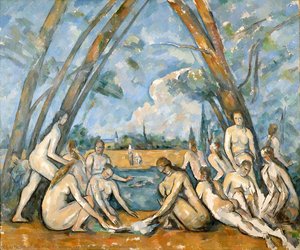
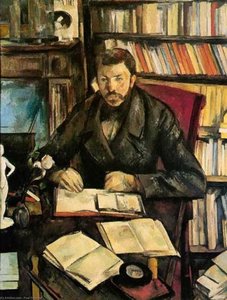
सेज़ान का काम उल्लेखनीय रूप से विविध है, जिसमें परिदृश्य, स्थिर जीवन, चित्र और नर्तकियों के चित्रण शामिल हैं, लेकिन सभी अपनी अनूठी दृष्टिकोण से रूप और रंग को एकीकृत करते हैं। जैस डी बुफन में तालाब, 1880 में चित्रित, उनके परिदृश्य कार्य का उदाहरण है, जो आकृतियों और टोन की सावधानीपूर्वक व्यवस्था के माध्यम से प्रकृति के सार को कैप्चर करने की उनकी क्षमता को दर्शाता है। एमिल ज़ोला का चित्र, 1866 में बनाया गया, उनकी विकसित शैली को प्रकट करता है और अपने करीबी मित्र और साथी लेखक के बौद्धिक तीव्रता की एक सम्मोहक झलक प्रदान करता है। उनके स्थिर जीवन, जैसे कि सेब और अन्य फलों वाले, वस्तुओं के केवल प्रतिनिधित्व नहीं हैं बल्कि आयतन, प्रकाश और स्थानिक संबंधों की खोज हैं। माउंट सैंट-विक्टोर श्रृंखला सेज़ान के लिए एक जुनून बन गई, एक आवर्ती रूपांकन जिसने उन्हें दशकों तक रूप और परिप्रेक्ष्य की जांच करने की अनुमति दी। ये चित्र पहाड़ का सिर्फ चित्रण नहीं है; वे गहराई, आयतन और प्रकाश और छाया के बीच परस्पर क्रिया को समझने के तरीके के अध्ययन हैं। अंत में, नर्तकियों की उनकी श्रृंखला, रमणीय परिदृश्यों में नग्न आंकड़े दर्शाती है, मानव रूप और प्रकृति के बीच संबंध की एक गहन खोज का प्रतिनिधित्व करती है, अक्सर कालातीतता और शांत चिंतन की भावना से भरी होती है।नवोन्मेष से निर्मित विरासत: आधुनिक कला पर सेज़ान का प्रभाव
पॉल सेज़ान का बाद की पीढ़ियों के कलाकारों पर प्रभाव असीम है। उन्हें उनकी चित्रभाषा में अभूतपूर्व योगदान के लिए "आधुनिक कला के पिता" माने जाते हैं, जिसने 20वीं शताब्दी की कई प्रमुख कलात्मक आंदोलनों के मार्ग प्रशस्त किया। पाब्लो पिकासो और जॉर्जेस ब्राक सेज़ान के ज्यामितीय रूपों और बहु-दृष्टिकोणों पर जोर से गहराई से ऋणी थे, जो घनत्ववाद के केंद्रीय सिद्धांत बन गए। उनके रंग का बोल्ड उपयोग हेनरी मैटिस जैसे कलाकारों द्वारा संचालित फाविस्ट आंदोलन को भी प्रेरित किया, जिन्होंने गैर-प्राकृतिक जीवंत रंगों को अपनाया। यहां तक कि अतियथार्थवादी कलाकारों ने भी सेज़ान की व्यक्तिपरक धारणा और मनोवैज्ञानिक गहराई की खोज में प्रतिध्वनि पाई। विशिष्ट आंदोलनों से परे, सेज़ान की व्यक्तिगत दृष्टि पर जोर और पारंपरिक शैक्षणिक बाधाओं के अस्वीकृति ने कलाकारों की पीढ़ियों को अभिव्यक्ति के नए रूपों का पता लगाने के लिए मुक्त कर दिया। उन्होंने प्रतिनिधित्व की बहुत परिभाषा को चुनौती दी, नकल से दूर ध्यान बदलकर अंतर्निहित संरचना और व्यक्तिपरक धारणा पर आधारित एक दृश्य अनुभव बनाने पर केंद्रित किया। 1906 में उनकी मृत्यु कला के इतिहास के एक नए युग के उदय - उनकी क्रांतिकारी दृष्टि से गहराई से प्रभावित - का प्रतीक नहीं थी बल्कि शुरुआत थी।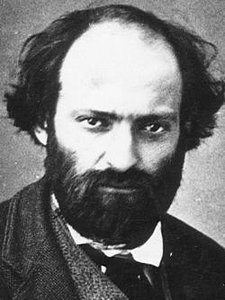
पॉल सेज़ान
1839 - 1906 , फ्रांस
संक्षिप्त जानकारी
- Artistic Movement Or Style: उत्तर-प्रभाववादी
- Artists Or Movements Influenced By This Artist:
- घनवाद
- फोविज़्म
- अति यथार्थवाद
- Artists Who Influenced This Artist:
- रोमांटिकवाद
- बारबाइज़न स्कूल
- पॉल गौगिन
- जॉर्ज सीराट
- Date Of Birth: 19 जनवरी 1839
- Date Of Death: 22 अक्टूबर 1906
- Full Name: पॉल सेज़ान
- Nationality: फ्रांसीसी
- Notable Artworks:
- जैस डी बुफैन का तालाब
- एमिल ज़ोला का चित्र
- वन
- माउंट सैंट-विक्टोर श्रृंखला
- स्नानकर्ता
- Place Of Birth: एईक्स-एन-प्रोवेंस, फ्रांस
संबंधित लेखों की सूची

Ephemeral Visions: Exploring the History & Emotional Resonance of Watercolor Painting
Explore the captivating history of watercolor painting, from ancient techniques to modern masters like Kandinsky & Blake. Discover essential artists, collecting tips & the emotional power of this luminous medium. Expert insights for art enthusiasts.

पॉल सेज़ान की शीर्ष 25 उत्कृष्ट कृतियाँ: कला और सजावट का अद्भुत संग्रह | OriginalUniqueArt
पॉल सेज़ान की शीर्ष 25 उत्कृष्ट कृतियों का अन्वेषण करें! प्रभाववाद और आधुनिक कला के जनक सेज़ान के जीवन, शैली और प्रसिद्ध चित्रों को जानें। OriginalUniqueArt पर उच्च गुणवत्ता वाले कैनवास प्रिंट और दीवार सजावट खरीदें।

Beyond Impressionism: Exploring the Emotional Depth of Post-Impressionist Painting
Explore the profound emotional depth & innovative techniques of Post-Impressionism with OriginalUniqueArt. Discover Cézanne, Van Gogh, Gauguin & more – and their lasting impact on modern art.

Watercolor Wonders: 10 Masterpieces That Redefined Art History | OriginalUniqueArt
Journey through 10 legendary watercolor masterpieces by Sargent, Turner & Homer! Explore iconic landscapes, portraits & floral art that redefined history. Find museum-quality reproductions and curated decor ideas at OriginalUniqueArt.com.

Ephemeral Visions: Exploring the Artistic Legacy & Contemporary Practice of Watercolor Painting
Explore the captivating world of watercolor painting! Discover its rich history, essential techniques, influential artists & collecting tips. A comprehensive guide for art enthusiasts from OriginalUniqueArt.