पूर्वावलोकन देखें
 साझा करें
 साझा करें
 विस्तृत विवरण

 डाउनलोड करें
 समान कलाकृतियाँ
 एक्स-रे
 स्लाइड शो देखें
Self-Portrait (Puskin)


 पूरा देखें
गिक्ली / आर्ट प्रिंट
तेज़ उत्पादन और विभिन्न फिनिश विकल्पों के साथ म्यूजियम-क्वालिटी गिकली (giclée) या कैनवस प्रिंट। ( हाथ से बनी पेंटिंग खरीदें छवि खरीदें)




P118B $10

P118H $10

P118W $10

P438Z $10

P508JH $12

P508YH $12

P805H $10

P805Z $10

P919BZ $10

P919G $10

P919XJ $10

P959ZH $10

P968JZ $12

W106C $8

W218G $10

W218JH $8

W218Y $10

W307PJ $10

W316G $10

W316PJ $8

W316Y $10

W398PJ $8

W4111J $10

W500HY $15

W500JH $15

W692G $12

W849H $8

W940BG $15

W953PJ $8




कलाकृति के मूल अनुपात से मेल खाने वाले हमारे पूर्व निर्धारित आकारों में से चुनें।

आप किसी विशिष्ट फ्रेम या स्थान के अनुसार अपने स्वयं के आयाम (dimensions) दर्ज कर सकते हैं। यदि आपके द्वारा चुना गया आकार मूल छवि के अनुपात से मेल नहीं खाता है, तो हम कलाकृति को क्रॉप कर देंगे या मिरर किए गए या सॉलिड-फिल किनारे के साथ छवि का विस्तार करेंगे। उत्पादन शुरू होने से पहले आपकी स्वीकृति के लिए एक डिजिटल मॉकअप भेजा जाएगा।
कृपया ध्यान दें कि स्क्रीन पर दिखने वाला प्रीव्यू वास्तविक क्रॉपिंग या विस्तार को नहीं दर्शाता है। केवल मॉकअप ही अंतिम संरचना को सटीक रूप से दिखाएगा।
हालाँकि कस्टम आकार उपलब्ध हैं, फिर भी हम मूल अनुपात बनाए रखने के लिए पूर्व-निर्धारित सूची में से एक आयाम चुनने की सलाह देते हैं।
विश्वव्यापी डिलीवरी (), मानक 4/5 सप्ताह के बजाय मात्र 2 सप्ताह में। (22 अगस्त)

दुनिया भर में मुफ़्त एक्सप्रेस शिपिंग

उच्च गुणवत्ता वाला लिनेन कैनवास

पूर्ण शिपिंग बीमा

सीमा शुल्क और आयात कर वापसी की गारंटी

सटीक रंग मिलान की गारंटी

60-दिन की वापसी नीति (केवल दोषों के लिए)

100% पैसे वापसी की गारंटी

थोक छूट का लाभ
 ग्लास का विकल्प केवल 110 सेमी से कम आकार में ही उपलब्ध है।

Self-Portrait (Puskin)
गिक्ली / आर्ट प्रिंट
प्रतिकृति का आकार
-


कुल देय राशि
$ 80
संग्रहणीय वस्तु का विवरण
Paul Cézanne’s Self-Portrait (Puskin): A Window into Modern Consciousness
Paul Cézanne's Self-Portrait (Puskin), painted around 1876-1880, isn’t merely a likeness; it’s a profound meditation on the act of seeing itself. This intimate canvas, now residing within the Puschkin Museum in Moscow, offers a rare glimpse into the artist's evolving mind – a pivotal moment where Impressionism began to yield to the nascent explorations that would define his revolutionary Post-Impressionist style. More than just a portrait, it’s a carefully constructed visual puzzle, inviting us to contemplate Cézanne’s relationship with both himself and the world around him.
The painting immediately draws the eye with its deliberate simplicity. Cézanne presents himself in a relatively neutral pose, seated before a plain, almost austere, wall adorned with a subtle floral wallpaper. He wears a dark jacket, his hands resting lightly on his lap – gestures that suggest both contemplation and a quiet reserve. Yet, it’s not this straightforward depiction that holds the most significance. Instead, Cézanne employs a masterful manipulation of color and form to create an atmosphere of layered depth and emotional resonance. The palette is restrained, dominated by muted blues, ochres, and browns, but these aren't applied with the fleeting brushstrokes characteristic of Impressionism. Instead, Cézanne builds up his forms through numerous small, broken strokes – a technique he would later refine to an extraordinary degree. These individual marks coalesce into solid planes of color, creating a sense of volume and weight that feels remarkably sculptural.
Crucially, Cézanne’s use of color is anything but naturalistic. He deliberately distorts the hues, employing unnatural shades – particularly in the rendering of his face and hands – to heighten their expressive power. The cool blues and greens used for the skin create a sense of distance and introspection, while the warm browns suggest an inner intensity. This departure from traditional portraiture reflects Cézanne’s growing interest in exploring the underlying structure of objects rather than simply capturing their appearance. He's not interested in replicating reality; he’s striving to represent how we *perceive* it – a core tenet of his evolving artistic philosophy.
The background wallpaper, with its repeating geometric patterns, plays an equally vital role. Cézanne doesn’t treat it as a mere decorative element but rather as a structural framework for the composition. He meticulously integrates the pattern into the overall design, echoing shapes and lines within the portrait itself. This creates a fascinating interplay between the figure and his environment, suggesting that Cézanne sees himself as an integral part of the natural world – a theme that would become increasingly prominent in his later works. The subtle diagonal lines of the wallpaper, for instance, mirror the contours of his face, subtly unifying the two elements within the painting.
Beyond its formal innovations, Self-Portrait (Puskin) possesses a palpable emotional depth. Cézanne’s gaze is direct and unwavering, yet there's also an underlying sense of melancholy or perhaps even quiet resignation. It’s as if he’s inviting the viewer to share in his internal world – a world characterized by both intense observation and profound introspection. This painting represents a crucial turning point in Cézanne’s career, marking a decisive shift away from Impressionism towards a more personal and expressive style that would profoundly influence the course of modern art. It's a testament to the power of seeing, not just with the eyes, but with the entire being.
The Post-Impressionist Context
Cézanne’s Self-Portrait (Puskin) stands as a cornerstone of the Post-Impressionist movement. Emerging in the late 19th century, Post-Impressionism wasn't simply a rejection of Impressionism; it was an evolution—a response to its limitations and a bold exploration of new artistic possibilities. Influenced by artists like Vincent van Gogh, Paul Gauguin, and Georges Seurat, Post-Impressionists sought to move beyond the purely optical representation of reality, delving into subjective experience, emotional expression, and formal experimentation.
Unlike Impressionists who focused on capturing fleeting moments of light and color, Post-Impressionists were more concerned with conveying their own individual perceptions and emotions. Cézanne’s work exemplifies this shift through his deliberate manipulation of form, color, and perspective. He broke away from the traditional rules of linear perspective, flattening space and emphasizing the underlying structure of objects. This approach paved the way for Cubism, a revolutionary art movement that would further deconstruct reality into geometric forms.
Furthermore, Post-Impressionists explored a wider range of stylistic approaches than their Impressionist predecessors. The movement encompassed diverse styles, including Les Nabis (known for their muted palettes and symbolic imagery), Neo-Impressionism (which emphasized scientific color theory), Symbolism (which sought to express abstract ideas through evocative images), Cloisonnism (characterized by flat planes of color separated by dark outlines), the Pont-Aven School (focused on depicting rural landscapes with a stylized realism), and Synthetism (emphasizing the geometric construction of forms). Cézanne’s work, with its emphasis on structure and form, aligns particularly closely with the principles of Synthetism.
Influence and Legacy
Cézanne's radical approach to painting profoundly impacted the development of modern art. His exploration of color and form served as a crucial bridge between Impressionism and Cubism, inspiring generations of artists to challenge traditional conventions and explore new ways of representing reality. Pablo Picasso famously declared that Cézanne “destroyed all perspective,” recognizing the artist’s revolutionary influence on his own work.
Artists like Matisse and Braque built upon Cézanne's innovations, developing techniques for analyzing objects into their geometric components – a process directly influenced by Cézanne’s systematic approach to form. His emphasis on structure and volume also resonated with the early Cubists, who sought to represent multiple viewpoints simultaneously within a single image.
Beyond its direct influence on Cubism, Cézanne's work continues to inspire artists today. His exploration of color, form, and perspective remains relevant, demonstrating the enduring power of his artistic vision. Reproductions of Self-Portrait (Puskin) are frequently used in art education as a case study for understanding the transition from Impressionism to modernism – a testament to its lasting significance.
Availability for Purchase
OriginalUniqueArt offers meticulously crafted, hand-painted oil reproduction reproductions of Paul Cézanne’s Self-Portrait (Puskin). Each artwork is created by skilled artists who painstakingly recreate the original's nuances – from the subtle shifts in color to the textured brushstrokes – ensuring a faithful and captivating representation. Whether you are an art collector, interior designer, or simply someone seeking to bring a touch of artistic brilliance into your home, our reproductions provide an exceptional opportunity to experience the beauty and significance of this iconic masterpiece.
Explore the available sizes and options on our website: OriginalUniqueArt. Bring the contemplative spirit of Cézanne’s Self-Portrait (Puskin) into your space and connect with a pivotal moment in art history.
कलाकार का जीवन परिचय
पॉल सेज़ान: आधुनिक कला के पथप्रदर्शक
पॉल सेज़ान, जिनका जन्म 1839 में ऐक्स-एन-प्रोवेंस, फ्रांस में हुआ था, आधुनिक कला के इतिहास में एक विशाल व्यक्तित्व माने जाते हैं। उन्होंने प्रभाववाद की क्षणभंगुर छाप और घनत्ववाद के खंडित रूपों के बीच का सेतु बनाया। उनकी यात्रा तत्काल प्रशंसा की नहीं थी; बल्कि यह कलात्मक अन्वेषण की धीमी गति से चलने वाली प्रक्रिया थी, जो आत्म-संदेह और आलोचनात्मक अस्वीकृति की अवधि से चिह्नित थी, जिसका अंततः आधुनिक कला के पाठ्यक्रम को अपरिवर्तनीय रूप से बदलने वाले एक विरासत में परिणत हुआ। एक समृद्ध परिवार में जन्मे – उनके पिता शुरू में एक टोपी निर्माता थे जो बाद में बैंकर बन गए – सेज़ान को अभिरुचि कलाकारों के लिए असामान्य वित्तीय सुरक्षा का आनंद मिला, जिससे उन्हें वाणिज्यिक सफलता के तत्काल दबावों के बिना अपनी कला के प्रति अपने जुनून को समर्पित करने की स्वतंत्रता मिली। हालाँकि उनके पिता ने शुरू में कानूनी करियर की ओर उनका मार्गदर्शन किया था, लेकिन कलात्मक अभिव्यक्ति की प्रबलता बहुत अधिक थी, और उन्होंने अंततः कानून छोड़ दिया और चित्रकला का पीछा किया, एक निर्णय जिसने उनके जीवन को परिभाषित किया। प्रारंभिक प्रभावों में उनकी जवानी में प्रचलित रोमांटिसिज्म और बारबाइजोन स्कूल का परिदृश्य के प्रति समर्पण शामिल थे, लेकिन पॉल गौगिन और जॉर्जेस सेउराट जैसे कलाकारों के साथ मुठभेड़ों और रंग और रूप के प्रति उनके नवीन दृष्टिकोणों के माध्यम से ही सेज़ान ने अपना विशिष्ट मार्ग प्रशस्त करना शुरू किया।अंधेरे से संरचना तक: एक शैली का विकास
सेज़ान के शुरुआती काम अक्सर रोमांटिक पेंटिंग की विशेषता वाले नाटकीय, भावनात्मक रूप से आवेशित विषयों को दर्शाते थे – कैनवस पर गहरे पैलेट और अभिव्यंजक ब्रशवर्क हावी होते थे। हालाँकि, यह प्रारंभिक चरण केवल एक कदम था जो बहुत अधिक विश्लेषणात्मक और अभूतपूर्व दृष्टिकोण की ओर ले जाता है। प्रकाश के क्षणभंगुर प्रभावों को बस कैप्चर करने से असंतुष्ट होकर, जैसा कि प्रभाववादियों द्वारा पसंद किया गया था, सेज़ान ने वस्तुओं की अंतर्निहित संरचना को समझने और उनका प्रतिनिधित्व करने का प्रयास किया। उन्होंने न केवल *क्या* देखा, बल्कि उन्होंने वास्तविकता का गठन करने वाले मौलिक रूपों को *कैसे* समझा। इसने उन्हें प्राकृतिक आकृतियों को उनके ज्यामितीय समकक्षों में तोड़ने के लिए प्रेरित किया - शंकु, सिलेंडर, गोले - दशकों से घनत्ववादी क्रांति की भविष्यवाणी करते हुए। उनकी तकनीक छोटे, दोहराए जाने वाले ब्रशस्ट्रोक द्वारा चिह्नित थी, सावधानीपूर्वक जटिल रंग और बनावट के क्षेत्रों का निर्माण करने के लिए परतदार, पहले कभी नहीं देखी गई पेंटिंग में ठोसता और गहराई की भावना पैदा करता है। उनका उद्देश्य भ्रामक स्थान नहीं था; इसके बजाय, उन्होंने अक्सर वस्तुओं को एक साथ कई दृष्टिकोणों से प्रस्तुत किया, पारंपरिक परिप्रेक्ष्य की पारंपरिक धारणाओं को चुनौती दी और दर्शक को अपने रचनाओं के निर्मित स्वभाव के साथ सक्रिय रूप से जुड़ने के लिए मजबूर किया। यह जानबूझकर विकृति मनमानी नहीं थी बल्कि रूप की अधिक पूर्ण समझ व्यक्त करने का प्रयास था, समय के एक क्षण को दर्शाने के बजाय धारणा का संश्लेषण।परिदृश्य, स्थिर जीवन और मानव रूप: प्रमुख कार्य और आवर्ती रूपांकन
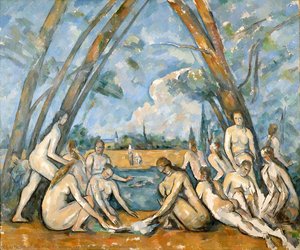
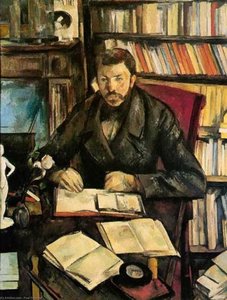
सेज़ान का काम उल्लेखनीय रूप से विविध है, जिसमें परिदृश्य, स्थिर जीवन, चित्र और नर्तकियों के चित्रण शामिल हैं, लेकिन सभी अपनी अनूठी दृष्टिकोण से रूप और रंग को एकीकृत करते हैं। जैस डी बुफन में तालाब, 1880 में चित्रित, उनके परिदृश्य कार्य का उदाहरण है, जो आकृतियों और टोन की सावधानीपूर्वक व्यवस्था के माध्यम से प्रकृति के सार को कैप्चर करने की उनकी क्षमता को दर्शाता है। एमिल ज़ोला का चित्र, 1866 में बनाया गया, उनकी विकसित शैली को प्रकट करता है और अपने करीबी मित्र और साथी लेखक के बौद्धिक तीव्रता की एक सम्मोहक झलक प्रदान करता है। उनके स्थिर जीवन, जैसे कि सेब और अन्य फलों वाले, वस्तुओं के केवल प्रतिनिधित्व नहीं हैं बल्कि आयतन, प्रकाश और स्थानिक संबंधों की खोज हैं। माउंट सैंट-विक्टोर श्रृंखला सेज़ान के लिए एक जुनून बन गई, एक आवर्ती रूपांकन जिसने उन्हें दशकों तक रूप और परिप्रेक्ष्य की जांच करने की अनुमति दी। ये चित्र पहाड़ का सिर्फ चित्रण नहीं है; वे गहराई, आयतन और प्रकाश और छाया के बीच परस्पर क्रिया को समझने के तरीके के अध्ययन हैं। अंत में, नर्तकियों की उनकी श्रृंखला, रमणीय परिदृश्यों में नग्न आंकड़े दर्शाती है, मानव रूप और प्रकृति के बीच संबंध की एक गहन खोज का प्रतिनिधित्व करती है, अक्सर कालातीतता और शांत चिंतन की भावना से भरी होती है।नवोन्मेष से निर्मित विरासत: आधुनिक कला पर सेज़ान का प्रभाव
पॉल सेज़ान का बाद की पीढ़ियों के कलाकारों पर प्रभाव असीम है। उन्हें उनकी चित्रभाषा में अभूतपूर्व योगदान के लिए "आधुनिक कला के पिता" माने जाते हैं, जिसने 20वीं शताब्दी की कई प्रमुख कलात्मक आंदोलनों के मार्ग प्रशस्त किया। पाब्लो पिकासो और जॉर्जेस ब्राक सेज़ान के ज्यामितीय रूपों और बहु-दृष्टिकोणों पर जोर से गहराई से ऋणी थे, जो घनत्ववाद के केंद्रीय सिद्धांत बन गए। उनके रंग का बोल्ड उपयोग हेनरी मैटिस जैसे कलाकारों द्वारा संचालित फाविस्ट आंदोलन को भी प्रेरित किया, जिन्होंने गैर-प्राकृतिक जीवंत रंगों को अपनाया। यहां तक कि अतियथार्थवादी कलाकारों ने भी सेज़ान की व्यक्तिपरक धारणा और मनोवैज्ञानिक गहराई की खोज में प्रतिध्वनि पाई। विशिष्ट आंदोलनों से परे, सेज़ान की व्यक्तिगत दृष्टि पर जोर और पारंपरिक शैक्षणिक बाधाओं के अस्वीकृति ने कलाकारों की पीढ़ियों को अभिव्यक्ति के नए रूपों का पता लगाने के लिए मुक्त कर दिया। उन्होंने प्रतिनिधित्व की बहुत परिभाषा को चुनौती दी, नकल से दूर ध्यान बदलकर अंतर्निहित संरचना और व्यक्तिपरक धारणा पर आधारित एक दृश्य अनुभव बनाने पर केंद्रित किया। 1906 में उनकी मृत्यु कला के इतिहास के एक नए युग के उदय - उनकी क्रांतिकारी दृष्टि से गहराई से प्रभावित - का प्रतीक नहीं थी बल्कि शुरुआत थी।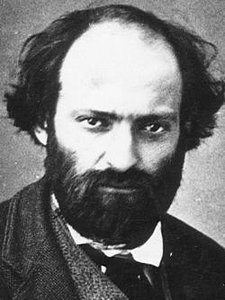
पॉल सेज़ान
1839 - 1906 , फ्रांस
मुख्य तथ्य
- Artistic Movement Or Style: उत्तर-प्रभाववादी
- Artists Or Movements Influenced By This Artist:
- घनवाद
- फोविज़्म
- अति यथार्थवाद
- Artists Who Influenced This Artist:
- रोमांटिकवाद
- बारबाइज़न स्कूल
- पॉल गौगिन
- जॉर्ज सीराट
- Date Of Birth: 19 जनवरी 1839
- Date Of Death: 22 अक्टूबर 1906
- Full Name: पॉल सेज़ान
- Nationality: फ्रांसीसी
- Notable Artworks:
- जैस डी बुफैन का तालाब
- एमिल ज़ोला का चित्र
- वन
- माउंट सैंट-विक्टोर श्रृंखला
- स्नानकर्ता
- Place Of Birth: एईक्स-एन-प्रोवेंस, फ्रांस
संबंधित लेख

पॉल सेज़ान की शीर्ष 25 उत्कृष्ट कृतियाँ: कला और सजावट का अद्भुत संग्रह | OriginalUniqueArt
पॉल सेज़ान की शीर्ष 25 उत्कृष्ट कृतियों का अन्वेषण करें! प्रभाववाद और आधुनिक कला के जनक सेज़ान के जीवन, शैली और प्रसिद्ध चित्रों को जानें। OriginalUniqueArt पर उच्च गुणवत्ता वाले कैनवास प्रिंट और दीवार सजावट खरीदें।

पॉल क्ली की शीर्ष 25 कलाकृतियाँ: रंग, रूप और भावनाओं का अद्भुत संगम | OriginalUniqueArt
पॉल क्ली की शीर्ष 25 कलाकृतियों का अन्वेषण करें! रंग, रूप और भावनाओं से भरी अमूर्त कला के जादू को जानें। Bauhaus शैली, स्विस कलाकार और आधुनिक कला इतिहास में डूब जाएं। OriginalUniqueArt.com पर उच्च-गुणवत्ता वाले कला प्रिंट खोजें।
Reflecting the Self: A History of Portraiture & Psychological Insight
Explore the fascinating history of self-portraiture from Renaissance masters like Dürer & Rembrandt to modern interpretations. Discover the psychological insights and artistic techniques behind these iconic works. Expert analysis for art enthusiasts.

The Echo of Self: Reflectivity as a Core Theme in Art History & Contemporary Practice
Explore the rich history of self-representation in art, from Renaissance masters to modern innovators. Discover how artists use portraiture to reveal identity, emotion & the depths of the human psyche. Expert insights for collectors.
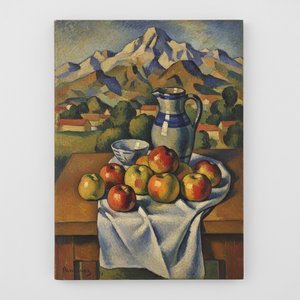
Mastering Form: A Definitive Guide to the Structural Genius of Paul Cézanne
Explore the structural genius of Paul Cézanne. Discover how his mastery of geometric form and color bridged Impressionism and Cubism in this definitive guide for art enthusiasts and collectors.