

 पूर्वावलोकन देखें
 भेजें
भेजें साझा करें
 विवरण देखें
 मार्गदर्शिका

 डाउनलोड करें
 समान वस्तुएं
 एक्स-रे
 स्लाइड शो देखें
 आंकड़े
Bathsheba Bathing
 Oil
Oil- WallArt
- Mannerist Complexity
 1549
1549- Renaissance
 234.0 x 217.0 cm
 वाल्रफ़-रिचार्ट्स संग्रहालय
 और पढ़ें
गिक्ली / आर्ट प्रिंट
तेज़ उत्पादन और विभिन्न फिनिश विकल्पों के साथ म्यूजियम-क्वालिटी गिकली (giclée) या कैनवस प्रिंट। ( हाथ से बनी पेंटिंग खरीदें डिजिटल इमेज पर जाएँ)




P118B ₹10

P118H ₹10

P118W ₹10

P438Z ₹10

P508JH ₹12

P508YH ₹12

P805H ₹10

P805Z ₹10

P919BZ ₹10

P919G ₹10

P919XJ ₹10

P959ZH ₹10

P968JZ ₹12

W106C ₹8

W218G ₹10

W218JH ₹8

W218Y ₹10

W307PJ ₹10

W316G ₹10

W316PJ ₹8

W316Y ₹10

W398PJ ₹8

W4111J ₹10

W500HY ₹15

W500JH ₹15

W692G ₹12

W849H ₹8

W940BG ₹15

W953PJ ₹8




कलाकृति के मूल अनुपात से मेल खाने वाले हमारे पूर्व निर्धारित आकारों में से चुनें।

अपने फ्रेम या अपनी दीवार के अनुसार आवश्यक चौड़ाई और ऊंचाई दर्ज करें। प्रिंट को केवल काटा जा सकता है, चित्र से बड़ा कभी नहीं बनाया जा सकता, इसलिए अलग आकार का साइज चित्र का एक हिस्सा खो देता है। किसी भी चीज़ को प्रिंट करने से पहले हम आपकी स्वीकृति के लिए आपको एक डिजिटल मॉकअप भेजते हैं। इस पृष्ठ पर दिखाया गया चित्र वास्तविक कटिंग नहीं दिखाता है — केवल मॉकअप ही इसे दर्शाता है।
विश्वव्यापी डिलीवरी (), मानक 4/5 सप्ताह के बजाय मात्र 2 सप्ताह में। (21 अक्टूबर)

दुनिया भर में मुफ़्त एक्सप्रेस शिपिंग

प्रीमियम ग्रेड लिनेन कैनवास

पूर्ण शिपिंग बीमा

सीमा शुल्क और आयात कर वापसी की गारंटी

सटीक रंग मिलान की गारंटी

100 दिनों की वापसी नीति (केवल निर्माण दोष होने पर)

100% पैसे वापसी की गारंटी

थोक छूट का अवसर
 ग्लास का विकल्प केवल 110 सेमी से कम आकार में ही उपलब्ध है।

Bathsheba Bathing
गिक्ली / आर्ट प्रिंट
प्रतिकृति का आकार
-


कुल मूल्य
₹ 7653
A Venetian Masterpiece of Desire and Grace
In the sun-drenched annals of the Venetian Renaissance, few works capture the delicate tension between earthly sensuality and spiritual contemplation as exquisitely as Paris Bordone’s Bathsheba Bathing. Created around 1549, this masterpiece serves as a profound window into the soul of a painter who dared to diverge from the shadow of his legendary mentor, Titian. While many of his contemporaries sought the polished, monumental perfection of the High Renaissance, Bordone embraced a more restless, Mannerist energy—a style characterized by intricate compositions and a vibrant, almost provincial vitality that breathes life into every brushstroke. To behold this painting is to step into a world where the boundaries between myth and reality, and between the sacred and the profane, begin to blur.
The narrative heart of the work draws from the biblical Book of Samuel, recounting the fateful encounter between King David and Bathsheba. Bordone masterfully orchestrates this moment of vulnerability; Bathsheba is depicted luxuriating in her bath, a scene of profound domestic tranquility interrupted by the weight of an unseen gaze. The composition is layered with a sense of voyeuristic drama, as the diminutive figure of David peers through a palace window, his distant presence symbolizing the transformative power of desire. This framing device does more than merely tell a story; it invites the viewer to contemplate the complexities of human relationships, the fragility of innocence, and the inescapable pull of temptation.
The Artistry of Mannerist Elegance
Technically, Bathsheba Bathing is a triumph of Venetian color and Mannerist complexity. Bordone’s ability to manipulate light and texture creates a palpable sense of atmosphere, where the softness of skin meets the cool luster of water and the rich, tactile surfaces of surrounding objects. The artist populates the scene with several women who attend to Bathsheba, their varied poses adding a rhythmic, flowing quality to the composition. These figures are not merely decorative; they embody a spectrum of emotion, from quiet repose to a subtle, shared allure that heightens the painting's psychological depth.
The meticulous attention to detail provides an abundance of visual interest for the discerning eye. Scattered throughout the scene are symbolic elements—apples placed near the center, a delicate bowl, and a lush potted plant—each contributing to a sense of abundance and earthly pleasure. The interplay of these objects against the luminous figures creates a rich tapestry of textures that makes the work feel incredibly alive. For the collector or interior designer, this painting offers more than just aesthetic beauty; it provides a sophisticated focal point that commands attention through its narrative complexity and its ability to evoke a mood of timeless, classical elegance.
A Timeless Legacy for the Modern Collector
Beyond its historical significance, Bordone’s work resonates with a modern sensibility that appreciates the nuance of emotion and the beauty of imperfection. The painting does not merely present a static image; it captures a fleeting moment of transition, making it an evocative piece for any curated collection. Whether placed in a grand gallery or used to anchor a thoughtfully designed interior, a high-quality reproduction of Bathsheba Bathing brings with it the prestige of the Venetian Renaissance and the enduring allure of a master who found beauty in the complex dance between grace and passion.
प्रश्न और उत्तर
पेरिस बोर्डोन द्वारा "Bathsheba Bathing" के रंगों के साथ कौन सा स्थान मेल खाता है?
इसके Earthy रंगों को देखते हुए, "Bathsheba Bathing" के लिए Living Room का सुझाव दिया जाता है।
क्या पेरिस बोर्डोन द्वारा निर्मित "Bathsheba Bathing" सार्वजनिक डोमेन (public domain) में है, और क्यों?
पेरिस बोर्डोन द्वारा निर्मित "Bathsheba Bathing" सार्वजनिक डोमेन में - इसका कॉपीराइट समाप्त हो चुका है है। कॉपीराइट की अवधि कलाकार की मृत्यु के वर्ष से मापी जाती है, और पेरिस बोर्डोन का निधन 1570 में हुआ था।
मुझे "Bathsheba Bathing" के लिए गाइड कहाँ मिल सकती है?
"Bathsheba Bathing" के लिए गाइड इस कलाकृति का मार्गदर्शिका पेज है - एक प्रिंट करने योग्य फैक्टशीट जो कलाकृति को उसके कैप्शन, क्रेडिट लाइन और पहचान तालिका (कलाकार, तिथियां, माध्यम, मूल आकार, संग्रह) के साथ प्रदर्शित करती है।
कलाकार का परिचय
वेनिस के विद्रोही कलाकार: पैरिस बोर्डोन का जीवन और विरासत
सोलहवीं शताब्दी के वेनेशियन पुनर्जागरण के जीवंत और धूप से सराबोर परिदृश्य में, बहुत कम व्यक्तित्व पैरिस बोर्डोन की तरह इतनी स्वतंत्र भावना रखते हैं। लगभग 1500 में ट्रेविसो में जन्मे, बोर्डोन महान उस्तादों की छाया से बाहर निकलकर एक ऐसी प्रतिष्ठा बनाने में सफल रहे जो शास्त्रीय शालीनता और एक बेचैन, मैनरिस्ट ऊर्जा के बीच के अनूठे तनाव से परिभाषित थी। जबकि उनके समकालीनों ने अक्सर हाई पुनर्जागरण की परिष्कृत पूर्णता की तलाश की, बोर्डोन ने एक अधिक जटिल, कभी-कभी उत्तेजक सौंदर्य को अपनाया जिसने उनके युग के भव्य पैमाने को एक विशिष्ट प्रांतीय जीवंतता के साथ मिश्रित किया। उनकी यात्रा वेनिस की स्थापित परंपराओं और एक व्यक्तिगत दृश्य भाषा गढ़ने की अडिग इच्छा के बीच निरंतर सामंजस्य बिठाने की कहानी थी।
बोर्डोन के तकनीकी कौशल की नींव वेनिस में उनके प्रारंभिक वर्षों के दौरान रखी गई थी, विशेष रूप से महान उस्ताद टिटियन के अधीन उनके प्रशिक्षण के माध्यम से। यह अवधि निस्संदेह उनकी प्रतिभा की भट्टी थी, जिसने उन्हें उन समृद्ध बनावटों, नाटकीय प्रकाश व्यवस्था और वायुमंडलीय गहराई से परिचित कराया जो वेनेशियन शैली को परिभाषित करते हैं। हालाँकि, गुरु और शिष्य के बीच का संबंध रचनात्मक घर्षण से भरा हुआ था। वासारी सहित ऐतिहासिक वृत्तांत बोर्डोन की प्रयोगाती प्रवृत्तियों और टिटियन के अधिक परिष्कृत सौंदर्यशास्त्र के बीच एक निश्चित असंगति का सुझाव देते हैं। इस तनाव से दबने के बजाय, बोर्डोन ने इसका उपयोग विकास के उत्प्रेरक के रूप में किया, और एक ऐसी शैली विकसित की जो शुद्ध नकल से हटकर एक अधिक जटिल और कभी-कभी उत्तेजित संरचनात्मक दृष्टिकोण की ओर बढ़ी।
मिथक, भक्ति और चित्रकला का एक ताना-बाना
बोर्डोन का समृद्ध करियर विषय वस्तु की असाधारण व्यापकता द्वारा पहचाना जाता है, जो पवित्र से लेकर लौकिक तक फैला हुआ है। पौराणिक कथाओं की तरह ही धार्मिक प्रतीकों को उसी ऊर्जा के साथ प्रस्तुत करने की उनकी क्षमता ने उन्हें वेनेशियन अभिजात वर्ग की विविध रुचियों को पकड़ने में सक्षम बनाया। उनके धार्मिक कार्यों में, जैसे कि हर्मिटेज संग्रहालय में संरक्षित पेंटेकोस्ट, कोई भी स्फुमातो (sfumato) के शानदार नियंत्रण और गर्म, भावनात्मक स्वर देख सकता है जो गहरे आध्यात्मिक चिंतन के लिए आमंत्रित करते हैं। फिर भी, इन भक्तिपूर्ण परिवेशों के भीतर भी, लहराते हुए वस्त्रों और भीड़भाड़ वाली, गतिशील व्यवस्थाओं के माध्यम से मैनरिस्ट जटिलता का अहसास अक्सर उभर कर आता है।
जब उन्होंने लौकिक विषयों की ओर अपना ध्यान केंद्रित किया, तो बोर्डोन ने कथात्मक नाटक के उस स्तर को प्राप्त किया जो आधुनिक दर्शकों को भी मंत्रमुग्ध कर देता है। उनके पौराणिक चित्र, जैसे कि एलेगोरी विद लवर्स, जुनून और भाग्य की जटिल कहानियों को बुनने के लिए जीवंत रंगों और प्रतीकात्मक गहराई का उपयोग करने की उनकी प्रतिभा को प्रदर्शित करते हैं। यह महारत चित्रकला के क्षेत्र में भी फैली हुई थी, जहाँ उन्होंने अपने विषयों की गरिमा और सामाजिक स्थिति को उल्लेखनीय सटीकता के साथ कैद किया। इसका एक उल्लेखनीय उदाहरण उनका 1540 का थॉमस स्टैचेल का चित्र है, जो वर्तमान में लूव्र में स्थित है; यहाँ, कलाकार विषय के दर्जे को उजागर करने के लिए एक जटिल संरचना का उपयोग करता है, जिसमें परिधानों के सूक्ष्म विवरण और कुलचिह्नित अक्षरों का उपयोग विषय को एक मूर्त ऐतिहासिक वास्तविकता से जोड़ने के लिए किया गया है।
ऐतिहासिक महत्व और कलात्मक स्थायित्व
पैरिस बोर्डोन का स्थायी महत्व उनके अनुरूप न होने के उनके निर्णय में निहित है। वे प्रारंभिक पुनर्जागरण के संतुलित सामंजस्य और मैनरिस्ट काल की अधिक शैलीबद्ध, अभिव्यंजक जटिलताओं के बीच एक महत्वपूर्ण सेतु के रूप में खड़े हैं। हालाँकि वे शायद टिटियन की सार्वभौमिक ऊंचाइयों तक नहीं पहुँच पाए, लेकिन उनका कार्य एक आवश्यक प्रतिध्वनि प्रदान करता है—वेनेशियन दुनिया पर एक अधिक बनावटपूर्ण, प्रयोगात्मक और अक्सर अधिक मानवतावादी दृष्टिकोण। उनके चित्र परिवर्तन के एक ऐसे समय की खिड़कियों के रूप में कार्य करते हैं, जहाँ परंपरा की स्थिरता को एक नई, अधिक बेचैन कलात्मक चेतना द्वारा चुनौती दी जा रही थी।
आज, बोर्डोन की विरासत दुनिया के कुछ सबसे प्रतिष्ठित संस्थानों में संरक्षित है, जो विद्वानों और कला प्रेमियों दोनों को उनके अद्वितीय दृष्टिकोण को फिर से खोजने के लिए आमंत्रित करती है। उनके योगदान को कई प्रमुख कलात्मक स्तंभों के माध्यम से संक्षेपित किया जा सकता है:
- शैलीगत नवाचार: टिटियन से प्रेरित भव्यता का अधिक जटिल, मैनरिस्ट संरचनात्मक पद्धति के साथ सफल एकीकरण।
- विषय की बहुमुखी प्रतिभा: मैडोना विद स्लीपिंग चाइल्ड की शांत सुंदरता और ऐतिहासिक रूपकों की नाटकीय तीव्रता के बीच सहजता से बदलने की अद्वितीय क्षमता।
- तकनीकी महारत: प्रकाश, रंग और बनावट का एक परिष्कृत उपयोग जिसने कैनवास पर जीवन और गति की एक प्रत्यक्ष भावना पैदा की।
- सांस्कृतिक प्रभाव: पश्चिमी कला इतिहास के सबसे परिवर्तनकारी युगों में से एक के दौरान ट्रेविसो और वेनिस की जीवंत, अक्सर अशांत भावना का प्रतिनिधित्व करना।

पेरिस बोर्डोन
1500 - 1570 , इटली
संक्षिप्त जानकारी
- Artistic Movement Or Style: मैनरिज्म
- Artists Who Influenced This Artist: टिटियन
- Date Of Birth: 5 जुलाई, 1500
- Date Of Death: 19 जनवरी, 1571
- Full Name: पैरिस बोर्डोन
- Nationality: इतालवी
- Notable Artworks:
- मछुआरों का छल्ला
- पेंटेकोस्ट
- ज्यूपिटर और आयो
- मसीह का बपतिस्मा
- Place Of Birth: ट्रेविसो, इटली
संबंधित लेखों की सूची

जैकोपो टिनटोरिटो की 25 उत्कृष्ट कृतियाँ: कला, इतिहास और घर सजावट के लिए प्रेरणा
जैकोपो टिनटोरिटो की 25 सर्वश्रेष्ठ पेंटिंग! पुनर्जागरण और बारोक कला के जादू में खो जाएं। इटालियन चित्रकार टिनटोरिटो की उत्कृष्ट कृतियों का अन्वेषण करें, धार्मिक चित्रों से लेकर नाटकीय कैनवास तक। घर सजावट के लिए प्रेरणा पाएं और OriginalUniqueArt.com पर उच्च गुणवत्ता वाली कला प्रतिकृतियां खरीदें।

The Enduring Allure of the Nude: A Historical & Artistic Exploration of the Human Form
Explore the captivating history of nude art! Discover iconic paintings & artists from classical to modern eras. Uncover symbolism, techniques & find museum-quality reproductions at OriginalUniqueArt.

The Eloquent Form: A Historical & Aesthetic Exploration of the Nude in Art
Explore the captivating history of the nude in art! From ancient Greece to modern masters, discover its evolving symbolism, techniques & enduring beauty. Expert insights for collectors and enthusiasts.
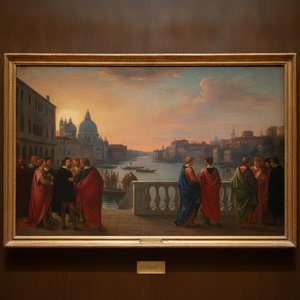
The Venetian Renaissance: A Masterclass in Colorito, Light, and the Birth of Atmospheric Brilliance
Explore the breathtaking mastery of the Venetian Renaissance. Discover how legends like Titian revolutionized art through Colorito, capturing the luminous light and vibrant pigments of the Venetian lagoon in a visual journey of unparalleled color and texture.

Venetian Renaissance: The Mastery of Color, Light, and the Art of Colorito
Explore the luminous mastery of the Venetian Renaissance. Discover how masters like Titian and Giorgione revolutionized art through colorito, light, and atmosphere. An expert guide to the golden age of Italian painting for collectors and enthusiasts.
