पूर्वावलोकन देखें
 साझा करें
 साझा करें
 विस्तृत विवरण

 डाउनलोड करें
 समान कलाकृतियाँ
 एक्स-रे
 स्लाइड शो देखें
The painter and his model 11


 पूरा देखें
गिक्ली / आर्ट प्रिंट
तेज़ उत्पादन और विभिन्न फिनिश विकल्पों के साथ म्यूजियम-क्वालिटी गिकली (giclée) या कैनवस प्रिंट। ( हाथ से बनी पेंटिंग खरीदें छवि खरीदें)




P118B $10

P118H $10

P118W $10

P438Z $10

P508JH $12

P508YH $12

P805H $10

P805Z $10

P919BZ $10

P919G $10

P919XJ $10

P959ZH $10

P968JZ $12

W106C $8

W218G $10

W218JH $8

W218Y $10

W307PJ $10

W316G $10

W316PJ $8

W316Y $10

W398PJ $8

W4111J $10

W500HY $15

W500JH $15

W692G $12

W849H $8

W940BG $15

W953PJ $8




कलाकृति के मूल अनुपात से मेल खाने वाले हमारे पूर्व निर्धारित आकारों में से चुनें।

आप किसी विशिष्ट फ्रेम या स्थान के अनुसार अपने स्वयं के आयाम (dimensions) दर्ज कर सकते हैं। यदि आपके द्वारा चुना गया आकार मूल छवि के अनुपात से मेल नहीं खाता है, तो हम कलाकृति को क्रॉप कर देंगे या मिरर किए गए या सॉलिड-फिल किनारे के साथ छवि का विस्तार करेंगे। उत्पादन शुरू होने से पहले आपकी स्वीकृति के लिए एक डिजिटल मॉकअप भेजा जाएगा।
कृपया ध्यान दें कि स्क्रीन पर दिखने वाला प्रीव्यू वास्तविक क्रॉपिंग या विस्तार को नहीं दर्शाता है। केवल मॉकअप ही अंतिम संरचना को सटीक रूप से दिखाएगा।
हालाँकि कस्टम आकार उपलब्ध हैं, फिर भी हम मूल अनुपात बनाए रखने के लिए पूर्व-निर्धारित सूची में से एक आयाम चुनने की सलाह देते हैं।
विश्वव्यापी डिलीवरी (), मानक 4/5 सप्ताह के बजाय मात्र 2 सप्ताह में। (25 अगस्त)

दुनिया भर में मुफ़्त एक्सप्रेस शिपिंग

उच्च गुणवत्ता वाला लिनेन कैनवास

पूर्ण शिपिंग बीमा

सीमा शुल्क और आयात कर वापसी की गारंटी

सटीक रंग मिलान की गारंटी

60-दिन की वापसी नीति (केवल दोषों के लिए)

100% पैसे वापसी की गारंटी

थोक छूट का लाभ
 ग्लास का विकल्प केवल 110 सेमी से कम आकार में ही उपलब्ध है।

The painter and his model 11
गिक्ली / आर्ट प्रिंट
प्रतिकृति का आकार
-


कुल देय राशि
$ 80
संग्रहणीय वस्तु का विवरण
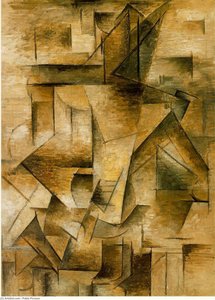
A Fractured Portrait: Deconstructing Emotion in Picasso’s “The Painter and His Model”
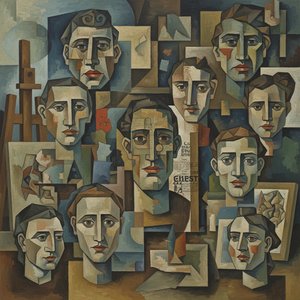
Pablo Picasso's "The Painter and His Model" (1928), housed within the MoMA collection, isn’t merely a portrait; it’s a meticulously constructed exploration of fractured relationships and the turbulent landscape of the human psyche. Painted during a period when Picasso was deeply engaged with his evolving Cubist style, this work embodies the movement's core tenets – fragmentation, multiple perspectives, and a deliberate rejection of traditional representational norms – while simultaneously radiating an intense emotional charge. The painting immediately commands attention not through realistic depiction, but through its dynamic composition and unsettling ambiguity.
The central figures, believed to be Picasso himself and his muse Dora Maar, are rendered in a strikingly disjointed manner. Their faces, partially obscured and presented from multiple viewpoints simultaneously, suggest a sense of disorientation and emotional vulnerability. The geometric shapes – sharp angles, rectangular planes, and triangular forms – dominate the canvas, creating a visual tension that mirrors the underlying conflict between the two subjects. Picasso’s masterful use of color further amplifies this effect; a muted palette of grays, punctuated by flashes of red, green, and black, evokes feelings of melancholy, anxiety, and perhaps even danger. The deliberate flatness of the figures, achieved through layering paint and scraping back areas to reveal underlying layers, contributes to an overall sense of detachment and instability.
Cubism’s Radical Innovation: A Deconstructed Reality
“The Painter and His Model” is a quintessential example of Analytical Cubism, a phase of Picasso's artistic development that emerged in the early 1920s. Following the more fragmented Synthetic Cubism, Analytical Cubism sought to dissect objects into their fundamental geometric components – lines, angles, and planes – and then reassemble them on the canvas from multiple viewpoints. This technique wasn’t simply an aesthetic choice; it was a deliberate attempt to represent reality as it is perceived by the mind, rather than as it appears to the eye. Picasso's approach here goes beyond mere geometric reduction; he actively dismantles the figures, presenting them in a state of perpetual flux and challenging the viewer to piece together their identities.
The influence of Paul Cézanne, a pivotal figure in the development of Cubism, is evident in Picasso’s use of flattened planes and his emphasis on underlying structure. However, Picasso takes this concept further, pushing it to its logical extreme by fracturing the figures into their constituent parts and presenting them simultaneously. This radical approach reflects the broader intellectual currents of the time – a growing interest in psychology, psychoanalysis, and the exploration of the subconscious mind.
Symbolism and Emotional Resonance: A Portrait of Turmoil
Beyond its formal innovations, “The Painter and His Model” is rich in symbolic meaning. The fragmented nature of the figures can be interpreted as a metaphor for the fractured relationship between Picasso and Maar – a passionate but ultimately unstable partnership marked by jealousy, suspicion, and emotional turmoil. The presence of the painter himself, actively engaged in capturing his subject, suggests a sense of obsession and control, while the model’s ambiguous expression hints at vulnerability and resistance. The recurring motif of the eye—often depicted with an unnerving intensity—underscores the themes of observation, scrutiny, and perhaps even manipulation.
Furthermore, the painting's monochromatic palette contributes to its overall sense of unease and psychological depth. The absence of bright colors creates a claustrophobic atmosphere, intensifying the emotional impact of the fragmented figures. The sharp angles and jagged lines evoke feelings of tension and conflict, while the subtle shifts in tone suggest a complex interplay of emotions – sadness, anger, fear, and perhaps even longing.
A Legacy of Innovation: Reproduction and Artistic Inspiration
“The Painter and His Model” remains one of Picasso’s most enduringly captivating works, continuing to fascinate viewers with its innovative style and profound emotional resonance. Reproductions offer a remarkable opportunity to experience the power of this iconic painting firsthand, allowing us to appreciate the meticulous detail and complex symbolism that define it. Whether displayed in a private collection or incorporated into an interior design scheme, a high-quality reproduction can serve as a powerful reminder of Picasso’s revolutionary vision and his profound understanding of the human condition. The work's enduring appeal lies not only in its formal brilliance but also in its ability to evoke a visceral response – a sense of unease, intrigue, and ultimately, a deeper appreciation for the complexities of art and life.
कलाकार का जीवन परिचय
पाब्लो पिकासो: कलात्मक क्रांति के प्रतीक
पाब्लो रुइज़ वाई पिकासो, एक ऐसा नाम जो कलात्मक क्रांति का पर्याय है, का जन्म 25 अक्टूबर 1881 को मलागा, स्पेन में हुआ था। उनका अस्तित्व ही रचनात्मक अभिव्यक्ति के लिए अभिशप्त प्रतीत होता था; किंवदंती है कि उनके पहले शब्द "पिज, पिज़" थे, पेंसिल कहने का एक प्रयास। इस प्रारंभिक झुकाव को उनके पिता, जोसे रुइज़ वाई ब्लास्को द्वारा पोषित किया गया, जो एक चित्रकार और कला शिक्षक थे, जिन्होंने युवा पाब्लो को मूलभूत प्रशिक्षण प्रदान किया। हालाँकि, छात्र ने जल्द ही प्रशिक्षक को पीछे छोड़ दिया, प्राकृतिक चित्रण के लिए एक उल्लेखनीय योग्यता का प्रदर्शन किया जिसने भीतर निहित असाधारण प्रतिभा का संकेत दिया। परिवार की बाद की चालें – पहले ए कोरुना, फिर बार्सिलोना – व्यक्तिगत त्रासदी से चिह्नित थीं, विशेष रूप से पिकासो की बहन की हानि, अनुभव जो सूक्ष्म रूप से उनके बाद के काम में उदासी और मृत्यु दर के विषयों को भर देंगे। औपचारिक अध्ययन के दौरान बार्सिलोना के स्कूल ऑफ फाइन आर्ट्स में और मैड्रिड के रॉयल एकेडमी ऑफ सैन फर्नांडो में एक संक्षिप्त कार्यकाल के दौरान भी, पिकासो कठोर शैक्षणिक बाधाओं के खिलाफ विद्रोह करते थे, इसके बजाय वेल्ज़क्वेज़ और गोया जैसे मास्टर्स के कार्यों में खुद को डुबो देते थे, कलात्मक नवाचार की ओर अपने स्वयं के मार्ग का निर्माण करते थे।नीले और गुलाबी रंगों की दुनिया: प्रारंभिक चरण
20वीं सदी के शुरुआती वर्षों ने पिकासो के काम में दो विशिष्ट अवधियों का उदय देखा: नीला दौर (लगभग 1901-1904) और गुलाबी दौर (1904-1906)। व्यक्तिगत कठिनाई और सामाजिक पीड़ा की गहरी समझ से पैदा हुआ नीला दौर, नीले और नीले-हरे रंगों की गंभीर छायाओं में डूबे चित्रों द्वारा चिह्नित है। ये काम हाशिए के आंकड़ों से भरे हुए हैं – भिखारी, अंधे, वेश्याएं – एक भयावह सहानुभूति के साथ प्रस्तुत किए गए हैं जो अलगाव और निराशा के विषयों को व्यक्त करते हैं। ला वी (1903) और द ओल्ड गिटारिस्ट (1903-1904) इस भावनात्मक रूप से आवेशित चरण के मार्मिक उदाहरण के रूप में खड़े हैं। एक व्यक्तिगत जीवन में बदलाव, पेरिस जाने के साथ मिलकर, गुलाबी दौर का आगमन हुआ। पैलेट काफी गर्म हो गया, गुलाबी, नारंगी और लाल रंग को अपनाते हुए, एक अधिक आशावादी दृष्टिकोण को दर्शाता है। इस अवधि ने सर्कस कलाकारों में रुचि देखी - हार्लेक्विन, एक्रोबेट और पारिवारिक दल - जो नाजुकता और लचीलापन दोनों को मूर्त रूप देते हैं। फैमिली ऑफ साल्टिंबैंक्स (1905) खूबसूरती से इस संक्रमण को समाहित करता है, आगामी शैलीगत अन्वेषणों का संकेत देता है।दृष्टिकोण का विघटन: घनवाद और उससे आगे
1907 ने कला के इतिहास में एक महत्वपूर्ण क्षण चिह्नित किया लेस डेमॉइसल डी’एविग्नन के निर्माण के साथ। आइबेरियन मूर्तिकला और अफ्रीकी मुखौटों से प्रभावित, इस अभूतपूर्व पेंटिंग ने परिप्रेक्ष्य और प्रतिनिधित्व की पारंपरिक धारणाओं को तोड़ दिया। यह एक कट्टरपंथी प्रस्थान था, सदियों पुरानी परंपराओं का जानबूझकर अस्वीकृति जिसने घनवाद के लिए मार्ग प्रशस्त किया। जॉर्ज ब्राक के साथ घनिष्ठ सहयोग में काम करते हुए, पिकासो ने इस क्रांतिकारी आंदोलन की सह-स्थापना की, मौलिक रूप से बदल दिया कि कलाकारों ने वास्तविकता को कैसे देखा और चित्रित किया। विश्लेषणात्मक घनवाद (1909-1912) वस्तुओं को ज्यामितीय आकृतियों में खंडित करने पर केंद्रित था, जो शांत रंगों में प्रस्तुत किया गया था, जैसे कि स्वयं रूप का विश्लेषण करना। यह सिंथेटिक घनवाद (1912-1919) में विकसित हुआ, जिसमें अखबार के क्लिपिंग और कपड़े के टुकड़ों जैसे कोलाज तत्वों को शामिल किया गया, बनावट और दृश्य जटिलता की नई परतें जोड़ दी गईं। पिकासो दुनिया का प्रतिनिधित्व करने से संतुष्ट नहीं थे; उन्होंने इसे विघटित करना और अपनी शर्तों पर पुनर्निर्माण करना चाहा।एक बेचैन प्रयोगकर्ता: नवशास्त्रीयवाद, अतियथार्थवाद और युद्ध
1920 के दशक ने पिकासो को संक्षिप्त रूप से नवशास्त्रीय शैलियों का पता लगाने के लिए देखा, जो क्लासिक रूपों को प्रतिध्वनित करने वाले विशाल आंकड़े बनाते हैं जबकि एक विशिष्ट आधुनिक संवेदनशीलता बनाए रखते हैं। साथ ही, उन्होंने उभरते अतियथार्थवादी आंदोलन के साथ भी जुड़ गए, हालांकि कभी भी इसके सिद्धांतों के साथ पूरी तरह से नहीं जुड़े। इस अवधि में उनका काम पहले की शैलीगत प्रभावों को अवास्तविक कल्पना और विकृत दृष्टिकोणों के साथ मिलाता है, उनकी अथक प्रयोग का प्रदर्शन करता है। स्पेनिश गृहयुद्ध की भयावहताओं ने पिकासो को गहराई से प्रभावित किया, जिसके परिणामस्वरूप गुएर्निका (1937) का निर्माण हुआ, गुएर्निका शहर के बमबारी के प्रति एक जीवंत और भावनात्मक रूप से विनाशकारी प्रतिक्रिया। यह विशाल कार्य युद्ध की क्रूरता का एक स्थायी प्रतीक बन गया, पिकासो की भूमिका को न केवल एक कलाकार बल्कि शांति और सामाजिक न्याय के लिए एक शक्तिशाली आवाज के रूप में मजबूत किया। 1950 और 60 के दशक में, उन्होंने अचल जिज्ञासा और कौशल के साथ सिरेमिक, मूर्तिकला और प्रिंटमेकिंग का पता लगाते हुए सीमाओं को लगातार चुनौती दी। जैक्वलीन रोक् के साथ उनकी शादी ने उनके व्यक्तिगत जीवन और कलात्मक अभिव्यक्ति में एक नया आयाम लाया।एक अगणनीय प्रभाव
पाब्लो पिकासो 8 अप्रैल 1973 को मोउइन्स, फ्रांस में 91 वर्ष की आयु में निधन हो गए, जिससे एक आश्चर्यजनक कार्य का शरीर पीछे छूट गया - अनुमानित रूप से 50,000 से अधिक टुकड़े - जो आज भी दर्शकों को मोहित और प्रेरित करता है। उनके कलात्मक विकास को वेलज़क्वेज़ और गोया जैसे स्पेनिश मास्टर्स से लेकर आइबेरियन मूर्तिकला, अफ्रीकी कला और हेनरी मैटिस के जीवंत रंग पैलेट तक विविध प्रकार के प्रभावों द्वारा आकार दिया गया था। 20वीं सदी की कला पर उनका प्रभाव अगणनीय है। उन्होंने घनवाद की सह-स्थापना की, कोलाज और निर्मित मूर्तिकला का मार्ग प्रशस्त किया, और लगातार कलात्मक परंपराओं को चुनौती दी। पिकासो के अथक प्रयोग ने आधुनिक कला को फिर से परिभाषित किया, पीढ़ियों के कलाकारों पर एक अमिट छाप छोड़ी और इतिहास में सबसे महत्वपूर्ण और प्रभावशाली आंकड़ों में से एक के रूप में अपनी स्थिति मजबूत की। उनकी विरासत कैनवास से परे फैली हुई है, समकालीन संस्कृति के अनगिनत पहलुओं में प्रतिध्वनित होती है और हमें कलात्मक दृष्टि की परिवर्तनकारी शक्ति की याद दिलाती है।
पाब्लो पिकासो
1881 - 1973 , स्पेन
मुख्य तथ्य
- Artistic Movement Or Style: क्यूबिज्म, अतियथार्थवाद
- Artists Or Movements Influenced By This Artist:
- क्यूबिज्म
- आधुनिक कला
- Artists Who Influenced This Artist:
- वेलज़क्वेज़
- गोया
- मातिस
- Date Of Birth: 25 अक्टूबर 1881
- Date Of Death: 8 अप्रैल 1973
- Full Name: पाब्लो रुइज़ पिकासो
- Nationality: स्पेनिश
- Notable Artworks:
- लेस डेमेइसल्स डी'एविग्नन
- ग्वेर्निका
- द ओल्ड गिटारिस्ट
- ला विए
- फैमिली ऑफ़ साल्टिम्बैंक्स
- Place Of Birth: मलागा, स्पेन
संबंधित लेख
Cubism's Revolution: 10 Masterpieces That Redefined Modern Art | OriginalUniqueArt
Explore 10 Cubist masterpieces by Picasso, Braque & more! Delve into the history of this revolutionary art movement. Find museum-quality reproductions and elevate your home decor with OriginalUniqueArt. Discover all masterpieces on OriginalUniqueArt.com

ज्यामितीय अमूर्तता: शीर्ष 10 उत्कृष्ट कृतियाँ जो कला को नया आकार देती हैं | OriginalUniqueArt.com
ज्यामितीय अमूर्तता की शीर्ष 10 उत्कृष्ट कृतियों का अन्वेषण करें! पिकासो, मोंड्रियन और अन्य कलाकारों के प्रेरणादायक कार्यों से कला इतिहास जानें। OriginalUniqueArt.com पर उच्च गुणवत्ता वाली कला प्रिंट और कैनवास खरीदें।
Cubism Unveiled: How Picasso and Braque Redefined Reality Through Geometric Abstraction
Explore the revolutionary world of Cubism. Discover how masters Pablo Picasso and Georges Braque dismantled reality through geometric abstraction to redefine modern art history.
Cubist Expression: 10 Masterpieces That Revolutionized Modern Art | OriginalUniqueArt
Explore 10 Cubist masterpieces by Picasso, Braque & more! Discover the stories behind these revolutionary paintings and their impact on modern art. Find museum-quality reproductions for your home at OriginalUniqueArt.com – where art comes to life.
Cubist Portraits: 10 Masterpieces That Revolutionized Art | OriginalUniqueArt
Explore 10 revolutionary Cubist portraits by Picasso, Braque & more! Discover the stories behind these iconic paintings and how they shaped modern art. Find museum-quality reproductions to elevate your home decor on OriginalUniqueArt.com.