पूर्वावलोकन देखें
 भेजें
भेजें साझा करें
 विवरण देखें
 मार्गदर्शिका

 डाउनलोड करें
 समान वस्तुएं
 एक्स-रे
 स्लाइड शो देखें
 आंकड़े
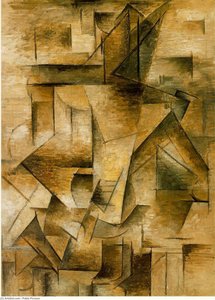
The bread carrier
 Acrylic On Canvas
- WallArt
- Symbolism
 1905
1905- Modern
 100.0 x 69.0 cm
 और पढ़ें
इस पृष्ठ पर प्रदर्शित कलाकृति कॉपीराइट कानून द्वारा संरक्षित है, जिसका अर्थ है कि हम कानूनी रूप से इसकी हूबहू प्रतिलिपि बनाने या बेचने का अधिकार नहीं रखते हैं। यह संरक्षण अंतर्राष्ट्रीय समझौतों के तहत लागू किया जाता है, जैसे कि बर्न कन्वेंशन और राष्ट्रीय कानूनों द्वारा, जिनमें % द्वारा निर्धारित कानून भी शामिल हैं। अमेरिकी कॉपीराइट कानून - शीर्षक 17।
यह विधि कॉपीराइट नियमों का पूरी तरह से पालन करती है क्योंकि इसमें संरक्षित कलाकृति की नकल या प्रतिलिपि बनाना शामिल नहीं है। इसके बजाय, यह एक रचनात्मक पुनर्व्याख्या है - एक ऐसी नई पेंटिंग जो मूल कृति से प्रेरित तो है, लेकिन उसके समान नहीं है।
गिक्ली / आर्ट प्रिंट
तेज़ उत्पादन और विभिन्न फिनिश विकल्पों के साथ म्यूजियम-क्वालिटी गिकली (giclée) या कैनवस प्रिंट। ( हाथ से बनी पेंटिंग खरीदें डिजिटल इमेज पर जाएँ)




P118B ₹10

P118H ₹10

P118W ₹10

P438Z ₹10

P508JH ₹12

P508YH ₹12

P805H ₹10

P805Z ₹10

P919BZ ₹10

P919G ₹10

P919XJ ₹10

P959ZH ₹10

P968JZ ₹12

W106C ₹8

W218G ₹10

W218JH ₹8

W218Y ₹10

W307PJ ₹10

W316G ₹10

W316PJ ₹8

W316Y ₹10

W398PJ ₹8

W4111J ₹10

W500HY ₹15

W500JH ₹15

W692G ₹12

W849H ₹8

W940BG ₹15

W953PJ ₹8




कलाकृति के मूल अनुपात से मेल खाने वाले हमारे पूर्व निर्धारित आकारों में से चुनें।

अपने फ्रेम या अपनी दीवार के अनुसार आवश्यक चौड़ाई और ऊंचाई दर्ज करें। प्रिंट को केवल काटा जा सकता है, चित्र से बड़ा कभी नहीं बनाया जा सकता, इसलिए अलग आकार का साइज चित्र का एक हिस्सा खो देता है। किसी भी चीज़ को प्रिंट करने से पहले हम आपकी स्वीकृति के लिए आपको एक डिजिटल मॉकअप भेजते हैं। इस पृष्ठ पर दिखाया गया चित्र वास्तविक कटिंग नहीं दिखाता है — केवल मॉकअप ही इसे दर्शाता है।
विश्वव्यापी डिलीवरी (), मानक 4/5 सप्ताह के बजाय मात्र 2 सप्ताह में। (26 अक्टूबर)

दुनिया भर में मुफ़्त एक्सप्रेस शिपिंग

प्रीमियम ग्रेड लिनेन कैनवास

पूर्ण शिपिंग बीमा

सीमा शुल्क और आयात कर वापसी की गारंटी

सटीक रंग मिलान की गारंटी

100 दिनों की वापसी नीति (केवल निर्माण दोष होने पर)

100% पैसे वापसी की गारंटी

थोक छूट का अवसर
 ग्लास का विकल्प केवल 110 सेमी से कम आकार में ही उपलब्ध है।

The bread carrier
गिक्ली / आर्ट प्रिंट
प्रतिकृति का आकार
-


कुल मूल्य
₹ 7670
The Bread Carrier: A Symbol of Daily Life and Artistic Innovation
Pablo Picasso’s “The Bread Carrier,” painted in 1905, is more than just a depiction of a woman carrying loaves; it's a poignant exploration of human experience, imbued with the nascent symbolism that would define Picasso’s groundbreaking approach to art. This unassuming canvas, measuring 100 x 69 cm, reveals layers of meaning through its meticulous detail and evocative composition – a testament to the artist’s early engagement with Symbolism and his burgeoning experimentation with form and perspective.
The painting immediately draws the eye to the central figure: a woman, rendered in a style that blends realism with an underlying sense of abstraction. She is adorned with a simple white hat or headdress, adding a touch of quiet dignity to her posture as she carries two loaves of bread on her head. The positioning of these loaves isn’t merely decorative; it creates a dynamic visual effect, suggesting both the weight and the precarious balance of responsibility. Picasso's brushwork is remarkably precise, capturing the texture of the bread – its slightly rough surface hinting at warmth and sustenance – while simultaneously employing looser strokes to define the woman’s form. This skillful juxtaposition of detail and gesture speaks volumes about Picasso’s developing technique.
Symbolism in Everyday Moments
At first glance, “The Bread Carrier” might appear a straightforward portrayal of daily life. However, Picasso deliberately layers symbolism into every element of the composition. The bread itself is a potent symbol – representing not just nourishment but also the fundamental needs and burdens of existence. Carrying it on one’s head can be interpreted as a metaphor for the weight of responsibility, the constant demands of labor, or perhaps even the sacrifices made to provide for family. The white hat, often associated with purity and innocence, introduces an element of contrast, suggesting a quiet resilience in the face of these challenges.
Furthermore, Picasso’s choice of subject matter – a humble woman performing a commonplace task – elevates this painting beyond mere representation. It speaks to the dignity of labor, the universality of human experience, and the beauty that can be found even in the most ordinary moments. The painting's roots firmly lie within Symbolism, a movement that sought to convey deeper meanings through evocative imagery and allegorical representations.
Picasso’s Early Style and Cubist Roots
“The Bread Carrier” is a crucial work in understanding Picasso’s artistic development during this period. Painted in 1905, it exemplifies his early experimentation with color and form – a transitional phase between his more naturalistic works and the radical innovations of Cubism. The vibrant colors employed—earthy browns, ochres, and subtle blues—are characteristic of his Rose Period, reflecting a shift towards warmer tones and a focus on themes of melancholy and social commentary. However, Picasso’s use of perspective and fragmented forms hints at the geometric explorations that would soon define Cubism.
The painting's composition is deliberately unconventional, challenging traditional notions of spatial representation. The loafs of bread appear to float above the woman’s head, creating a sense of instability and disorientation. This deliberate distortion reflects Picasso’s growing interest in breaking down objects into their constituent parts and presenting them from multiple viewpoints – a key principle of Cubism. It's an early glimpse into the revolutionary approach that would reshape 20th-century art.
A Legacy of Innovation
“The Bread Carrier” stands as a pivotal work in Pablo Picasso’s oeuvre, marking a significant step towards his groundbreaking innovations. As a co-founder of Cubism and a master of multiple artistic styles, Picasso profoundly influenced the course of modern art. His ability to seamlessly blend realism with abstraction, symbolism with geometric form, continues to captivate audiences today. OriginalUniqueArt offers meticulously crafted oil painting reproductions of “The Bread Carrier,” allowing you to experience this iconic masterpiece in stunning detail and bring its timeless beauty into your home or office.
For those seeking further insight into Picasso’s artistic journey, we recommend exploring our reproductions of "Seated man (Self-portrait)" and "Still life with candle," alongside the fascinating collection housed at the Musée Picasso in Barcelona and the Musée National Picasso in Paris.
प्रश्न और उत्तर
पाब्लो पिकासो द्वारा "The bread carrier" किस ऐतिहासिक काल का है?
"The bread carrier" Modern युग से संबंधित है।
"The bread carrier" के पीछे के कलाकार कौन हैं?
"The bread carrier" का श्रेय पाब्लो पिकासो को दिया जाता है।
पाब्लो पिकासो के आवर्ती विषयों के बीच "The bread carrier" का क्या स्थान है?
पाब्लो पिकासो के दर्ज विषयों - symbolic representation, early 20th-century style, realism & symbolism blend, picasso’s experimentation, transition to cubism, exploration of symbolism, early picasso’s style, study of human form - के बीच, "The bread carrier" में bread, woman, symbolism, spain, 1905, headwear, burden पर अपना स्वयं का विशेष ध्यान केंद्रित किया गया है।
कलाकार का परिचय
पाब्लो पिकासो की चिरस्थायी विरासत
पाब्लो रुइज़ वाई पिकासो, एक ऐसा नाम जो कलात्मक क्रांति का पर्याय है, उनका जन्म 25 अक्टूबर 1881 को मलागा, स्पेन में हुआ था। उनका अस्तित्व ही रचनात्मक अभिव्यक्ति के लिए नियत प्रतीत होता था; किंवदंती है कि उनके पहले बोले गए शब्द “पिज, पिज़” थे, जो 'पेंसिल' कहने का एक प्रयास था। इस प्रारंभिक झुकाव को उनके पिता, जोसे रुइज़ वाई ब्लास्को द्वारा पोषित किया गया, जो एक चित्रकार और कला शिक्षक थे, जिन्होंने युवा पाब्लो को बुनियादी प्रशिक्षण प्रदान किया। हालाँकि, छात्र ने जल्द ही अपने प्रशिक्षक को पीछे छोड़ दिया, और प्राकृतिक चित्रण के लिए एक उल्लेखनीय योग्यता का प्रदर्शन किया जिसने उनके भीतर छिपी असाधारण प्रतिभा का संकेत दिया। परिवार के बाद के प्रवास – पहले ए कोरुना, फिर बार्सिलोना – व्यक्तिगत त्रासदियों से चिह्नित थे, विशेष रूप से पिकासो की बहन का निधन, ऐसे अनुभव जिन्होंने सूक्ष्म रूप से उनके बाद के कार्यों में उदासी और मृत्यु दर के विषयों को भर दिया। बार्सिलोना के स्कूल ऑफ फाइन आर्ट्स में औपचारिक अध्ययन और मैड्रिड के रॉयल एकेडमी ऑफ सैन फर्नांडो में एक संक्षिप्त कार्यकाल के दौरान भी, पिकासो ने कठोर शैक्षणिक सीमाओं का विरोध किया, और इसके बजाय वेल्ज़क्वेज़ और गोया जैसे उस्तादों की कृतियों में खुद को डुबोना पसंद किया, जिससे उन्होंने कलात्मक नवाचार की ओर अपना स्वयं का मार्ग बनाया।
उदासी के नीले रंग से गुलाबी आभा तक
20वीं सदी के शुरुआती वर्षों ने पिकासो की कला में दो अलग-अलग कालखंडों का उदय देखा: नीला दौर (लगभग 1901-1904) और गुलाबी दौर (1904-1906)। नीला दौर, जो व्यक्तिगत कठिनाइयों और सामाजिक पीड़ा के प्रति गहरी संवेदनशीलता से उपजा था, नीले और नीले-हरे रंग की गंभीर छायाओं में डूबी पेंटिंग्स के लिए जाना जाता है। इन कृतियों में हाशिए पर रहने वाले पात्र – भिखारी, अंधे, वेश्याएं – एक ऐसे मर्मस्पर्शी सहानुभूति के साथ चित्रित हैं जो अलगाव और निराशा के विषयों को व्यक्त करते हैं। ला वी (1903) और द ओल्ड गिटारिस्ट (1903-1904) इस भावनात्मक रूप से आवेशित चरण के मार्मिक उदाहरण हैं। पिकासो के व्यक्तिगत जीवन में आए बदलाव और पेरिस प्रवास ने गुलाबी दौर के आगमन की घोषणा की। उनके रंगों का पैलेट काफी गर्म हो गया, जिसमें गुलाबी, नारंगी और लाल रंगों को अपनाया गया, जो एक अधिक आशावादी दृष्टिकोण को दर्शाता था। इस काल में सर्कस के कलाकारों – हार्लेक्विन, कलाबाज और पारिवारिक समूहों – के प्रति आकर्षण देखा गया, वे पात्र जो नाजुकता और लचीलेपन दोनों का प्रतीक थे। फैमिली ऑफ साल्टिम्बैंक्स (1905) इस परिवर्तन को खूबसूरती से समेटता है, जो आगे आने वाले शैलीगत अन्वेषणों की ओर संकेत करता है।
परिप्रेक्ष्य का विखंडन: क्यूबिज्म और उससे परे
वर्ष 1907 कला के इतिहास में लेस डेमोसेल्स डी’एविग्नन के निर्माण के साथ एक महत्वपूर्ण मोड़ लेकर आया। इबेरियन मूर्तिकला और अफ्रीकी मुखौटों से प्रभावित, इस क्रांतिकारी पेंटिंग ने परिप्रेक्ष्य और प्रतिनिधित्व की पारंपरिक धारणाओं को तोड़ दिया। यह सदियों पुरानी परंपराओं का एक पूर्ण त्याग था, जिसने क्यूबिज्म (घनवाद) का मार्ग प्रशकी। जॉर्जेस ब्राक के साथ घनिष्ठ सहयोग करते हुए, पिकासो ने इस क्रांतिकारी आंदोलन की सह-स्थापना की, जिससे कलाकारों द्वारा वास्तविकता को देखने और चित्रित करने के तरीके में मौलिक परिवर्तन आया। विश्लेषणात्मक क्यूबिज्म (1909-1912) में वस्तुओं को ज्यामितीय आकृतियों में विभाजित किया गया था, जिन्हें मद्धम रंगों में प्रस्तुत किया गया था, जैसे कि स्वयं रूप का विच्छेदन किया जा रहा हो। यह बाद में सिंथेटिक क्यूबिज्म (1912-1919) में विकसित हुआ, जिसमें कोलाज तत्वों – समाचार पत्रों की कतरनें, कपड़े के टुकड़े – को शामिल किया गया, जिससे बनावट और दृश्य जटिलता की नई परतें जुड़ गईं। पिकासो केवल दुनिया का प्रतिनिधित्व करने से संतुष्ट नहीं थे; उन्होंने इसे अपने तरीके से विखंडित करने और पुनर्गठित करने का प्रयास किया।
एक बेचैन प्रयोगवादी: नवशास्त्रीयवाद, अतियथार्थवाद और युद्ध
1920 के दशक में पिकासो ने संक्षिप्त रूप से नवशास्त्रीय शैलियों का अन्वेषण किया, ऐसी विशाल आकृतियाँ बनाईं जो आधुनिक संवेदनशीलता बनाए रखते हुए शास्त्रीय रूपों की प्रतिध्वनि करती थीं। साथ ही, उन्होंने उभरते हुए अतियथार्थवादी (Surrealist) आंदोलन के साथ भी जुड़ाव किया, हालांकि वे कभी भी पूरी तरह से इसके सिद्धांतों के साथ संरेखित नहीं हुए। इस अवधि के दौरान उनके कार्य ने प्रारंभिक शैलीगत प्रभावों को अतियथार्थवादी कल्पना और विकृत परिप्रेक्ष्य के साथ मिश्रित किया, जो उनके निरंतर प्रयोगों को प्रदर्शित करता है। स्पेनिश गृहयुद्ध की भयावहता ने पिकासो को गहराई से प्रभावित किया, जिसका चरमोत्कर्ष गुएर्निका (1937) के निर्माण में हुआ, जो गुएर्निका की बमबारी के प्रति एक मर्मभेदी और भावनात्मक रूप से विनाशकारी प्रतिक्रिया थी। यह स्मारकीय कृति युद्ध की अत्याचारों का एक स्थायी प्रतीक बन गई, जिसने न केवल एक कलाकार के रूप में बल्कि शांति और सामाजिक न्याय के लिए एक शक्तिशाली आवाज के रूप में पिकासो की भूमिका को सुदृढ़ किया। 1950 और 60 के दशक के दौरान, उन्होंने अटूट जिज्ञासा और कौशल के साथ सिरेमिक, मूर्तिकला और प्रिंटमेकिंग का पता लगाते हुए सीमाओं को आगे बढ़ाना जारी रखा। 1961 में जैकलिन रोके के साथ उनके विवाह ने उनके व्यक्तिगत जीवन और कलात्मक अभिव्यक्ति में एक नया आयाम जोड़ा।
एक असीमित प्रभाव
पाब्लो पिकासो का निधन 8 अप्रैल, 1973 को मौजिन्स, फ्रांस में हुआ, वे अपने पीछे कार्यों का एक आश्चर्यजनक भंडार छोड़ गए – जिसका अनुमान 50,000 से अधिक कृतियों का है – जो आज भी मंत्रमुग्ध और प्रेरित करता है। उनके कलात्मक विकास को विविध प्रभावों ने आकार दिया, जिसमें वेल्ज़क्वेज़ और गोया जैसे स्पेनिश उस्तादों से लेकर इबेरियन मूर्तिकला, अफ्रीकी कला और हेनरी मातिस के जीवंत रंग पैलेट तक शामिल थे। 20वीं सदी की कला पर उनका प्रभाव असीमित है। उन्होंने क्यूबिज्म की सह-स्थापना की, कोलाज और निर्मित मूर्तिकला का नेतृत्व किया, और लगातार कलात्मक परंपराओं को चुनौती दी। पिकासो के निरंतर प्रयोगों ने आधुनिक कला को पुनरपरिभाषित किया, कलाकारों की पीढ़ियों पर एक अमिट छाप छोड़ी और इतिहास के सबसे महत्वपूर्ण और प्रभावशाली व्यक्तित्वों में से एक के रूप में अपनी स्थिति मजबूत की। उनकी विरासत कैनवास से परे तक फैली हुई है, जो समकालीन संस्कृति के अनगिनत पहलुओं में गूंजती है और हमें कलात्मक दृष्टि की परिवर्तनकारी शक्ति की याद दिलाती है।

पाब्लो पिकासो
1881 - 1973 , स्पेन
संक्षिप्त जानकारी
- Artistic Movement Or Style: क्यूबिज्म, अतियथार्थवाद
- Artists Or Movements Influenced By This Artist:
- क्यूबिज्म
- आधुनिक कला
- Artists Who Influenced This Artist:
- वेलज़क्वेज़
- गोया
- मातिस
- Date Of Birth: 25 अक्टूबर 1881
- Date Of Death: 8 अप्रैल 1973
- Full Name: पाब्लो रुइज़ पिकासो
- Nationality: स्पेनिश
- Notable Artworks:
- लेस डेमेइसल्स डी'एविग्नन
- ग्वेर्निका
- द ओल्ड गिटारिस्ट
- ला विए
- फैमिली ऑफ़ साल्टिम्बैंक्स
- Place Of Birth: मलागा, स्पेन
संबंधित लेखों की सूची
Cubism Unveiled: How Picasso and Braque Redefined Reality Through Geometric Abstraction
Explore the revolutionary world of Cubism. Discover how masters Pablo Picasso and Georges Braque dismantled reality through geometric abstraction to redefine modern art history.
Cubist Portraits: 10 Masterpieces That Revolutionized Art | OriginalUniqueArt
Explore 10 revolutionary Cubist portraits by Picasso, Braque & more! Discover the stories behind these iconic paintings and how they shaped modern art. Find museum-quality reproductions to elevate your home decor on OriginalUniqueArt.com.
Pablo Picasso: A Revolutionary Vision – Cubism, Symbolism & Enduring Legacy
Explore the revolutionary art of Pablo Picasso with OriginalUniqueArt.com. Discover Cubism's origins, symbolism in his masterpieces & investment insights for collectors. Expert appraisal & custom reproductions available.
Cubism's Revolution: 10 Masterpieces That Redefined Modern Art | OriginalUniqueArt
Explore 10 Cubist masterpieces by Picasso, Braque & more! Delve into the history of this revolutionary art movement. Find museum-quality reproductions and elevate your home decor with OriginalUniqueArt. Discover all masterpieces on OriginalUniqueArt.com
Cubist Expression: 10 Masterpieces That Revolutionized Modern Art | OriginalUniqueArt
Explore 10 Cubist masterpieces by Picasso, Braque & more! Discover the stories behind these revolutionary paintings and their impact on modern art. Find museum-quality reproductions for your home at OriginalUniqueArt.com – where art comes to life.