पूर्वावलोकन देखें
 भेजें
भेजें साझा करें
 विवरण देखें
 मार्गदर्शिका

 डाउनलोड करें
 समान वस्तुएं
 एक्स-रे
 स्लाइड शो देखें
 आंकड़े
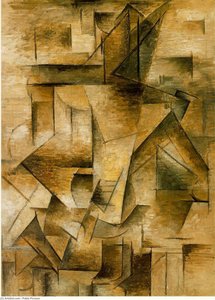
Sketchbook no. 95 (13)


 और पढ़ें
इस पृष्ठ पर प्रदर्शित कलाकृति कॉपीराइट कानून द्वारा संरक्षित है, जिसका अर्थ है कि हम कानूनी रूप से इसकी हूबहू प्रतिलिपि बनाने या बेचने का अधिकार नहीं रखते हैं। यह संरक्षण अंतर्राष्ट्रीय समझौतों के तहत लागू किया जाता है, जैसे कि बर्न कन्वेंशन और राष्ट्रीय कानूनों द्वारा, जिनमें % द्वारा निर्धारित कानून भी शामिल हैं। अमेरिकी कॉपीराइट कानून - शीर्षक 17।
यह विधि कॉपीराइट नियमों का पूरी तरह से पालन करती है क्योंकि इसमें संरक्षित कलाकृति की नकल या प्रतिलिपि बनाना शामिल नहीं है। इसके बजाय, यह एक रचनात्मक पुनर्व्याख्या है - एक ऐसी नई पेंटिंग जो मूल कृति से प्रेरित तो है, लेकिन उसके समान नहीं है।
गिक्ली / आर्ट प्रिंट
तेज़ उत्पादन और विभिन्न फिनिश विकल्पों के साथ म्यूजियम-क्वालिटी गिकली (giclée) या कैनवस प्रिंट। ( हाथ से बनी पेंटिंग खरीदें डिजिटल इमेज पर जाएँ)




P118B ₹10

P118H ₹10

P118W ₹10

P438Z ₹10

P508JH ₹12

P508YH ₹12

P805H ₹10

P805Z ₹10

P919BZ ₹10

P919G ₹10

P919XJ ₹10

P959ZH ₹10

P968JZ ₹12

W106C ₹8

W218G ₹10

W218JH ₹8

W218Y ₹10

W307PJ ₹10

W316G ₹10

W316PJ ₹8

W316Y ₹10

W398PJ ₹8

W4111J ₹10

W500HY ₹15

W500JH ₹15

W692G ₹12

W849H ₹8

W940BG ₹15

W953PJ ₹8




कलाकृति के मूल अनुपात से मेल खाने वाले हमारे पूर्व निर्धारित आकारों में से चुनें।

अपने फ्रेम या अपनी दीवार के अनुसार आवश्यक चौड़ाई और ऊंचाई दर्ज करें। प्रिंट को केवल काटा जा सकता है, चित्र से बड़ा कभी नहीं बनाया जा सकता, इसलिए अलग आकार का साइज चित्र का एक हिस्सा खो देता है। किसी भी चीज़ को प्रिंट करने से पहले हम आपकी स्वीकृति के लिए आपको एक डिजिटल मॉकअप भेजते हैं। इस पृष्ठ पर दिखाया गया चित्र वास्तविक कटिंग नहीं दिखाता है — केवल मॉकअप ही इसे दर्शाता है।
विश्वव्यापी डिलीवरी (), मानक 4/5 सप्ताह के बजाय मात्र 2 सप्ताह में। (27 अक्टूबर)

दुनिया भर में मुफ़्त एक्सप्रेस शिपिंग

प्रीमियम ग्रेड लिनेन कैनवास

पूर्ण शिपिंग बीमा

सीमा शुल्क और आयात कर वापसी की गारंटी

सटीक रंग मिलान की गारंटी

100 दिनों की वापसी नीति (केवल निर्माण दोष होने पर)

100% पैसे वापसी की गारंटी

थोक छूट का अवसर
 ग्लास का विकल्प केवल 110 सेमी से कम आकार में ही उपलब्ध है।

Sketchbook no. 95 (13)
गिक्ली / आर्ट प्रिंट
प्रतिकृति का आकार
-


कुल मूल्य
₹ 7686
A Fragmented World: Unpacking Picasso's "Sketchbook No. 95 (13)"
Pablo Picasso’s “Sketchbook No. 95 (13)” isn’t a finished masterpiece, yet it possesses an arresting immediacy and a profound sense of unease. This black-and-white pencil sketch, born from the prolific mind of one of art history's most revolutionary figures, offers a glimpse into Picasso’s creative process – a raw, spontaneous exploration of form and perspective that anticipates the radical innovations of Cubism. The artwork immediately commands attention not through vibrant color, but through its deliberate simplification and unsettling distortion. It’s a study in controlled chaos, a testament to Picasso's ability to distill complex ideas into their most essential elements.
The composition centers around an ambiguous figure, seemingly a stylized representation of either a human or animal form – perhaps a bull, frequently a motif in Picasso’s work, or a seated individual caught in a moment of contemplation. The figure dominates the frame, its solidity emphasized by thick, dark lines that delineate its contours with forceful precision. Notice how the artist has employed hatching and cross-hatching techniques to build up tonal variations, suggesting texture and volume without resorting to shading. This deliberate layering creates a tactile quality, inviting the viewer to almost feel the grit of the paper beneath their fingertips – a rare intimacy afforded by a pencil sketch.
The Language of Cubism: Deconstructing Reality
“Sketchbook No. 95 (13)” is undeniably rooted in the principles of Cubism, a movement Picasso co-founded with Georges Braque. Cubism rejected traditional representational techniques, advocating instead for an analysis of objects from multiple viewpoints simultaneously. Here, we see this translated into a fragmented image – geometric shapes—triangles and cones—are combined in an unconventional manner, creating a sense of disorientation and challenging the viewer’s perception of space. The flattened perspective, with minimal depth, further reinforces this fractured reality. Picasso wasn't aiming to depict a single, fixed view; he was presenting multiple facets of his subject all at once, forcing us to actively engage in reconstructing the image within our own minds.
The monochromatic palette – shades of gray ranging from deep blacks to light whites – is crucial to the sketch’s impact. By stripping away color, Picasso focuses entirely on form and structure. The stark contrast between light and dark amplifies the figure's solidity and creates a dramatic tension within the composition. It evokes a sense of austerity and perhaps even melancholy, mirroring themes that frequently surfaced in Picasso’s work following personal tragedies.
Symbolism and Emotional Resonance
While seemingly abstract, “Sketchbook No. 95 (13)” resonates with powerful symbolic undertones. The distorted proportions of the figure can be interpreted as a reflection of the anxieties and uncertainties of the era – the early 20th century, marked by war, social upheaval, and rapid technological change. Picasso’s use of sharp angles and fragmented forms contributes to a feeling of disorientation and unease, mirroring the psychological impact of these turbulent times. The sketch's inherent strangeness invites speculation and encourages viewers to project their own emotions and interpretations onto the image.
A Window into the Master’s Process
More than just a finished artwork, “Sketchbook No. 95 (13)” offers a valuable insight into Picasso's creative process. It’s a study in quick observation and spontaneous mark-making – a testament to his remarkable ability to capture essence with minimal effort. The rough texture of the paper, punctuated by the artist’s visible pencil strokes, adds another layer of authenticity and immediacy to the piece. Reproductions of this sketch retain much of its original character, offering collectors a tangible connection to Picasso's studio and a deeper appreciation for his artistic genius.
प्रश्न और उत्तर
मुझे अपने कमरे के लिए "Sketchbook no. 95 (13)" का कौन सा आकार प्रिंट करना चाहिए?
एक Living Room में, "Sketchbook no. 95 (13)" के लिए Medium प्रिंट आकार का सुझाव दिया जाता है।
क्या "Sketchbook no. 95 (13)" उस प्रकार की कला का उदाहरण है जो पाब्लो पिकासो आमतौर पर बनाते हैं?
पाब्लो पिकासो के दर्ज विषयों - fragmentation, geometric abstraction, spanish civil war impact, anti-war sentiment, protest, picasso’s cubist evolution”, “symbolic representation suffering” - के बीच, "Sketchbook no. 95 (13)" में sketchbook, picasso, cubism, figure, distortion, gray scale, abstraction, fragmented पर अपना स्वयं का विशेष ध्यान केंद्रित किया गया है।
क्या पाब्लो पिकासो द्वारा "Sketchbook no. 95 (13)" की छवि को स्वतंत्र रूप से पुनरुत्पादित किया जा सकता है?
पाब्लो पिकासो द्वारा "Sketchbook no. 95 (13)" के लिए कॉपीराइट संबंधी जानकारी: यह कृति अभी भी कॉपीराइट द्वारा संरक्षित है है। इससे यह निर्धारित होता है कि क्या इस छवि की प्रतियां स्वतंत्र रूप से बनाई जा सकती हैं।
कलाकार का परिचय
पाब्लो पिकासो की चिरस्थायी विरासत
पाब्लो रुइज़ वाई पिकासो, एक ऐसा नाम जो कलात्मक क्रांति का पर्याय है, उनका जन्म 25 अक्टूबर 1881 को मलागा, स्पेन में हुआ था। उनका अस्तित्व ही रचनात्मक अभिव्यक्ति के लिए नियत प्रतीत होता था; किंवदंती है कि उनके पहले बोले गए शब्द “पिज, पिज़” थे, जो 'पेंसिल' कहने का एक प्रयास था। इस प्रारंभिक झुकाव को उनके पिता, जोसे रुइज़ वाई ब्लास्को द्वारा पोषित किया गया, जो एक चित्रकार और कला शिक्षक थे, जिन्होंने युवा पाब्लो को बुनियादी प्रशिक्षण प्रदान किया। हालाँकि, छात्र ने जल्द ही अपने प्रशिक्षक को पीछे छोड़ दिया, और प्राकृतिक चित्रण के लिए एक उल्लेखनीय योग्यता का प्रदर्शन किया जिसने उनके भीतर छिपी असाधारण प्रतिभा का संकेत दिया। परिवार के बाद के प्रवास – पहले ए कोरुना, फिर बार्सिलोना – व्यक्तिगत त्रासदियों से चिह्नित थे, विशेष रूप से पिकासो की बहन का निधन, ऐसे अनुभव जिन्होंने सूक्ष्म रूप से उनके बाद के कार्यों में उदासी और मृत्यु दर के विषयों को भर दिया। बार्सिलोना के स्कूल ऑफ फाइन आर्ट्स में औपचारिक अध्ययन और मैड्रिड के रॉयल एकेडमी ऑफ सैन फर्नांडो में एक संक्षिप्त कार्यकाल के दौरान भी, पिकासो ने कठोर शैक्षणिक सीमाओं का विरोध किया, और इसके बजाय वेल्ज़क्वेज़ और गोया जैसे उस्तादों की कृतियों में खुद को डुबोना पसंद किया, जिससे उन्होंने कलात्मक नवाचार की ओर अपना स्वयं का मार्ग बनाया।
उदासी के नीले रंग से गुलाबी आभा तक
20वीं सदी के शुरुआती वर्षों ने पिकासो की कला में दो अलग-अलग कालखंडों का उदय देखा: नीला दौर (लगभग 1901-1904) और गुलाबी दौर (1904-1906)। नीला दौर, जो व्यक्तिगत कठिनाइयों और सामाजिक पीड़ा के प्रति गहरी संवेदनशीलता से उपजा था, नीले और नीले-हरे रंग की गंभीर छायाओं में डूबी पेंटिंग्स के लिए जाना जाता है। इन कृतियों में हाशिए पर रहने वाले पात्र – भिखारी, अंधे, वेश्याएं – एक ऐसे मर्मस्पर्शी सहानुभूति के साथ चित्रित हैं जो अलगाव और निराशा के विषयों को व्यक्त करते हैं। ला वी (1903) और द ओल्ड गिटारिस्ट (1903-1904) इस भावनात्मक रूप से आवेशित चरण के मार्मिक उदाहरण हैं। पिकासो के व्यक्तिगत जीवन में आए बदलाव और पेरिस प्रवास ने गुलाबी दौर के आगमन की घोषणा की। उनके रंगों का पैलेट काफी गर्म हो गया, जिसमें गुलाबी, नारंगी और लाल रंगों को अपनाया गया, जो एक अधिक आशावादी दृष्टिकोण को दर्शाता था। इस काल में सर्कस के कलाकारों – हार्लेक्विन, कलाबाज और पारिवारिक समूहों – के प्रति आकर्षण देखा गया, वे पात्र जो नाजुकता और लचीलेपन दोनों का प्रतीक थे। फैमिली ऑफ साल्टिम्बैंक्स (1905) इस परिवर्तन को खूबसूरती से समेटता है, जो आगे आने वाले शैलीगत अन्वेषणों की ओर संकेत करता है।
परिप्रेक्ष्य का विखंडन: क्यूबिज्म और उससे परे
वर्ष 1907 कला के इतिहास में लेस डेमोसेल्स डी’एविग्नन के निर्माण के साथ एक महत्वपूर्ण मोड़ लेकर आया। इबेरियन मूर्तिकला और अफ्रीकी मुखौटों से प्रभावित, इस क्रांतिकारी पेंटिंग ने परिप्रेक्ष्य और प्रतिनिधित्व की पारंपरिक धारणाओं को तोड़ दिया। यह सदियों पुरानी परंपराओं का एक पूर्ण त्याग था, जिसने क्यूबिज्म (घनवाद) का मार्ग प्रशकी। जॉर्जेस ब्राक के साथ घनिष्ठ सहयोग करते हुए, पिकासो ने इस क्रांतिकारी आंदोलन की सह-स्थापना की, जिससे कलाकारों द्वारा वास्तविकता को देखने और चित्रित करने के तरीके में मौलिक परिवर्तन आया। विश्लेषणात्मक क्यूबिज्म (1909-1912) में वस्तुओं को ज्यामितीय आकृतियों में विभाजित किया गया था, जिन्हें मद्धम रंगों में प्रस्तुत किया गया था, जैसे कि स्वयं रूप का विच्छेदन किया जा रहा हो। यह बाद में सिंथेटिक क्यूबिज्म (1912-1919) में विकसित हुआ, जिसमें कोलाज तत्वों – समाचार पत्रों की कतरनें, कपड़े के टुकड़े – को शामिल किया गया, जिससे बनावट और दृश्य जटिलता की नई परतें जुड़ गईं। पिकासो केवल दुनिया का प्रतिनिधित्व करने से संतुष्ट नहीं थे; उन्होंने इसे अपने तरीके से विखंडित करने और पुनर्गठित करने का प्रयास किया।
एक बेचैन प्रयोगवादी: नवशास्त्रीयवाद, अतियथार्थवाद और युद्ध
1920 के दशक में पिकासो ने संक्षिप्त रूप से नवशास्त्रीय शैलियों का अन्वेषण किया, ऐसी विशाल आकृतियाँ बनाईं जो आधुनिक संवेदनशीलता बनाए रखते हुए शास्त्रीय रूपों की प्रतिध्वनि करती थीं। साथ ही, उन्होंने उभरते हुए अतियथार्थवादी (Surrealist) आंदोलन के साथ भी जुड़ाव किया, हालांकि वे कभी भी पूरी तरह से इसके सिद्धांतों के साथ संरेखित नहीं हुए। इस अवधि के दौरान उनके कार्य ने प्रारंभिक शैलीगत प्रभावों को अतियथार्थवादी कल्पना और विकृत परिप्रेक्ष्य के साथ मिश्रित किया, जो उनके निरंतर प्रयोगों को प्रदर्शित करता है। स्पेनिश गृहयुद्ध की भयावहता ने पिकासो को गहराई से प्रभावित किया, जिसका चरमोत्कर्ष गुएर्निका (1937) के निर्माण में हुआ, जो गुएर्निका की बमबारी के प्रति एक मर्मभेदी और भावनात्मक रूप से विनाशकारी प्रतिक्रिया थी। यह स्मारकीय कृति युद्ध की अत्याचारों का एक स्थायी प्रतीक बन गई, जिसने न केवल एक कलाकार के रूप में बल्कि शांति और सामाजिक न्याय के लिए एक शक्तिशाली आवाज के रूप में पिकासो की भूमिका को सुदृढ़ किया। 1950 और 60 के दशक के दौरान, उन्होंने अटूट जिज्ञासा और कौशल के साथ सिरेमिक, मूर्तिकला और प्रिंटमेकिंग का पता लगाते हुए सीमाओं को आगे बढ़ाना जारी रखा। 1961 में जैकलिन रोके के साथ उनके विवाह ने उनके व्यक्तिगत जीवन और कलात्मक अभिव्यक्ति में एक नया आयाम जोड़ा।
एक असीमित प्रभाव
पाब्लो पिकासो का निधन 8 अप्रैल, 1973 को मौजिन्स, फ्रांस में हुआ, वे अपने पीछे कार्यों का एक आश्चर्यजनक भंडार छोड़ गए – जिसका अनुमान 50,000 से अधिक कृतियों का है – जो आज भी मंत्रमुग्ध और प्रेरित करता है। उनके कलात्मक विकास को विविध प्रभावों ने आकार दिया, जिसमें वेल्ज़क्वेज़ और गोया जैसे स्पेनिश उस्तादों से लेकर इबेरियन मूर्तिकला, अफ्रीकी कला और हेनरी मातिस के जीवंत रंग पैलेट तक शामिल थे। 20वीं सदी की कला पर उनका प्रभाव असीमित है। उन्होंने क्यूबिज्म की सह-स्थापना की, कोलाज और निर्मित मूर्तिकला का नेतृत्व किया, और लगातार कलात्मक परंपराओं को चुनौती दी। पिकासो के निरंतर प्रयोगों ने आधुनिक कला को पुनरपरिभाषित किया, कलाकारों की पीढ़ियों पर एक अमिट छाप छोड़ी और इतिहास के सबसे महत्वपूर्ण और प्रभावशाली व्यक्तित्वों में से एक के रूप में अपनी स्थिति मजबूत की। उनकी विरासत कैनवास से परे तक फैली हुई है, जो समकालीन संस्कृति के अनगिनत पहलुओं में गूंजती है और हमें कलात्मक दृष्टि की परिवर्तनकारी शक्ति की याद दिलाती है।

पाब्लो पिकासो
1881 - 1973 , स्पेन
संक्षिप्त जानकारी
- Artistic Movement Or Style: क्यूबिज्म, अतियथार्थवाद
- Artists Or Movements Influenced By This Artist:
- क्यूबिज्म
- आधुनिक कला
- Artists Who Influenced This Artist:
- वेलज़क्वेज़
- गोया
- मातिस
- Date Of Birth: 25 अक्टूबर 1881
- Date Of Death: 8 अप्रैल 1973
- Full Name: पाब्लो रुइज़ पिकासो
- Nationality: स्पेनिश
- Notable Artworks:
- लेस डेमेइसल्स डी'एविग्नन
- ग्वेर्निका
- द ओल्ड गिटारिस्ट
- ला विए
- फैमिली ऑफ़ साल्टिम्बैंक्स
- Place Of Birth: मलागा, स्पेन
संबंधित लेखों की सूची
Cubism's Revolution: 10 Masterpieces That Redefined Modern Art | OriginalUniqueArt
Explore 10 Cubist masterpieces by Picasso, Braque & more! Delve into the history of this revolutionary art movement. Find museum-quality reproductions and elevate your home decor with OriginalUniqueArt. Discover all masterpieces on OriginalUniqueArt.com

अमूर्त अभिव्यंजनावाद: शीर्ष 10 कलाकृतियाँ जिन्होंने परिभाषित किया कला की दुनिया
अमूर्त अभिव्यंजनावाद की 10 उत्कृष्ट कृतियाँ जानें! पोलक, रोथको जैसे कलाकारों के अनूठे रंगों और भावनाओं का अनुभव करें। OriginalUniqueArt.com पर कला इतिहास की गहराई में जाएँ और अपने घर के लिए अद्वितीय सजावट खोजें। ऑनलाइन संग्रह देखें!

Kandinsky's Masterpieces: 25 Paintings That Define Abstract Art | OriginalUniqueArt
Journey through Wassily Kandinsky's 25 most iconic abstract paintings. Explore his revolutionary use of color, form & spiritual expressionism. Find museum-quality Kandinsky reproductions and elevate your home decor with OriginalUniqueArt.com. Discover all masterpieces on OriginalUniqueArt.com!

White on Canvas: 10 Masterpieces & Timeless Elegance for Your Home Decor
Explore 10 iconic white paintings by Monet, Whistler & Rothko! Discover the stories behind these serene masterpieces and their impact on art history. Find museum-quality reproductions for your home decor at .
Cubism Unveiled: How Picasso and Braque Redefined Reality Through Geometric Abstraction
Explore the revolutionary world of Cubism. Discover how masters Pablo Picasso and Georges Braque dismantled reality through geometric abstraction to redefine modern art history.