पूर्वावलोकन देखें
 साझा करें
 साझा करें
 विस्तृत विवरण

 डाउनलोड करें
 समान कलाकृतियाँ
 एक्स-रे
 स्लाइड शो देखें
 आंकड़े
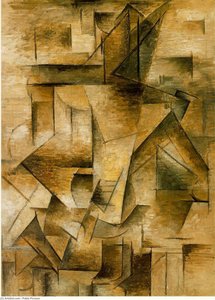
El arrastre


 पूरा देखें
हाथ से बनी ऑयल रिप्रोडक्शन
आपके आकार और फ्रेम के अनुसार कैनवास पर हाथ से बनी ऑयल पेंटिंग, हमारे कलाकारों द्वारा विशेष रूप से ऑर्डर पर तैयार। ( प्रिंट पर स्विच करें डिजिटल इमेज पर स्विच करें)




































कलाकृति के मूल अनुपात से मेल खाने वाले हमारे पूर्व निर्धारित आकारों में से चुनें।

आप किसी विशिष्ट फ्रेम या स्थान के अनुसार अपने स्वयं के आयाम (dimensions) दर्ज कर सकते हैं। यदि आपके द्वारा चुना गया आकार मूल छवि के अनुपात से मेल नहीं खाता है, तो हम कलाकृति को क्रॉप करेंगे या पेंटिंग में अतिरिक्त हाथ से चित्रित तत्व जोड़कर उसका विस्तार करेंगे। उत्पादन शुरू होने से पहले आपकी स्वीकृति के लिए एक डिजिटल मॉकअप भेजा जाएगा।
कृपया ध्यान दें कि स्क्रीन पर दिखने वाला पूर्वावलोकन वास्तविक क्रॉपिंग या विस्तार को नहीं दर्शाता है। केवल मॉकअप ही अंतिम रचना को सटीक रूप से दिखाएगा।
यद्यपि कस्टम आकार उपलब्ध हैं, फिर भी हम मूल अनुपात बनाए रखने के लिए पूर्व-निर्धारित सूची से आयाम चुनने की सलाह देते हैं।
ऑर्डर देने के बाद, OriginalUniqueArt.com टीम निर्देशों के लिए क्लाइंट को ईमेल करेगी और एक मॉकअप प्रीव्यू प्रदान करेगी
विश्वव्यापी वितरण () मानक 5 सप्ताह के बजाय मात्र 3/4 सप्ताह में। (13 सितमबर)। गुणवत्ता से कोई समझौता नहीं।

दुनिया भर में मुफ़्त एक्सप्रेस शिपिंग

उच्च गुणवत्ता वाला लिनेन कैनवास

पूर्ण शिपिंग बीमा

सीमा शुल्क और आयात कर वापसी की गारंटी

सटीक रंग मिलान की गारंटी

100-दिन की वापसी नीति (केवल दोषपूर्ण होने पर)

100% पैसे वापसी की गारंटी

थोक छूट का लाभ
 ग्लास का विकल्प केवल 110 सेमी से कम आकार में ही उपलब्ध है।

El arrastre
प्रतिकृति की विधि
प्रतिकृति का आकार
-


कुल देय राशि
$ 300
A Fragmented Reflection of Trauma
In the annals of modern art, few transitions are as seismic as the moment Pablo Picasso began to dismantle the traditional boundaries of sight. His 1907 masterpiece, "El Arrastre" (The Tug), serves as a profound window into this transformative era, capturing the artist at a pivotal crossroads between classical mastery and the radical birth of Cubism. This work is far more than a mere experiment in geometry; it is a deeply visceral response to the anxieties of the early 20th century and a personal, somber reflection on loss. Painted during a period marked by the devastating death of his infant son, Andrei, the canvas vibrates with an underlying tension that transcends its fractured planes, offering a glimpse into a soul navigating the wreckage of grief.
The visual language of "El Arrastre" is one of deliberate disruption. Picasso abandons the comforting stability of traditional perspective, opting instead to present multiple viewpoints simultaneously. The figures within the composition are dissected into angular shards, their forms broken and reassembled in a way that mirrors a shattered emotional landscape. To gaze upon this piece is to witness the deconstruction of reality itself. The dominant palette—a somber arrangement of muted browns, ochres, and earthy tones—creates an atmosphere of profound isolation and melancholy. Yet, amidst this heavy stillness, Picasso strategically punctuates the canvas with flashes of vibrant crimson. These sudden bursts of color act as symbolic pulses of life, representing passion, pain, and the lingering, stubborn vestiges of memory that refuse to fade even amidst destruction.
The Dawn of a New Vision
As we delve deeper into the technique, we see the influence of Paul Cézanne’s structural explorations merging with Picasso's burgeoning interest in African and Iberian sculpture. The artwork moves away from the mere imitation of nature toward a conceptual representation of existence. In "El Ar려는", the figures are not simply bodies in space; they are geometric entities that challenge the viewer to reconstruct the scene mentally. A central figure, perhaps a rider on a horse, is rendered through a series of interlocking planes that suggest motion and instability all at once. This technique anticipates the broader developments of the Cubist movement, where the subject is no longer a static object to be observed, but a complex experience to be decoded.
For the discerning collector or interior designer, "El Arrastre" offers an unparalleled opportunity to introduce a piece of profound historical weight and intellectual depth into a space. A high-quality reproduction of this work does not merely decorate a wall; it anchors a room with its commanding presence and complex narrative. The painting’s ability to evoke both chaos and contemplation makes it a versatile centerpiece, capable of inspiring conversation in a modern gallery setting or adding a layer of sophisticated, avant-garde texture to a curated residential collection. It is an invitation to look beyond the surface, to embrace the beauty found within fragmentation, and to celebrate the enduring power of art to transform personal tragedy into universal truth.
कलाकार का जीवन परिचय
पाब्लो पिकासो: कलात्मक क्रांति के प्रतीक
पाब्लो रुइज़ वाई पिकासो, एक ऐसा नाम जो कलात्मक क्रांति का पर्याय है, का जन्म 25 अक्टूबर 1881 को मलागा, स्पेन में हुआ था। उनका अस्तित्व ही रचनात्मक अभिव्यक्ति के लिए अभिशप्त प्रतीत होता था; किंवदंती है कि उनके पहले शब्द "पिज, पिज़" थे, पेंसिल कहने का एक प्रयास। इस प्रारंभिक झुकाव को उनके पिता, जोसे रुइज़ वाई ब्लास्को द्वारा पोषित किया गया, जो एक चित्रकार और कला शिक्षक थे, जिन्होंने युवा पाब्लो को मूलभूत प्रशिक्षण प्रदान किया। हालाँकि, छात्र ने जल्द ही प्रशिक्षक को पीछे छोड़ दिया, प्राकृतिक चित्रण के लिए एक उल्लेखनीय योग्यता का प्रदर्शन किया जिसने भीतर निहित असाधारण प्रतिभा का संकेत दिया। परिवार की बाद की चालें – पहले ए कोरुना, फिर बार्सिलोना – व्यक्तिगत त्रासदी से चिह्नित थीं, विशेष रूप से पिकासो की बहन की हानि, अनुभव जो सूक्ष्म रूप से उनके बाद के काम में उदासी और मृत्यु दर के विषयों को भर देंगे। औपचारिक अध्ययन के दौरान बार्सिलोना के स्कूल ऑफ फाइन आर्ट्स में और मैड्रिड के रॉयल एकेडमी ऑफ सैन फर्नांडो में एक संक्षिप्त कार्यकाल के दौरान भी, पिकासो कठोर शैक्षणिक बाधाओं के खिलाफ विद्रोह करते थे, इसके बजाय वेल्ज़क्वेज़ और गोया जैसे मास्टर्स के कार्यों में खुद को डुबो देते थे, कलात्मक नवाचार की ओर अपने स्वयं के मार्ग का निर्माण करते थे।नीले और गुलाबी रंगों की दुनिया: प्रारंभिक चरण
20वीं सदी के शुरुआती वर्षों ने पिकासो के काम में दो विशिष्ट अवधियों का उदय देखा: नीला दौर (लगभग 1901-1904) और गुलाबी दौर (1904-1906)। व्यक्तिगत कठिनाई और सामाजिक पीड़ा की गहरी समझ से पैदा हुआ नीला दौर, नीले और नीले-हरे रंगों की गंभीर छायाओं में डूबे चित्रों द्वारा चिह्नित है। ये काम हाशिए के आंकड़ों से भरे हुए हैं – भिखारी, अंधे, वेश्याएं – एक भयावह सहानुभूति के साथ प्रस्तुत किए गए हैं जो अलगाव और निराशा के विषयों को व्यक्त करते हैं। ला वी (1903) और द ओल्ड गिटारिस्ट (1903-1904) इस भावनात्मक रूप से आवेशित चरण के मार्मिक उदाहरण के रूप में खड़े हैं। एक व्यक्तिगत जीवन में बदलाव, पेरिस जाने के साथ मिलकर, गुलाबी दौर का आगमन हुआ। पैलेट काफी गर्म हो गया, गुलाबी, नारंगी और लाल रंग को अपनाते हुए, एक अधिक आशावादी दृष्टिकोण को दर्शाता है। इस अवधि ने सर्कस कलाकारों में रुचि देखी - हार्लेक्विन, एक्रोबेट और पारिवारिक दल - जो नाजुकता और लचीलापन दोनों को मूर्त रूप देते हैं। फैमिली ऑफ साल्टिंबैंक्स (1905) खूबसूरती से इस संक्रमण को समाहित करता है, आगामी शैलीगत अन्वेषणों का संकेत देता है।दृष्टिकोण का विघटन: घनवाद और उससे आगे
1907 ने कला के इतिहास में एक महत्वपूर्ण क्षण चिह्नित किया लेस डेमॉइसल डी’एविग्नन के निर्माण के साथ। आइबेरियन मूर्तिकला और अफ्रीकी मुखौटों से प्रभावित, इस अभूतपूर्व पेंटिंग ने परिप्रेक्ष्य और प्रतिनिधित्व की पारंपरिक धारणाओं को तोड़ दिया। यह एक कट्टरपंथी प्रस्थान था, सदियों पुरानी परंपराओं का जानबूझकर अस्वीकृति जिसने घनवाद के लिए मार्ग प्रशस्त किया। जॉर्ज ब्राक के साथ घनिष्ठ सहयोग में काम करते हुए, पिकासो ने इस क्रांतिकारी आंदोलन की सह-स्थापना की, मौलिक रूप से बदल दिया कि कलाकारों ने वास्तविकता को कैसे देखा और चित्रित किया। विश्लेषणात्मक घनवाद (1909-1912) वस्तुओं को ज्यामितीय आकृतियों में खंडित करने पर केंद्रित था, जो शांत रंगों में प्रस्तुत किया गया था, जैसे कि स्वयं रूप का विश्लेषण करना। यह सिंथेटिक घनवाद (1912-1919) में विकसित हुआ, जिसमें अखबार के क्लिपिंग और कपड़े के टुकड़ों जैसे कोलाज तत्वों को शामिल किया गया, बनावट और दृश्य जटिलता की नई परतें जोड़ दी गईं। पिकासो दुनिया का प्रतिनिधित्व करने से संतुष्ट नहीं थे; उन्होंने इसे विघटित करना और अपनी शर्तों पर पुनर्निर्माण करना चाहा।एक बेचैन प्रयोगकर्ता: नवशास्त्रीयवाद, अतियथार्थवाद और युद्ध
1920 के दशक ने पिकासो को संक्षिप्त रूप से नवशास्त्रीय शैलियों का पता लगाने के लिए देखा, जो क्लासिक रूपों को प्रतिध्वनित करने वाले विशाल आंकड़े बनाते हैं जबकि एक विशिष्ट आधुनिक संवेदनशीलता बनाए रखते हैं। साथ ही, उन्होंने उभरते अतियथार्थवादी आंदोलन के साथ भी जुड़ गए, हालांकि कभी भी इसके सिद्धांतों के साथ पूरी तरह से नहीं जुड़े। इस अवधि में उनका काम पहले की शैलीगत प्रभावों को अवास्तविक कल्पना और विकृत दृष्टिकोणों के साथ मिलाता है, उनकी अथक प्रयोग का प्रदर्शन करता है। स्पेनिश गृहयुद्ध की भयावहताओं ने पिकासो को गहराई से प्रभावित किया, जिसके परिणामस्वरूप गुएर्निका (1937) का निर्माण हुआ, गुएर्निका शहर के बमबारी के प्रति एक जीवंत और भावनात्मक रूप से विनाशकारी प्रतिक्रिया। यह विशाल कार्य युद्ध की क्रूरता का एक स्थायी प्रतीक बन गया, पिकासो की भूमिका को न केवल एक कलाकार बल्कि शांति और सामाजिक न्याय के लिए एक शक्तिशाली आवाज के रूप में मजबूत किया। 1950 और 60 के दशक में, उन्होंने अचल जिज्ञासा और कौशल के साथ सिरेमिक, मूर्तिकला और प्रिंटमेकिंग का पता लगाते हुए सीमाओं को लगातार चुनौती दी। जैक्वलीन रोक् के साथ उनकी शादी ने उनके व्यक्तिगत जीवन और कलात्मक अभिव्यक्ति में एक नया आयाम लाया।एक अगणनीय प्रभाव
पाब्लो पिकासो 8 अप्रैल 1973 को मोउइन्स, फ्रांस में 91 वर्ष की आयु में निधन हो गए, जिससे एक आश्चर्यजनक कार्य का शरीर पीछे छूट गया - अनुमानित रूप से 50,000 से अधिक टुकड़े - जो आज भी दर्शकों को मोहित और प्रेरित करता है। उनके कलात्मक विकास को वेलज़क्वेज़ और गोया जैसे स्पेनिश मास्टर्स से लेकर आइबेरियन मूर्तिकला, अफ्रीकी कला और हेनरी मैटिस के जीवंत रंग पैलेट तक विविध प्रकार के प्रभावों द्वारा आकार दिया गया था। 20वीं सदी की कला पर उनका प्रभाव अगणनीय है। उन्होंने घनवाद की सह-स्थापना की, कोलाज और निर्मित मूर्तिकला का मार्ग प्रशस्त किया, और लगातार कलात्मक परंपराओं को चुनौती दी। पिकासो के अथक प्रयोग ने आधुनिक कला को फिर से परिभाषित किया, पीढ़ियों के कलाकारों पर एक अमिट छाप छोड़ी और इतिहास में सबसे महत्वपूर्ण और प्रभावशाली आंकड़ों में से एक के रूप में अपनी स्थिति मजबूत की। उनकी विरासत कैनवास से परे फैली हुई है, समकालीन संस्कृति के अनगिनत पहलुओं में प्रतिध्वनित होती है और हमें कलात्मक दृष्टि की परिवर्तनकारी शक्ति की याद दिलाती है।
पाब्लो पिकासो
1881 - 1973 , स्पेन
मुख्य तथ्य
- Artistic Movement Or Style: क्यूबिज्म, अतियथार्थवाद
- Artists Or Movements Influenced By This Artist:
- क्यूबिज्म
- आधुनिक कला
- Artists Who Influenced This Artist:
- वेलज़क्वेज़
- गोया
- मातिस
- Date Of Birth: 25 अक्टूबर 1881
- Date Of Death: 8 अप्रैल 1973
- Full Name: पाब्लो रुइज़ पिकासो
- Nationality: स्पेनिश
- Notable Artworks:
- लेस डेमेइसल्स डी'एविग्नन
- ग्वेर्निका
- द ओल्ड गिटारिस्ट
- ला विए
- फैमिली ऑफ़ साल्टिम्बैंक्स
- Place Of Birth: मलागा, स्पेन
संबंधित लेख

Cubism Unveiled: How Picasso and Braque Redefined Modern Art through Geometric Revolution
Explore the revolutionary world of Cubism. Discover how Pablo Picasso and Georges Braque dismantled perspective to redefine modern art through geometric innovation and analytical mastery. An essential guide for art students, collectors, and history enthusiasts.

एल ग्रीको की शीर्ष 25 उत्कृष्ट कृतियाँ: कला, इतिहास और घर सजावट के लिए प्रेरणा
एल ग्रीको की शीर्ष 25 पेंटिंग देखें! स्पेनिश चित्रकार एल ग्रीको के धार्मिक कला, बारोक शैली और अद्वितीय कैनवास प्रिंट्स का अन्वेषण करें। घर सजावट के लिए प्रेरणा पाएं और OriginalUniqueArt.com पर उत्कृष्ट कृतियों को खोजें।
Cubism Unveiled: How Picasso and Braque Redefined Reality Through Geometric Abstraction
Explore the revolutionary world of Cubism. Discover how masters Pablo Picasso and Georges Braque dismantled reality through geometric abstraction to redefine modern art history.
Cubism's Revolution: 10 Masterpieces That Redefined Modern Art | OriginalUniqueArt
Explore 10 Cubist masterpieces by Picasso, Braque & more! Delve into the history of this revolutionary art movement. Find museum-quality reproductions and elevate your home decor with OriginalUniqueArt. Discover all masterpieces on OriginalUniqueArt.com
Cubist Portraits: 10 Masterpieces That Revolutionized Art | OriginalUniqueArt
Explore 10 revolutionary Cubist portraits by Picasso, Braque & more! Discover the stories behind these iconic paintings and how they shaped modern art. Find museum-quality reproductions to elevate your home decor on OriginalUniqueArt.com.