

 पूर्वावलोकन देखें
 भेजें
भेजें साझा करें
 विवरण देखें
 मार्गदर्शिका

 डाउनलोड करें
 समान वस्तुएं
 एक्स-रे
 स्लाइड शो देखें
 आंकड़े
Shock Troops Advance under Gas


 और पढ़ें
इस पृष्ठ पर प्रदर्शित कलाकृति कॉपीराइट कानून द्वारा संरक्षित है, जिसका अर्थ है कि हम कानूनी रूप से इसकी हूबहू प्रतिलिपि बनाने या बेचने का अधिकार नहीं रखते हैं। यह संरक्षण अंतर्राष्ट्रीय समझौतों के तहत लागू किया जाता है, जैसे कि बर्न कन्वेंशन और राष्ट्रीय कानूनों द्वारा, जिनमें % द्वारा निर्धारित कानून भी शामिल हैं। अमेरिकी कॉपीराइट कानून - शीर्षक 17।
यह विधि कॉपीराइट नियमों का पूरी तरह से पालन करती है क्योंकि इसमें संरक्षित कलाकृति की नकल या प्रतिलिपि बनाना शामिल नहीं है। इसके बजाय, यह एक रचनात्मक पुनर्व्याख्या है - एक ऐसी नई पेंटिंग जो मूल कृति से प्रेरित तो है, लेकिन उसके समान नहीं है।
गिक्ली / आर्ट प्रिंट
तेज़ उत्पादन और विभिन्न फिनिश विकल्पों के साथ म्यूजियम-क्वालिटी गिकली (giclée) या कैनवस प्रिंट। ( हाथ से बनी पेंटिंग खरीदें डिजिटल इमेज पर जाएँ)




P118B ₹10

P118H ₹10

P118W ₹10

P438Z ₹10

P508JH ₹12

P508YH ₹12

P805H ₹10

P805Z ₹10

P919BZ ₹10

P919G ₹10

P919XJ ₹10

P959ZH ₹10

P968JZ ₹12

W106C ₹8

W218G ₹10

W218JH ₹8

W218Y ₹10

W307PJ ₹10

W316G ₹10

W316PJ ₹8

W316Y ₹10

W398PJ ₹8

W4111J ₹10

W500HY ₹15

W500JH ₹15

W692G ₹12

W849H ₹8

W940BG ₹15

W953PJ ₹8




कलाकृति के मूल अनुपात से मेल खाने वाले हमारे पूर्व निर्धारित आकारों में से चुनें।

अपने फ्रेम या अपनी दीवार के अनुसार आवश्यक चौड़ाई और ऊंचाई दर्ज करें। प्रिंट को केवल काटा जा सकता है, चित्र से बड़ा कभी नहीं बनाया जा सकता, इसलिए अलग आकार का साइज चित्र का एक हिस्सा खो देता है। किसी भी चीज़ को प्रिंट करने से पहले हम आपकी स्वीकृति के लिए आपको एक डिजिटल मॉकअप भेजते हैं। इस पृष्ठ पर दिखाया गया चित्र वास्तविक कटिंग नहीं दिखाता है — केवल मॉकअप ही इसे दर्शाता है।
विश्वव्यापी डिलीवरी (), मानक 4/5 सप्ताह के बजाय मात्र 2 सप्ताह में। (24 अक्टूबर)

दुनिया भर में मुफ़्त एक्सप्रेस शिपिंग

प्रीमियम ग्रेड लिनेन कैनवास

पूर्ण शिपिंग बीमा

सीमा शुल्क और आयात कर वापसी की गारंटी

सटीक रंग मिलान की गारंटी

100 दिनों की वापसी नीति (केवल निर्माण दोष होने पर)

100% पैसे वापसी की गारंटी

थोक छूट का अवसर
 ग्लास का विकल्प केवल 110 सेमी से कम आकार में ही उपलब्ध है।

Shock Troops Advance under Gas
गिक्ली / आर्ट प्रिंट
प्रतिकृति का आकार
-


कुल मूल्य
₹ 7673
Otto Dix’s “Shock Troops Advance under Gas” – A Chronicle of Trauma and Modernity
Otto Dix's "Shock Troops Advance under Gas," painted in 1924, isn’t merely a depiction of war; it’s a visceral scream rendered in stark black and white. This arresting work, currently housed at The Art Institute of Chicago, serves as a brutal indictment of the First World War and its enduring psychological scars. Dix, deeply affected by his own experiences as an artillery gunner on both the Western and Eastern fronts, channeled his trauma into a style he termed “Neue Sachlichkeit” – New Objectivity – characterized by unflinching realism and a deliberate rejection of romanticized depictions of conflict.
The painting immediately assaults the viewer with its chaotic composition. A dense mass of soldiers, their faces obscured by gas masks, surges forward across a desolate landscape. The figures are not heroic or valiant; they’re distorted, grotesque even, reduced to anonymous masses consumed by a horrifying ordeal. Dix masterfully employs a limited palette – primarily black, white, and shades of gray – to amplify the sense of despair and decay. This monochromatic approach isn't simply stylistic; it mirrors the bleakness of the battlefield and the emotional numbness experienced by those who fought there. The use of drypoint etching technique, combined with aquatint, creates a remarkable textural quality, emphasizing the rough surfaces of uniforms, the crumbling earth, and the suffocating gas itself.
The Anatomy of Horror: Technique and Symbolism
Dix’s technical prowess is evident in his meticulous rendering of detail, juxtaposed against the overall sense of chaos. Notice how he meticulously depicts the individual gas masks, highlighting their uncomfortable angles and the grim determination etched on the soldiers' faces. The figures are not uniformly rendered; some appear to be collapsing, others staggering forward with a vacant stare, while still others seem lost in a detached nightmare. This deliberate lack of clarity contributes to the painting’s unsettling effect, mirroring the disorientation and psychological trauma experienced by soldiers exposed to gas attacks.
Symbolism permeates every aspect of “Shock Troops Advance under Gas.” The gas itself represents not just chemical warfare but also the insidious corruption of the human spirit. It obscures vision, both literal and metaphorical, blinding soldiers to reason and morality. The desolate landscape – a barren wasteland punctuated by shattered buildings – symbolizes the destruction wrought by war and the loss of innocence. The positioning of the figures, seemingly trapped in an endless forward march, speaks to the futility and relentless nature of conflict. Even the composition itself—a tightly packed mass with no clear focal point—reflects the overwhelming sense of chaos and disorientation experienced on the front lines.
Historical Context: Weimar Germany and the Shadow of War
To fully appreciate “Shock Troops Advance under Gas,” it’s crucial to understand its historical context. Painted in the aftermath of World War I, the painting reflects the profound disillusionment and social upheaval gripping Weimar Germany. The country was grappling with economic instability, political extremism, and a deep sense of national shame following the devastating conflict. Dix's unflinching portrayal of war directly challenged the prevailing patriotic narratives and exposed the brutal realities that had been deliberately obscured by official propaganda.
Dix’s work aligned him with the broader movement of “Neue Sachlichkeit,” which sought to depict reality without sentimentality or romanticism. However, unlike many of his contemporaries, Dix didn't shy away from confronting uncomfortable truths about German society and its role in the war. His paintings served as a powerful critique of militarism, nationalism, and the moral bankruptcy of the ruling elite.
Emotional Resonance: A Timeless Testament to Human Suffering
"Shock Troops Advance under Gas" is more than just a historical document; it’s a profoundly moving work of art that continues to resonate with viewers today. Dix's masterful use of composition, technique, and symbolism creates an intensely unsettling experience, forcing us to confront the horrors of war and its lasting impact on individuals and societies. The painting’s stark imagery and emotional honesty serve as a timeless reminder of the human cost of conflict – a message that remains tragically relevant in our own turbulent times.
प्रश्न और उत्तर
ओटो डिक्स द्वारा "Shock Troops Advance under Gas" की रंग संरचना (color composition) कैसे बनाई गई है?
"Shock Troops Advance under Gas" में, एक Gentle विरोधाभास को Unified Palette सामंजस्य के साथ जोड़ा गया है।
ओटो डिक्स द्वारा "Shock Troops Advance under Gas" के लिए किस स्थान का सुझाव दिया गया है?
ओटो डिक्स द्वारा "Shock Troops Advance under Gas" के लिए अनुशंसित स्थान एक Living Room है। बेशक, इस सुझाव को आपके इंटीरियर के अनुसार बदला जा सकता है।
"Shock Troops Advance under Gas" की शैली इसके रचनाकार के युग से किस प्रकार संबंधित है?
ओटो डिक्स द्वारा "Shock Troops Advance under Gas" को इसके निर्माता के आधुनिक युग युग के भीतर, Neue Sachlichkeit आंदोलन के अंतर्गत रखा गया है।
कलाकार का परिचय
प्रारंभिक जीवन और युद्ध का साया
विल्हेम हेनरिक ओटो डिक्स, जिनका जन्म 1891 में अनटरहौसेन, जर्मनी में हुआ था, एक ऐसे परिवेश से उभरे थे जो औद्योगिक श्रम और शांत कलात्मक आकांक्षाओं से भरा था। उनके पिता लोहे के ढालने वाले के रूप में काम करते थे, जबकि उनकी माँ ने काव्यात्मक भावना को बढ़ावा दिया, जिससे एक घरेलू परिदृश्य बना जो सूक्ष्म रूप से युवा ओटो की रचनात्मक प्रवृत्तियों को प्रोत्साहित करता था। महत्वपूर्ण बात यह है कि उनके चचेरे भाई, चित्रकार फ्रिट्ज अमान का प्रभाव वास्तव में ओटो के महत्वाकांक्षाओं को जगाने वाला था। अमान की स्टूडियो में बिताए घंटों ने केवल तकनीक के पाठ नहीं दिए थे; वे एक ऐसी दुनिया में विसर्जन थे जहाँ कलात्मक अभिव्यक्ति में मूर्त शक्ति थी। इस प्रारंभिक संपर्क से कार्ल सेनफ के साथ प्रशिक्षुता और बाद में ड्रेसडेन में Kunstgewerbeschule में अध्ययन हुआ, हालांकि शुरू में ललित चित्रकला के बजाय अनुप्रयुक्त कलाओं पर ध्यान केंद्रित किया गया था। हालाँकि, प्रथम विश्व युद्ध ही वह प्रलयकारी घटना थी जिसने अपरिवर्तनीय रूप से डिक्स के कलात्मक प्रक्षेपवक्र को आकार दिया। स्वेच्छा से सेवा करने के लिए स्वयंसेवा करते हुए, उन्होंने खाइयों में भीषण वास्तविकता का अनुभव किया, एक आघात जो दशकों तक उनके काम को परेशान करता रहेगा। सोम्मे और फ़्लैंडर्स जैसी लड़ाइयों में देखे गए भयावह दृश्यों ने उन पर एक अमिट छाप छोड़ी, जिससे वे एक होनहार परिदृश्य चित्रकार से मानव पीड़ा और सामाजिक क्षय के कालानुक्रमिक बन गए।वेइमर गणराज्य और न्यू ऑब्जेक्टिविटी
युद्ध से गहराई से परिवर्तित होकर डिक्स ने अपने अनुभवों को इसके परिणामों के निर्दय चित्रण में प्रवाहित किया। उनके शुरुआती युद्धोत्तर कार्यों में अभिव्यक्तिवादी प्रवृत्तियाँ दिखाई दीं, लेकिन जल्द ही वे एक नई सौंदर्यशास्त्र की ओर आकर्षित हुए - *न्यू ऑब्जेक्टिविटी* या न्यू सैक्लिचकिट। इस आंदोलन ने भावनात्मक अमूर्तता को त्याग दिया और कठोर यथार्थवाद और आलोचनात्मक सामाजिक टिप्पणी का पक्ष लिया। डिक्स जॉर्ज ग्रोज़ और मैक्स बेकमैन के साथ इसके प्रमुख शख्सियतों में से एक बन गए। 1923 की उनकी पेंटिंग *द ट्रेंच* ने विखंडित शरीरों के अपने ग्राफिक चित्रण के साथ सार्वजनिक आक्रोश पैदा किया, जिससे संग्रहालयों को काम को जनता से छिपाना पड़ा। यह केवल सदमे का मूल्य नहीं था; युद्ध की क्रूर सच्चाई का सामना करने के लिए दर्शकों को मजबूर करने का एक जानबूझकर प्रयास था, वीरता या महिमा के किसी भी रोमांटिक धारणाओं को छीन लिया गया था। उन्होंने सैनिकों पर शारीरिक और मनोवैज्ञानिक घावों को चित्रित करने से परहेज नहीं किया, न ही उन्होंने समाज द्वारा उनकी दुर्दशा की अनदेखी की। युद्ध पीड़ितों की उनकी श्रृंखला ने आगे इस विषय को रेखांकित किया, दिग्गजों को चित्रित किया जिन्हें एक ऐसे समाज द्वारा हाशिए पर धकेल दिया गया जो आगे बढ़ना चाहता था। युद्ध के अलावा, डिक्स ने वेइमर जर्मनी की अधिकता और नैतिक दिवालियेपन की ओर अपनी नज़रें मोड़ीं। 1928 की उनकी *मेट्रोपोलिस* शहरी जीवन की तीखी आलोचना है, जिसमें दुराचार, वेश्यावृत्ति और सामाजिक अलगाव के दृश्य भरे हुए हैं। इस अवधि के उनके पोर्ट्रेट भी निर्दय हैं, जो युग के अभिजात वर्ग के संशयवाद और पतन को पकड़ते हैं।राजनीतिक उथल-पुथल और बाद के वर्ष
जैसे ही जर्मनी 1930 के दशक में राजनीतिक उथल-पुथल में उतर गया, डिक्स खुद को नाजी शासन द्वारा तेजी से लक्षित पाया। उनकी कला को "अध:पतन" घोषित कर दिया गया था, और उन्हें 1933 में ड्रेसडेन ललित कला अकादमी में अपने शिक्षण पद से बर्खास्त कर दिया गया था। उत्पीड़न और सेंसरशिप का सामना करते हुए, डिक्स ने धीरे-धीरे स्पष्ट रूप से राजनीतिक विषयों से दूर हटकर परिदृश्य और धार्मिक विषयों की ओर रुख किया - आत्म-संरक्षण के लिए एक रणनीतिक कदम। हालाँकि, इन बाद के कार्यों में भी तनाव और बेचैनी की भावना बनी रही। द्वितीय विश्व युद्ध के दौरान उन्हें जर्मन सेना में फिर से भर्ती किया गया, जिसने उनके युद्ध-विरोधी रुख को और मजबूत कर दिया। युद्ध के बाद, डिक्स को नवीकृत मान्यता और प्रशंसा मिली, हालांकि दोनों संघर्षों का आघात उनके कला में गूंजता रहा। वे युद्धोत्तर जर्मनी में एक सम्मानित व्यक्ति बन गए, लेकिन अपने युद्धकालीन अनुभवों की छाया से कभी पूरी तरह से मुक्त नहीं हो सके।विरासत और कलात्मक प्रभाव
ओटो डिक्स की कलात्मक विरासत बहुआयामी और स्थायी है। वह 20 वीं शताब्दी के सबसे महत्वपूर्ण जर्मन चित्रकारों में से एक बने हुए हैं, जो अपने समझौताहीन यथार्थवाद, तीखी सामाजिक आलोचना और मानव पीड़ा के निर्दय चित्रण के लिए जाने जाते हैं। उनका प्रभाव उन बाद की पीढ़ियों के कलाकारों में देखा जा सकता है जिन्होंने कठिन सत्यों का सामना करने और सामाजिक मानदंडों को चुनौती देने की मांग की है। डिक्स की तकनीकी कौशल और भावनात्मक तीव्रता को मिलाने की क्षमता उन्हें अलग करती है; वे केवल वास्तविकता का दस्तावेजीकरण नहीं कर रहे थे, बल्कि इसे गहरी सहानुभूति और नैतिक आक्रोश के लेंस के माध्यम से व्याख्या कर रहे थे। युद्ध, आघात, सामाजिक अन्याय और मानवीय स्थिति जैसे विषयों की उनकी खोज आज भी दर्शकों के साथ गूंजती रहती है। उन्होंने प्रदर्शित किया कि कला सौंदर्यशास्त्रीय रूप से शक्तिशाली और राजनीतिक रूप से व्यस्त दोनों हो सकती है, जो सामाजिक परिवर्तन के लिए एक शक्तिशाली शक्ति के रूप में काम करती है।- डिक्स का कार्य दुनिया भर के प्रमुख संग्रहालयों में चित्रित किया गया है, जिसमें न्यूयॉर्क में आधुनिक कला का संग्रहालय और जर्मनी में सुर्मोंट-लुडविग-संग्रहालय शामिल हैं।
- उनकी नक्काशी, विशेष रूप से *द वॉर*, ग्राफिक कला की उत्कृष्ट कृतियों मानी जाती हैं।
- वे वेइमर जर्मनी के कलात्मक और सामाजिक परिदृश्य को समझने में एक महत्वपूर्ण व्यक्ति बने हुए हैं।

ओटो डिक्स
1891 - 1969 , जर्मनी
संक्षिप्त जानकारी
- Artistic Movement Or Style: न्यूए साक्लिचाइट
- Artists Or Movements Influenced By This Artist: ['जॉर्ज ग्रोस']
- Date Of Birth: 2 दिसंबर 1891
- Date Of Death: 25 जुलाई 1969
- Full Name: विल्हेम हेनरिक ओटो डिक्स
- Nationality: जर्मन
- Notable Artworks (List Of Titles):
- द ट्रेंच
- मेट्रोपोलिस
- वार क्रिपल्स
- Place Of Birth (City And Country): अनटरहौसेन, जर्मनी
संबंधित लेखों की सूची

अमूर्त अभिव्यंजनावाद: शीर्ष 10 कलाकृतियाँ जिन्होंने परिभाषित किया कला की दुनिया
अमूर्त अभिव्यंजनावाद की 10 उत्कृष्ट कृतियाँ जानें! पोलक, रोथको जैसे कलाकारों के अनूठे रंगों और भावनाओं का अनुभव करें। OriginalUniqueArt.com पर कला इतिहास की गहराई में जाएँ और अपने घर के लिए अद्वितीय सजावट खोजें। ऑनलाइन संग्रह देखें!

Echoes of Trauma & Hope: Representing Transformation in Artworks of 1918
Explore the profound artistic responses to World War I's trauma & hope. Discover Expressionist masterpieces by Bacon, de Kooning & more. Expert insights for collectors & art enthusiasts at OriginalUniqueArt.

Dark Masterpieces: 10 Iconic Paintings Dominated by Black Tones |
Explore 10 iconic paintings dominated by black tones, from Rembrandt’s chiaroscuro to Goya's dark expressions. Discover the stories behind these masterpieces & find museum-quality art reproductions for your home at .

Otto Dix: Trauma, Society & Artistic Rebellion in Weimar Germany
Explore the powerful and unsettling art of Otto Dix, a key figure of Neue Sachlichkeit. Discover his unflinching depictions of Weimar Germany's trauma, society, and war through insightful analysis & iconic masterpieces.
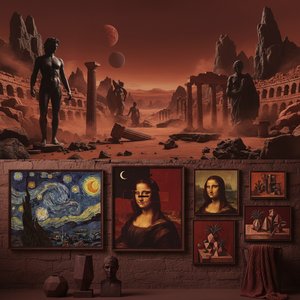
Mars Black Masterpieces: 10 Iconic Paintings & Timeless Art Decor Ideas
Delve into the power of 'Mars Black' with 10 iconic paintings by masters like Rembrandt & Caravaggio. Explore dramatic chiaroscuro, gothic art, and timeless beauty. Find museum-quality reproductions & elevate your home decor on .


