

 पूर्वावलोकन देखें
 भेजें
भेजें साझा करें
 विवरण देखें
 मार्गदर्शिका

 डाउनलोड करें
 समान वस्तुएं
 एक्स-रे
 स्लाइड शो देखें
 Q&A
Q&A आंकड़े
Veronica
 Acrylic On Canvas
- WallArt
- Expressionism
 1909
1909 120.0 x 80.0 cm
 Szépművészeti Múzeum
 और पढ़ें
इस पृष्ठ पर प्रदर्शित कलाकृति कॉपीराइट कानून द्वारा संरक्षित है, जिसका अर्थ है कि हम कानूनी रूप से इसकी हूबहू प्रतिलिपि बनाने या बेचने का अधिकार नहीं रखते हैं। यह संरक्षण अंतर्राष्ट्रीय समझौतों के तहत लागू किया जाता है, जैसे कि बर्न कन्वेंशन और राष्ट्रीय कानूनों द्वारा, जिनमें % द्वारा निर्धारित कानून भी शामिल हैं। अमेरिकी कॉपीराइट कानून - शीर्षक 17।
यह विधि कॉपीराइट नियमों का पूरी तरह से पालन करती है क्योंकि इसमें संरक्षित कलाकृति की नकल या प्रतिलिपि बनाना शामिल नहीं है। इसके बजाय, यह एक रचनात्मक पुनर्व्याख्या है - एक ऐसी नई पेंटिंग जो मूल कृति से प्रेरित तो है, लेकिन उसके समान नहीं है।
गिक्ली / आर्ट प्रिंट
तेज़ उत्पादन और विभिन्न फिनिश विकल्पों के साथ म्यूजियम-क्वालिटी गिकली (giclée) या कैनवस प्रिंट। ( हाथ से बनी पेंटिंग खरीदें डिजिटल इमेज पर जाएँ)




P118B ₹10

P118H ₹10

P118W ₹10

P438Z ₹10

P508JH ₹12

P508YH ₹12

P805H ₹10

P805Z ₹10

P919BZ ₹10

P919G ₹10

P919XJ ₹10

P959ZH ₹10

P968JZ ₹12

W106C ₹8

W218G ₹10

W218JH ₹8

W218Y ₹10

W307PJ ₹10

W316G ₹10

W316PJ ₹8

W316Y ₹10

W398PJ ₹8

W4111J ₹10

W500HY ₹15

W500JH ₹15

W692G ₹12

W849H ₹8

W940BG ₹15

W953PJ ₹8




कलाकृति के मूल अनुपात से मेल खाने वाले हमारे पूर्व निर्धारित आकारों में से चुनें।

अपने फ्रेम या अपनी दीवार के अनुसार आवश्यक चौड़ाई और ऊंचाई दर्ज करें। प्रिंट को केवल काटा जा सकता है, चित्र से बड़ा कभी नहीं बनाया जा सकता, इसलिए अलग आकार का साइज चित्र का एक हिस्सा खो देता है। किसी भी चीज़ को प्रिंट करने से पहले हम आपकी स्वीकृति के लिए आपको एक डिजिटल मॉकअप भेजते हैं। इस पृष्ठ पर दिखाया गया चित्र वास्तविक कटिंग नहीं दिखाता है — केवल मॉकअप ही इसे दर्शाता है।
विश्वव्यापी डिलीवरी (), मानक 4/5 सप्ताह के बजाय मात्र 2 सप्ताह में। (28 अक्टूबर)

दुनिया भर में मुफ़्त एक्सप्रेस शिपिंग

प्रीमियम ग्रेड लिनेन कैनवास

पूर्ण शिपिंग बीमा

सीमा शुल्क और आयात कर वापसी की गारंटी

सटीक रंग मिलान की गारंटी

100 दिनों की वापसी नीति (केवल निर्माण दोष होने पर)

100% पैसे वापसी की गारंटी

थोक छूट का अवसर
 ग्लास का विकल्प केवल 110 सेमी से कम आकार में ही उपलब्ध है।

Veronica
गिक्ली / आर्ट प्रिंट
प्रतिकृति का आकार
-


कुल मूल्य
₹ 7685
Oskar Kokoschka’s ‘Veronica’: A Portrait of Psychological Intensity
Oskar Kokoschka's “Veronica,” painted in 1909, isn’t merely a depiction of a woman; it’s an excavation of the soul. Born into a modest family in Croatia and trained initially at the Kunstgewerbeschule in Vienna, Kokoschka swiftly rejected conventional artistic paths, forging instead a deeply personal style characterized by intense emotionality and psychological probing. Unlike the prevailing naturalism of his time, he sought to capture not just outward appearance but the turbulent inner landscape of his subjects – a pursuit that defined him as one of the key figures of German Expressionism. “Veronica” exemplifies this approach, presenting a woman holding a severed head within a dimly lit interior, an image simultaneously unsettling and profoundly moving.
The painting’s style is immediately arresting—a departure from academic realism. Kokoschka employed loose, gestural brushstrokes, layering color with a deliberate lack of precision. This technique isn't about meticulous detail but rather the conveyance of raw feeling. The palette leans heavily into cool blues and greens, creating an atmosphere of melancholy and introspection. Notice how the light source—a diffused moon – casts long shadows, emphasizing the woman’s isolation and contributing to the painting’s overall sense of unease. Kokoschka's use of impasto, applying paint thickly to the canvas, adds a tactile quality, as if you could reach out and feel the weight of her burden.
The Symbolism of the Veil and the Severed Head
The central image—the woman holding the head—is laden with symbolic weight. The red veil she wears is not simply decorative; it’s a potent emblem of mourning, sacrifice, and perhaps even guilt. It obscures her face, suggesting a hidden sorrow or a concealed truth. The severed head itself is a complex motif, drawing on biblical allusions to Veronica's act of wiping Christ's wounds—a story that imbues the image with religious significance. However, Kokoschka subverts this traditional narrative by presenting not a triumphant savior but a woman bearing a gruesome reminder of suffering. This deliberate ambiguity forces the viewer to confront uncomfortable questions about mortality, loss, and the nature of faith.
The presence of the clock faces—one on the wall behind her, another further back—adds another layer of interpretation. Clocks are often associated with time, urgency, and the relentless passage of life. Their repetition suggests a sense of entrapment or perhaps an awareness of impending doom. The juxtaposition of these domestic objects with the macabre image of the severed head creates a jarring dissonance, highlighting the fragility of human existence.
Contextualizing ‘Veronica’ within Kokoschka's Life and Artistic Vision
“Veronica” was painted during a period of intense personal turmoil for Kokoschka. He had a tumultuous relationship with Alma Mahler, the widow of Gustav Mahler, which fueled much of his emotional intensity. The painting can be interpreted as an exploration of this fraught relationship—a reflection of the pain, betrayal, and unresolved emotions that plagued him. Kokoschka’s own theories on vision, articulated in “On the Nature of Visions,” profoundly influenced his artistic approach. He believed that art should capture not just what is seen but also what is felt – the subjective experience of reality. This conviction led him to prioritize emotional expression over objective representation.
Furthermore, Kokoschka’s interest in psychology—particularly the work of Sigmund Freud—is evident in “Veronica.” He sought to portray the inner workings of the human mind, exposing the hidden anxieties and desires that lie beneath the surface. The painting's unsettling atmosphere and ambiguous symbolism invite viewers to engage with their own subconscious fears and vulnerabilities. It’s a testament to Kokoschka’s ability to transform personal experience into a universal meditation on the complexities of the human condition.
A Reproduction for Collectors and Interior Design
OriginalUniqueArt offers meticulously hand-painted reproductions of “Veronica” that capture the essence of Kokoschka's original masterpiece. Our skilled artists replicate the painting’s distinctive brushwork, color palette, and atmospheric depth with remarkable accuracy. The reproduction is available in a range of sizes to suit your individual needs and preferences. Whether you are an art collector seeking to expand your collection or an interior designer looking for a striking statement piece, our “Veronica” reproduction provides an authentic representation of this iconic work while preserving its emotional power.
Consider the impact of this artwork in your space – its ability to evoke contemplation and provoke introspection. “Veronica” is more than just a painting; it’s a window into the soul—a timeless exploration of human suffering, loss, and the enduring mysteries of the inner self.
प्रश्न और उत्तर
ओस्कर कोकोश्का द्वारा "Veronica" के रंग किस तरह की भावना पैदा करते हैं?
ओस्कर कोकोश्का द्वारा "Veronica" में Earthy रंगों का संयोजन और Melancholic भाव देखने को मिलता है।
ओस्कर कोकोश्का द्वारा "Veronica" की चमक (luminance) क्या है?
ओस्कर कोकोश्का द्वारा "Veronica" की चमक (luminance) Dark है। चमक यह दर्शाती है कि रंग कितनी मात्रा में प्रकाश को परावर्तित करते प्रतीत होते हैं।
ओस्कर कोकोश्का द्वारा "Veronica" में रंगों का सामंजस्य कैसा है?
ओस्कर कोकोश्का द्वारा "Veronica" के रंग एक Balanced Harmony सामंजस्य प्रदर्शित करते हैं। सामंजस्य यह बताता है कि रंग एक-दूसरे से किस प्रकार संबंधित हैं।
कलाकार का परिचय
ओस्कर कोकोश्का: अभिव्यक्तिवाद का एक उग्र चेहरा
मार्च 1, 1886 को ऑस्ट्रिया के पोच्लार्न में जन्मे ओस्कर कोकोश्का प्रारंभिक अभिव्यक्तिवाद के प्रमुख शख्सियतों में से एक थे। उनका जीवन तीव्र व्यक्तिगत नाटकीयता और ऐतिहासिक उथल-पुथल से चिह्नित था, जो उनकी कला में गहराई से समाहित हो गया था। एक सुनार के विनम्र मूल और एक माँ की प्रेरणा से पोषित कलात्मक झुकाव के साथ, कोकोश्का का मार्ग पारंपरिक अपेक्षाओं से अलग हो गया। उन्होंने वैज्ञानिक करियर को अस्वीकार कर वियना के कुन्स्टगेवेर्ब्सचुले में अपनी प्रतिभा का अनुसरण किया, एक ऐसा निर्णय जिसने उन्हें अपने समय के सबसे मनोवैज्ञानिक रूप से गहन चित्रकारों में से एक बनने की राह पर अग्रसर किया। यहां तक कि एक युवा छात्र के रूप में भी, उन्होंने असामान्य संवेदनशीलता और कलात्मक मानदंडों को चुनौती देने की इच्छा प्रदर्शित की, जो उनके पूरे जीवनकाल को परिभाषित करेंगे। उनकी प्रारंभिक शिक्षा फ़िन-डी-सीएक्ल वियना के माहौल में डूबी हुई थी, एक ऐसा शहर जो बौद्धिक उथल-पुथल और कलात्मक नवाचार से भरा हुआ था, फिर भी बढ़ती बेचैनी की छाया में ढका हुआ था। यह द्वंद्व - सौंदर्य और चिंता, परंपरा और आधुनिकता - कोकोश्का के काम का केंद्रीय विषय बन गया।
वियनाई वर्ष: चित्र और जुनून
कोकोश्का ने जल्दी ही वियना की जीवंत कलात्मक समुदाय में एक साहसी चित्रकार के रूप में अपनी पहचान बनाई। उनका उद्देश्य मात्र समानता नहीं था; इसके बजाय, उन्होंने अपने बैठे लोगों के आंतरिक उथल-पुथल और मनोवैज्ञानिक जटिलता को पकड़ने का प्रयास किया। उनके चित्र अक्सर परेशान करने वाले, यहां तक कि टकरावपूर्ण होते थे, जो कमजोरियों और छिपी गहराई को उजागर करते थे। यह दृष्टिकोण एक ऐसे दर्शकों के साथ प्रतिध्वनित हुआ जो सिगमंड फ्रायड द्वारा अग्रणी मनोविश्लेषण के उभरते क्षेत्र में तेजी से रुचि रखते थे। फ्रायड का प्रभाव कोकोश्का के काम में स्पष्ट है, क्योंकि उन्होंने अचेतन मन में प्रवेश किया और इच्छा, अलगाव और पहचान जैसे विषयों की खोज की। उनके जीवन - और कला - में एक महत्वपूर्ण क्षण संगीतकार गुस्ताव महलर की विधवा अल्मा महलर के साथ उनका भावुक संबंध था। इस अशांत रिश्ते ने उनकी सबसे प्रतिष्ठित कृतियों को प्रेरित किया, जिसमें द ब्राइड ऑफ द विंड (द टेम्पस्ट) शामिल है, जो अल्मा को श्रद्धांजलि देने वाली और उनके तनावपूर्ण संबंध का एक भयानक चित्रण है। पेंटिंग के भंवर रूप और तीव्र रंग भावनात्मक उथल-पुथल की भावना व्यक्त करते हैं और उनके प्रेम प्रसंग की अस्थिरता को दर्शाते हैं। यह कोकोश्का की व्यक्तिगत अनुभव को सार्वभौमिक विषयों में अनुवाद करने की क्षमता का प्रमाण है।
युद्ध, निर्वासन और कलात्मक विकास
प्रथम विश्व युद्ध के प्रकोप ने नाटकीय रूप से कोकोश्का के जीवन को बदल दिया। उन्होंने ऑस्ट्रियाई सेना में स्वेच्छा से सेवा की, खाइयों में युद्ध की भयावहता का प्रत्यक्ष अनुभव किया। 1915 में गंभीर रूप से घायल होने के बाद, फ्रंट लाइनों पर उनके अनुभवों ने उनकी मानसिकता पर एक अमिट छाप छोड़ी और उनके बाद के काम को आकार दिया। युद्ध के वर्षों में उनकी शैली में बदलाव आया, परिदृश्य पोर्ट्रेट के साथ प्रमुख होते गए। ये परिदृश्य प्रकृति के आदर्श चित्रण नहीं थे बल्कि अलगाव और निराशा की अभिव्यक्ति थे, जो उन्होंने सहन किए हुए आघात को दर्शाते थे। 1930 के दशक के दौरान यूरोप में राजनीतिक तनाव बढ़ने के साथ, कोकोश्का ने फासीवाद के प्रति अपने मुखर विरोध और नवोन्मेषी आंदोलनों से जुड़े होने के कारण नाजी शासन द्वारा लक्षित पाया गया। 1934 में ऑस्ट्रिया से भागने के लिए मजबूर होकर, वे अंततः 1938 में इंग्लैंड में बस गए। विस्थापन और अनिश्चितता की इस अवधि ने उनकी अलगाव की भावना को और गहरा कर दिया लेकिन साथ ही उनकी कलात्मक रचनात्मकता को भी बढ़ावा दिया। वे 1946 में ब्रिटिश नागरिक बने, अंतरराष्ट्रीय स्तर पर पेंटिंग और प्रदर्शन करना जारी रखा जबकि सामाजिक न्याय और मानवाधिकारों के प्रति गहराई से प्रतिबद्ध रहे।
अभिव्यक्तिवादी दृष्टि की विरासत
ओस्कर कोकोश्का का कला इतिहास में योगदान गहरा और बहुआयामी है। उनके गहन अभिव्यंजक चित्रों ने प्रतिनिधित्व की पारंपरिक धारणाओं को चुनौती दी, जिससे भविष्य की पीढ़ियों के कलाकारों को अपने विषयों के मनोवैज्ञानिक आयामों का पता लगाने का मार्ग प्रशस्त हुआ। उनके परिदृश्य, अक्सर आशंका और भावनात्मक तीव्रता से चिह्नित होते हैं, एक ऐसे विश्व की चिंताओं को पकड़ते हैं जो अराजकता के कगार पर है। वे एक कुशल ड्राफ्ट्समैन थे, जिन्होंने अपनी अनूठी दृष्टि व्यक्त करने के लिए बोल्ड ब्रशस्ट्रोक और जीवंत रंगों का उपयोग किया। पेंटिंग के अलावा, कोकोश्का एक विपुल लेखक और नाटककार भी थे, जो उनकी बौद्धिक जिज्ञासा और कलात्मक बहुमुखी प्रतिभा का प्रदर्शन करते थे। दृष्टि पर उनके सिद्धांतों ने वियना में अभिव्यक्तिवाद के विकास को प्रभावित किया और धारणा और भावनात्मक प्रतिक्रिया के महत्व पर जोर दिया। प्रमुख कार्यों जैसे *सेल्फ-पोर्ट्रेट एज़ वारियर*, *थेसीस एट एंटिओप* और ज्यूरिख के कुन्स्टहाउस और वियना के बेलेवेड पैलेस जैसे संग्रहालयों में प्रदर्शित कई पोर्ट्रेट दर्शकों को अपनी कच्ची भावना और मनोवैज्ञानिक गहराई से मोहित करते रहते हैं। ओस्कर कोकोश्का का निधन 22 फरवरी, 1980 को हुआ, जिससे कलात्मक नवाचार और मानव स्थिति की जटिलताओं को व्यक्त करने की अटूट प्रतिबद्धता की विरासत बनी। उनका काम सच्चाई का सामना करने और मानव आत्मा की गहराई को रोशन करने के लिए कला की स्थायी शक्ति का एक शक्तिशाली प्रमाण बना हुआ है।
कोकोश्का का स्थायी प्रभाव
कोकोश्का का प्रभाव उनके अपने कलात्मक आउटपुट से परे फैला हुआ है, जो बाद की पीढ़ियों के कलाकारों को प्रभावित करता है। उदाहरण के लिए, सुज़ैन स्टर्नबर्ग ने सीधे उनसे अध्ययन किया, उनकी अभिव्यंजक तकनीकों और कला के दार्शनिक दृष्टिकोण को आत्मसात किया। भावनात्मक ईमानदारी और मनोवैज्ञानिक अंतर्दृष्टि पर उनके जोर ने 20 वीं शताब्दी के मध्य में अमूर्त अभिव्यक्तिवादियों और बाद में नव-अभिव्यक्तिवादियों के साथ प्रतिध्वनित हुआ। कोकोश्का की असहज सत्यों का सामना करने और कलात्मक सम्मेलनों को चुनौती देने की इच्छा आज भी कलाकारों को प्रेरित करती है। उन्होंने प्रदर्शित किया कि कला सामाजिक टिप्पणी, व्यक्तिगत अभिव्यक्ति और अंततः, खुद को और अपने आसपास की दुनिया को गहरी समझ के लिए एक शक्तिशाली उपकरण हो सकती है। उनका काम हमें याद दिलाता है कि सच्ची कला वास्तविकता की नकल में नहीं बल्कि उसकी छिपी गहराई और भावनात्मक प्रतिध्वनि को प्रकट करने में निहित है।

ओस्कर कोकोश्का
1886 - 1980 , क्रोएशिया
संक्षिप्त जानकारी
- कला आंदोलन/शैली: अभिव्यक्तिवाद
- जन्म तिथि: 1 मार्च 1886
- जन्म स्थान: पोच्लार्न, ऑस्ट्रिया
- पूरा नाम: ओस्कर कोकोश्का
- प्रभावित कलाकार/आंदोलन: ['नव-अभिव्यक्तिवादी']
- प्रमुख कलाकृतियाँ:
- द ब्राइड ऑफ़ द विंड
- सेल्फ-पोर्ट्रेट एज़ वॉरियर
- मृत्यु तिथि: 22 फरवरी 1980
- राष्ट्रीयता: ऑस्ट्रियाई, ब्रिटिश
संबंधित लेखों की सूची
Cubist Expressionism's 10 Defining Masterpieces | Art for Your Home
Explore 10 defining Cubist Expressionism masterpieces by Picasso, Braque & more. Discover the stories behind these bold, geometric paintings and bring museum-quality art to your home with OriginalUniqueArt.com. Explore the full collection online.

German Expressionism's 10 Defining Masterpieces | Art for Your Home
Explore 10 defining German Expressionism masterpieces – from Munch's 'The Scream' to Kandinsky’s abstracts. Discover the artists, stories & bold colors behind this powerful art movement. Find museum-quality reproductions at OriginalUniqueArt.com.
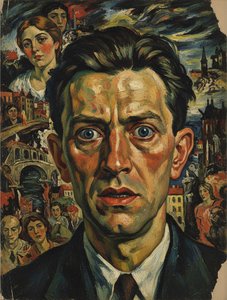
Oskar Kokoschka: A Turbulent Life Painted with Expressionist Intensity
Explore the intense expressionism of Oskar Kokoschka (1886-1980). Discover his psychologically charged portraits, landscapes & 'The Bride of the Wind'. A deep dive into a turbulent life and lasting artistic legacy.
The Raw Emotion of Expressionism: A Deep Dive into its History, Characteristics & Enduring Influence
Explore the raw emotion of Expressionism with OriginalUniqueArt. Discover its history, key artists like Kirchner & Munch, and lasting influence on modern art. Expert insights for collectors & enthusiasts.
Figurative Expressionism: Emotional Intensity & Subjective Reality in 20th-Century Art
Explore the powerful world of Figurative Expressionism with OriginalUniqueArt. Discover key artists like Kirchner & Beckmann, understand its emotional depth, and learn how to collect this influential 20th-century art movement.


