

 पूर्वावलोकन देखें
 साझा करें
 साझा करें
 विस्तृत विवरण

 डाउनलोड करें
 समान कलाकृतियाँ
 एक्स-रे
 स्लाइड शो देखें
Crucifixion
 Oil On Canvas
- WallArt
- Baroque
 1635
1635 422.0 x 292.0 cm
 लौवर संग्रहालय
 पूरा देखें
गिक्ली / आर्ट प्रिंट
तेज़ उत्पादन और विभिन्न फिनिश विकल्पों के साथ म्यूजियम-क्वालिटी गिकली (giclée) या कैनवस प्रिंट। ( हाथ से बनी पेंटिंग खरीदें छवि खरीदें)




P118B $10

P118H $10

P118W $10

P438Z $10

P508JH $12

P508YH $12

P805H $10

P805Z $10

P919BZ $10

P919G $10

P919XJ $10

P959ZH $10

P968JZ $12

W106C $8

W218G $10

W218JH $8

W218Y $10

W307PJ $10

W316G $10

W316PJ $8

W316Y $10

W398PJ $8

W4111J $10

W500HY $15

W500JH $15

W692G $12

W849H $8

W940BG $15

W953PJ $8




कलाकृति के मूल अनुपात से मेल खाने वाले हमारे पूर्व निर्धारित आकारों में से चुनें।

आप किसी विशिष्ट फ्रेम या स्थान के अनुसार अपने स्वयं के आयाम (dimensions) दर्ज कर सकते हैं। यदि आपके द्वारा चुना गया आकार मूल छवि के अनुपात से मेल नहीं खाता है, तो हम कलाकृति को क्रॉप कर देंगे या मिरर किए गए या सॉलिड-फिल किनारे के साथ छवि का विस्तार करेंगे। उत्पादन शुरू होने से पहले आपकी स्वीकृति के लिए एक डिजिटल मॉकअप भेजा जाएगा।
कृपया ध्यान दें कि स्क्रीन पर दिखने वाला प्रीव्यू वास्तविक क्रॉपिंग या विस्तार को नहीं दर्शाता है। केवल मॉकअप ही अंतिम संरचना को सटीक रूप से दिखाएगा।
हालाँकि कस्टम आकार उपलब्ध हैं, फिर भी हम मूल अनुपात बनाए रखने के लिए पूर्व-निर्धारित सूची में से एक आयाम चुनने की सलाह देते हैं।
विश्वव्यापी डिलीवरी (), मानक 4/5 सप्ताह के बजाय मात्र 2 सप्ताह में। (12 अगस्त)

दुनिया भर में मुफ़्त एक्सप्रेस शिपिंग

उच्च गुणवत्ता वाला लिनेन कैनवास

पूर्ण शिपिंग बीमा

सीमा शुल्क और आयात कर वापसी की गारंटी

सटीक रंग मिलान की गारंटी

60-दिन की वापसी नीति (केवल दोषों के लिए)

100% पैसे वापसी की गारंटी

थोक छूट का लाभ
 ग्लास का विकल्प केवल 110 सेमी से कम आकार में ही उपलब्ध है।

Crucifixion
गिक्ली / आर्ट प्रिंट
प्रतिकृति का आकार
-


कुल देय राशि
$ 80
संग्रहणीय वस्तु का विवरण
Nicolas Tournier’s “Crucifixion” – A Baroque Masterpiece of Suffering and Grace
The year is 1635. Nestled within the hallowed halls of the Louvre Museum in Paris resides a painting that transcends mere representation, plunging the viewer into the heart of human sorrow and spiritual contemplation: Nicolas Tournier’s “Crucifixion.” More than just a depiction of Christ's final hours, this work is a testament to Tournier’s mastery of Baroque style, his profound understanding of light and shadow, and his ability to imbue religious subject matter with an intensely emotional resonance. It’s a scene both brutal in its realism and profoundly moving in its portrayal of sacrifice and redemption.
Tournier, a French painter born in Montbéliard and deeply influenced by the Caravaggio he encountered during his time in Rome, presents us with a strikingly direct and unflinching image. The composition is immediately arresting – a vertical emphasis drawing our gaze directly to the central figure of Christ on the cross. He’s not idealized or romanticized; instead, Tournier renders him with a palpable sense of agony, his body contorted under the weight of the ordeal. The stark contrast between the dark, almost oppressive background and the illuminated foreground creates an immediate dramatic effect, forcing the viewer to confront the gravity of the event.
A Symphony of Light and Shadow – Technique and Style
Tournier’s technical skill is immediately evident in his masterful manipulation of light. He employs a technique known as “chiaroscuro,” dramatically contrasting areas of intense brightness with deep shadows, a hallmark of Caravaggio's style. This isn’t merely an aesthetic choice; it serves to heighten the emotional impact of the scene, emphasizing Christ’s suffering and drawing attention to key details – the wounds on his body, the texture of his clothing, and the rough-hewn wood of the cross itself. The brushstrokes are visible yet controlled, contributing to a sense of immediacy and realism.
The painting is executed in oil on canvas, utilizing layering and glazing techniques to build up depth and luminosity. Notice how Tournier subtly renders the folds of Christ’s garments, creating a tactile quality that invites us to almost feel the weight of his burden. The figures surrounding him – including the Virgin Mary, St. John, and other mourners – are depicted with varying degrees of detail, reflecting their importance within the narrative. The overall effect is one of intense realism blended seamlessly with a heightened sense of drama and spiritual significance.
Symbolism and Historical Context
“Crucifixion” is rich in symbolic meaning. The cross itself represents sacrifice, redemption, and the promise of salvation – central tenets of Christian theology. The figures gathered around the scene—the Virgin Mary, grieving with profound sorrow; St. John, offering comfort; and other mourners—represent the human response to Christ’s death: grief, compassion, and faith. The inclusion of these figures underscores the universal nature of suffering and the hope offered through Christian belief.
Painted in 1635 during a period of intense religious fervor within Europe, “Crucifixion” reflects the Counter-Reformation’s emphasis on emotional engagement with religious art. The Catholic Church actively sought to inspire piety and devotion through works that powerfully conveyed the drama and significance of biblical narratives. Tournier's painting perfectly embodies this goal, inviting viewers to contemplate the profound implications of Christ’s sacrifice and to connect with the spiritual message at its core.
A Timeless Masterpiece – Emotional Resonance
Despite being over three centuries old, “Crucifixion” continues to resonate deeply with audiences today. It's not a comfortable painting; it confronts us with the harsh realities of suffering and death. Yet, within that darkness lies an undeniable sense of hope and grace. Tournier’s masterful use of light, shadow, and composition creates a powerfully moving experience, prompting reflection on themes of faith, sacrifice, and redemption. It remains a poignant reminder of humanity's capacity for both cruelty and compassion, and the enduring power of spiritual belief.
कलाकार का जीवन परिचय
ग्यूसेप आर्किम्बल्डो: विस्मयकारी चित्रों के एक महान कलाकार
लगभग 1527 में मिलान में जन्मे और 1593 में दुखद रूप से मृत्यु को प्राप्त हुए, ग्यूसेप आर्किम्बल्डो पुनर्जागरण काल की कला के सबसे अद्वितीय और आविष्कारक व्यक्तित्वों में से एक बने हुए हैं। वे केवल एक चित्रकार नहीं थे, बल्कि एक कुशल भ्रम विशेषज्ञ (illusionist) थे, जो छवियों के ऐसे मूर्तिकार थे जिन्हें दैनिक जीवन की वस्तुओं—जैसे फल, सब्जियां, फूल, किताबें, यहाँ तक कि पंख और मोमबत्तियों—से पूरी तरह तैयार किया गया था। उनका कार्य मात्र चित्रण से कहीं ऊपर है; यह एक ऐसा गहन अनुभव है, जो दर्शक को प्रतीकों और चंचल बुद्धिमत्ता से भरी एक सूक्ष्मता से निर्मित दुनिया का हिस्सा बनने के लिए आमंत्रित करता है। आर्किमिलील्डो की विरासत केवल सुंदर चित्रों तक सीमित नहीं है; यह चित्रकला की पारंपरिक धारणाओं को चुनौती देने और कलात्मक अभिव्यक्ति की असीम संभावनाओं को प्रदर्शित करने के बारे में है।
आर्किम्बल्डो के शुरुआती करियर का विकास मिलानी कला के स्थापित ढांचे के भीतर हुआ, जहाँ उन्होंने चर्चों में रंगीन कांच की खिड़कियों और विस्तृत भित्ति चित्रों (frescoes) के डिजाइनर के रूप में अपने कौशल को निखारा। इस बुनियादी प्रशिक्षण ने उनमें संरचना, रंग सिद्धांत और सजावटी तकनीकों की गहरी समझ विकसित की—ऐसे तत्व जिन्होंने बाद में चित्रकला के प्रति उनके क्रांतिकारी दृष्टिकोण को आकार दिया। हालाँकि, वियना और प्राग में हैब्सबर्ग सम्राट फर्डिनेंड प्रथम, मैक्सिमिलियन द्वितीय और रुडोल्फ द्वितीय के दरबारी चित्रकार के रूप में उनकी नियुक्ति ने उन्हें वास्तव में कलात्मक ख्याति दिलाई। इन शाही आयोगों ने उन्हें विलासिता, विदेशी सामग्रियों और बौद्धिक उत्तेजना की दुनिया तक पहुँच प्रदान की, जिसने उनकी आविष्कारक भावना को प्रज्वलित किया और उन्हें तेजी से विस्तृत और जटिल रचनाओं के साथ प्रयोग करने की अनुमति दी।
आर्किम्बल्डो के संपूर्ण कार्य का केंद्र उन चित्रों के इर्द-गिर्द घूमता है जिन्हें आज "विंटर स्टिल लाइफ" (शीतकालीन स्थिर जीवन) के रूप में पहचाना जाता है—ये ऐसे चित्र हैं जो मौसमी तत्वों से निर्मित होते हैं। ये केवल वस्तुओं का समूह मात्र नहीं हैं; ये सावधानीपूर्वक बुनी गई कहानियाँ हैं, जहाँ प्रत्येक तत्व प्रतीकात्मक अर्थ से ओतप्रोत है। उदाहरण के लिए, एक शीतकालीन चित्र में अमरता का प्रतिनिधित्व करने वाले होली बेरीज (holly berries) की एक धारा हो सकती है, जबकि पुस्तकों का संग्रह ज्ञान और बुद्धिमत्ता का प्रतीक हो सकता है। ये आकृतियाँ स्वयं, जो अक्सर अस्पष्ट रूप से मानवीय या ऐतिहासिक व्यक्तित्वों की याद दिलाती हैं, आसपास की वनस्पतियों और जीवों में इतनी सहजता से समाहित होती हैं कि कृत्रिमता और वास्तविकता के बीच की सीमाएं धुंधली हो जाती हैं। उनका कार्य 'मैनरिज्म' (Mannerism) के प्रभाव को दर्शाता है, विशेष रूप से शैलीबद्ध रूपों, नाटकीय प्रकाश व्यवस्था और बढ़ी हुई भावनात्मक तीव्रता पर इसका जोर। हालाँकि, आर्किम्बलाल्डो की प्रतिभा इन प्रभावों को एक विशिष्ट व्यक्तिगत दृष्टि के साथ संश्लेषित करने की उनकी क्षमता में निहित है, जिससे ऐसी छवियां निर्मित होती हैं जो बौद्धिक रूप से उत्तेजक और दृश्य रूप से मंत्रमुग्ध कर देने वाली होती हैं।
शीतकालीन स्थिर जीवन के अलावा, आर्किम्बल्डो ने धार्मिक दृश्यों, चित्रों और सजावटी पैनलों सहित कार्यों की एक विविध श्रृंखला का निर्माण किया। संतों और बाइबिल के पात्रों का उनका चित्रण पारंपरिक तकनीकों में महारत प्रदर्शित करता है, जबकि उनके विस्तृत परिधान और परिवेश विवरणों के प्रति उनकी पैनी दृष्टि और नाटकीयता के प्रति उनके झुकाव को प्रकट करते हैं। उल्लेखनीय रूप से, उन्होंने दरबारी सजावट करने वाले और वेशभूषा डिजाइनर के रूप में भी कार्य किया, जो उनकी बहुमुखी प्रतिभा को दर्शाता है और यह बताता है कि कैसे दृश्य तत्व शाही समारोहों के समग्र वातावरण में योगदान दे सकते हैं। हैब्सबर्ग चिड़ियाघर में विदेशी जानवरों के साथ उनका कार्य उनके कलात्मक कौशल और प्रकृति के सार को पकड़ने की उनकी क्षमता को और अधिक उजागर करता है।
आर्किम्बल्डो का प्रभाव उनके अपने जीवनकाल से कहीं आगे तक फैला हुआ है, जिसने कला के इतिहास की दिशा को आकार दिया और कलाकारों की पीढ़ियों को प्रेरित किया। चित्रकला के प्रति उनके अभिनव दृष्टिकोण ने साल्वाडोर डाली और रेने मैग्रिट जैसे अतियथार्थवादी (Surrealist) कलाकारों के लिए मार्ग प्रशस्त किया, जिन्होंने पारंपरिक धारणाओं को चुनौती देने के लिए इसी तरह अप्रत्याशित मेल और प्रतीकात्मक छवियों का उपयोग किया। उनका कार्य आज भी दर्शकों को मंत्रमुग्ध और जिज्ञासु बनाए रखता है, जो हमें साधारण को असाधारण में बदलने की कला की शक्ति की याद दिलाता है और हमें दुनिया को नए और कल्पनाशील तरीकों से देखने के लिए आमंत्रित करता है। ग्यूसेप आर्किम्बल्डो का स्थायी आकर्षण केवल उनके तकनीकी कौशल में नहीं, बल्कि मानव मनोविज्ञान की उनकी गहरी समझ और ऐसी छवियां बनाने की उनकी क्षमता में निहित है जो हमारी विस्मय और जिज्ञासा की भावना के साथ गहराई से प्रतिध्वनित होती हैं।

निकोलस टर्नियर
1590 - 1639 , फ्रांस
मुख्य तथ्य
- Artistic Movement Or Style: मैनरिज्म, चित्रकला
- Artists Or Movements Influenced By This Artist:
- कारवागियो
- मैनरिज्म
- Artists Who Influenced This Artist:
- एंड्रिया मैंटग्ना
- लियोनार्डो दा विंची
- Date Of Birth: 5 अप्रैल 1527
- Date Of Death: 11 जुलाई 1593
- Full Name: ग्यूसेप आर्किम्बल्डो
- Nationality: इतालवी
- Notable Artworks:
- द फोर सीजन्स
- अकबर की विजयी प्रविष्टि
- बकस
- होलोफ़र्नेस के साथ जुडिथ
- Place Of Birth: मिलान, इटली
संबंधित लेख
Nicolas Poussin: Classicism, Allegory & Order in 17th-Century French Painting
Explore the life & work of Nicolas Poussin, a master of French Classicism. Discover his allegorical paintings, Roman influences, and enduring impact on art history. Expert analysis & insights.
Baroque Realism: Illusion, Emotion & the Dramatic Transformation of 17th-Century Art
Explore the dramatic world of Baroque Realism! Discover iconic artists like Caravaggio & Rubens, their techniques, and the movement's lasting impact on art history. Expert insights for collectors & enthusiasts.
म्यूनिख के अल्टे पिनाकोथेक की 25 उत्कृष्ट कलाकृतियाँ: इतिहास, कलाकार और सौंदर्य
म्यूनिख के अल्टे पिनाकोथेक की 25 उत्कृष्ट कलाकृतियों का अन्वेषण करें! पुनर्जागरण से बारोक तक, प्रसिद्ध कलाकारों (राफेल, रेम्ब्रांद्ट) और उनके अविस्मरणीय चित्रों की कहानी जानें। घर के लिए उच्च गुणवत्ता वाली कला प्रिंट और दीवार सजावट खोजें। OriginalUniqueArt.com पर संपूर्ण संग्रह देखें।
Proto-Renaissance Masters: 10 Artworks That Changed History | OriginalUniqueArt
Journey back to the dawn of Renaissance art! Explore 10 iconic Proto-Renaissance masterpieces by Giotto, Cimabue & Duccio. Discover their stories, techniques & lasting impact. Find museum-quality reproductions for your home at OriginalUniqueArt.com
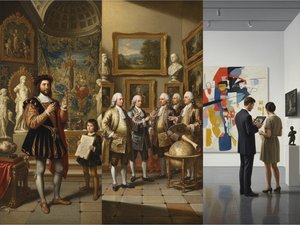
The Patron's Gaze: Art Collectors in Western Painting – A Renaissance to Modern History
Explore the fascinating history of art collectors in Western painting, from Renaissance patrons to modern museum founders. Discover how portraits revealed status, shaped artistic movements & built lasting legacies. Expert insights at OriginalUniqueArt.

