
 पूर्वावलोकन देखें
 साझा करें
 साझा करें
 विस्तृत विवरण
 मार्गदर्शिका

 डाउनलोड करें
 समान वस्तुएं
 एक्स-रे
 स्लाइड शो देखें
 Q&A
Q&A आंकड़े
Way to Shambala


 पूरा देखें
गिक्ली / आर्ट प्रिंट
तेज़ उत्पादन और विभिन्न फिनिश विकल्पों के साथ म्यूजियम-क्वालिटी गिकली (giclée) या कैनवस प्रिंट। ( इस संग्रहणीय वस्तु की हाथ से बनी प्रतिकृति मंगवाएं डिजिटल इमेज पर स्विच करें)




P118B ₹10

P118H ₹10

P118W ₹10

P438Z ₹10

P508JH ₹12

P508YH ₹12

P805H ₹10

P805Z ₹10

P919BZ ₹10

P919G ₹10

P919XJ ₹10

P959ZH ₹10

P968JZ ₹12

W106C ₹8

W218G ₹10

W218JH ₹8

W218Y ₹10

W307PJ ₹10

W316G ₹10

W316PJ ₹8

W316Y ₹10

W398PJ ₹8

W4111J ₹10

W500HY ₹15

W500JH ₹15

W692G ₹12

W849H ₹8

W940BG ₹15

W953PJ ₹8




कलाकृति के मूल अनुपात से मेल खाने वाले हमारे पूर्व निर्धारित आकारों में से चुनें।

अपने फ्रेम या अपनी दीवार के अनुसार आवश्यक चौड़ाई और ऊंचाई दर्ज करें। प्रिंट को केवल काटा जा सकता है, चित्र से बड़ा कभी नहीं बनाया जा सकता, इसलिए अलग आकार का साइज चित्र का एक हिस्सा खो देता है। किसी भी चीज़ को प्रिंट करने से पहले हम आपकी स्वीकृति के लिए आपको एक डिजिटल मॉकअप भेजते हैं। इस पृष्ठ पर दिखाया गया चित्र वास्तविक कटिंग नहीं दिखाता है — केवल मॉकअप ही इसे दर्शाता है।
विश्वव्यापी डिलीवरी (), मानक 4/5 सप्ताह के बजाय मात्र 2 सप्ताह में। (2 नवमबर)

दुनिया भर में मुफ़्त एक्सप्रेस शिपिंग

उच्च गुणवत्ता वाला लिनेन कैनवास

पूर्ण शिपिंग बीमा

सीमा शुल्क और आयात कर वापसी की गारंटी

सटीक रंग मिलान की गारंटी

100 दिनों की वापसी नीति (केवल दोष होने पर)

100% पैसे वापसी की गारंटी

थोक छूट का अवसर
 ग्लास का विकल्प केवल 110 सेमी से कम आकार में ही उपलब्ध है।

Way to Shambala
गिक्ली / आर्ट प्रिंट
प्रतिकृति का आकार
-


कुल देय राशि
₹ 7715
Way to Shambala – A Journey Through Symbolism
Nicholas Roerich’s “Way to Shambhala” stands as a monumental testament to the artist's profound engagement with Eastern mysticism and his unwavering belief in the interconnectedness of humanity and nature. Painted in 1933, during a period marked by fervent exploration of shamanic traditions and spiritual quests, this tempera on canvas masterpiece embodies Roerich’s distinctive Symbolism style—a movement characterized by its deliberate use of color, form, and imagery to convey abstract ideas and emotions rather than literal representations. The painting transports the viewer into a breathtaking Himalayan landscape dominated by towering peaks bathed in an ethereal purple sky, instantly establishing a mood of serenity and grandeur.- Composition: Roerich meticulously crafted a panoramic vista emphasizing horizontal lines, mirroring the expansive horizons of the Himalayas and symbolizing continuity and transcendence. Two prominent mountains dominate the scene on either side, representing stability and resilience amidst the turbulent forces of change—a recurring motif in Roerich’s oeuvre.
- Color Palette: The dominant hue is a deep violet – purple – which Roerich himself termed “Shambhala Violet,” reflecting his conviction that it embodies the essence of Shambhala, the mythical paradise at the center of Tibetan Buddhism and shamanic cosmology. Accompanying shades of ochre and crimson punctuate the canvas, symbolizing vitality and spiritual illumination.
- Technique: Roerich employed a layered technique—applying thin washes of pigment followed by thicker impasto strokes—to achieve remarkable textural depth and luminosity. This meticulous approach allowed him to capture not only the visual splendor of the mountains but also their vibrational energy, aligning with Roerich’s belief in the power of art to influence consciousness.
Historical Context & Roerich's Visionary Beliefs
Roerich’s artistic endeavors were inextricably linked to his spiritual explorations and his fervent advocacy for Agni Yoga—a mystical system he developed based on Hindu and Buddhist principles. Inspired by Tibetan shamanic rituals and the legends surrounding Shambhala, Roerich envisioned this landscape as a gateway to enlightenment—a symbolic representation of humanity's journey toward inner peace and cosmic harmony. The painting reflects Roerich’s conviction that art could serve as a catalyst for spiritual transformation, mirroring his broader philosophical stance on the importance of uniting science and mysticism.- Influence of Tibetan Buddhism: Roerich drew inspiration from Tibetan Buddhist cosmology, particularly the concept of Shambhala—a hidden paradise believed to exist beyond conventional perception—and its symbolic representation as a mountain range shrouded in mist.
- Symbolism Beyond Landscape: The mountains themselves are imbued with profound symbolism, representing stability, aspiration, and the ascent toward spiritual realization. Roerich’s meticulous attention to detail—the subtle gradations of color, the textured surface—aimed to evoke an emotional response that transcends mere visual representation.
- Roerichism: The painting exemplifies Roerich's overarching artistic philosophy known as Roerichism—a synthesis of Eastern mysticism and Western science—which sought to unlock the hidden potential of human consciousness through art and ritual.
Emotional Impact & Artistic Legacy
“Way to Shambhala” transcends its formal qualities, captivating viewers with its palpable sense of awe and wonder. Roerich’s masterful depiction of Himalayan grandeur evokes feelings of tranquility, contemplation, and reverence—a testament to the artist's ability to translate spiritual experience into visual form. The painting continues to resonate with audiences today as a symbol of hope for humanity’s future—a reminder that beauty, harmony, and enlightenment can be found in embracing both inner reflection and engagement with the natural world. Its enduring appeal underscores Roerich’s legacy as one of the most influential artists of the 20th century, whose work remains profoundly relevant to contemporary concerns about environmental stewardship and spiritual renewal.Reproductions & Further Exploration
High-quality reproductions of “Way to Shambhala” are available from reputable art dealers and online platforms like WikiArt.com, allowing enthusiasts worldwide to experience the painting’s breathtaking beauty and symbolic depth. For a deeper understanding of Roerich's artistic vision and his contribution to Symbolism, consider visiting the Nicholas Roerich Museum in New York City or delving into scholarly publications exploring his life and work.प्रश्न और उत्तर
निकोलस रोएरिख द्वारा "Way to Shambala" किसी इंटीरियर में क्या नयापन लाता है?
निकोलस रोएरिख द्वारा "Way to Shambala" में एक Mystical वातावरण है और इसे Living Room के लिए अनुशंसित किया जाता है। 'मूड' से तात्पर्य उस भाव से है जो यह कलाकृति अपने आस-पास के स्थान में भर देती है।
"Way to Shambala" के पीछे के कलाकार कौन हैं?
"Way to Shambala" की रचना निकोलस रोएरिख द्वारा की गई थी। इस पृष्ठ पर दी गई जानकारी निकोलस रोएरिख की मूल कृति का वर्णन करती है।
निकोलस रोएरिख द्वारा "Way to Shambala" के दर्शक कहाँ से आते हैं?
निकोलस रोएरिख द्वारा "Way to Shambala" से संबंधित आँकड़े कलाकृति के आंकड़े पृष्ठ पर उपलब्ध हैं: इसमें कलाकृति की मासिक यात्राएँ, कलाकार की अन्य कृतियों की यात्राएँ, और हाल के आगंतुकों का देश एवं भाषा के आधार पर विवरण शामिल है।
कलाकार की जीवनी
निकोलस रोएरिख: कला, अध्यात्म और सांस्कृतिक विरासत का एक अद्भुत संगम
निकोलस रोएरिख (1874-1947) रूसी कला जगत के उन महान व्यक्तित्वों में से एक थे जिन्होंने अपनी प्रतिभा से न केवल रूस बल्कि पूरी दुनिया को प्रभावित किया। वे एक चित्रकार तो थे ही, साथ ही एक लेखक, पुरातत्ववेत्ता, दार्शनिक और सांस्कृतिक विरासत के संरक्षण के लिए समर्पित कार्यकर्ता भी थे। सेंट पीटर्सबर्ग में जन्मे रोएरिख का बचपन समृद्ध माहौल में बीता जहाँ उन्हें साहित्य, कला और विज्ञान से परिचय मिला। उनके पिता एक वकील थे और माँ ने उन्हें कला की ओर प्रेरित किया। उन्होंने कानून और कला दोनों का अध्ययन किया, जो उनकी बहुमुखी प्रतिभा का प्रमाण है। यह द्वৈত पथ विरोधाभासी नहीं था; बल्कि, इसने इस विश्वास को दर्शाया कि कलात्मक दृष्टि को ऐतिहासिक संदर्भ और बौद्धिक अनुशासन में स्थापित करने की आवश्यकता है।प्रतीकवाद और रंगमंचीय नवाचारों से परिचय
रोएरिख की कलात्मक विकास रूसी प्रतीकवाद के प्रभाव में हुई, जो एक ऐसा आंदोलन था जिसका उद्देश्य भावनाओं और आध्यात्मिक गहराईयों को जगाने के लिए प्रतीकात्मक छवियों और सुझावों का उपयोग करना था। वे जल्द ही सर्गेई दियागिलेव के प्रभावशाली "वर्ल्ड ऑफ आर्ट" समाज से जुड़ गए, जिसने उन्हें नवीन कलाकारों, संगीतकारों और विचारकों के एक नेटवर्क से परिचित कराया जो रूसी कला के परिदृश्य को फिर से परिभाषित कर रहे थे। उनकी प्रारंभिक कृतियों में पुरातत्व और रंगमंच डिजाइन के प्रति आकर्षण दिखाई देता है, जिसके परिणामस्वरूप दियागिलेव के बैले रusesस के साथ अभूतपूर्व सहयोग हुआ। अलेक्जेंडर बोरोडिन के *प्रिंस इगोर* (1909) और सबसे प्रसिद्ध रूप से इगोर स्ट्राविंस्की के क्रांतिकारी *द राइट ऑफ स्प्रिंग* (1913) के लिए उनके डिजाइन केवल पृष्ठभूमि नहीं थे; वे नाटकीय अनुभव के अभिन्न अंग थे। उन्होंने सावधानीपूर्वक ऐतिहासिक अनुसंधान को एक साहसी कल्पनाशील दृष्टि के साथ जोड़ा, जिससे आश्चर्यजनक दृश्य वातावरण बनाए गए जो संगीत और नृत्य की भावनात्मक शक्ति को बढ़ाते हैं। ये डिज़ाइन केवल सजावटी नहीं थे; वे आदिम ताकतों और प्राचीन अनुष्ठानों को जगाने के प्रयास थे, प्रतीकवाद के मिथक और आध्यात्मिकता में रुचि को दर्शाते हुए। उनकी रचनाओं में अपोक्रिफ़ा और मध्ययुगीन संप्रदायवादी लेखन जैसे कि डव बुक की परतें भी थीं, जो उनके कलात्मक कृतियों में गूढ़ अर्थ जोड़ती हैं।रहस्यवाद और हिमालयी दर्शनों की ओर यात्रा
जैसे-जैसे रोएरिख के करियर का विकास हुआ, उनकी पेंटिंग में रहस्यमय और आध्यात्मिक विषयों को अपनाने में महत्वपूर्ण बदलाव आया। यह परिवर्तन थियोसोफी और पूर्वी धर्मों में उनकी बढ़ती रुचि से प्रेरित था, जो दर्शनशास्त्र सभी चीजों की परस्पर संबद्धता और आंतरिक ज्ञान की खोज पर जोर देते हैं। उनके *आर्किटेक्चरल स्टडीज* श्रृंखला (1904-1905) ने न केवल उनकी वास्तुशिल्प कौशल का प्रदर्शन किया बल्कि सांस्कृतिक विरासत के संरक्षण के प्रति उनकी गहरी प्रतिबद्धता को भी दर्शाया, जो बाद में संघर्ष के समय कला की रक्षा करने की उनकी वकालत का पूर्वाभास था। उनकी कृतियों में आवर्ती रूपांकनों ने आकार लिया: भव्य परिदृश्य, रहस्य से ढके प्राचीन शहर और आध्यात्मिक महत्व वाले आंकड़े जैसे संत पैंटेलेमोन और कुआन यिन। शायद सबसे उल्लेखनीय बात यह है कि हिमालय उनके चित्रों में एक केंद्रीय विषय बन गया, जो न केवल एक भौगोलिक स्थान का प्रतिनिधित्व करता था बल्कि गहन आध्यात्मिक शक्ति और ज्ञान के क्षेत्र का भी प्रतीक था। उन्होंने मध्य एशिया में व्यापक यात्राएँ कीं, पुरातत्व अनुसंधान किया और प्राचीन संस्कृतियों को प्रलेखित किया, अनुभवों ने उनकी कलात्मक दृष्टि को गहराई से सूचित किया और सांस्कृतिक समझ के महत्व पर उनके विश्वास को मजबूत किया।संरक्षण की विरासत और स्थायी प्रभाव
निकोलस रोएरिख की प्रतिबद्धता कैनवास से परे फैली हुई थी; वे युद्ध के समय में कला और वास्तुकला की रक्षा के लिए समर्पित अधिवक्ता थे। सांस्कृतिक खजानों की भेद्यता को पहचानते हुए, उन्होंने 1935 में रोएरिख पैक्ट का निर्माण किया - एक अंतर्राष्ट्रीय संधि जिसका उद्देश्य विनाश से सांस्कृतिक वस्तुओं की सुरक्षा करना था। इस पहल ने उन्हें कई बार नोबेल शांति पुरस्कार के लिए नामांकित किया, जिससे उनकी गहरी मानवतावादी भावना पर प्रकाश डाला गया। उनके अथक प्रयासों ने प्रदर्शित किया कि अतीत को समझने और अधिक शांतिपूर्ण भविष्य बनाने दोनों के लिए सांस्कृतिक विरासत का संरक्षण आवश्यक है। आज, रोएरिख के कार्यों को दुनिया भर के प्रमुख संग्रहालयों में मनाया जाता है, जिसमें एस्त्राखान स्टेट पिक्चर गैलरी और विशेष रूप से न्यूयॉर्क शहर में निकोलस रोएरिख संग्रहालय शामिल हैं। रूसी कला और संस्कृति पर उनका प्रभाव अमूल्य बना हुआ है। वे एक कलाकार के रूप में ही नहीं बल्कि एक विद्वान, एक मानवतावादी और सांस्कृतिक संरक्षण के लिए आशा की किरण के रूप में भी याद किए जाते हैं।प्रमुख कार्य एवं निरंतर प्रासंगिकता
- सेंट निकोलस: मध्ययुगीन कला और हेराल्डिक प्रतीकवाद को दर्शाने वाली विस्तृत मोनोक्रोम भित्तिचित्र।
- शहर: प्राचीन शहरी परिदृश्यों के मार्मिक चित्रण, उनकी पुरातत्व संबंधी रुचियों को दर्शाता है।
- नागास की झील: एक टेम्परा पेंटिंग जो प्रतीकवाद और प्रकृति को मिलाती है, उनकी अनूठी कलात्मक दृष्टि का उदाहरण है।

निकोलस रोएरिख
1874 - 1947 , रूस
प्रमुख तथ्य
- Artistic Movement Or Style: प्रतीकात्मकता, आध्यात्मिक कला
- Artists Or Movements Influenced By This Artist: ['रूसी प्रतीकवाद']
- Artists Who Influenced This Artist: ['सर्गेई दियाघिलेजव']
- Date Of Birth: 9 अक्टूबर 1874
- Date Of Death: 13 दिसंबर 1947
- Full Name: निकोलस रोएरिख
- Nationality: रूसी
- Notable Artworks:
- सेंट निकोलस
- शहर
- नागास की झील
- Place Of Birth: सेंट पीटर्सबर्ग, रूस
संबंधित लेख

रोमांटिक कला: 10 उत्कृष्ट लैंडस्केप कृतियाँ जो परिभाषित करती हैं | OriginalUniqueArt
रोमांटिक लैंडस्केप पेंटिंग की 10 उत्कृष्ट कृतियाँ! जानें कैस्पर डेविड फ्रेडरिक, टर्नर जैसे कलाकारों के बारे में और कला के इतिहास को समझें। OriginalUniqueArt.com पर उच्च गुणवत्ता वाले आर्ट रिप्रोडक्शन और सजावट के विचार खोजें।
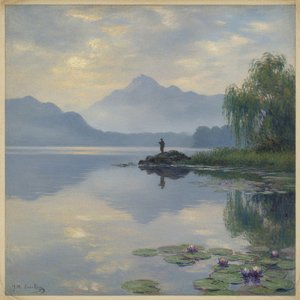
Capturing Stillness: A Curated Exploration of the Most Iconic Lake Landscapes in Art History
Journey through art history's most serene lake landscapes. From Romantic vistas to light-drenched Impressionist waters, discover the stories behind these iconic masterpieces and find museum-quality, hand-painted oil reproductions for your private collection.

Nicholas Roerich: Mysticism, Mountains & the Search for Ageless Wisdom in Art
Explore the captivating art of Nicholas Roerich – a visionary painter whose Himalayan landscapes blend spiritual mysticism with cultural preservation. Discover his legacy & symbolism.

Evocations of Place: A Historical Journey Through Landscape Art
Explore the rich history of landscape art with OriginalUniqueArt. Discover renowned artists, movements like Impressionism & Romanticism, and expert guidance for collecting timeless pieces. Find your perfect serene escape today!

जॉन कॉन्स्टेबल की शीर्ष 25 कलाकृतियाँ: प्रकृति का सौंदर्य और भावनात्मक गहराई | OriginalUniqueArt
जॉन कॉन्स्टेबल की शीर्ष 25 कलाकृतियों का अन्वेषण करें! ग्रामीण इंग्लैंड के रोमांटिक परिदृश्य, हे वेन और स्टूर नदी के सुंदर चित्रण। उच्च गुणवत्ता वाले कला प्रिंट और दीवार सजावट के लिए OriginalUniqueArt.com पर संग्रह देखें।


