

 पूर्वावलोकन देखें
 भेजें
भेजें साझा करें
 विवरण देखें
 मार्गदर्शिका

 डाउनलोड करें
 समान वस्तुएं
 एक्स-रे
 स्लाइड शो देखें
 आंकड़े
Wizard Woman
 Acrylic On Canvas
- WallArt
- Surrealism
 1941
1941- Modern
 245.0 x 190.0 cm
 और पढ़ें
इस पृष्ठ पर प्रदर्शित कलाकृति कॉपीराइट कानून द्वारा संरक्षित है, जिसका अर्थ है कि हम कानूनी रूप से इसकी हूबहू प्रतिलिपि बनाने या बेचने का अधिकार नहीं रखते हैं। यह संरक्षण अंतर्राष्ट्रीय समझौतों के तहत लागू किया जाता है, जैसे कि बर्न कन्वेंशन और राष्ट्रीय कानूनों द्वारा, जिनमें % द्वारा निर्धारित कानून भी शामिल हैं। अमेरिकी कॉपीराइट कानून - शीर्षक 17।
एक सम्मानजनक और कानूनी विकल्प के रूप में, हम मूल कृति से प्रेरित, कस्टम, हाथ से पेंट की गई कलाकृतियाँ प्रदान करते हैं। हमारे कुशल और पेशेवर कलाकार एक नई, अद्वितीय कृति बनाने के लिए मूल के शैली, भाव और कलात्मक सार का सावधानीपूर्वक अध्ययन करते हैं - जो अपनी मौलिक रचना बने रहते हुए भी वही भावना जगाती है।
यह विधि कॉपीराइट नियमों का पूरी तरह से पालन करती है क्योंकि इसमें संरक्षित कलाकृति की नकल या प्रतिलिपि बनाना शामिल नहीं है। इसके बजाय, यह एक रचनात्मक पुनर्व्याख्या है - एक ऐसी नई पेंटिंग जो मूल कृति से प्रेरित तो है, लेकिन उसके समान नहीं है।
हस्तनिर्मित ऑयल रिप्रोडक्शन
आपके आकार और फ्रेम के अनुसार कैनवास पर हाथ से बनी ऑयल पेंटिंग, हमारे कलाकारों द्वारा विशेष रूप से ऑर्डर पर तैयार। ( प्रिंट विकल्प पर जाएँ डिजिटल इमेज पर जाएँ)




P118B ₹10

P118H ₹10

P118W ₹10

P438Z ₹10

P508JH ₹12

P508YH ₹12

P805H ₹10

P805Z ₹10

P919BZ ₹10

P919G ₹10

P919XJ ₹10

P959ZH ₹10

P968JZ ₹12

W106C ₹8

W218G ₹10

W218JH ₹8

W218Y ₹10

W307PJ ₹10

W316G ₹10

W316PJ ₹8

W316Y ₹10

W398PJ ₹8

W4111J ₹10

W500HY ₹15

W500JH ₹15

W692G ₹12

W849H ₹8

W940BG ₹15

W953PJ ₹8




कलाकृति के मूल अनुपात से मेल खाने वाले हमारे पूर्व निर्धारित आकारों में से चुनें।

अपने फ्रेम या अपनी दीवार के अनुसार आवश्यक चौड़ाई और ऊंचाई दर्ज करें। यह हाथ से पेंट किया गया है, इसलिए अलग आकार के लिए कलाकार चित्र के चारों ओर थोड़ा अधिक पेंट कर सकता है, या थोड़ा काट सकता है — चुनाव आपका है। पेंटिंग शुरू होने से पहले हम आपकी स्वीकृति के लिए एक डिजिटल मॉकअप भेजते हैं। इस पृष्ठ पर दिखाई गई तस्वीर वास्तविक परिणाम नहीं दिखाती है — केवल मॉकअप ही वास्तविक रूप दिखाता है।
ऑर्डर देने के बाद, OriginalUniqueArt.com टीम निर्देशों के लिए क्लाइंट को ईमेल करेगी और एक मॉकअप प्रीव्यू प्रदान करेगी
विश्वव्यापी वितरण () मानक 5 सप्ताह के बजाय मात्र 3/4 सप्ताह में। (25 अक्टूबर)। गुणवत्ता से कोई समझौता नहीं।

दुनिया भर में मुफ़्त एक्सप्रेस शिपिंग

प्रीमियम ग्रेड लिनेन कैनवास

पूर्ण शिपिंग बीमा

सीमा शुल्क और आयात कर वापसी की गारंटी

सटीक रंग मिलान की गारंटी

100 दिनों की वापसी नीति (केवल निर्माण दोष होने पर)

100% पैसे वापसी की गारंटी

थोक छूट का अवसर
 ग्लास का विकल्प केवल 110 सेमी से कम आकार में ही उपलब्ध है।

Wizard Woman
प्रतिकृति की सामग्री
प्रतिकृति का आकार
-


कुल मूल्य
₹ 28764
Wizard Woman by Max Ernst: A Surreal Encounter
Max Ernst’s “Wizard Woman,” painted in 1941, is more than just a depiction of two women; it's an immersion into the unsettling and profoundly evocative world of surrealism. Measuring 245 x 190 cm, this oil on canvas work captures a moment suspended between reality and dream, reflecting Ernst’s lifelong fascination with psychology, mythology, and the subconscious. The painting’s immediate impact stems from its enigmatic subject matter – two figures poised in contemplation before a monumental red sculpture, their gazes directed towards an unseen point beyond the frame. This deliberate ambiguity invites the viewer to become an active participant in constructing meaning, a hallmark of Ernst's artistic approach.
Surrealist Techniques and Composition
Ernst’s technique is characterized by meticulous layering and a controlled use of color. The application of paint is deliberately textured, creating a palpable sense of depth and suggesting the fragmented nature of memory and perception. Notice the subtle gradations in the red sculpture – it isn't simply a solid mass but rendered with variations in tone that lend it an almost organic quality. The composition itself is carefully constructed to disorient and intrigue. The placement of the women, their averted gazes, and the imposing scale of the sculpture all contribute to a feeling of unease and mystery. The inclusion of the tree in the background adds another layer of complexity, hinting at ancient wisdom or perhaps a symbolic representation of life’s journey.
Historical Context: The Rise of Surrealism
"Wizard Woman" was created during a pivotal moment in art history – the rise of surrealism. Following the devastation of World War I and the widespread disillusionment with rational thought, artists sought to explore the irrational, the dreamlike, and the subconscious as avenues for expressing profound anxieties and challenging conventional norms. Max Ernst was at the forefront of this movement, experimenting with techniques like frottage (rubbing textures onto paper) and collage to tap into these hidden realms. The painting’s themes – isolation, mystery, and the search for meaning – resonate deeply within the context of post-war Europe.
Symbolism and Interpretation
The symbolism within “Wizard Woman” remains open to interpretation, a deliberate strategy employed by Ernst. The red sculpture could represent power, danger, or perhaps even a distorted reflection of societal values. The women themselves are deliberately ambiguous; their identities remain obscured, allowing viewers to project their own emotions and experiences onto the scene. Some scholars suggest that the painting reflects Ernst’s interest in alchemy and mythology, while others see it as a meditation on the human condition – our inherent desire for knowledge, our vulnerability to illusion, and our struggle to find meaning in a chaotic world. The title itself, “Wizard Woman,” adds another layer of intrigue, evoking images of ancient wisdom, magic, and feminine power.
Perfect for Interior Design & Art Collection
This hand-painted reproduction of Max Ernst’s "Wizard Woman" offers a captivating addition to any art collection or interior design scheme. Its evocative imagery and masterful technique will undoubtedly spark conversation and create a focal point within your space. The 245 x 190 cm size makes it suitable for both large walls and more intimate settings. OriginalUniqueArt’s meticulous reproduction ensures that you experience the full impact of this seminal work of surrealist art.
प्रश्न और उत्तर
"Wizard Woman" के रचनाकार कौन हैं, और यह किस आंदोलन से संबंधित है?
"Wizard Woman" की रचना मैक्स अर्न्स्ट द्वारा Surrealism शैली में की गई थी। कलाकार और कला आंदोलन इस कृति की परंपरा की पहचान कराते हैं।
मूल "Wizard Woman" का आकार क्या है?
मैक्स अर्न्स्ट द्वारा "Wizard Woman" का दर्ज किया गया आकार 245 x 190 cm है। समान अनुपात बनाए रखते हुए अन्य आकारों में भी इसकी प्रतिकृतियां (reproductions) मंगवाई जा सकती हैं।
"Wizard Woman" किस प्रकार की कलाकृति है?
कैटलॉग में, मैक्स अर्न्स्ट द्वारा "Wizard Woman" को WallArt के रूप में वर्गीकृत किया गया है। यह श्रेणी समान कलाकृतियों को खोजने में मदद करती है।
कलाकार का परिचय
मैक्स अर्न्स्ट: स्वप्निल कल्पनाओं का पथप्रदर्शक
मैक्स अर्न्स्ट, जिनका जन्म 2 अप्रैल, 1891 को ब्रुहल, जर्मनी में हुआ था, बीसवीं सदी के सबसे महत्वपूर्ण और प्रभावशाली कलाकारों में से एक थे। उनका जीवन कलात्मक खोजों, दार्शनिक चिंतन और सामाजिक मानदंडों के प्रति गहरी अस्वीकृति का मिश्रण था। उनके पिता, जो बधिरों के शिक्षक और शौकिया चित्रकार थे, ने उनमें दुनिया के प्रति संवेदनशीलता और स्थापित सत्ता के खिलाफ विद्रोह की भावना पैदा की। यह द्वैत उनकी कलात्मक दृष्टि को परिभाषित करता रहा। उन्होंने बोन विश्वविद्यालय में दर्शनशास्त्र, कला इतिहास, साहित्य, मनोविज्ञान और मनोचिकित्सा का अध्ययन किया, जिसने उनके बाद के कार्यों को गहराई से प्रभावित किया। वे केवल यह जानने में रुचि नहीं रखते थे कि कैसे पेंट करना है; वे यह समझने की कोशिश कर रहे थे कि क्यों पेंट करना है।
प्रथम विश्व युद्ध ने अर्न्स्ट के जीवन में एक महत्वपूर्ण मोड़ लाया। पूर्वी और पश्चिमी मोर्चों पर सैनिक के रूप में उनके अनुभवों ने उन्हें स्थापित व्यवस्था के प्रति गहरी अविश्वास पैदा किया और अभिव्यक्ति के नए तरीकों की तलाश करने के लिए प्रेरित किया। यह निराशा 1918 में जर्मनी में उभरे दादा आंदोलन में पनपी, जिसके वे एक प्रमुख सदस्य बन गए। दादावाद ने पारंपरिक कलात्मक सम्मेलनों को खारिज कर दिया और मूर्खता, संयोग और तर्कहीनता को अपनाया। अर्न्स्ट ने हंस आरप के साथ मिलकर काम किया, जो उनके जीवन भर के दोस्त और सहयोगी बने रहे। बाद में उन्होंने पेरिस जाकर सर्रियलिज़्म (Surrealism) आंदोलन से जुड़ गए, जहाँ उन्होंने सपनों की दुनिया, अवचेतन मन और अतार्किकता का पता लगाना शुरू कर दिया। सिग्मंड फ्रायड के मनोविश्लेषणात्मक सिद्धांतों से प्रभावित होकर, अर्न्स्ट ने अपनी कला के माध्यम से मानव अनुभव की छिपी गहराइयों को उजागर करने की कोशिश की।
तकनीकी नवाचार: फ्रोटेज, ग्राटेज और कोलाज
अर्न्स्ट की कलात्मक नवीनता विषय वस्तु से परे थी; वे तकनीक के साथ लगातार प्रयोग करते रहे। उन्होंने मौजूदा तरीकों को अपनाने के बजाय नई तकनीकों का आविष्कार किया। उनकी सबसे प्रसिद्ध योगदानों में से एक फ्रोटेज है - एक ऐसी प्रक्रिया जिसमें विभिन्न बनावट वाली सतहों पर पेंसिल या चारकोल रगड़ा जाता है ताकि अप्रत्याशित और मार्मिक छवियां बनाई जा सकें। यह तकनीक, जो लकड़ी की दादरा को देखते हुए ऊबने के क्षण से उत्पन्न हुई थी, ने उन्हें अवचेतन मन में टैप करने और उन रूपों को उत्पन्न करने की अनुमति दी जो सचेत नियंत्रण को चुनौती देते हैं। निकटता से संबंधित ग्राटेज था, जिसमें कैनवास पर पेंट को खुरचकर नीचे की परतों को उजागर किया जाता है।
उन्होंने कुशलतापूर्वक कोलाज का भी उपयोग किया, पत्रिकाओं, वैज्ञानिक चित्रों और तस्वीरों से अलग-अलग तत्वों को जोड़कर अवास्तविक रचनाएँ बनाईं जो प्रतिनिधित्व की पारंपरिक धारणाओं को चुनौती देती हैं। ये तकनीकें केवल शैलीगत विकल्प नहीं थीं; वे अवचेतन मन की खोज और कलात्मक सीमाओं को बाधित करने की उनकी इच्छा के अभिन्न अंग थे। उनकी पेंटिंग में अक्सर आवर्ती प्रतीकात्मक कल्पना होती है: पक्षी (विशेष रूप से उनके व्यक्तित्व लोप्लोप), बंजर परिदृश्य, परेशान करने वाले संयोजन और रहस्य की एक सर्वव्यापी भावना।
कलात्मक विकास और प्रभाव
द्वितीय विश्व युद्ध के प्रकोप ने अर्न्स्ट को यूरोप छोड़ने के लिए मजबूर कर दिया, जिसने उन्हें संयुक्त राज्य अमेरिका में शरण दी। उन्होंने अपनी निर्वासन के दौरान भी नई तकनीकों के साथ पेंटिंग और प्रयोग करना जारी रखा, अंततः युद्ध के बाद फ्रांस लौट आए जहाँ वह अपनी मृत्यु तक सक्रिय रहे। उनकी कला का बाद की पीढ़ियों के कलाकारों पर असीम प्रभाव पड़ा है। अर्न्स्ट ने दादा और सर्रियलिज़्म में अपने योगदान से कलात्मक मानदंडों को चुनौती दी, मानव मन की गहराई में उतरे और नवीन तकनीकों का आविष्कार किया जो आज भी कलाकारों को प्रेरित करती हैं। वे केवल एक चित्रकार ही नहीं थे; वे एक खोजकर्ता, एक उत्तेजक और एक दूरदर्शी थे जिन्होंने स्वयं कला की सीमाओं का विस्तार किया।
प्रमुख कृतियाँ
- संपूर्ण शहर
- यूक्लिडेस
- मृत्यु संस्कार
- वन और कबूतर
प्रभाव और विरासत
मैक्स अर्न्स्ट की कला ने पीढ़ियों के कलाकारों को प्रेरित किया है, और उनकी तकनीकों का उपयोग आज भी व्यापक रूप से किया जाता है। उन्होंने सर्रियलिज़्म (Surrealism) आंदोलन में महत्वपूर्ण योगदान दिया और कलात्मक अभिव्यक्ति के नए रास्तों को खोल दिया। उनकी विरासत आधुनिक कला के इतिहास में हमेशा जीवित रहेगी।
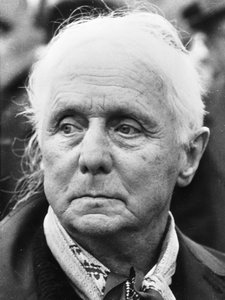
मैक्स अर्न्स्ट
1891 - 1976 , जर्मनी
संक्षिप्त जानकारी
- कलात्मक शैली: दादा, अतियथार्थवाद
- जन्म तिथि: 1 अप्रैल 1891
- जन्म स्थान: ब्रühl, जर्मनी
- पूरा नाम: मैक्स अर्न्स्ट
- प्रभावित आंदोलन:
- अतियथार्थवाद
- दादा
- प्रभावित कलाकार:
- पाब्लो पिकासो
- विन्सेंट वैन गॉग
- पॉल गौगिन
- जॉर्जियो डी चिरिको
- प्रमुख कलाकृतियाँ:
- एंटायर सिटी
- यूक्लिड्स
- वन एंड डोव
- मृत्यु तिथि: 1 अप्रैल 1976
- राष्ट्रीयता: जर्मन-अमेरिकी, फ्रांसीसी
संबंधित लेखों की सूची
मैक्स अर्न्स्ट की शीर्ष 25 कलाकृतियाँ: स्वप्निल सौंदर्य और आधुनिक कला का सफर | OriginalUniqueArt
मैक्स अर्न्स्ट की शीर्ष 25 कलाकृतियों का अन्वेषण करें! अतियथार्थवाद और दादावाद के जादू में खो जाएं। OriginalUniqueArt पर उच्च गुणवत्ता वाले कैनवास प्रिंट और दीवार सजावट खरीदें। कला इतिहास, प्रेरणा और अद्वितीय डिज़ाइन खोजें। अभी देखें!
Crimson Threads of Narrative: Exploring Symbolism & Representation in Artworks Featuring the Red Dress
Explore the rich symbolism of the red dress in art history! From ancient power displays to iconic portraits like Cézanne’s 'Madame Cezanne', discover the cultural and artistic significance behind this captivating color. Expert analysis & insights.
अद्भुत दुनिया के दस कला रत्न: स्वप्निलतावाद की उत्कृष्ट कृतियाँ | OriginalUniqueArt
स्वप्निलतावाद की दुनिया में खो जाएँ! डेलि, मैग्रिट, डाली जैसे महान कलाकारों के 10 उत्कृष्ट कृतियों का अन्वेषण करें। कला इतिहास और प्रेरणादायक रंगों की खोज करें। OriginalUniqueArt.com पर संग्रहालय-गुणवत्ता वाले आर्ट रिप्रोडक्शन और सजावट के विचार खोजें।

The Enduring Legacy of Fine Art Prints: Technique, History & Aesthetic Impact
Explore the rich history & techniques of fine art prints. Discover investment potential, assess authenticity, and learn how to preserve your collection with expert guidance. Trusted insights for discerning collectors.

Giclée Prints: Archival Quality & Aesthetic Nuances for the Discerning Collector
Explore the world of giclée prints with OriginalUniqueArt. Learn about archival quality, aesthetic nuances & investment potential. Expert guidance for discerning art collectors seeking museum-quality reproductions and lasting value.


