

 पूर्वावलोकन देखें
 भेजें
भेजें साझा करें
 विवरण देखें
 मार्गदर्शिका

 डाउनलोड करें
 समान वस्तुएं
 एक्स-रे
 स्लाइड शो देखें
 आंकड़े
The Whole City


 और पढ़ें
इस पृष्ठ पर प्रदर्शित कलाकृति कॉपीराइट कानून द्वारा संरक्षित है, जिसका अर्थ है कि हम कानूनी रूप से इसकी हूबहू प्रतिलिपि बनाने या बेचने का अधिकार नहीं रखते हैं। यह संरक्षण अंतर्राष्ट्रीय समझौतों के तहत लागू किया जाता है, जैसे कि बर्न कन्वेंशन और राष्ट्रीय कानूनों द्वारा, जिनमें % द्वारा निर्धारित कानून भी शामिल हैं। अमेरिकी कॉपीराइट कानून - शीर्षक 17।
यह विधि कॉपीराइट नियमों का पूरी तरह से पालन करती है क्योंकि इसमें संरक्षित कलाकृति की नकल या प्रतिलिपि बनाना शामिल नहीं है। इसके बजाय, यह एक रचनात्मक पुनर्व्याख्या है - एक ऐसी नई पेंटिंग जो मूल कृति से प्रेरित तो है, लेकिन उसके समान नहीं है।
गिक्ली / आर्ट प्रिंट
तेज़ उत्पादन और विभिन्न फिनिश विकल्पों के साथ म्यूजियम-क्वालिटी गिकली (giclée) या कैनवस प्रिंट। ( हाथ से बनी पेंटिंग खरीदें डिजिटल इमेज पर जाएँ)




P118B ₹10

P118H ₹10

P118W ₹10

P438Z ₹10

P508JH ₹12

P508YH ₹12

P805H ₹10

P805Z ₹10

P919BZ ₹10

P919G ₹10

P919XJ ₹10

P959ZH ₹10

P968JZ ₹12

W106C ₹8

W218G ₹10

W218JH ₹8

W218Y ₹10

W307PJ ₹10

W316G ₹10

W316PJ ₹8

W316Y ₹10

W398PJ ₹8

W4111J ₹10

W500HY ₹15

W500JH ₹15

W692G ₹12

W849H ₹8

W940BG ₹15

W953PJ ₹8




कलाकृति के मूल अनुपात से मेल खाने वाले हमारे पूर्व निर्धारित आकारों में से चुनें।

अपने फ्रेम या अपनी दीवार के अनुसार आवश्यक चौड़ाई और ऊंचाई दर्ज करें। प्रिंट को केवल काटा जा सकता है, चित्र से बड़ा कभी नहीं बनाया जा सकता, इसलिए अलग आकार का साइज चित्र का एक हिस्सा खो देता है। किसी भी चीज़ को प्रिंट करने से पहले हम आपकी स्वीकृति के लिए आपको एक डिजिटल मॉकअप भेजते हैं। इस पृष्ठ पर दिखाया गया चित्र वास्तविक कटिंग नहीं दिखाता है — केवल मॉकअप ही इसे दर्शाता है।
विश्वव्यापी डिलीवरी (), मानक 4/5 सप्ताह के बजाय मात्र 2 सप्ताह में। (24 अक्टूबर)

दुनिया भर में मुफ़्त एक्सप्रेस शिपिंग

प्रीमियम ग्रेड लिनेन कैनवास

पूर्ण शिपिंग बीमा

सीमा शुल्क और आयात कर वापसी की गारंटी

सटीक रंग मिलान की गारंटी

100 दिनों की वापसी नीति (केवल निर्माण दोष होने पर)

100% पैसे वापसी की गारंटी

थोक छूट का अवसर
 ग्लास का विकल्प केवल 110 सेमी से कम आकार में ही उपलब्ध है।

The Whole City
गिक्ली / आर्ट प्रिंट
प्रतिकृति का आकार
-


कुल मूल्य
₹ 7673
A Descent into the Surreal Landscape
Max Ernst’s “The Entire City,” completed between 1935 and 1936, serves as a haunting window into a world where the boundaries of reality and dream dissolve. The viewer is immediately met with a desolate, primordial landscape dominated by a towering, ochre-hued hill that seems to pulse with both geological permanence and an encroaching sense of ruin. Above this barren expanse, a monumental moon hangs in the sky, bathed in an unsettling luminescence that acts as a silent witness to the scene below. Scattered throughout this fractured terrain are solitary figures, their postures suggesting a profound isolation and a futile struggle against the overwhelming weight of their surroundings. It is a composition that does not merely depict a place, but rather captures a state of being—a visual distillation of existential anxiety and the chilling indifference of the cosmos.This piece functions as a masterclass in atmosphere, where the interplay between the dark, urban elements and the natural, lunar light creates a tension that is both beautiful and deeply unsettling. For those seeking to bring a sense of profound depth and mystery into a curated space, this work offers an unparalleled emotional gravity.
The Alchemy of Chance and Texture
To understand the visceral impact of this masterpiece, one must look toward Ernst’s revolutionary approach to medium and method. Eschewing traditional, smooth brushwork, the artist employed a technique known as grattage, a process that allowed him to invite the element of chance into his creative consciousness. By applying layers of paint to textured surfaces and then vigorously scraping them away with knives and gouges, Ernst revealed the hidden imprints of the underlying materials. This method creates a jagged, fractured surface that mirrors the fragmented nature of memory itself. The resulting textures are not merely decorative; they are essential to the painting's emotional resonance, providing a tactile depth that makes the crumbling edifice of the city feel palpably real, yet undeniably otherworldly.This technique reflects the core Surrealist impulse to liberate creativity from logical constraints, making every stroke an exploration of spontaneity and the subconscious. For collectors of fine art reproductions, the intricate textures captured in this work provide a sophisticated visual interest that rewards close, lingering inspection.
A Legacy of Disillusionment and Dream
Born from the turbulent spirit of the Dada and Surrealist movements, “The Entire City” is an echo of a society grappling with profound disillusionment. As Europe stood on the precipice of further upheaval, Ernst utilized his art to explore the depths of the subconscious, heavily influenced by the burgeoning field of psychoanalysis. The painting functions as a psychological landscape, where every shadow and jagged line serves as a portal into the human psyche’s most hidden recesses. It is a meditation on loss, memory, and the crumbling edifice of societal order.For the discerning collector or interior designer, this work offers more than just aesthetic beauty; it provides a profound intellectual and emotional anchor. It is a piece that commands attention in any space, inviting contemplation on the fragility of order and the enduring power of the imagination to find meaning within the chaos of the modern world. Whether placed in a contemporary gallery setting or a classic study, Ernst’ profound vision continues to resonate with anyone captivated by the mysteries of the human condition.
प्रश्न और उत्तर
"The Whole City" के प्रिंट का अनुशंसित उपयोग क्या है?
"The Whole City" के प्रिंट का अनुशंसित उपयोग Accent है।
"The Whole City" किस रंग योजना और किस भावना का मेल है?
"The Whole City" में, Dark रंग एक Mysterious अहसास के साथ मिलकर उभरते हैं।
"The Whole City" के Surrealism के पीछे किस देश की उत्पत्ति का हाथ है?
"The Whole City" की रचना मैक्स अर्न्स्ट द्वारा की गई थी, जिनका जन्म जर्मनी में हुआ था, और यह Surrealism आंदोलन के अंतर्गत आती है। कलाकार की उत्पत्ति इस कृति को Surrealism से जोड़ती है, जैसा कि जर्मनी के कलाकारों द्वारा अपनाया जाता है।
कलाकार का परिचय
मैक्स अर्न्स्ट: स्वप्निल कल्पनाओं का पथप्रदर्शक
मैक्स अर्न्स्ट, जिनका जन्म 2 अप्रैल, 1891 को ब्रुहल, जर्मनी में हुआ था, बीसवीं सदी के सबसे महत्वपूर्ण और प्रभावशाली कलाकारों में से एक थे। उनका जीवन कलात्मक खोजों, दार्शनिक चिंतन और सामाजिक मानदंडों के प्रति गहरी अस्वीकृति का मिश्रण था। उनके पिता, जो बधिरों के शिक्षक और शौकिया चित्रकार थे, ने उनमें दुनिया के प्रति संवेदनशीलता और स्थापित सत्ता के खिलाफ विद्रोह की भावना पैदा की। यह द्वैत उनकी कलात्मक दृष्टि को परिभाषित करता रहा। उन्होंने बोन विश्वविद्यालय में दर्शनशास्त्र, कला इतिहास, साहित्य, मनोविज्ञान और मनोचिकित्सा का अध्ययन किया, जिसने उनके बाद के कार्यों को गहराई से प्रभावित किया। वे केवल यह जानने में रुचि नहीं रखते थे कि कैसे पेंट करना है; वे यह समझने की कोशिश कर रहे थे कि क्यों पेंट करना है।
प्रथम विश्व युद्ध ने अर्न्स्ट के जीवन में एक महत्वपूर्ण मोड़ लाया। पूर्वी और पश्चिमी मोर्चों पर सैनिक के रूप में उनके अनुभवों ने उन्हें स्थापित व्यवस्था के प्रति गहरी अविश्वास पैदा किया और अभिव्यक्ति के नए तरीकों की तलाश करने के लिए प्रेरित किया। यह निराशा 1918 में जर्मनी में उभरे दादा आंदोलन में पनपी, जिसके वे एक प्रमुख सदस्य बन गए। दादावाद ने पारंपरिक कलात्मक सम्मेलनों को खारिज कर दिया और मूर्खता, संयोग और तर्कहीनता को अपनाया। अर्न्स्ट ने हंस आरप के साथ मिलकर काम किया, जो उनके जीवन भर के दोस्त और सहयोगी बने रहे। बाद में उन्होंने पेरिस जाकर सर्रियलिज़्म (Surrealism) आंदोलन से जुड़ गए, जहाँ उन्होंने सपनों की दुनिया, अवचेतन मन और अतार्किकता का पता लगाना शुरू कर दिया। सिग्मंड फ्रायड के मनोविश्लेषणात्मक सिद्धांतों से प्रभावित होकर, अर्न्स्ट ने अपनी कला के माध्यम से मानव अनुभव की छिपी गहराइयों को उजागर करने की कोशिश की।
तकनीकी नवाचार: फ्रोटेज, ग्राटेज और कोलाज
अर्न्स्ट की कलात्मक नवीनता विषय वस्तु से परे थी; वे तकनीक के साथ लगातार प्रयोग करते रहे। उन्होंने मौजूदा तरीकों को अपनाने के बजाय नई तकनीकों का आविष्कार किया। उनकी सबसे प्रसिद्ध योगदानों में से एक फ्रोटेज है - एक ऐसी प्रक्रिया जिसमें विभिन्न बनावट वाली सतहों पर पेंसिल या चारकोल रगड़ा जाता है ताकि अप्रत्याशित और मार्मिक छवियां बनाई जा सकें। यह तकनीक, जो लकड़ी की दादरा को देखते हुए ऊबने के क्षण से उत्पन्न हुई थी, ने उन्हें अवचेतन मन में टैप करने और उन रूपों को उत्पन्न करने की अनुमति दी जो सचेत नियंत्रण को चुनौती देते हैं। निकटता से संबंधित ग्राटेज था, जिसमें कैनवास पर पेंट को खुरचकर नीचे की परतों को उजागर किया जाता है।
उन्होंने कुशलतापूर्वक कोलाज का भी उपयोग किया, पत्रिकाओं, वैज्ञानिक चित्रों और तस्वीरों से अलग-अलग तत्वों को जोड़कर अवास्तविक रचनाएँ बनाईं जो प्रतिनिधित्व की पारंपरिक धारणाओं को चुनौती देती हैं। ये तकनीकें केवल शैलीगत विकल्प नहीं थीं; वे अवचेतन मन की खोज और कलात्मक सीमाओं को बाधित करने की उनकी इच्छा के अभिन्न अंग थे। उनकी पेंटिंग में अक्सर आवर्ती प्रतीकात्मक कल्पना होती है: पक्षी (विशेष रूप से उनके व्यक्तित्व लोप्लोप), बंजर परिदृश्य, परेशान करने वाले संयोजन और रहस्य की एक सर्वव्यापी भावना।
कलात्मक विकास और प्रभाव
द्वितीय विश्व युद्ध के प्रकोप ने अर्न्स्ट को यूरोप छोड़ने के लिए मजबूर कर दिया, जिसने उन्हें संयुक्त राज्य अमेरिका में शरण दी। उन्होंने अपनी निर्वासन के दौरान भी नई तकनीकों के साथ पेंटिंग और प्रयोग करना जारी रखा, अंततः युद्ध के बाद फ्रांस लौट आए जहाँ वह अपनी मृत्यु तक सक्रिय रहे। उनकी कला का बाद की पीढ़ियों के कलाकारों पर असीम प्रभाव पड़ा है। अर्न्स्ट ने दादा और सर्रियलिज़्म में अपने योगदान से कलात्मक मानदंडों को चुनौती दी, मानव मन की गहराई में उतरे और नवीन तकनीकों का आविष्कार किया जो आज भी कलाकारों को प्रेरित करती हैं। वे केवल एक चित्रकार ही नहीं थे; वे एक खोजकर्ता, एक उत्तेजक और एक दूरदर्शी थे जिन्होंने स्वयं कला की सीमाओं का विस्तार किया।
प्रमुख कृतियाँ
- संपूर्ण शहर
- यूक्लिडेस
- मृत्यु संस्कार
- वन और कबूतर
प्रभाव और विरासत
मैक्स अर्न्स्ट की कला ने पीढ़ियों के कलाकारों को प्रेरित किया है, और उनकी तकनीकों का उपयोग आज भी व्यापक रूप से किया जाता है। उन्होंने सर्रियलिज़्म (Surrealism) आंदोलन में महत्वपूर्ण योगदान दिया और कलात्मक अभिव्यक्ति के नए रास्तों को खोल दिया। उनकी विरासत आधुनिक कला के इतिहास में हमेशा जीवित रहेगी।
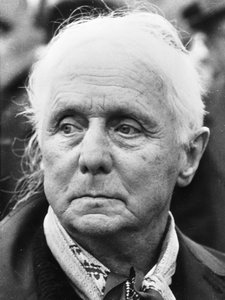
मैक्स अर्न्स्ट
1891 - 1976 , जर्मनी
संक्षिप्त जानकारी
- कलात्मक शैली: दादा, अतियथार्थवाद
- जन्म तिथि: 1 अप्रैल 1891
- जन्म स्थान: ब्रühl, जर्मनी
- पूरा नाम: मैक्स अर्न्स्ट
- प्रभावित आंदोलन:
- अतियथार्थवाद
- दादा
- प्रभावित कलाकार:
- पाब्लो पिकासो
- विन्सेंट वैन गॉग
- पॉल गौगिन
- जॉर्जियो डी चिरिको
- प्रमुख कलाकृतियाँ:
- एंटायर सिटी
- यूक्लिड्स
- वन एंड डोव
- मृत्यु तिथि: 1 अप्रैल 1976
- राष्ट्रीयता: जर्मन-अमेरिकी, फ्रांसीसी
संबंधित लेखों की सूची
Surrealism Unveiled: A Sophisticated Exploration of the Ethereal Boundary Between Dreams and Reality
Embark on a sophisticated journey through the surrealist movement. Discover how masters like Dalí and Ernst blurred the lines between dreams and reality through innovative techniques, exploring the profound impact of the subconscious on fine art history with expert authority.
अद्भुत दुनिया के दस कला रत्न: स्वप्निलतावाद की उत्कृष्ट कृतियाँ | OriginalUniqueArt
स्वप्निलतावाद की दुनिया में खो जाएँ! डेलि, मैग्रिट, डाली जैसे महान कलाकारों के 10 उत्कृष्ट कृतियों का अन्वेषण करें। कला इतिहास और प्रेरणादायक रंगों की खोज करें। OriginalUniqueArt.com पर संग्रहालय-गुणवत्ता वाले आर्ट रिप्रोडक्शन और सजावट के विचार खोजें।
मैक्स अर्न्स्ट की शीर्ष 25 कलाकृतियाँ: स्वप्निल सौंदर्य और आधुनिक कला का सफर | OriginalUniqueArt
मैक्स अर्न्स्ट की शीर्ष 25 कलाकृतियों का अन्वेषण करें! अतियथार्थवाद और दादावाद के जादू में खो जाएं। OriginalUniqueArt पर उच्च गुणवत्ता वाले कैनवास प्रिंट और दीवार सजावट खरीदें। कला इतिहास, प्रेरणा और अद्वितीय डिज़ाइन खोजें। अभी देखें!
Dreamscapes & Disrupted Realities: Exploring Surrealism's Enduring Influence
Explore the fascinating world of Surrealism! Discover its origins, key artists like Dalí & Magritte, and enduring influence on art & culture. Expert insights & high-quality reproductions at OriginalUniqueArt.

Beyond Reality's Grasp: Exploring the Philosophical Foundations of Surrealism
Explore the philosophical roots & artistic innovations of Surrealism with OriginalUniqueArt. Discover Dalí, Ernst, Delvaux & Freud's influence on this revolutionary movement. High-quality art reproductions available.


