

 पूर्वावलोकन देखें
 भेजें
भेजें साझा करें
 विवरण देखें
 मार्गदर्शिका

 डाउनलोड करें
 समान वस्तुएं
 एक्स-रे
 स्लाइड शो देखें
 आंकड़े
A Friends' Reunion
 Oil
Oil- WallArt
- Surrealism
 1922
1922 130.0 x 95.0 cm
 और पढ़ें
इस पृष्ठ पर प्रदर्शित कलाकृति कॉपीराइट कानून द्वारा संरक्षित है, जिसका अर्थ है कि हम कानूनी रूप से इसकी हूबहू प्रतिलिपि बनाने या बेचने का अधिकार नहीं रखते हैं। यह संरक्षण अंतर्राष्ट्रीय समझौतों के तहत लागू किया जाता है, जैसे कि बर्न कन्वेंशन और राष्ट्रीय कानूनों द्वारा, जिनमें % द्वारा निर्धारित कानून भी शामिल हैं। अमेरिकी कॉपीराइट कानून - शीर्षक 17।
एक सम्मानजनक और कानूनी विकल्प के रूप में, हम मूल कृति से प्रेरित, कस्टम, हाथ से पेंट की गई कलाकृतियाँ प्रदान करते हैं। हमारे कुशल और पेशेवर कलाकार एक नई, अद्वितीय कृति बनाने के लिए मूल के शैली, भाव और कलात्मक सार का सावधानीपूर्वक अध्ययन करते हैं - जो अपनी मौलिक रचना बने रहते हुए भी वही भावना जगाती है।
यह विधि कॉपीराइट नियमों का पूरी तरह से पालन करती है क्योंकि इसमें संरक्षित कलाकृति की नकल या प्रतिलिपि बनाना शामिल नहीं है। इसके बजाय, यह एक रचनात्मक पुनर्व्याख्या है - एक ऐसी नई पेंटिंग जो मूल कृति से प्रेरित तो है, लेकिन उसके समान नहीं है।
हस्तनिर्मित ऑयल रिप्रोडक्शन
आपके आकार और फ्रेम के अनुसार कैनवास पर हाथ से बनी ऑयल पेंटिंग, हमारे कलाकारों द्वारा विशेष रूप से ऑर्डर पर तैयार। ( प्रिंट विकल्प पर जाएँ डिजिटल इमेज पर जाएँ)




P118B ₹10

P118H ₹10

P118W ₹10

P438Z ₹10

P508JH ₹12

P508YH ₹12

P805H ₹10

P805Z ₹10

P919BZ ₹10

P919G ₹10

P919XJ ₹10

P959ZH ₹10

P968JZ ₹12

W106C ₹8

W218G ₹10

W218JH ₹8

W218Y ₹10

W307PJ ₹10

W316G ₹10

W316PJ ₹8

W316Y ₹10

W398PJ ₹8

W4111J ₹10

W500HY ₹15

W500JH ₹15

W692G ₹12

W849H ₹8

W940BG ₹15

W953PJ ₹8




कलाकृति के मूल अनुपात से मेल खाने वाले हमारे पूर्व निर्धारित आकारों में से चुनें।

आप किसी विशिष्ट फ्रेम या स्थान के अनुसार अपने स्वयं के आयाम (dimensions) दर्ज कर सकते हैं। यदि आपके द्वारा चुना गया आकार मूल छवि के अनुपात से मेल नहीं खाता है, तो हम कलाकृति को क्रॉप करेंगे या पेंटिंग में अतिरिक्त हाथ से चित्रित तत्व जोड़कर उसका विस्तार करेंगे। उत्पादन शुरू होने से पहले आपकी स्वीकृति के लिए एक डिजिटल मॉकअप भेजा जाएगा।
कृपया ध्यान दें कि स्क्रीन पर दिखने वाला पूर्वावलोकन वास्तविक क्रॉपिंग या विस्तार को नहीं दर्शाता है। केवल मॉकअप ही अंतिम रचना को सटीक रूप से दिखाएगा।
यद्यपि कस्टम आकार उपलब्ध हैं, फिर भी हम मूल अनुपात बनाए रखने के लिए पूर्व-निर्धारित सूची से आयाम चुनने की सलाह देते हैं।
ऑर्डर देने के बाद, OriginalUniqueArt.com टीम निर्देशों के लिए क्लाइंट को ईमेल करेगी और एक मॉकअप प्रीव्यू प्रदान करेगी
विश्वव्यापी वितरण () मानक 5 सप्ताह के बजाय मात्र 3/4 सप्ताह में। (13 अक्टूबर)। गुणवत्ता से कोई समझौता नहीं।

दुनिया भर में मुफ़्त एक्सप्रेस शिपिंग

प्रीमियम ग्रेड लिनेन कैनवास

पूर्ण शिपिंग बीमा

सीमा शुल्क और आयात कर वापसी की गारंटी

सटीक रंग मिलान की गारंटी

100 दिनों की वापसी नीति (केवल निर्माण दोष होने पर)

100% पैसे वापसी की गारंटी

थोक छूट का अवसर
 ग्लास का विकल्प केवल 110 सेमी से कम आकार में ही उपलब्ध है।

A Friends' Reunion
प्रतिकृति की सामग्री
प्रतिकृति का आकार
-


कुल मूल्य
₹ 28694
The Enigmatic Gathering: Unpacking Max Ernst’s “A Friends’ Reunion”
Max Ernst’s 1922 painting, "A Friends’ Reunion," isn’t merely a depiction of a social gathering; it's an invitation into the subconscious, a carefully constructed dreamscape rendered in oil on canvas. Measuring a modest 130 x 95 cm, this work immediately captivates with its unsettling blend of realism and surrealism – a hallmark of Ernst’s distinctive style. The scene unfolds within a room brimming with figures, each engaged in seemingly random activities: seated, standing, reclining, lost in conversation or simply observing. Thirteen individuals populate the space, their attire ranging from formal to casual, their postures suggesting a complex interplay of relationships and unspoken narratives. The painting isn’t about capturing a specific moment; it's about evoking an atmosphere, a feeling of contained energy and subtle unease – a testament to Ernst’s ability to distill psychological depth into visual form.
The room itself is deceptively simple, furnished with a scattering of chairs and a prominent dining table positioned towards the left. However, it's the details that truly elevate the piece. A clock hangs prominently on the wall above the group, an insistent reminder of time’s passage and perhaps hinting at the anxieties inherent in social interaction. The muted color palette – dominated by browns, ochres, and greys – contributes to the painting’s dreamlike quality, lending it a timelessness that transcends its specific date. Ernst masterfully employs light and shadow to create depth and intrigue, drawing the viewer's eye across the crowded composition.
Surrealism in Action: Ernst’s Techniques and Influences
“A Friends’ Reunion” firmly establishes Max Ernst as a key figure within the burgeoning Surrealist movement. Emerging from the disillusionment of World War I, Surrealism sought to liberate art from the constraints of reason and logic, tapping into the realm of dreams, the unconscious, and irrationality. Ernst's approach was particularly innovative, incorporating techniques like *frottage* – a method of rubbing pencil over textured surfaces to create unexpected patterns – and *grattage*, where paint is scraped across canvas to reveal underlying layers and textures. These processes deliberately disrupted traditional artistic control, allowing for the emergence of spontaneous imagery.
The influence of Cubism is also evident in the painting’s fragmented forms and multiple perspectives. While not a direct imitation, Ernst utilizes Cubist principles – breaking down objects into geometric shapes and reassembling them from different viewpoints – to create a sense of disorientation and ambiguity. This juxtaposition of realistic elements with abstract distortions is central to Surrealist aesthetics, challenging viewers to interpret the scene on multiple levels.
Decoding the Symbolism: Faces in a Dream
The figures within “A Friends’ Reunion” are deliberately ambiguous, their identities obscured by gesture and posture. They aren't portraits in the traditional sense; instead, they represent archetypes of social interaction – the attentive listener, the engaged conversationalist, the solitary observer. The arrangement of these figures suggests a dynamic tension, a subtle power struggle beneath the surface of polite conversation. The clock, as mentioned earlier, serves as a potent symbol of time and mortality, reminding us that even in this seemingly idyllic gathering, the relentless march of time continues unabated.
Some art historians have suggested that Ernst’s use of birds – frequently appearing in his work – represents freedom and escape. The presence of these avian motifs within “A Friends’ Reunion” could be interpreted as a yearning for liberation from the constraints of social convention or perhaps a commentary on the fleeting nature of human connection. Ultimately, the painting's symbolism is open to interpretation, inviting viewers to project their own experiences and anxieties onto its enigmatic scene.
A Legacy of Innovation: Surrealism’s Enduring Impact
“A Friends’ Reunion” stands as a pivotal work in the development of modern art. Surrealism's exploration of the subconscious profoundly influenced subsequent movements, including Abstract Expressionism, Pop Art, and Conceptual Art. Ernst’s experimentation with technique and his willingness to challenge conventional artistic norms paved the way for artists to push boundaries and explore new forms of expression. His legacy continues to inspire contemporary artists who seek to disrupt established conventions and tap into the power of the imagination.
प्रश्न और उत्तर
मैक्स अर्न्स्ट द्वारा "A Friends' Reunion" किस कमरे के लिए उपयुक्त है?
"A Friends' Reunion" की एक प्रतिकृति Living Room के लिए बिल्कुल उपयुक्त है।
"A Friends' Reunion" के पीछे कौन से कलाकार और कौन सी शैली है?
मैक्स अर्न्स्ट ने Surrealism आंदोलन के अंतर्गत "A Friends' Reunion" की रचना की।
क्या मैं खरीदने से पहले अपनी दीवार पर मैक्स अर्न्स्ट द्वारा "A Friends' Reunion" को देख सकता हूँ?
"A Friends' Reunion" में एक ऑगमेंटेड रियलिटी प्रीव्यू उपलब्ध है: कलाकृति का एआर प्रीव्यू पेज एक संगत डिवाइस पर इसे आपके अपने स्थान में दिखाता है।
Surrealism के भीतर "A Friends' Reunion" कितनी लोकप्रिय है?
कैटलॉग में Surrealism कृतियों के बीच "A Friends' Reunion" को Recognized के रूप में दर्ज किया गया है।
क्या "A Friends' Reunion" के रंग गहरे हैं या हल्के?
"A Friends' Reunion" की रंग तीव्रता Balanced है। तीव्रता यह बताती है कि रंग कितने गहरे या स्पष्ट दिखाई देते हैं।
मैक्स अर्न्स्ट द्वारा "A Friends' Reunion" में कंट्रास्ट का स्तर क्या है?
मैक्स अर्न्स्ट द्वारा "A Friends' Reunion" का कंट्रास्ट स्तर Statement है।
क्या मैक्स अर्न्स्ट द्वारा "A Friends' Reunion" सार्वजनिक डोमेन (public domain) में है?
कॉपीराइट के संबंध में, "A Friends' Reunion" अभी भी कॉपीराइट द्वारा संरक्षित है है।
मैं मैक्स अर्न्स्ट द्वारा "A Friends' Reunion" का प्रिंट कैसे प्राप्त कर सकता हूँ?
मैक्स अर्न्स्ट द्वारा "A Friends' Reunion" की प्रिंट प्राप्त करने के लिए, बस यह पृष्ठ पर ऑर्डर करें: कॉटन कैनवास या आर्काइवल कैनवास पेपर पर एक फाइन आर्ट प्रिंट।
कलाकार का परिचय
मैक्स अर्न्स्ट: स्वप्निल कल्पनाओं का पथप्रदर्शक
मैक्स अर्न्स्ट, जिनका जन्म 2 अप्रैल, 1891 को ब्रुहल, जर्मनी में हुआ था, बीसवीं सदी के सबसे महत्वपूर्ण और प्रभावशाली कलाकारों में से एक थे। उनका जीवन कलात्मक खोजों, दार्शनिक चिंतन और सामाजिक मानदंडों के प्रति गहरी अस्वीकृति का मिश्रण था। उनके पिता, जो बधिरों के शिक्षक और शौकिया चित्रकार थे, ने उनमें दुनिया के प्रति संवेदनशीलता और स्थापित सत्ता के खिलाफ विद्रोह की भावना पैदा की। यह द्वैत उनकी कलात्मक दृष्टि को परिभाषित करता रहा। उन्होंने बोन विश्वविद्यालय में दर्शनशास्त्र, कला इतिहास, साहित्य, मनोविज्ञान और मनोचिकित्सा का अध्ययन किया, जिसने उनके बाद के कार्यों को गहराई से प्रभावित किया। वे केवल यह जानने में रुचि नहीं रखते थे कि कैसे पेंट करना है; वे यह समझने की कोशिश कर रहे थे कि क्यों पेंट करना है।
प्रथम विश्व युद्ध ने अर्न्स्ट के जीवन में एक महत्वपूर्ण मोड़ लाया। पूर्वी और पश्चिमी मोर्चों पर सैनिक के रूप में उनके अनुभवों ने उन्हें स्थापित व्यवस्था के प्रति गहरी अविश्वास पैदा किया और अभिव्यक्ति के नए तरीकों की तलाश करने के लिए प्रेरित किया। यह निराशा 1918 में जर्मनी में उभरे दादा आंदोलन में पनपी, जिसके वे एक प्रमुख सदस्य बन गए। दादावाद ने पारंपरिक कलात्मक सम्मेलनों को खारिज कर दिया और मूर्खता, संयोग और तर्कहीनता को अपनाया। अर्न्स्ट ने हंस आरप के साथ मिलकर काम किया, जो उनके जीवन भर के दोस्त और सहयोगी बने रहे। बाद में उन्होंने पेरिस जाकर सर्रियलिज़्म (Surrealism) आंदोलन से जुड़ गए, जहाँ उन्होंने सपनों की दुनिया, अवचेतन मन और अतार्किकता का पता लगाना शुरू कर दिया। सिग्मंड फ्रायड के मनोविश्लेषणात्मक सिद्धांतों से प्रभावित होकर, अर्न्स्ट ने अपनी कला के माध्यम से मानव अनुभव की छिपी गहराइयों को उजागर करने की कोशिश की।
तकनीकी नवाचार: फ्रोटेज, ग्राटेज और कोलाज
अर्न्स्ट की कलात्मक नवीनता विषय वस्तु से परे थी; वे तकनीक के साथ लगातार प्रयोग करते रहे। उन्होंने मौजूदा तरीकों को अपनाने के बजाय नई तकनीकों का आविष्कार किया। उनकी सबसे प्रसिद्ध योगदानों में से एक फ्रोटेज है - एक ऐसी प्रक्रिया जिसमें विभिन्न बनावट वाली सतहों पर पेंसिल या चारकोल रगड़ा जाता है ताकि अप्रत्याशित और मार्मिक छवियां बनाई जा सकें। यह तकनीक, जो लकड़ी की दादरा को देखते हुए ऊबने के क्षण से उत्पन्न हुई थी, ने उन्हें अवचेतन मन में टैप करने और उन रूपों को उत्पन्न करने की अनुमति दी जो सचेत नियंत्रण को चुनौती देते हैं। निकटता से संबंधित ग्राटेज था, जिसमें कैनवास पर पेंट को खुरचकर नीचे की परतों को उजागर किया जाता है।
उन्होंने कुशलतापूर्वक कोलाज का भी उपयोग किया, पत्रिकाओं, वैज्ञानिक चित्रों और तस्वीरों से अलग-अलग तत्वों को जोड़कर अवास्तविक रचनाएँ बनाईं जो प्रतिनिधित्व की पारंपरिक धारणाओं को चुनौती देती हैं। ये तकनीकें केवल शैलीगत विकल्प नहीं थीं; वे अवचेतन मन की खोज और कलात्मक सीमाओं को बाधित करने की उनकी इच्छा के अभिन्न अंग थे। उनकी पेंटिंग में अक्सर आवर्ती प्रतीकात्मक कल्पना होती है: पक्षी (विशेष रूप से उनके व्यक्तित्व लोप्लोप), बंजर परिदृश्य, परेशान करने वाले संयोजन और रहस्य की एक सर्वव्यापी भावना।
कलात्मक विकास और प्रभाव
द्वितीय विश्व युद्ध के प्रकोप ने अर्न्स्ट को यूरोप छोड़ने के लिए मजबूर कर दिया, जिसने उन्हें संयुक्त राज्य अमेरिका में शरण दी। उन्होंने अपनी निर्वासन के दौरान भी नई तकनीकों के साथ पेंटिंग और प्रयोग करना जारी रखा, अंततः युद्ध के बाद फ्रांस लौट आए जहाँ वह अपनी मृत्यु तक सक्रिय रहे। उनकी कला का बाद की पीढ़ियों के कलाकारों पर असीम प्रभाव पड़ा है। अर्न्स्ट ने दादा और सर्रियलिज़्म में अपने योगदान से कलात्मक मानदंडों को चुनौती दी, मानव मन की गहराई में उतरे और नवीन तकनीकों का आविष्कार किया जो आज भी कलाकारों को प्रेरित करती हैं। वे केवल एक चित्रकार ही नहीं थे; वे एक खोजकर्ता, एक उत्तेजक और एक दूरदर्शी थे जिन्होंने स्वयं कला की सीमाओं का विस्तार किया।
प्रमुख कृतियाँ
- संपूर्ण शहर
- यूक्लिडेस
- मृत्यु संस्कार
- वन और कबूतर
प्रभाव और विरासत
मैक्स अर्न्स्ट की कला ने पीढ़ियों के कलाकारों को प्रेरित किया है, और उनकी तकनीकों का उपयोग आज भी व्यापक रूप से किया जाता है। उन्होंने सर्रियलिज़्म (Surrealism) आंदोलन में महत्वपूर्ण योगदान दिया और कलात्मक अभिव्यक्ति के नए रास्तों को खोल दिया। उनकी विरासत आधुनिक कला के इतिहास में हमेशा जीवित रहेगी।
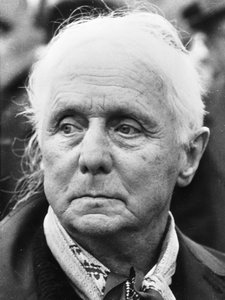
मैक्स अर्न्स्ट
1891 - 1976 , जर्मनी
संक्षिप्त जानकारी
- कलात्मक शैली: दादा, अतियथार्थवाद
- जन्म तिथि: 1 अप्रैल 1891
- जन्म स्थान: ब्रühl, जर्मनी
- पूरा नाम: मैक्स अर्न्स्ट
- प्रभावित आंदोलन:
- अतियथार्थवाद
- दादा
- प्रभावित कलाकार:
- पाब्लो पिकासो
- विन्सेंट वैन गॉग
- पॉल गौगिन
- जॉर्जियो डी चिरिको
- प्रमुख कलाकृतियाँ:
- एंटायर सिटी
- यूक्लिड्स
- वन एंड डोव
- मृत्यु तिथि: 1 अप्रैल 1976
- राष्ट्रीयता: जर्मन-अमेरिकी, फ्रांसीसी
संबंधित लेखों की सूची

The Enduring Legacy of Oil on Canvas: Technique, History & Aesthetic Impact
Explore the rich history & techniques of oil painting – from Renaissance masters to Impressionism. Discover pigments, layering methods, and why this timeless medium endures. Expert insights for artists & art enthusiasts.

Oil on Canvas: A Historical & Technical Exploration of a Timeless Artistic Medium
Explore the rich history & enduring techniques of oil painting on canvas. Discover the science behind its longevity, conservation practices, and contemporary relevance. Expert insights for art enthusiasts.
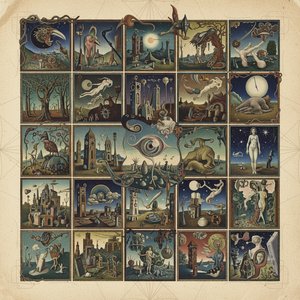
मैक्स अर्न्स्ट की शीर्ष 25 कलाकृतियाँ: स्वप्निल सौंदर्य और आधुनिक कला का सफर | OriginalUniqueArt
मैक्स अर्न्स्ट की शीर्ष 25 कलाकृतियों का अन्वेषण करें! अतियथार्थवाद और दादावाद के जादू में खो जाएं। OriginalUniqueArt पर उच्च गुणवत्ता वाले कैनवास प्रिंट और दीवार सजावट खरीदें। कला इतिहास, प्रेरणा और अद्वितीय डिज़ाइन खोजें। अभी देखें!

The Enduring Power of Painting: A Historical & Contemporary Exploration of Form and Emotion
Explore the rich history & enduring techniques of oil painting with OriginalUniqueArt. Discover masterpieces, learn about art collecting, and find authentic handmade reproductions crafted by skilled artists.

कैनवस पर चित्रित विरासत: तकनीक, इतिहास और समकालीन अभ्यास
कैनवस पर चित्रित विरासत की गहराई में उतरें। तकनीक, इतिहास और समकालीन कला अभ्यास जानें। OriginalUniqueArt के साथ उच्च गुणवत्ता वाली पेंटिंग खरीदें और अपनी दीवारों को जीवंत करें।


