

 पूर्वावलोकन देखें
 भेजें
भेजें साझा करें
 विवरण देखें
 मार्गदर्शिका

 डाउनलोड करें
 समान वस्तुएं
 एक्स-रे
 स्लाइड शो देखें
 आंकड़े
Perseus. Triptych


 और पढ़ें
गिक्ली / आर्ट प्रिंट
तेज़ उत्पादन और विभिन्न फिनिश विकल्पों के साथ म्यूजियम-क्वालिटी गिकली (giclée) या कैनवस प्रिंट। ( हाथ से बनी पेंटिंग खरीदें डिजिटल इमेज पर जाएँ)




P118B ₹10

P118H ₹10

P118W ₹10

P438Z ₹10

P508JH ₹12

P508YH ₹12

P805H ₹10

P805Z ₹10

P919BZ ₹10

P919G ₹10

P919XJ ₹10

P959ZH ₹10

P968JZ ₹12

W106C ₹8

W218G ₹10

W218JH ₹8

W218Y ₹10

W307PJ ₹10

W316G ₹10

W316PJ ₹8

W316Y ₹10

W398PJ ₹8

W4111J ₹10

W500HY ₹15

W500JH ₹15

W692G ₹12

W849H ₹8

W940BG ₹15

W953PJ ₹8




कलाकृति के मूल अनुपात से मेल खाने वाले हमारे पूर्व निर्धारित आकारों में से चुनें।

अपने फ्रेम या अपनी दीवार के अनुसार आवश्यक चौड़ाई और ऊंचाई दर्ज करें। प्रिंट को केवल काटा जा सकता है, चित्र से बड़ा कभी नहीं बनाया जा सकता, इसलिए अलग आकार का साइज चित्र का एक हिस्सा खो देता है। किसी भी चीज़ को प्रिंट करने से पहले हम आपकी स्वीकृति के लिए आपको एक डिजिटल मॉकअप भेजते हैं। इस पृष्ठ पर दिखाया गया चित्र वास्तविक कटिंग नहीं दिखाता है — केवल मॉकअप ही इसे दर्शाता है।
विश्वव्यापी डिलीवरी (), मानक 4/5 सप्ताह के बजाय मात्र 2 सप्ताह में। (20 अक्टूबर)

दुनिया भर में मुफ़्त एक्सप्रेस शिपिंग

प्रीमियम ग्रेड लिनेन कैनवास

पूर्ण शिपिंग बीमा

सीमा शुल्क और आयात कर वापसी की गारंटी

सटीक रंग मिलान की गारंटी

100 दिनों की वापसी नीति (केवल निर्माण दोष होने पर)

100% पैसे वापसी की गारंटी

थोक छूट का अवसर
 ग्लास का विकल्प केवल 110 सेमी से कम आकार में ही उपलब्ध है।

Perseus. Triptych
गिक्ली / आर्ट प्रिंट
प्रतिकृति का आकार
-


कुल मूल्य
₹ 7670
A Descent into Myth and Modernity: Exploring Beckmann’s ‘Perseus. Triptych’
Max Beckmann's “Perseus. Triptych,” painted in 1941 during his self-imposed exile in Amsterdam, is not merely a depiction of Greek mythology; it’s a visceral exploration of trauma, isolation, and the precariousness of human existence rendered through a uniquely distorted lens. Born amidst the turmoil of World War I – an experience that fundamentally reshaped his artistic vision – Beckmann abandoned the polished surfaces and idealized forms of academic painting for a brutally honest portrayal of the world as he perceived it: fractured, chaotic, and imbued with a profound sense of unease. This triptych, measuring a substantial 151cm by 222.5cm, embodies this shift powerfully, inviting viewers into a psychological landscape far removed from classical serenity.
The painting’s composition immediately commands attention. The left panel presents a scene of ambiguous social interaction – perhaps a café or bar – populated by figures rendered with unsettlingly sharp angles and distorted proportions. Their faces are largely obscured, contributing to an atmosphere of detachment and anonymity. This deliberate lack of clarity establishes a sense of disorientation, mirroring the artist’s own experience of displacement and loss during his exile. The central panel explodes with dynamic energy. Here, Perseus – not as the heroic figure of legend, but as a powerfully built, almost monstrous presence – engages in what appears to be a violent struggle. The figures are intertwined, their bodies contorted into unnatural shapes, conveying a sense of desperate conflict and imminent danger. The color palette is dominated by stark contrasts: deep blues and blacks juxtaposed with flashes of crimson and ochre, intensifying the emotional impact.
Expressionist Distortion and the Trauma of War
Beckmann’s artistic style during this period – often categorized as New Objectivity or Neo-Expressionism – is characterized by a deliberate rejection of traditional perspective and realistic representation. He employed distortion not to deceive, but to reveal underlying truths about human psychology. The jagged lines, fragmented forms, and exaggerated proportions are direct responses to the horrors he witnessed in World War I, an event that shattered his faith in reason and order. The painting’s overall effect is profoundly unsettling, reflecting the artist's own anxieties and the pervasive sense of dread that gripped Europe during the lead-up to and throughout the war. The influence of Bosch and Grünewald, masters of depicting human suffering and moral ambiguity, can be clearly discerned in Beckmann’s use of symbolism and his willingness to confront uncomfortable realities.
Symbolism and Narrative Layers
Beyond its immediate depiction of a mythological struggle, “Perseus. Triptych” is rich with symbolic layers. The central panel, depicting Perseus's victory over Medusa, can be interpreted as an allegory for the artist’s own battle against artistic constraints and societal pressures. The confinement suggested in the right panel – a shadowy figure seemingly trapped within a dark space – speaks to themes of isolation, vulnerability, and the loss of freedom. The recurring motif of birds throughout the composition adds another layer of meaning, potentially representing both hope and despair—a reminder of the fleeting nature of beauty amidst chaos. Beckmann’s own life during this period was marked by constant displacement and a struggle for recognition, making these themes deeply personal.
A Legacy of Intensity: Reproduction and Appreciation
“Perseus. Triptych” remains one of Max Beckmann's most compelling and emotionally resonant works. Its raw intensity, masterful use of distortion, and profound exploration of the human condition continue to captivate viewers today. High-quality reproductions offer a remarkable opportunity to experience the power of this iconic painting firsthand. When selecting a reproduction, consider the medium – oil on canvas prints capture the texture and depth of Beckmann’s original brushstrokes with exceptional fidelity. This artwork is not simply a depiction of myth; it's an invitation to confront the complexities of human existence—a timeless testament to the artist’s unique vision and enduring legacy.
प्रश्न और उत्तर
मैक्स बेकमैन द्वारा "Perseus. Triptych" में रंगों की तीव्रता कितनी है?
मैक्स बेकमैन द्वारा "Perseus. Triptych" में Balanced रंग की तीव्रता दिखाई देती है।
क्या "Perseus. Triptych" कुल मिलाकर अधिक उज्ज्वल है या अधिक गहरा?
मैक्स बेकमैन द्वारा "Perseus. Triptych" की चमक balanced दर्ज की गई है, जिसमें Gentle Luminance का ल्यूमिनेंस (luminance) है।
मैक्स बेकमैन द्वारा "Perseus. Triptych" की विशेषता बताने वाली तकनीक और शैली क्या है?
"Perseus. Triptych" को Acrylic On Canvas में, New Objectivity शैली में बनाया गया है।
कलाकार का परिचय
प्रारंभिक जीवन और कलात्मक विकास
मैक्स बेकमैन, एक प्रसिद्ध जर्मन चित्रकार, रेखाचित्र कलाकार, प्रिंटमेकर, मूर्तिकार और लेखक थे, जिनका जन्म 12 फरवरी 1884 को लीपज़िग, सैक्सनी में हुआ था। उनकी कलात्मक यात्रा अकादमिक रूप से सही चित्रणों के साथ शुरू हुई, जो बाद में विकृत आकृतियों और स्थानों में बदल गई, प्रथम विश्व युद्ध में चिकित्सा सहायक के रूप में सेवा करने के बाद मानवता की उनकी परिवर्तित दृष्टि को दर्शाती है। बेकमैन का प्रारंभिक जीवन उनके परिवार के समृद्ध सांस्कृतिक माहौल से प्रभावित था, लेकिन उन्होंने पारंपरिक कलात्मक मानदंडों से भी जल्दी ही दूरी बना ली थी। उन्होंने बर्लिन और फ्रैंकफर्ट जैसे शहरों में कला अध्ययन किया, जहाँ वे विभिन्न आधुनिक आंदोलनों के संपर्क में आए। उनकी शुरुआती कृतियों में प्रतीकात्मकता और मनोवैज्ञानिक गहराई की झलक दिखाई देती है, जो उनके बाद के कार्यों का पूर्वाभास कराती हैं।कलात्मक शैली और प्रभाव
बेकमैन की शैली मध्ययुगीन सना हुआ ग्लास की कल्पनाओं में निहित थी, जो विभिन्न कलाकारों, जिनमें सेज़ान, वान गाग, ब्लेक, रेम्ब्रांद और रूबेन्स शामिल थे, से प्रभावित थी। उन्होंने उत्तरी यूरोपीय कलाकारों से भी प्रेरणा ली, जैसे कि बॉश, ब्रूगल और मैथियास ग्रुनेवाल्ड। बेकमैन की कला में ज्यामितीय संरचनाओं, तीव्र रंगों और नाटकीय प्रकाश व्यवस्था का उपयोग होता है। उनकी आकृतियाँ अक्सर विकृत और अभिव्यंजक होती हैं, जो मानवीय अस्तित्व की पीड़ा और अलगाव को दर्शाती हैं। उन्होंने मिथकों, बाइबिल के दृश्यों और समकालीन जीवन से विषयों को चित्रित किया, लेकिन हमेशा अपनी अनूठी शैली में। बेकमैन ने कला को एक दार्शनिक अन्वेषण का माध्यम माना, जिसमें वे मानव स्थिति के जटिल प्रश्नों को उठाने की कोशिश करते थे।प्रमुख कार्य और प्रदर्शनियाँ
* द बार्क (बर्लिन राष्ट्रीय गैलरी द्वारा अधिग्रहित) * टक्सीडो में आत्म-चित्रण (1928 में खरीदा गया) * स्टैड्टिस्चे कुन्स्टहल्ले मैनहेम (1928) और बासेल और ज्यूरिख (1930) में पुनरावलोकन प्रदर्शनियाँ। बेकमैन के कार्यों को उनके जीवनकाल में व्यापक रूप से प्रदर्शित किया गया था, लेकिन उन्हें हमेशा आलोचनात्मक प्रतिक्रिया का सामना करना पड़ा। उनकी कला की जटिलता और प्रतीकात्मकता को समझना आसान नहीं था, और कुछ लोगों ने इसे निराशावादी और परेशान करने वाला पाया। हालांकि, बेकमैन ने अपनी अनूठी दृष्टि पर अडिग रहकर अपने कार्यों के माध्यम से दर्शकों को सोचने और महसूस करने के लिए प्रेरित किया।बाद का जीवन और निर्वासन
एडोल्फ हिटलर के उदय के साथ बेकमैन की किस्मत बदल गई, जिसके कारण उन्हें फ्रैंकफर्ट कला विद्यालय से बर्खास्त कर दिया गया और उनके 500 से अधिक कार्यों को जब्त कर लिया गया। वे दस वर्षों तक आत्म-निर्वासन में एम्स्टर्डम में रहे, संयुक्त राज्य अमेरिका के लिए वीजा प्राप्त करने में विफल रहे। निर्वासन बेकमैन के लिए एक कठिन समय था, लेकिन उन्होंने अपनी कलात्मक रचनात्मकता जारी रखी। उन्होंने कई महत्वपूर्ण चित्रों और प्रिंटों का निर्माण किया, जो उनके अनुभवों और भावनाओं को दर्शाते हैं। बेकमैन ने अपने कार्यों में सामाजिक अन्याय, राजनीतिक उत्पीड़न और मानवीय पीड़ा के विषयों को उठाया।विरासत
* वाशिंगटन विश्वविद्यालय सेंट लुइस और ब्रुकलिन संग्रहालय के कला विद्यालयों में पढ़ाया। * संयुक्त राज्य अमेरिका में उनकी पहली पुनरावलोकन प्रदर्शनी 1948 में सिटी आर्ट म्यूजियम, सेंट लुइस में हुई। मैक्स-स्लेवोएट गैलरी, जर्मनी, उनके कार्यों का संग्रह प्रदर्शित करती है। बेकमैन की विरासत आज भी जीवित है। उन्हें जर्मन अभिव्यक्तिवाद के प्रमुख आंकड़ों में से एक माना जाता है, और उनकी कला दुनिया भर के संग्रहालयों और दीर्घाओं में प्रदर्शित की जाती है। उन्होंने कई कलाकारों को प्रेरित किया, जो उनकी अनूठी शैली और दार्शनिक दृष्टिकोण का अनुसरण करते हैं। बेकमैन ने कला को एक शक्तिशाली माध्यम के रूप में स्थापित किया, जिसके माध्यम से मानवीय अस्तित्व के जटिल प्रश्नों को उठाया जा सकता है और दर्शकों को सोचने और महसूस करने के लिए प्रेरित किया जा सकता है। मुख्य तिथियाँ: * जन्म: 12 फरवरी, 1884 * मृत्यु: 27 दिसंबर, 1950
मैक्स बेकमैन
1884 - 1950 , भारत
संक्षिप्त जानकारी
- Artistic Movement Or Style: अभिव्यक्तिवाद
- Artists Or Movements Influenced By This Artist:
- रेम्ब्रांद्ट
- बॉश
- Artists Who Influenced This Artist:
- सेज़ान
- वान गाग
- Date Of Birth: 12 फरवरी 1884
- Date Of Death: 27 दिसंबर 1950
- Full Name: मैक्स कार्ल फ्रेडरिक बेकमैन
- Nationality: जर्मन
- Notable Artworks (List Of Titles):
- द बार्क
- सेल्फ-पोर्ट्रेट इन टक्सिडो
- Place Of Birth (City And Country): लीपजिग, जर्मनी
संबंधित लेखों की सूची

मैक्स अर्न्स्ट की शीर्ष 25 कलाकृतियाँ: स्वप्निल सौंदर्य और आधुनिक कला का सफर | OriginalUniqueArt
मैक्स अर्न्स्ट की शीर्ष 25 कलाकृतियों का अन्वेषण करें! अतियथार्थवाद और दादावाद के जादू में खो जाएं। OriginalUniqueArt पर उच्च गुणवत्ता वाले कैनवास प्रिंट और दीवार सजावट खरीदें। कला इतिहास, प्रेरणा और अद्वितीय डिज़ाइन खोजें। अभी देखें!

Echoes of Olympus: Mythological Narratives in Western Art Through the Ages
Explore the captivating history of mythological narratives in Western art! From ancient Greece to modern masterpieces, discover iconic artworks & symbolism. Expert analysis and high-quality reproductions at OriginalUniqueArt.
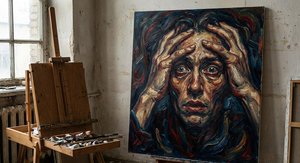
Figurative Expressionism: Emotional Intensity & Subjective Reality in 20th-Century Art
Explore the powerful world of Figurative Expressionism with OriginalUniqueArt. Discover key artists like Kirchner & Beckmann, understand its emotional depth, and learn how to collect this influential 20th-century art movement.

Max Beckmann: Navigating Trauma & Modernity Through a Distorted Lens
Explore the powerful world of Max Beckmann's art – a journey through trauma, modernity & distortion. Discover his key works, influences, and lasting legacy with expert analysis.

German Expressionism's 10 Defining Masterpieces | Art for Your Home
Explore 10 defining German Expressionism masterpieces – from Munch's 'The Scream' to Kandinsky’s abstracts. Discover the artists, stories & bold colors behind this powerful art movement. Find museum-quality reproductions at OriginalUniqueArt.com.


