

 पूर्वावलोकन देखें
 भेजें
भेजें साझा करें
 विवरण देखें
 मार्गदर्शिका

 डाउनलोड करें
 समान वस्तुएं
 एक्स-रे
 स्लाइड शो देखें
 आंकड़े
Annunciation and Resurrection
 Acrylic On Canvas
- WallArt
- German Renaissance
 1515
1515 269.0 x 141.0 cm
 Musée d'Unterlinden
 और पढ़ें
हस्तनिर्मित ऑयल रिप्रोडक्शन
आपके आकार और फ्रेम के अनुसार कैनवास पर हाथ से बनी ऑयल पेंटिंग, हमारे कलाकारों द्वारा विशेष रूप से ऑर्डर पर तैयार। ( प्रिंट विकल्प पर जाएँ डिजिटल इमेज पर जाएँ)




P118B $10

P118H $10

P118W $10

P438Z $10

P508JH $12

P508YH $12

P805H $10

P805Z $10

P919BZ $10

P919G $10

P919XJ $10

P959ZH $10

P968JZ $12

W106C $8

W218G $10

W218JH $8

W218Y $10

W307PJ $10

W316G $10

W316PJ $8

W316Y $10

W398PJ $8

W4111J $10

W500HY $15

W500JH $15

W692G $12

W849H $8

W940BG $15

W953PJ $8




कलाकृति के मूल अनुपात से मेल खाने वाले हमारे पूर्व निर्धारित आकारों में से चुनें।

आप किसी विशिष्ट फ्रेम या स्थान के अनुसार अपने स्वयं के आयाम (dimensions) दर्ज कर सकते हैं। यदि आपके द्वारा चुना गया आकार मूल छवि के अनुपात से मेल नहीं खाता है, तो हम कलाकृति को क्रॉप करेंगे या पेंटिंग में अतिरिक्त हाथ से चित्रित तत्व जोड़कर उसका विस्तार करेंगे। उत्पादन शुरू होने से पहले आपकी स्वीकृति के लिए एक डिजिटल मॉकअप भेजा जाएगा।
कृपया ध्यान दें कि स्क्रीन पर दिखने वाला पूर्वावलोकन वास्तविक क्रॉपिंग या विस्तार को नहीं दर्शाता है। केवल मॉकअप ही अंतिम रचना को सटीक रूप से दिखाएगा।
यद्यपि कस्टम आकार उपलब्ध हैं, फिर भी हम मूल अनुपात बनाए रखने के लिए पूर्व-निर्धारित सूची से आयाम चुनने की सलाह देते हैं।
ऑर्डर देने के बाद, OriginalUniqueArt.com टीम निर्देशों के लिए क्लाइंट को ईमेल करेगी और एक मॉकअप प्रीव्यू प्रदान करेगी
विश्वव्यापी वितरण () मानक 5 सप्ताह के बजाय मात्र 3/4 सप्ताह में। (25 सितमबर)। गुणवत्ता से कोई समझौता नहीं।

दुनिया भर में मुफ़्त एक्सप्रेस शिपिंग

प्रीमियम ग्रेड लिनेन कैनवास

पूर्ण शिपिंग बीमा

सीमा शुल्क और आयात कर वापसी की गारंटी

सटीक रंग मिलान की गारंटी

100 दिनों की वापसी नीति (केवल निर्माण दोष होने पर)

100% पैसे वापसी की गारंटी

थोक छूट का अवसर
 ग्लास का विकल्प केवल 110 सेमी से कम आकार में ही उपलब्ध है।

Annunciation and Resurrection
प्रतिकृति की सामग्री
प्रतिकृति का आकार
-


कुल मूल्य
$ 300
A Vision of Faith: Exploring the Dramatic Power of Grünewald’s Annunciation
Matthias Grünewald's 1515 painting, “Annunciation and Resurrection,” is not merely a depiction of a biblical event; it’s an immersive experience—a visceral journey into the heart of faith, sorrow, and divine revelation. Created during a pivotal period in German art history, bridging the late medieval and early Renaissance, this masterpiece transcends its religious subject matter to become a profoundly moving testament to human emotion and spiritual yearning. Grünewald, deeply rooted in the traditions of Northern European painting yet pushing beyond their constraints, crafted an image that resonates with raw intensity and unparalleled realism—a hallmark of his distinctive style.
The scene unfolds within a richly detailed interior, bathed in a dramatic interplay of light and shadow. At the heart of the composition stands Mary, rendered not as a serene Madonna but as a woman consumed by grief and apprehension. Her posture is slumped, her face etched with anguish—a stark contrast to the radiant joy typically associated with this pivotal moment. Beside her, the archangel Gabriel extends his hand, presenting the news of Christ’s impending birth, his gesture simultaneously offering hope and amplifying Mary's despair. The figures are not idealized; they possess a palpable physicality, their expressions conveying a depth of feeling rarely seen in earlier religious art. This commitment to naturalism—a key element of Grünewald’s approach—elevates the painting beyond simple iconography, imbuing it with an immediate and powerful emotional resonance.
The Isenheim Altarpiece: A Foundation for Dramatic Expression
To fully appreciate “Annunciation and Resurrection,” one must understand its context within the larger framework of Grünewald’s most celebrated work, the Isenheim Altarpiece. Commissioned for the hospital of St. Anthony in Isenheim, Alsace, this monumental altarpiece was designed to provide solace and healing to patients suffering from a debilitating skin disease known as ergotism—a condition characterized by painful sores and hallucinations. Grünewald’s artistic choices were profoundly influenced by the needs of these afflicted individuals; he deliberately employed distorted figures, intense colors, and emotionally charged expressions to convey both the physical and spiritual realities of their suffering. “Annunciation and Resurrection” can be seen as a microcosm of this larger project—a concentrated distillation of the altarpiece’s core themes of pain, redemption, and divine compassion.
The painting's composition is meticulously structured around the central figures of Mary and Gabriel, but it also incorporates several secondary elements that contribute to its overall complexity. A book lies open on the lower right, a small figure kneels near the bottom left corner, and three books are visible in the scene—each element adding layers of meaning and inviting contemplation. The use of color is particularly striking: deep reds and blues dominate the palette, creating a sense of drama and intensity. The light source, emanating from an unseen point above, casts long shadows across the figures, further enhancing the painting’s emotional impact. Grünewald's masterful manipulation of light and shadow—a technique known as chiaroscuro—is one of the defining characteristics of his style.
Symbolism and Spiritual Depth
Beyond its immediate visual appeal, “Annunciation and Resurrection” is rich in symbolic meaning. The presence of the books suggests a connection to learning and faith, while the kneeling figure represents humility and devotion. The outstretched hand of Gabriel symbolizes divine grace and guidance, offering Mary the promise of salvation through Christ’s birth. The depiction of Mary's sorrowful expression underscores the profound sacrifice she is asked to make—a sacrifice that resonates with both personal grief and universal suffering. The inclusion of the Resurrection within the composition—represented by the figure emerging from the tomb—offers a glimmer of hope amidst the darkness, suggesting that even in the face of death, there is always the possibility of rebirth and renewal.
A Timeless Masterpiece: Reproduction and Legacy
“Annunciation and Resurrection” remains a profoundly moving work of art, captivating viewers with its dramatic intensity and emotional depth. Today, high-quality reproductions offer an accessible way to experience this masterpiece firsthand, bringing its power and beauty into any setting. Whether adorning a grand salon or a smaller study, a hand-painted reproduction captures the essence of Grünewald’s vision—a testament to the enduring legacy of one of Germany's greatest Renaissance painters. It is a piece that invites contemplation, sparking dialogue about faith, suffering, and the transformative power of art.
कलाकार का परिचय
मथियास ग्रुनेवाल्ड: जीवन और विरासत
प्रारंभिक जीवन और कलात्मक शुरुआत
जर्मनी के वुर्ज़बर्ग में लगभग 1470-1475 के आसपास जन्मे मथियास ग्रुनेवाल्ड, जिनका जन्म नाम मैथिस गोथार्ट नीहार्ड्ट था, जर्मन पुनर्जागरण के एक अत्यंत महत्वपूर्ण व्यक्तित्व थे। यद्यपि वे उस युग में जी रहे थे जब इतालवी पुनर्जागरण के आदर्श तेजी से प्रभाव डाल रहे थे, फिर भी ग्रुनेवाल्ड की कला मध्य यूरोप की उत्तर-मध्यकालीन कलात्मक परंपराओं में गहराई से रची-बसी रही। उनके प्रारंभिक जीवन के विवरण भले ही दुर्लभ हों, लेकिन यह ज्ञात है कि उन्होंने स्थानीय कार्यशालाओं में एक कलाकार के रूप में प्रशिक्षण प्राप्त किया था, जिसने उनकी नींव को मजबूत किया।
कलात्मक विकास और प्रभाव
ग्रुनेवाल्ड का कलात्मक विकास उत्तरी यूरोपीय परंपराओं की यथार्थवाद, भावनात्मक तीव्रता और सूक्ष्म अवलोकन से आकार ले चुका था। उनकी कृतियों में अल्ब्रेक्ट ड्यूरर और मार्टिन शोंगौअर जैसे महान कलाकारों का प्रभाव स्पष्ट रूप से दिखाई देता है, लेकिन उन्होंने नाटकीय अभिव्यक्ति और जीवंत रंगों के माध्यम से अपना एक अनूठा मार्ग प्रशस्त किया। वे इटली में प्रचलित मानवतावादी हलकों से सीधे तौर पर नहीं जुड़े थे; इसके बजाय, उनकी कला मुख्य रूप से धार्मिक उद्देश्यों की पूर्ति करती थी, जो उनके समय की आध्यात्मिक उथल-पुथल और चिंताओं को प्रतिबिंबित करती थी।
प्रमुख कृतियाँ और कलात्मक शैली
- द इसेंहाइम ऑल्टरपीस (1512-1516): कोलमार के म्यूज़ियम डी'अंटरलिंडेन में संरक्षित यह उत्कृष्ट कृति ग्रुनेवाल्ड की सर्वोत्कृष्ट रचना मानी जाती है। यह ईसा मसीह के जीवन के दृश्यों को अत्यंत हृदयविदारक यथार्थवाद के साथ चित्रित करती है, जिसमें विशेष रूप से पीड़ा और मुक्ति पर ध्यान केंद्रित किया गया है।
- द क्रूसिफिक्शन (लगभग 1502-1503): यह उनकी प्रारंभिक कृतियों में से एक है जो उनकी विकसित होती शैली को प्रदर्शित करती है, जिसमें तीव्र भावना और शारीरिक बारीकियों का अद्भुत संगम है।
- वर्जिन ऑफ द एननसिएशन (1512-14): इस अध्ययन कार्य के माध्यम से इसेंहाइम ऑल्टरपीस के निर्माण में उनकी सूक्ष्म योजना प्रक्रिया का पता चलता है।
- मूसा (1511): यह एक ऐसा रेखाचित्र है जो अभिव्यंजक आकृतियों और नाटकीय मुद्राओं को पकड़ने में ग्रुनेवाल्ड के कौशल को उजागर करता है।
ग्रुनेवाल्ड की शैली कुछ विशेष तत्वों से अलग पहचानी जाती है:
- नाटकीय संरचना: उन्होंने भावनात्मक प्रभाव को बढ़ाने के लिए गतिशील व्यवस्थाओं का उपयोग किया।
- जीवंत रंग योजना: उनके द्वारा तीव्र और अक्सर विरोधाभासी रंगों का उपयोग एक शक्तिशाली दृश्य अनुभव पैदा करता है।
- पीड़ा का यथार्थवादी चित्रण: ग्रुनेवाल्ड धार्मिक आख्यानों से जुड़ी शारीरिक और भावनात्मक पीड़ा को चित्रित करने से कभी पीछे नहीं हटे।
- अभिव्यंजक आकृतियाँ: उनकी आकृतियाँ गहरी भावनाओं और मनोवैज्ञानिक गहराई से ओतप्रोत हैं।
ऐतिहासिक महत्व और विरासत
ग्रुनेवाल्ड का कार्य पुनर्जागरण के दौरान जर्मनी में मध्यकालीन कलात्मक परंपराओं की स्थायी शक्ति के प्रमाण के रूप में खड़ा है। उन्होंने उत्तर-गॉथिक शैली और उभरते हुए पुनर्जागरण के बीच के अंतर को पाटकर एक ऐसी अनूठी दृश्य भाषा बनाई जिसने उनके समकालीनों के दिलों को छू लिया। उनका प्रभाव बाद के जर्मन कलाकारों में देखा जा सकता है जिन्होंने धार्मिक उत्साह और भावनात्मक तीव्रता के विषयों की खोज जारी रखी। यद्यपि 1528 में उनकी मृत्यु के बाद सदियों तक उन्हें काफी हद तक भुला दिया गया था, लेकिन 19वीं शताब्दी में ग्रुनेवाल्ड का पुनरुद्धार हुआ, और आज उन्हें जर्मन पुनर्जागरण के सबसे महत्वपूर्ण चित्रकारों में से एक के रूप में मान्यता प्राप्त है। उनकी कला अपनी कच्ची भावना, तकनीकी प्रतिभा और गहन आध्यात्मिक गहराई के साथ दर्शकों को मंत्रमुग्ध करना जारी रखती है।
आगे की खोज
मथियास ग्रुनेवाल्ड के जीवन और कार्यों के बारे में अधिक जानें: OriginalUniqueArt

मैथियास ग्रुनेवाल्ड
1480 - 1528 , जर्मनी
संक्षिप्त जानकारी
- Birth Date: लगभग 1470–1475
- Birth Place: वुर्ज़बर्ग, जर्मनी
- Death Date: 1528
- Influenced: कोई नहीं
- Movement: जर्मन पुनर्जागरण, उत्तर मध्यकालीन
- Name: मैथियास ग्रुनेवाल्ड
- Nationality: जर्मन
- Notable Works: आइसनहाइम अल्टरपीस, द क्रूसिफिक्शन
संबंधित लेखों की सूची
फ्रा एंजेलिको की शीर्ष 25 उत्कृष्ट कृतियाँ: कला, आध्यात्मिकता और घर सजावट
फ्रा एंजेलिको की शीर्ष 25 कृतियों का अन्वेषण करें! पुनर्जागरण कला, धार्मिक चित्रकला और स्वर्गीय सौंदर्य से भरपूर ये उत्कृष्ट फ्रेस्को और पैनल पेंटिंग आपको मंत्रमुग्ध कर देंगे। OriginalUniqueArt.com पर उच्च-गुणवत्ता कला प्रतिकृतियाँ खोजें।
Sacred Narratives Embodied: A Comprehensive Exploration of Religious Iconography in Art History
Explore the rich history of religious iconography in art! Discover symbolism, movements & masterpieces from Byzantine to Renaissance periods. Expert insights for collectors and enthusiasts at OriginalUniqueArt.
Sacred Narratives on Canvas: Exploring Religious Painting Through History
Explore the rich history of religious painting with OriginalUniqueArt.com! Discover iconic artworks, symbolism & techniques from antiquity to the Renaissance. Enhance your art appreciation today.
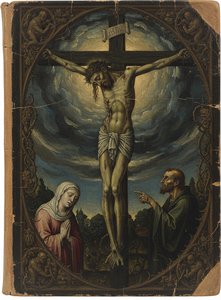
Matthias Grünewald: Devotion, Distortion & Spiritual Turmoil in Renaissance Art
Explore the profound religious art of Matthias Grünewald, master of the Isenheim Altarpiece. Discover his unique expressionism, symbolism & lasting impact on Renaissance painting. A guide for collectors and enthusiasts.
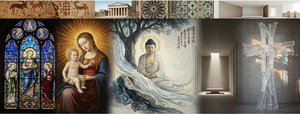
Illuminating Belief: A Visual Exploration of Faith Across Artistic Movements & Historical Contexts
Explore the rich history of faith through art! Discover Renaissance masterpieces, iconic artists & religious symbolism with expert analysis from OriginalUniqueArt. Perfect for collectors and enthusiasts.


