

 पूर्वावलोकन देखें
 भेजें
भेजें साझा करें
 विवरण देखें
 मार्गदर्शिका

 डाउनलोड करें
 समान वस्तुएं
 एक्स-रे
 स्लाइड शो देखें
 आंकड़े
Predella panel from the Pisa Altar
 Acrylic On Canvas
- WallArt
- Early Renaissance Realism
 1426
1426 21.0 x 61.0 cm
 स्टातलिचे मुसेन
 और पढ़ें
हस्तनिर्मित ऑयल रिप्रोडक्शन
आपके आकार और फ्रेम के अनुसार कैनवास पर हाथ से बनी ऑयल पेंटिंग, हमारे कलाकारों द्वारा विशेष रूप से ऑर्डर पर तैयार। ( प्रिंट विकल्प पर जाएँ डिजिटल इमेज पर जाएँ)




P118B $10

P118H $10

P118W $10

P438Z $10

P508JH $12

P508YH $12

P805H $10

P805Z $10

P919BZ $10

P919G $10

P919XJ $10

P959ZH $10

P968JZ $12

W106C $8

W218G $10

W218JH $8

W218Y $10

W307PJ $10

W316G $10

W316PJ $8

W316Y $10

W398PJ $8

W4111J $10

W500HY $15

W500JH $15

W692G $12

W849H $8

W940BG $15

W953PJ $8




कलाकृति के मूल अनुपात से मेल खाने वाले हमारे पूर्व निर्धारित आकारों में से चुनें।

आप किसी विशिष्ट फ्रेम या स्थान के अनुसार अपने स्वयं के आयाम (dimensions) दर्ज कर सकते हैं। यदि आपके द्वारा चुना गया आकार मूल छवि के अनुपात से मेल नहीं खाता है, तो हम कलाकृति को क्रॉप करेंगे या पेंटिंग में अतिरिक्त हाथ से चित्रित तत्व जोड़कर उसका विस्तार करेंगे। उत्पादन शुरू होने से पहले आपकी स्वीकृति के लिए एक डिजिटल मॉकअप भेजा जाएगा।
कृपया ध्यान दें कि स्क्रीन पर दिखने वाला पूर्वावलोकन वास्तविक क्रॉपिंग या विस्तार को नहीं दर्शाता है। केवल मॉकअप ही अंतिम रचना को सटीक रूप से दिखाएगा।
यद्यपि कस्टम आकार उपलब्ध हैं, फिर भी हम मूल अनुपात बनाए रखने के लिए पूर्व-निर्धारित सूची से आयाम चुनने की सलाह देते हैं।
ऑर्डर देने के बाद, OriginalUniqueArt.com टीम निर्देशों के लिए क्लाइंट को ईमेल करेगी और एक मॉकअप प्रीव्यू प्रदान करेगी
विश्वव्यापी वितरण () मानक 5 सप्ताह के बजाय मात्र 3/4 सप्ताह में। (27 सितमबर)। गुणवत्ता से कोई समझौता नहीं।

दुनिया भर में मुफ़्त एक्सप्रेस शिपिंग

प्रीमियम ग्रेड लिनेन कैनवास

पूर्ण शिपिंग बीमा

सीमा शुल्क और आयात कर वापसी की गारंटी

सटीक रंग मिलान की गारंटी

100 दिनों की वापसी नीति (केवल निर्माण दोष होने पर)

100% पैसे वापसी की गारंटी

थोक छूट का अवसर
 ग्लास का विकल्प केवल 110 सेमी से कम आकार में ही उपलब्ध है।

Predella panel from the Pisa Altar
प्रतिकृति की सामग्री
प्रतिकृति का आकार
-


कुल मूल्य
$ 300
A Dawn of Realism: The Predella Panel from Masaccio’s Pisa Altar
The world of 15th-century Florentine painting was undergoing a seismic shift, and at the heart of this transformation stood Masaccio – a name that resonates with an almost mythical quality within art history. His “Predella panel from the Pisa Altar,” a remarkably intimate depiction of scenes from Christ’s life, isn't merely a religious image; it’s a foundational document in the birth of Western Renaissance painting. Measuring just 21 x 61 cm, this unassuming panel belies its monumental significance – it represents a radical departure from the stylized conventions of the preceding Gothic era and lays the groundwork for the naturalism that would define the movement.
Masaccio’s genius lay in his ability to capture not just the outward appearance of figures but also their underlying physicality, their emotional depth. The panel, painted in 1426, immediately draws the eye with its masterful use of *chiaroscuro* – the dramatic interplay of light and shadow that sculpts forms and imbues them with a startling sense of volume. Notice how the figures aren’t flat or idealized; they possess weight, texture, and a palpable sense of three-dimensionality. This is achieved through meticulous observation of anatomy, a technique pioneered by Masaccio and directly influenced by his study of classical sculpture.
- The Scene: The panel depicts two pivotal moments from the life of Christ – the Crucifixion of St. Peter and the Beheading of St. John the Baptist. These aren’t grand, theatrical events; rather, they are rendered with a quiet intensity, focusing on the human cost of sacrifice and martyrdom.
- Perspective: Masaccio was a pioneer in the application of linear perspective to painting. The architectural elements within the scenes – the arches, columns, and walls – converge towards a vanishing point, creating an illusion of depth that pulls the viewer into the narrative. This technique, revolutionary at the time, establishes a new standard for realism in art.
- Emotional Resonance: The figures aren’t simply depicted; they *feel*. The sorrowful gaze of Mary Magdalene, the stoic acceptance of St. Peter, and the horrified expression of onlookers convey a profound sense of empathy and human vulnerability.
Masaccio: A Brief but Brilliant Life
Born Tommaso di Ser Giovanni di Simone in San Giovanni Valdarno around 1401, Masaccio’s life was tragically short – he died in Florence in the summer of 1428, likely from a fever. Despite his brief career, he left an indelible mark on the art world. His apprenticeship remains shrouded in some mystery, though it's believed he learned primarily through observation and direct contact with other artists like Andrea del Verrocchio. His early works, including the “Pisa Altarpiece,” demonstrate a remarkable ability to synthesize influences from Giotto – particularly his use of naturalistic figures – with the emerging principles of linear perspective and classical ideals.
Masaccio’s influence extended far beyond his own lifetime. Artists like Leonardo da Vinci and Michelangelo would later acknowledge his profound impact on their work, recognizing him as a key figure in the development of Western art. His legacy lies not just in specific paintings but in the revolutionary approach to representation that he pioneered – an approach that continues to inspire artists today.
The Context: The Pisa Altar and Early Renaissance Florence
The “Predella panel” was originally part of a larger altarpiece commissioned for Santa Maria del Carmine in Pisa by Giuliano di Colino. This commission represents a crucial moment in the early Renaissance – a time of renewed interest in classical art, humanism, and scientific observation. The altarpiece itself reflects this intellectual ferment, incorporating elements of both religious iconography and architectural design.
Florence, at this time, was experiencing an explosion of artistic creativity fueled by patronage from wealthy families like the Medici. Masaccio’s work exemplifies this spirit of innovation, pushing the boundaries of what was possible in painting and setting a new standard for realism and emotional expression. The panel stands as a testament to the transformative power of art during this pivotal period.
A Timeless Masterpiece: Reproductions and Beyond
Today, reproductions of Masaccio’s “Predella panel” are widely available, offering an accessible way to experience the beauty and innovation of this remarkable work. When selecting a reproduction, consider the quality of materials and printing techniques – a faithful rendering will capture the subtle nuances of light, shadow, and color that define Masaccio's genius. This small panel offers a profound glimpse into the dawn of Renaissance art—a reminder of the enduring power of observation, emotion, and artistic vision.
कलाकार का परिचय
मासाचियो: पुनर्जागरण की उषा
टॉममासो डि सेर जियोवानी डि सिमोन, जिन्हें बेहतर रूप से मासाचियो (जिसका अर्थ है "अकुशल टॉम") के नाम से जाना जाता है, प्रारंभिक इतालवी पुनर्जागरण का एक महत्वपूर्ण व्यक्ति थे। 21 दिसंबर, 1401 को सैन जियोवानी वाल्डार्नो, इटली में जन्मे और 1428 में दुखद रूप से कम उम्र में मृत्यु हो गई, उनके संक्षिप्त करियर ने यथार्थवाद, परिप्रेक्ष्य और कियारिस्कोरो (प्रकाश और अंधेरे के बीच मजबूत विरोधाभासों का उपयोग) में अभूतपूर्व क्रांति लाकर चित्रकला को बदल दिया। अपने छोटे जीवन के बावजूद, मासाचियो का बाद की पीढ़ियों के कलाकारों पर गहरा प्रभाव पड़ा, जिसने प्रकृतिवाद के लिए एक नया मानक स्थापित किया और पश्चिमी कला के पाठ्यक्रम को प्रभावित किया।
प्रारंभिक जीवन और प्रशिक्षण
मासाचियो का जन्म 21 दिसंबर, 1401 को सैन जियोवानी वाल्डार्नो में हुआ था। उनके पिता, जियोवानी डि सिमोन कैसाई एक नोटरी थे, और उनकी माँ जैकोपा डि मार्टिनोज़ो थीं। उनका परिवार नाम, कैसाई, उनके पितृ दादाजी के व्यापार से लिया गया था जो एक कैबिनेट निर्माता थे। जब उनके पिता की मृत्यु हो गई तो वह पाँच वर्ष की उम्र में अनाथ हो गए, उनके भाई जियोवानी (लो स्केगिया) भी चित्रकार बने। मासाचियो के कलात्मक प्रशिक्षण का विवरण काफी हद तक अज्ञात है, जो पुनर्जागरण कलाकारों के लिए असामान्य है। ऐसा माना जाता है कि उन्होंने लगभग 12 साल की उम्र में प्रशिक्षुता प्राप्त की होगी, लेकिन कोई निश्चित गुरु नहीं मिला है। प्रशिक्षण की इस कमी ने उनके तेजी से विकास और नवीन तकनीकों को लेकर रहस्य जोड़ा है। 7 जनवरी, 1422 को उन्होंने फ्लोरेंस के चित्रकारों के गिल्ड (आर्टे दे’ मेडीसी ई स्पेशियाली) में शामिल होकर एक स्वतंत्र मास्टर कलाकार के रूप में उभरे।
कलात्मक विकास और प्रमुख कार्य
मासाचियो पर प्रारंभिक प्रभाव जियोट्टो डि बॉन्डोन का था, जो अपने प्रकृतिवाद के लिए जाने जाते थे, लेकिन उन्होंने जल्द ही परिप्रेक्ष्य और शरीर रचना की अपनी समझ में उनसे आगे निकल गए। उन्होंने फिलिप्पो ब्रुनेलेस्की के वास्तुशिल्प नवाचारों से भी प्रेरणा ली, विशेष रूप से ब्रुनेलेस्की द्वारा खोजी गई रैखिक परिप्रेक्ष्य। मासाचियो ने कई अभूतपूर्व तकनीकों का बीड़ा उठाया: रैखिक परिप्रेक्ष्य उन्होंने दो आयामी सतह पर विश्वासजनक गहराई की भावना पैदा करने के लिए विलीन होने वाले बिंदुओं और गणितीय परिशुद्धता का उपयोग किया। कियारिस्कोरो उन्होंने रूपों को मॉडल बनाने, पहले कभी नहीं देखी गई मात्रा और यथार्थवाद की भावना पैदा करने के लिए प्रकाश और छाया का कुशलतापूर्वक उपयोग किया। प्रकृतिवाद उन्होंने शरीर रचना संबंधी सटीकता और भावनात्मक अभिव्यक्ति के साथ आकृतियों को चित्रित किया, जिससे पिछली अवधियों के शैलीबद्ध निरूपण दूर हो गए।
- सैन जियोवेनाले ट्रिप्टिच (सी. 1422): यह एक प्रारंभिक कार्य है जो परिप्रेक्ष्य और प्रकृतिवादी प्रतिनिधित्व में उनके विकास कौशल को दर्शाता है।
- वर्जिन एंड चाइल्ड विथ सेंट ऐनी (सी. 1423-1425): मासाचियो के उभरते यथार्थवाद के साथ मासोलिनो की अधिक पारंपरिक शैली को प्रदर्शित करते हुए एक सहयोग।
- ब्रांकाची चैपल फ्रेस्कोस (सी. 1425-1428): फ्लोरेंस में सांता मारिया डेल कार्मिन चर्च में स्थित उनके सबसे प्रसिद्ध और प्रभावशाली कार्य। "द ट्रिब्यूट मनी", "पैराडाइज से निष्कासन" और "सेंट पीटर बैपटाइज़िंग द नियोफाइट्स" सहित ये फ्रेस्कोस, प्रारंभिक पुनर्जागरण कला की उत्कृष्ट कृतियाँ माने जाते हैं।
ऐतिहासिक महत्व और विरासत
मासाचियो का पश्चिमी कला के पाठ्यक्रम पर अपार प्रभाव पड़ा, उनकी दुखद रूप से छोटी करियर के बावजूद। परिप्रेक्ष्य, कियारिस्कोरो और प्रकृतिवाद में उनके नवाचारों ने कलाकारों द्वारा दुनिया को चित्रित करने के तरीके को मौलिक रूप से बदल दिया। उन्होंने मध्ययुगीन कलात्मक सम्मेलनों और पुनर्जागरण के उभरते आदर्शों के बीच की खाई को प्रभावी ढंग से पाटा। मासाचियो के काम ने बाद की पीढ़ियों के चित्रकारों को गहराई से प्रभावित किया, जिसमें डोनटेल्लो, लियोनार्डो दा विंची, माइकल एंजेलो और राफेल शामिल हैं। उन्होंने गहनता से उनकी फ्रेस्कोस का अध्ययन किया, अपनी शैलियों में उनकी तकनीकों को अपनाया और अनुकूलित किया। उनके यथार्थवाद और मानवीय भावना पर जोर उच्च पुनर्जागरण की कलात्मक उपलब्धियों के लिए आधार तैयार करता है। जीवनी लेखक जियोर्जियो वासारी ने मासाचियो की प्रतिभा को पहचाना, उन्हें "अपनी पीढ़ी का सबसे अच्छा चित्रकार" बताते हुए और प्रकृति की नकल करने की उनकी अद्वितीय क्षमता पर प्रकाश डाला। 26 साल की उम्र में उनकी मृत्यु उनके समकालीनों द्वारा विलाप की गई, जिसमें फिलिप्पो ब्रुनेलेस्की भी शामिल थे, जिन्होंने एक उल्लेखनीय प्रतिभा के नुकसान पर शोक व्यक्त किया।
निष्कर्ष
मासाचियो की विरासत इतिहास के सबसे महत्वपूर्ण और प्रभावशाली कलाकारों में से एक के रूप में बनी हुई है। वह मध्ययुगीन से पुनर्जागरण कला में संक्रमण में एक महत्वपूर्ण व्यक्ति के रूप में खड़े हैं, जो हमेशा चित्रकला के माध्यम से दुनिया को हमारी धारणा और प्रतिनिधित्व करने के तरीके को बदल रहे हैं। उनका संक्षिप्त लेकिन शानदार करियर नवाचार की शक्ति और कलात्मक प्रतिभा के स्थायी प्रभाव का प्रमाण है।

मासाचियो
1401 - 1429 , इटली
संक्षिप्त जानकारी
- Artistic Movement Or Style: प्रारंभिक पुनर्जागरण
- Artists Or Movements Influenced By This Artist: ['बाद के पुनर्जागरण चित्रकार']
- Artists Who Influenced This Artist:
- गिओट्टो
- फिलीप्पो ब्रुनेलेस्की
- Date Of Birth: 21 दिसंबर 1401
- Date Of Death: ग्रीष्म 1428
- Full Name: मासाचियो (सेर जियोवानी, मोने कसाई)
- Nationality: इतालवी
- Notable Artworks:
- द ट्रिनिटी
- ब्रांकाची चैपल भित्तिचित्र
- Place Of Birth: सैन जियोवानी वाल्डार्नो, इटली
संबंधित लेखों की सूची

The Enduring Legacy of Fresco: Technique, History & Artistic Expression Across Cultures
Explore the rich history & enduring legacy of fresco painting! Discover ancient techniques, Giotto's masterpieces, and modern applications. Expert insights for art lovers & professionals.
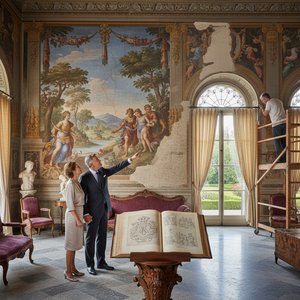
पारिवारिक विरासत का संरक्षण: भित्ति कला के माध्यम से पीढ़ीगत मूल्यों की अभिव्यक्ति
पारिवारिक विरासत को भित्ति कला के माध्यम से संरक्षित करें। फ्रेस्को तकनीक, राजस्थान की शैलियों और पीढ़ीगत मूल्यों का सुंदर प्रकटीकरण। विशेषज्ञ मार्गदर्शन प्राप्त करें।

दीवारों में बसती भावनाएं: आंतरिक भित्तिचित्रों की भावनात्मक शक्ति और कलात्मक विरासत (Diwaron Mein Basati Bhavnayein: Aantrik Bhittichitron Ki Bhaavanaatmak Shakti Aur Kalatmak Viraasat)
आंतरिक भित्तिचित्रों की भावनात्मक शक्ति और कलात्मक विरासत पर विशेषज्ञ मार्गदर्शन। भारतीय संस्कृति, डिज़ाइन सिद्धांतों और संरक्षण तकनीकों के बारे में जानें। अपने घर को जीवंत बनाएं!

The Enduring Legacy of Fresco: Technique, History & Artistic Expression
Explore the rich history & enduring artistry of fresco painting. Discover techniques from Giotto to Michelangelo, conservation efforts, & modern applications. Learn how OriginalUniqueArt brings this timeless art form to your home.
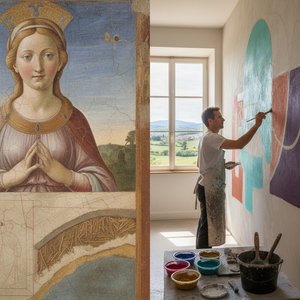
The Enduring Legacy of Fresco Painting: Techniques, History & Contemporary Relevance
Explore the rich history & enduring artistry of fresco painting – from Giotto to Michelangelo! Discover techniques, conservation efforts, & modern applications. Learn how OriginalUniqueArt brings this timeless art form to your home.
