
 पूर्वावलोकन देखें
 साझा करें
 साझा करें
 विस्तृत विवरण
 मार्गदर्शिका

 डाउनलोड करें
 समान वस्तुएं
 एक्स-रे
 स्लाइड शो देखें
 प्रश्न और उत्तर
 आंकड़े
Bust of a young Boy

- 59.0 x 48.0 cm


 पूरा देखें
इस पृष्ठ पर प्रदर्शित कलाकृति कॉपीराइट कानून द्वारा संरक्षित है, जिसका अर्थ है कि हम कानूनी रूप से इसकी हूबहू प्रतिलिपि बनाने या बेचने का अधिकार नहीं रखते हैं। यह संरक्षण अंतर्राष्ट्रीय समझौतों के तहत लागू किया जाता है, जैसे कि बर्न कन्वेंशन और राष्ट्रीय कानूनों द्वारा, जिनमें % द्वारा निर्धारित कानून भी शामिल हैं। अमेरिकी कॉपीराइट कानून - शीर्षक 17।
यह विधि कॉपीराइट नियमों का पूरी तरह से पालन करती है क्योंकि इसमें संरक्षित कलाकृति की नकल या प्रतिलिपि बनाना शामिल नहीं है। इसके बजाय, यह एक रचनात्मक पुनर्व्याख्या है - एक ऐसी नई पेंटिंग जो मूल कृति से प्रेरित तो है, लेकिन उसके समान नहीं है।
गिक्ली / आर्ट प्रिंट
तेज़ उत्पादन और विभिन्न फिनिश विकल्पों के साथ म्यूजियम-क्वालिटी गिकली (giclée) या कैनवस प्रिंट। ( इस संग्रहणीय वस्तु की हाथ से बनी प्रतिकृति मंगवाएं डिजिटल इमेज पर स्विच करें)




P118B ₹10

P118H ₹10

P118W ₹10

P438Z ₹10

P508JH ₹12

P508YH ₹12

P805H ₹10

P805Z ₹10

P919BZ ₹10

P919G ₹10

P919XJ ₹10

P959ZH ₹10

P968JZ ₹12

W106C ₹8

W218G ₹10

W218JH ₹8

W218Y ₹10

W307PJ ₹10

W316G ₹10

W316PJ ₹8

W316Y ₹10

W398PJ ₹8

W4111J ₹10

W500HY ₹15

W500JH ₹15

W692G ₹12

W849H ₹8

W940BG ₹15

W953PJ ₹8




कलाकृति के मूल अनुपात से मेल खाने वाले हमारे पूर्व निर्धारित आकारों में से चुनें।

अपने फ्रेम या अपनी दीवार के अनुसार आवश्यक चौड़ाई और ऊंचाई दर्ज करें। प्रिंट को केवल काटा जा सकता है, चित्र से बड़ा कभी नहीं बनाया जा सकता, इसलिए अलग आकार का साइज चित्र का एक हिस्सा खो देता है। किसी भी चीज़ को प्रिंट करने से पहले हम आपकी स्वीकृति के लिए आपको एक डिजिटल मॉकअप भेजते हैं। इस पृष्ठ पर दिखाया गया चित्र वास्तविक कटिंग नहीं दिखाता है — केवल मॉकअप ही इसे दर्शाता है।
विश्वव्यापी डिलीवरी (), मानक 4/5 सप्ताह के बजाय मात्र 2 सप्ताह में। (5 नवमबर)

दुनिया भर में मुफ़्त एक्सप्रेस शिपिंग

उच्च गुणवत्ता वाला लिनेन कैनवास

पूर्ण शिपिंग बीमा

सीमा शुल्क और आयात कर वापसी की गारंटी

सटीक रंग मिलान की गारंटी

100 दिनों की वापसी नीति (केवल दोष होने पर)

100% पैसे वापसी की गारंटी

थोक छूट का अवसर
 ग्लास का विकल्प केवल 110 सेमी से कम आकार में ही उपलब्ध है।

Bust of a young Boy
गिक्ली / आर्ट प्रिंट
प्रतिकृति का आकार
-


कुल देय राशि
₹ 7814
A Portrait of Quietude: Mario Sironi's "Bust of a Young Boy" (1925)
Mario Sironi’s “Bust of a Young Boy,” painted in 1925, is more than just a portrait; it’s a profound meditation on solitude and the weight of unspoken emotion. This striking work, measuring 59 x 48 cm, immediately draws the viewer into its melancholic atmosphere through a masterful deployment of color and texture that speaks directly to the tenets of Post-Impressionism and foreshadows the burgeoning Expressionist movement. The painting’s power resides in its ability to evoke a sense of quiet introspection, inviting contemplation on themes of vulnerability and perhaps even a subtle sadness.
Technique and Style: A Gestural Embrace
- Oil Paint & Palette Knife: Sironi’s technique is characterized by bold, gestural brushstrokes – or, more accurately, the application of paint with a palette knife. This creates a remarkably textured surface, denying any illusion of smooth perfection and emphasizing the artist's deliberate engagement with the medium.
- Reduced Forms & Flattened Perspective: The figure’s features are simplified and abstracted, prioritizing volume and form through color and texture over meticulous realism. The flattened perspective further contributes to this dreamlike quality, eliminating traditional depth cues and intensifying the emotional impact.
- Warm Earth Tones: Dominated by warm, earthy tones – ochres, browns, and muted reds – the palette reinforces the painting’s somber mood, creating a sense of intimacy and drawing the viewer into the subject's private world.
Historical Context & Influences: From Divisionism to Emotional Intensity
Sironi’s artistic journey reflects the shifting landscape of Italian art in the early 20th century. Initially influenced by Divisionism, a technique that sought to capture light through separated colors – evident in works like “The Student” – he briefly flirted with Futurism around 1914 before rejecting its emphasis on dynamism and embracing a more introspective approach. The painting’s creation occurred after World War I, a period of profound disillusionment and societal upheaval that undoubtedly shaped Sironi's artistic vision. This post-war sensibility is palpable in the work’s emotional intensity – a deliberate departure from objective observation towards conveying subjective experience.
Symbolism & Emotional Resonance: A Portrait of Vulnerability
The subject’s downcast gaze and downturned mouth immediately communicate a sense of melancholy, inviting viewers to consider the weight of unspoken thoughts. The muted colors and expressionless face could be interpreted as representing vulnerability or quiet contemplation – a poignant symbol of human fragility in the face of life's uncertainties. Sironi skillfully avoids overt narrative, allowing the viewer to project their own emotions and interpretations onto the image, thereby amplifying its emotional resonance.
A Statement Piece for Your Collection
This hand-painted reproduction captures the essence of Sironi’s masterpiece, offering a timeless work of art that will undoubtedly become a focal point in any interior space. Its evocative style and profound symbolism make it an ideal addition to discerning collections and a source of inspiration for those seeking to infuse their surroundings with quiet contemplation and emotional depth.
प्रश्न और उत्तर
मारियो सिरोनी द्वारा "Bust of a young Boy" किस कला आंदोलन और किस युग का हिस्सा है?
"Bust of a young Boy" Expressionism आंदोलन की एक कृति है, और इसके रचनाकार ने आधुनिक युग युग में कार्य किया था।
"Bust of a young Boy" में क्या दर्शाया गया है?
"Bust of a young Boy" के विषय portrait, melancholy, solitude, introspection, earth tones, expressionism, young figure हैं।
मारियो सिरोनी द्वारा "Bust of a young Boy", Expressionism को कलाकार के गृह देश से किस प्रकार जोड़ता है?
"Bust of a young Boy" अपने रचनाकार के जन्मस्थान के माध्यम से Expressionism आंदोलन को इटली से जोड़ता है।
कलाकार की जीवनी
मारियो सिरोनी: आधुनिक इतालवी कला का एक जीवन
मारियो सिरोनी, जिनका जन्म 12 मई, 1885 को सार्डिनिया के सासाड़ी में हुआ था, आधुनिक इतालवी कला जगत में एक महत्वपूर्ण नाम हैं। उनके पिता इंजीनियर थे, लेकिन उनकी माँ के नाना, इग्नाज़ियो विला, एक सम्मानित वास्तुकार और मूर्तिकार थे, जिन्होंने उन्हें शुरुआती कलात्मक प्रेरणा दी। सिरोनी ने शुरू में रोम विश्वविद्यालय में इंजीनियरिंग की पढ़ाई की, लेकिन 1903 में एक तंत्रिका संबंधी समस्या के कारण उन्होंने इसे छोड़ दिया। यह उनके जीवन का एक निर्णायक मोड़ था, जिसके बाद उन्होंने कला के प्रति अपना ध्यान केंद्रित किया। उन्होंने औपचारिक कला प्रशिक्षण रोमा के अकादेमिया डि बेले आर्ती के स्कुओला लिबेरा डेल नुडो में शुरू किया, जहाँ उनकी पहली महत्वपूर्ण शिक्षिका जियाकोमो बल्ला थीं।कलात्मक विकास और प्रभाव
सिरोनी की शुरुआती रचनाएँ विभाजनवाद से गहराई से प्रभावित थीं, जो एक ऐसी तकनीक थी जिसमें चमक पैदा करने के लिए अलग-अलग रंगों पर जोर दिया जाता था – “द स्टूडेंट” जैसे कार्यों में इसका स्पष्ट उदाहरण मिलता है। लगभग 1914 के आसपास उन्होंने संक्षेप में भविष्यवाद के साथ प्रयोग किया और रोम के गैलेरिया स्प्रोवेरी में प्रदर्शन भी किया, लेकिन वे जल्द ही इसकी गति और गतिशील फोकस से आगे निकल गए। प्रथम विश्व युद्ध के बाद एक महत्वपूर्ण बदलाव आया, जिसके परिणामस्वरूप उनकी शैली विशाल, स्थिर रूपों और ज्यामितीय आकृतियों द्वारा चिह्नित हुई। यह परिवर्तन उनके युद्धकालीन अनुभवों और बढ़ती एकाकी भावना से प्रभावित था। जियाकोमो बल्ला (प्रारंभिक प्रशिक्षण), जियोर्जियो डी चिरिको और कार्लो कारा (मेटाफिजिकल पेंटिंग का रूप पर प्रभाव) और नव-शास्त्रीयता और आदिम शास्त्रीयता के तत्वों सहित कई प्रमुख प्रभावों ने उनके कलात्मक विकास को आकार दिया।नोवेसेन्टो इटालियानो और परिपक्व शैली
1922 में, सिरोनी नोवेसेन्टो इटालियानो आंदोलन के संस्थापक सदस्यों में से एक बने – यह युद्धोत्तर यूरोपीय कला में व्यवस्था की वापसी थी, जो स्पष्टता और परंपरा पर जोर देती थी। उनकी परिपक्व शैली निम्नलिखित विशेषताओं द्वारा चिह्नित है:- ज्यामितीय आकृतियों और सरलीकृत रूपों पर जोर।
- बाद के कार्यों में जानबूझकर अनाड़ी सौंदर्यशास्त्र।
- एकाकीपन, अलगाव और मानव स्थिति के विषय।
- औद्योगिक परिदृश्यों और श्रमिक वर्ग के जीवन की खोज।
राजनीतिक संबद्धता और बाद का जीवन
सिरोनी बेनितो मुसोलिनी के समर्थक थे और उन्होंने फासीवादी प्रकाशनों में व्यापक योगदान दिया, जिसमें 1700 से अधिक कार्टून शामिल थे। उनका मानना था कि कला और वास्तुकला को एकीकृत किया जाना चाहिए, सार्वजनिक स्थानों के लिए स्मारकीय कार्य बनाए जाने चाहिए – जो फासीवादी शासन के आदर्शों को दर्शाते हैं। द्वितीय विश्व युद्ध के बाद, फासीवाद के साथ उनके जुड़ाव के कारण उनकी लोकप्रियता और आलोचनात्मक प्रशंसा में गिरावट आई। उन्होंने अपेक्षाकृत एकांत में चित्रकला करना जारी रखते हुए सार्वजनिक जीवन से काफी हद तक किनारा कर लिया था।प्रमुख उपलब्धियाँ और ऐतिहासिक महत्व
सिरोनी का कार्य इतालवी आधुनिकतावाद में एक महत्वपूर्ण योगदान का प्रतिनिधित्व करता है, जो भविष्यवाद और बाद के कलात्मक विकासों के बीच की खाई को पाटता है। एकाकीपन और अलगाव जैसे विषयों की उनकी खोज ने 20 वीं सदी की चिंताओं को प्रतिध्वनित किया। उनकी राजनीतिक संबद्धताओं से जुड़े विवादों के बावजूद, उनकी कला को अंतरराष्ट्रीय स्तर पर प्रमुख प्रदर्शनियों में प्रदर्शित किया गया है, जिसमें सेंटर जॉर्जेस पोम्पिडौ (1981) और रॉयल एकेडमी, लंदन (1989) शामिल हैं। 13 अगस्त, 1961 को मिलान में उनका निधन हो गया। उनकी विरासत उनकी अनूठी शैलीगत संश्लेषण और तेजी से बदलती दुनिया के भीतर मानव स्थिति के शक्तिशाली चित्रण में निहित है। उन्होंने इतालवी कला पर एक अमिट छाप छोड़ी, जो आज भी कलाकारों और कला प्रेमियों को प्रेरित करती है। उनकी रचनाएँ मानवीय अनुभव की जटिलताओं का गहन अन्वेषण हैं, जो उन्हें आधुनिक कला इतिहास में एक महत्वपूर्ण व्यक्ति बनाती हैं।
मारियो सिरोनी
1885 - 1961 , इटली
प्रमुख तथ्य
- कला आंदोलन/शैली: नोवेसेन्टो इटैलियानो, आधुनिकतावाद
- जन्म तिथि: 12 मई 1885
- जन्म स्थान: सासारि, इटली
- पूरा नाम: मारियो सिरोनी
- प्रभावित कलाकार:
- गियाकोमो बल्ला
- जियोर्जियो डी चिरिको
- प्रमुख कलाकृतियाँ:
- ला लैम्पाडा
- वेनरे
- सोलिट्यूड
- मृत्यु तिथि: 13 अगस्त 1961
- राष्ट्रीयता: इतालवी
संबंधित लेख

इंप्रेशनिज्म बनाम पोस्ट-इंप्रेशनिज्म: प्रकाश और भावनाओं की कलात्मक क्रांति का एक भव्य विश्लेषण
इंप्रेशनिज्म और पोस्ट-इंप्रेशनिज्म के बीच के अंतर को समझें। प्रकाश की क्षणभंगुर सुंदरता से लेकर गहरी भावनाओं तक, कला इतिहास के इस महान क्रांतिकारी युग का विशेषज्ञ विश्लेषण। OriginalUniqueArt के साथ क्लासिक मास्टरपीस की भव्यता और कलात्मक बारीकियों का अनुभव करें।
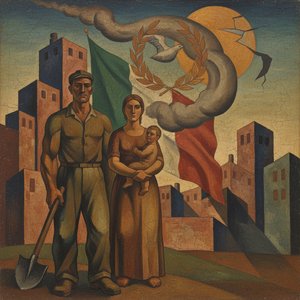
Mario Sironi: A Poetic of Modern Italian Identity Through Symbolism & Social Commentary
Explore the profound works of Mario Sironi, a key figure in Italian Modernism. Discover his evolution from Futurism to Metaphysical painting and his powerful social commentary. Learn about his legacy at OriginalUniqueArt.
Beyond Impressionism: Exploring the Emotional Depth of Post-Impressionist Painting
Explore the profound emotional depth & innovative techniques of Post-Impressionism with OriginalUniqueArt. Discover Cézanne, Van Gogh, Gauguin & more – and their lasting impact on modern art.
पोस्ट-इंप्रेशनिज्म: दस उत्कृष्ट कृतियाँ जिन्होंने कला को परिभाषित किया | OriginalUniqueArt
पोस्ट-इंप्रेशनिज्म की 10 उत्कृष्ट कृतियाँ जानें! वान गाग, सेज़ान और गौगुइन जैसे कलाकारों के अद्भुत कार्यों का अन्वेषण करें। कला इतिहास, रंग और प्रेरणादायक डिज़ाइन खोजें। OriginalUniqueArt.com पर पूरा संग्रह देखें!

प्रकाश और रंग से परे: विवेकी संग्राहक के लिए प्रभाववाद बनाम उत्तर-प्रभाववाद
प्रभाववाद और उत्तर-प्रभाववाद कला में निवेश के अवसरों का अन्वेषण करें। OriginalUniqueArt.com पर उच्च गुणवत्ता वाले पुनरुत्पादन, विशेषज्ञ परामर्श और विवेकी संग्राहकों के लिए अद्वितीय संग्रह खोजें।
