

 पूर्वावलोकन देखें
 साझा करें
 साझा करें
 विस्तृत विवरण

 डाउनलोड करें
 समान कलाकृतियाँ
 एक्स-रे
 स्लाइड शो देखें
 आंकड़े
Rotating glass plate (optical precision)

 पूरा देखें
गिक्ली / आर्ट प्रिंट
तेज़ उत्पादन और विभिन्न फिनिश विकल्पों के साथ म्यूजियम-क्वालिटी गिकली (giclée) या कैनवस प्रिंट। ( हाथ से बनी पेंटिंग खरीदें डिजिटल इमेज पर स्विच करें)




































कलाकृति के मूल अनुपात से मेल खाने वाले हमारे पूर्व निर्धारित आकारों में से चुनें।

आप किसी विशिष्ट फ्रेम या स्थान के अनुसार अपने स्वयं के आयाम (dimensions) दर्ज कर सकते हैं। यदि आपके द्वारा चुना गया आकार मूल छवि के अनुपात से मेल नहीं खाता है, तो हम कलाकृति को क्रॉप कर देंगे या मिरर किए गए या सॉलिड-फिल किनारे के साथ छवि का विस्तार करेंगे। उत्पादन शुरू होने से पहले आपकी स्वीकृति के लिए एक डिजिटल मॉकअप भेजा जाएगा।
कृपया ध्यान दें कि स्क्रीन पर दिखने वाला प्रीव्यू वास्तविक क्रॉपिंग या विस्तार को नहीं दर्शाता है। केवल मॉकअप ही अंतिम संरचना को सटीक रूप से दिखाएगा।
हालाँकि कस्टम आकार उपलब्ध हैं, फिर भी हम मूल अनुपात बनाए रखने के लिए पूर्व-निर्धारित सूची में से एक आयाम चुनने की सलाह देते हैं।
विश्वव्यापी डिलीवरी (), मानक 4/5 सप्ताह के बजाय मात्र 2 सप्ताह में। (9 सितमबर)

दुनिया भर में मुफ़्त एक्सप्रेस शिपिंग

उच्च गुणवत्ता वाला लिनेन कैनवास

पूर्ण शिपिंग बीमा

सीमा शुल्क और आयात कर वापसी की गारंटी

सटीक रंग मिलान की गारंटी

100-दिन की वापसी नीति (केवल दोषपूर्ण होने पर)

100% पैसे वापसी की गारंटी

थोक छूट का लाभ
 ग्लास का विकल्प केवल 110 सेमी से कम आकार में ही उपलब्ध है।

Rotating glass plate (optical precision)
गिक्ली / आर्ट प्रिंट
प्रतिकृति का आकार
-


कुल देय राशि
$ 80
A Mechanical Illusion of Movement: Marcel Duchamp’s Rotating Glass Plate
Marcel Duchamp's "Rotating Glass Plate (Optical Precision)" stands as a cornerstone of Conceptual Art, challenging conventional notions of artistic creation and prompting viewers to reconsider the very essence of perception. Created in 1920, this deceptively simple sculpture—a painted demisphere mounted on a velvet-covered disk and driven by an electric motor—represents more than just a mechanical device; it embodies Duchamp’s profound interrogation of visual experience.
- Historical Context: Emerging from the Dada movement, Duchamp rejected artistic dogma and embraced chance and absurdity as creative forces. “Rotating Glass Plate” arrived at a time when artists were grappling with new ways to express ideas beyond representational imagery, marking a decisive break from traditional aesthetics.
- Materials & Technique: Constructed primarily of painted glass and iron, the piece utilizes meticulous craftsmanship combined with conceptual daring. The delicate balance between static form (the demisphere) and dynamic motion (the rotating disk) underscores Duchamp’s fascination with industrial processes and their potential to generate unexpected visual effects.
- Optical Illusion & Symbolism: At its core, “Rotating Glass Plate” exploits the human eye's tendency to perceive movement where none exists. The concentric circles on the glass plate create a mesmerizing illusion of pulsation—a subtle reminder that reality itself is often subjective and constructed by our senses. Duchamp’s choice of words engraved on the copper collar – *Rrose Sélavy et moi esquivons les ecchymoses des esquimaux aux mots exquis* (“Rrose Sélavy and I dodge the Eskimos’ bruises with exquisite words”)—further amplifies this thematic exploration, referencing a persona created by Duchamp to question authorship and artistic identity.
- Gallery Label Insight: The Yale University Art Gallery's description highlights the significance of photographing the artwork in motion, emphasizing that it was documented by Man Ray. This visual record underscores Duchamp’s intention to disrupt established conventions and invite viewers into a dialogue about how art communicates its ideas.
Detailed Examination: Composition & Form
The sculpture's triangular easel provides stability while simultaneously directing the viewer's gaze towards the central element—the rotating glass plate. The careful arrangement of components contributes to a sense of balance and symmetry, despite the inherent complexity of the machine. From a slightly elevated perspective, one observes the entirety of the apparatus with clarity, allowing for an appreciation of its geometric precision.
A Dialogue With Dada & Conceptual Art
"Rotating Glass Plate" firmly establishes Duchamp as a pioneer of Conceptual Art, rejecting representational painting in favor of exploring ideas and challenging artistic conventions. Like his seminal work “Fountain,” it exemplifies the Dada movement’s rejection of accepted artistic standards and its embrace of chance and provocation—a legacy that continues to inspire artists today.
Beyond Aesthetics: Exploring Perception
Ultimately, Duchamp's masterpiece compels us to contemplate how we perceive the world around us. “Rotating Glass Plate” isn’t merely a beautiful object; it’s an invitation to question what constitutes art and to consider the role of intellect in artistic expression—a timeless contribution to the history of modern art.
कलाकार का जीवन परिचय
मार्सेल डुशांप: कला के पारंपरिक विचारों को चुनौती देने वाला एक क्रांतिकारी
मार्सेल डुशांप, जिनका जन्म हेनरी-रॉबर्ट-मार्सेल डुशांप 1887 में ब्लैनविले-सुर-मर्, नॉर्मंडी, फ्रांस में हुआ था, सिर्फ एक कलाकार ही नहीं थे; वे एक दार्शनिक उत्तेजक थे जिन्होंने आधुनिक कला के पाठ्यक्रम को मौलिक रूप से बदल दिया। उनका प्रारंभिक जीवन, जो प्रतीत होता है कि पारंपरिक है - उनकी दोनों भाइयों ने सफल कलाकारों के रूप में करियर बनाया - आने वाले विध्वंस का संकेत देता था। डुशांप ने शुरू में औपचारिक प्रशिक्षण लिया, पारंपरिक तकनीकों में महारत हासिल की और पोस्ट-इंप्रेशनिस्ट शैलियों के साथ प्रयोग किया। हालाँकि, यह अकादमिक नींव अपने आप में एक अंत नहीं थी, बल्कि कला की प्रकृति, इसके उद्देश्य और इसकी परिभाषा पर सवाल उठाने के लिए एक शुरुआती बिंदु थी। वह दुनिया को चित्रित करने से संतुष्ट नहीं थे; उन्होंने चुनौती दी कि हम इसे कैसे देखते हैं, और कलात्मक मूल्य क्या है। उनकी यह बेचैन बौद्धिक जिज्ञासा उनके विपुल करियर की परिभाषित विशेषता बन जाएगी।क्यूबिज्म से दादावाद: परंपरा का त्याग
डुशांप की कलात्मक यात्रा निरंतर विकास के साथ चिह्नित थी, स्थापित मानदंडों को जानबूझकर त्यागने के साथ। क्यूबिज्म के साथ उनका प्रारंभिक जुड़ाव, *चेस प्लेयर्स का चित्र* (1911) में स्पष्ट है, जो खंडित रूपों और कई दृष्टिकोणों में रुचि दर्शाता है - पारंपरिक प्रतिनिधित्व से एक प्रस्थान। हालाँकि, उन्होंने जल्द ही विशुद्ध रूप से सौंदर्य संबंधी चिंताओं से आगे बढ़ गए, यह महसूस करते हुए कि केवल दृश्य तत्वों को पुनर्व्यवस्थित करना गहरे सवालों का समाधान करने के लिए पर्याप्त नहीं था। प्रथम विश्व युद्ध की भयावहता ने इस असंतोष को बढ़ावा दिया, जिससे डुशांप दादावाद को अपनाने के लिए प्रेरित हुआ, एक आंदोलन जो निराशा और तर्क, कारण और पारंपरिक कलात्मक मूल्यों के अस्वीकरण से पैदा हुआ था। दादावादी ढांचे के भीतर ही डुशांप ने वास्तव में कला की पारंपरिक धारणाओं को ध्वस्त करना शुरू कर दिया। वह सुंदर वस्तुओं का निर्माण करने में रुचि नहीं रखते थे; वे विचारोत्तेजक करना चाहते थे, मान्यताओं को चुनौती देना चाहते थे और सौंदर्य संबंधी निर्णय की मनमानी को उजागर करना चाहते थे। इस अवधि ने उनका सबसे कट्टरपंथी नवाचार देखा: 'रेडीमेड'।रेडीमेड्स और कला के विघटन
रेडीमेड्स - चयनित और कला के रूप में प्रस्तुत साधारण निर्मित वस्तुएं - 20वीं सदी में डुशांप का सबसे महत्वपूर्ण योगदान था। ये केवल पाई गई वस्तुएँ नहीं थीं; वे कलात्मक विघटन के जानबूझकर किए गए कार्य थे। एक रोजमर्रा की वस्तु, जैसे कि एक मूत्रालय (*फౌंटेन*, 1917), को "आर. मट" नाम से हस्ताक्षर करके और इसे कला प्रदर्शनी में प्रस्तुत करके, डुशांप कलात्मक कौशल और लेखकत्व की बहुत परिभाषा को चुनौती दी। क्या काम कलाकार के हाथ का निर्माण था, या कलाकार का *विचार*? यह सवाल उनके अभ्यास के केंद्र में आ गया और इसने अवधारणात्मक कला के लिए मार्ग प्रशस्त किया। अन्य उल्लेखनीय रेडीमेड्स जैसे कि *एल.एच.ओ.ओ.क्यू.* (1919), मोना लिसा की एक पोस्टकार्ड प्रतिकृति जिसे मूंछ और दाढ़ी से विकृत किया गया था, कला इतिहास और स्थापित सांस्कृतिक प्रतीकों की चंचल लेकिन तीखी आलोचना थी। ये काम अपनी सौंदर्य गुणवत्ता के लिए सराहनीय होने का इरादा नहीं था; वे दर्शकों को उनके पूर्वकल्पित विचारों पर पुनर्विचार करने के लिए प्रेरित करने के उद्देश्य से थे कि क्या कला है। डुशांप का मानना था कि कला मन में होनी चाहिए, केवल आँख में नहीं।विरासत और स्थायी प्रभाव
मार्सेल डुशांप का बाद की पीढ़ियों के कलाकारों पर प्रभाव असीम है। उन्होंने हमारी कला की समझ को मौलिक रूप से बदल दिया, अवधारणात्मक कला, न्यूनतमवाद, पॉप आर्ट और अनगिनत अन्य जैसे आंदोलनों के लिए मार्ग प्रशस्त किया। कलाकार के विचार - काम के पीछे की अवधारणा - उसकी सौंदर्य गुणवत्ता से अधिक पर जोर देना आज भी कलाकारों को प्रेरित करता रहता है।- क्यूबिज्म: खंडित रूपों और स्थानिक प्रतिनिधित्व की प्रारंभिक खोज।
- दादावाद: प्रथम विश्व युद्ध के जवाब में तर्क, कारण और पारंपरिक कलात्मक मूल्यों का अस्वीकरण।
- अवधारणात्मक कला: कलाकृति की सौंदर्य गुणवत्ता के बजाय इसके पीछे के विचार पर जोर।

मार्सेल डुशाँ
1887 - 1968 , फ्रांस
मुख्य तथ्य
- कलात्मक शैली:
- घनवाद
- डाडाइज़्म
- संकल्पनात्मक कला
- जन्म तिथि: 28 जुलाई 1887
- जन्म स्थान: ब्लेनविले-सुर-मर्, फ्रांस
- पूरा नाम: मार्सल डुशाम्प
- प्रभावित आंदोलन:
- संकल्पनात्मक कला
- पॉप आर्ट
- न्यूनतमवाद
- प्रमुख कृतियाँ:
- फव्वारा
- एल.एच.ओ.ओ.क्यू.
- द लार्ज ग्लास
- बोइट-एन-वेलिस
- मृत्यु तिथि: 2 अक्टूबर 1968
- राष्ट्रीयता: फ्रांसीसी-अमेरिकी
संबंधित लेख

Mind-Bending Masterpieces: A Visual Journey Through the World's Most Captivating Optical Illusion Artworks
Embark on a visual journey through history's most captivating optical illusions. From Trompe l'oeil to Op Art, explore the masterpieces that challenge perception and redefine reality in the world of fine art.
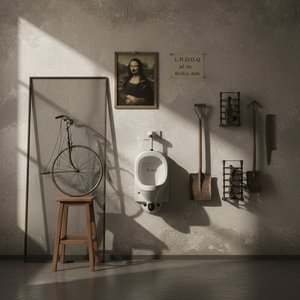
Marcel Duchamp: Challenging Conventions & Redefining Art in the 20th Century
Explore the revolutionary art of Marcel Duchamp! Discover how his Dadaist readymades challenged artistic conventions & redefined modern art. A deep dive into 'Fountain', conceptual shifts, and his lasting impact.

Dadaism Explained: The Anti-Art Movement That Redefined Modernity
Explore the radical origins of Dadaism. From the chaos of WWI to Marcel Duchamp's revolutionary readymades, discover how this anti-art movement dismantled tradition and birthed modern conceptual art. An essential guide for students and collectors of fine art history.

Beyond Representation: Conceptual Art & the Enduring Legacy of Ideas
Explore the profound impact of Conceptual Art with OriginalUniqueArt. Discover its history, key artists like Duchamp & Kosuth, and learn how to collect this influential movement. Expert insights for discerning art collectors.
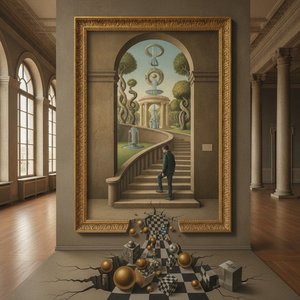
Captivating the Eye: The Sublime Mastery of Trompe l'œil and Optical Illusion Artworks
Embark on a sensory journey through the captivating realm of optical illusion art. Explore the mastery of Trompe l'œil and the luminous textures of Impressionist illusions. Discover museum-quality, hand-painted reproductions curated for the discerning collector.


