

 भेजें
भेजें साझा करें
 विवरण देखें
 मार्गदर्शिका

 डाउनलोड करें
 समान वस्तुएं
 स्लाइड शो देखें
 आंकड़े
Paris Air


 और पढ़ें
इस पृष्ठ पर प्रदर्शित कलाकृति कॉपीराइट कानून द्वारा संरक्षित है, जिसका अर्थ है कि हम कानूनी रूप से इसकी हूबहू प्रतिलिपि बनाने या बेचने का अधिकार नहीं रखते हैं। यह संरक्षण अंतर्राष्ट्रीय समझौतों के तहत लागू किया जाता है, जैसे कि बर्न कन्वेंशन और राष्ट्रीय कानूनों द्वारा, जिनमें % द्वारा निर्धारित कानून भी शामिल हैं। अमेरिकी कॉपीराइट कानून - शीर्षक 17।
यह विधि कॉपीराइट नियमों का पूरी तरह से पालन करती है क्योंकि इसमें संरक्षित कलाकृति की नकल या प्रतिलिपि बनाना शामिल नहीं है। इसके बजाय, यह एक रचनात्मक पुनर्व्याख्या है - एक ऐसी नई पेंटिंग जो मूल कृति से प्रेरित तो है, लेकिन उसके समान नहीं है।
गिक्ली / आर्ट प्रिंट
तेज़ उत्पादन और विभिन्न फिनिश विकल्पों के साथ म्यूजियम-क्वालिटी गिकली (giclée) या कैनवस प्रिंट। ( हाथ से बनी पेंटिंग खरीदें डिजिटल इमेज पर जाएँ)




































कलाकृति के मूल अनुपात से मेल खाने वाले हमारे पूर्व निर्धारित आकारों में से चुनें।

अपने फ्रेम या अपनी दीवार के अनुसार आवश्यक चौड़ाई और ऊंचाई दर्ज करें। प्रिंट को केवल काटा जा सकता है, चित्र से बड़ा कभी नहीं बनाया जा सकता, इसलिए अलग आकार का साइज चित्र का एक हिस्सा खो देता है। किसी भी चीज़ को प्रिंट करने से पहले हम आपकी स्वीकृति के लिए आपको एक डिजिटल मॉकअप भेजते हैं। इस पृष्ठ पर दिखाया गया चित्र वास्तविक कटिंग नहीं दिखाता है — केवल मॉकअप ही इसे दर्शाता है।
विश्वव्यापी डिलीवरी (), मानक 4/5 सप्ताह के बजाय मात्र 2 सप्ताह में। (22 अक्टूबर)

दुनिया भर में मुफ़्त एक्सप्रेस शिपिंग

प्रीमियम ग्रेड लिनेन कैनवास

पूर्ण शिपिंग बीमा

सीमा शुल्क और आयात कर वापसी की गारंटी

सटीक रंग मिलान की गारंटी

100 दिनों की वापसी नीति (केवल निर्माण दोष होने पर)

100% पैसे वापसी की गारंटी

थोक छूट का अवसर
 ग्लास का विकल्प केवल 110 सेमी से कम आकार में ही उपलब्ध है।

Paris Air
गिक्ली / आर्ट प्रिंट
प्रतिकृति का आकार
-


कुल मूल्य
₹ 7653
A Breath of Parisian Air: Duchamp’s Conceptual Sculpture
Marcel Duchamp's *Paris Air* (1919) isn’t merely a glass ampoule; it’s an audacious provocation, a distilled moment captured in fragile form. This readymade, born from a seemingly simple souvenir purchased by the artist during his time in Paris, embodies the core tenets of Dadaism and challenges our very understanding of art's definition. Duchamp, ever the iconoclast, took a commonplace object – an empty apothecary vial – and imbued it with profound philosophical weight. He emptied it of its original contents, a physiological serum, and then meticulously refilled it with air from Paris itself, sealing it within the glass as a tangible memory. The resulting sculpture isn’t about beauty or craftsmanship in the traditional sense; instead, it's an exploration of value, perception, and the ephemeral nature of experience. Duchamp deliberately stripped away any illusion of artistic skill, presenting us with an object that demands we question what constitutes “art” – is it the material itself, the process of creation, or the idea behind it? *Paris Air* forces a confrontation with these questions, inviting viewers to contemplate the inherent absurdity and intellectual rigor at the heart of Dada.The Readymade: A Revolutionary Act
Duchamp’s concept of the “readymade” – an object chosen from everyday life and elevated to the status of art simply by its selection and presentation – was revolutionary for its time. Prior to this, artistic value was inextricably linked to skill, labor, and the artist's hand. Duchamp deliberately circumvented these conventions, asserting that the artist’s role lay in the act of choosing and presenting, rather than in creating something entirely new. *Paris Air* exemplifies this perfectly; it requires no technical expertise to appreciate – its beauty lies not in its form but in its conceptual depth. The deliberate choice of an empty vial, a vessel devoid of inherent artistic merit, is precisely what makes the piece so compelling. It’s a statement about the arbitrary nature of value and a rejection of traditional notions of aesthetic judgment. Duchamp wasn't trying to create something visually stunning; he was creating a thought experiment, a challenge to our assumptions about art and its purpose.A Fragile Memory: Materiality and Symbolism
The physical qualities of *Paris Air* are crucial to understanding its impact. The delicate glass ampoule, now meticulously repaired after an accidental breakage in 1949, embodies the fragility of memory and experience. It’s a tangible reminder that even seemingly solid concepts – like the air itself – can be fleeting and easily disrupted. The inscription “Serum Physiologique” on the vial further complicates the work's meaning, blurring the line between reality and representation. Duchamp knowingly misrepresented the contents, creating an illusion of authenticity while simultaneously undermining it. This deliberate ambiguity is characteristic of Dadaism’s playful rejection of logic and reason. The act of sealing the air within a confined space also speaks to themes of containment, isolation, and the desire to preserve something ephemeral – perhaps even a moment in time or a feeling associated with Paris itself.A Legacy of Conceptual Art
*Paris Air* profoundly influenced the development of conceptual art, paving the way for artists who prioritized ideas over traditional artistic techniques. Its impact can be seen in the work of numerous subsequent generations of artists, including Yves Klein and Joseph Kosuth. Duchamp’s willingness to challenge established norms and embrace absurdity continues to resonate today, reminding us that art doesn't have to conform to conventional expectations. *Paris Air* remains a potent symbol of artistic innovation – a small, unassuming object that holds within it a vast and complex philosophical statement. It is a testament to the power of conceptual thinking and a reminder that sometimes, the most profound works of art are those that defy easy definition. Reproductions of this piece offer a unique opportunity to engage with Duchamp’s radical ideas and experience the intellectual thrill of his groundbreaking work.प्रश्न और उत्तर
Dadaism के भीतर "Paris Air" कितनी लोकप्रिय है?
कैटलॉग में Dadaism कृतियों के बीच "Paris Air" को Iconic के रूप में दर्ज किया गया है।
क्या "Paris Air" के लिए डाउनलोड उपलब्ध है?
मार्सेल डुशाँ द्वारा "Paris Air" को कलाकृति के डाउनलोड करें पेज से एक उच्च-रिज़ॉल्यूशन वाली डिजिटल इमेज डाउनलोड के रूप में डाउनलोड किया जा सकता है।
क्या मार्सेल डुशाँ द्वारा "Paris Air" के रंग जीवंत हैं या हल्के?
मार्सेल डुशाँ द्वारा "Paris Air" को Muted संतृप्ति (saturation) और Monochromatic तीव्रता के साथ रिकॉर्ड किया गया है।
कलाकार का परिचय
मार्सेल डुशांप: कला के पारंपरिक विचारों को चुनौती देने वाला एक क्रांतिकारी
मार्सेल डुशांप, जिनका जन्म हेनरी-रॉबर्ट-मार्सेल डुशांप 1887 में ब्लैनविले-सुर-मर्, नॉर्मंडी, फ्रांस में हुआ था, सिर्फ एक कलाकार ही नहीं थे; वे एक दार्शनिक उत्तेजक थे जिन्होंने आधुनिक कला के पाठ्यक्रम को मौलिक रूप से बदल दिया। उनका प्रारंभिक जीवन, जो प्रतीत होता है कि पारंपरिक है - उनकी दोनों भाइयों ने सफल कलाकारों के रूप में करियर बनाया - आने वाले विध्वंस का संकेत देता था। डुशांप ने शुरू में औपचारिक प्रशिक्षण लिया, पारंपरिक तकनीकों में महारत हासिल की और पोस्ट-इंप्रेशनिस्ट शैलियों के साथ प्रयोग किया। हालाँकि, यह अकादमिक नींव अपने आप में एक अंत नहीं थी, बल्कि कला की प्रकृति, इसके उद्देश्य और इसकी परिभाषा पर सवाल उठाने के लिए एक शुरुआती बिंदु थी। वह दुनिया को चित्रित करने से संतुष्ट नहीं थे; उन्होंने चुनौती दी कि हम इसे कैसे देखते हैं, और कलात्मक मूल्य क्या है। उनकी यह बेचैन बौद्धिक जिज्ञासा उनके विपुल करियर की परिभाषित विशेषता बन जाएगी।क्यूबिज्म से दादावाद: परंपरा का त्याग
डुशांप की कलात्मक यात्रा निरंतर विकास के साथ चिह्नित थी, स्थापित मानदंडों को जानबूझकर त्यागने के साथ। क्यूबिज्म के साथ उनका प्रारंभिक जुड़ाव, *चेस प्लेयर्स का चित्र* (1911) में स्पष्ट है, जो खंडित रूपों और कई दृष्टिकोणों में रुचि दर्शाता है - पारंपरिक प्रतिनिधित्व से एक प्रस्थान। हालाँकि, उन्होंने जल्द ही विशुद्ध रूप से सौंदर्य संबंधी चिंताओं से आगे बढ़ गए, यह महसूस करते हुए कि केवल दृश्य तत्वों को पुनर्व्यवस्थित करना गहरे सवालों का समाधान करने के लिए पर्याप्त नहीं था। प्रथम विश्व युद्ध की भयावहता ने इस असंतोष को बढ़ावा दिया, जिससे डुशांप दादावाद को अपनाने के लिए प्रेरित हुआ, एक आंदोलन जो निराशा और तर्क, कारण और पारंपरिक कलात्मक मूल्यों के अस्वीकरण से पैदा हुआ था। दादावादी ढांचे के भीतर ही डुशांप ने वास्तव में कला की पारंपरिक धारणाओं को ध्वस्त करना शुरू कर दिया। वह सुंदर वस्तुओं का निर्माण करने में रुचि नहीं रखते थे; वे विचारोत्तेजक करना चाहते थे, मान्यताओं को चुनौती देना चाहते थे और सौंदर्य संबंधी निर्णय की मनमानी को उजागर करना चाहते थे। इस अवधि ने उनका सबसे कट्टरपंथी नवाचार देखा: 'रेडीमेड'।रेडीमेड्स और कला के विघटन
रेडीमेड्स - चयनित और कला के रूप में प्रस्तुत साधारण निर्मित वस्तुएं - 20वीं सदी में डुशांप का सबसे महत्वपूर्ण योगदान था। ये केवल पाई गई वस्तुएँ नहीं थीं; वे कलात्मक विघटन के जानबूझकर किए गए कार्य थे। एक रोजमर्रा की वस्तु, जैसे कि एक मूत्रालय (*फౌंटेन*, 1917), को "आर. मट" नाम से हस्ताक्षर करके और इसे कला प्रदर्शनी में प्रस्तुत करके, डुशांप कलात्मक कौशल और लेखकत्व की बहुत परिभाषा को चुनौती दी। क्या काम कलाकार के हाथ का निर्माण था, या कलाकार का *विचार*? यह सवाल उनके अभ्यास के केंद्र में आ गया और इसने अवधारणात्मक कला के लिए मार्ग प्रशस्त किया। अन्य उल्लेखनीय रेडीमेड्स जैसे कि *एल.एच.ओ.ओ.क्यू.* (1919), मोना लिसा की एक पोस्टकार्ड प्रतिकृति जिसे मूंछ और दाढ़ी से विकृत किया गया था, कला इतिहास और स्थापित सांस्कृतिक प्रतीकों की चंचल लेकिन तीखी आलोचना थी। ये काम अपनी सौंदर्य गुणवत्ता के लिए सराहनीय होने का इरादा नहीं था; वे दर्शकों को उनके पूर्वकल्पित विचारों पर पुनर्विचार करने के लिए प्रेरित करने के उद्देश्य से थे कि क्या कला है। डुशांप का मानना था कि कला मन में होनी चाहिए, केवल आँख में नहीं।विरासत और स्थायी प्रभाव
मार्सेल डुशांप का बाद की पीढ़ियों के कलाकारों पर प्रभाव असीम है। उन्होंने हमारी कला की समझ को मौलिक रूप से बदल दिया, अवधारणात्मक कला, न्यूनतमवाद, पॉप आर्ट और अनगिनत अन्य जैसे आंदोलनों के लिए मार्ग प्रशस्त किया। कलाकार के विचार - काम के पीछे की अवधारणा - उसकी सौंदर्य गुणवत्ता से अधिक पर जोर देना आज भी कलाकारों को प्रेरित करता रहता है।- क्यूबिज्म: खंडित रूपों और स्थानिक प्रतिनिधित्व की प्रारंभिक खोज।
- दादावाद: प्रथम विश्व युद्ध के जवाब में तर्क, कारण और पारंपरिक कलात्मक मूल्यों का अस्वीकरण।
- अवधारणात्मक कला: कलाकृति की सौंदर्य गुणवत्ता के बजाय इसके पीछे के विचार पर जोर।
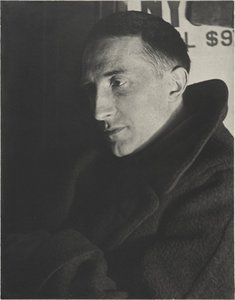
मार्सेल डुशाँ
1887 - 1968 , फ्रांस
संक्षिप्त जानकारी
- कलात्मक शैली:
- घनवाद
- डाडाइज़्म
- संकल्पनात्मक कला
- जन्म तिथि: 28 जुलाई 1887
- जन्म स्थान: ब्लेनविले-सुर-मर्, फ्रांस
- पूरा नाम: मार्सल डुशाम्प
- प्रभावित आंदोलन:
- संकल्पनात्मक कला
- पॉप आर्ट
- न्यूनतमवाद
- प्रमुख कृतियाँ:
- फव्वारा
- एल.एच.ओ.ओ.क्यू.
- द लार्ज ग्लास
- बोइट-एन-वेलिस
- मृत्यु तिथि: 2 अक्टूबर 1968
- राष्ट्रीयता: फ्रांसीसी-अमेरिकी
संबंधित लेखों की सूची
Luminous Masterpieces: The Captivating Beauty and Timeless Elegance of Stained Glass Artworks
Embark on a visual journey through the luminous world of stained glass art. Discover the exquisite craftsmanship, historical significance, and captivating beauty of masterworks from Art Nouveau to the Gothic era, curated for the discerning fine art enthusiast.

Bronze Age to Modern Masters: 10 Sculptures That Redefined Art | OriginalUniqueArt
Journey through art history with 10 legendary bronze sculptures – from Michelangelo's David to Rodin’s Thinker. Explore the stories, techniques & timeless beauty of these masterpieces. Find museum-quality reproductions & elevate your home decor on OriginalUniqueArt.com.

The Enduring Form: Exploring Themes & Techniques in Sculpture Across Historical Periods
Explore the rich history of sculpture from ancient masterpieces to contemporary innovations. Discover key techniques, influential artists & investment potential for discerning art collectors.

The Enduring Form: Sculpture Across History, Technique & Emotional Resonance
Explore the rich history of sculpture with OriginalUniqueArt. Discover key techniques, influential artists & investment potential for discerning collectors. Expert insights into valuing and collecting timeless masterpieces.

Bronze Sculptures That Defined Art History | OriginalUniqueArt
Journey through art history with our Top 10 bronze sculptures! Explore masterpieces by Rodin, Michelangelo & more. Discover stories behind iconic statues and find museum-quality reproductions for your home decor at OriginalUniqueArt.com.


