
 पूर्वावलोकन देखें
 भेजें
भेजें साझा करें
 विवरण देखें
 मार्गदर्शिका

 डाउनलोड करें
 समान वस्तुएं
 एक्स-रे
 स्लाइड शो देखें
 Q&A
Q&A आंकड़े
Chess Game

- 114.0 x 146.0 cm


 और पढ़ें
इस पृष्ठ पर प्रदर्शित कलाकृति कॉपीराइट कानून द्वारा संरक्षित है, जिसका अर्थ है कि हम कानूनी रूप से इसकी हूबहू प्रतिलिपि बनाने या बेचने का अधिकार नहीं रखते हैं। यह संरक्षण अंतर्राष्ट्रीय समझौतों के तहत लागू किया जाता है, जैसे कि बर्न कन्वेंशन और राष्ट्रीय कानूनों द्वारा, जिनमें % द्वारा निर्धारित कानून भी शामिल हैं। अमेरिकी कॉपीराइट कानून - शीर्षक 17।
यह विधि कॉपीराइट नियमों का पूरी तरह से पालन करती है क्योंकि इसमें संरक्षित कलाकृति की नकल या प्रतिलिपि बनाना शामिल नहीं है। इसके बजाय, यह एक रचनात्मक पुनर्व्याख्या है - एक ऐसी नई पेंटिंग जो मूल कृति से प्रेरित तो है, लेकिन उसके समान नहीं है।
गिक्ली / आर्ट प्रिंट
तेज़ उत्पादन और विभिन्न फिनिश विकल्पों के साथ म्यूजियम-क्वालिटी गिकली (giclée) या कैनवस प्रिंट। ( हाथ से बनी पेंटिंग खरीदें डिजिटल इमेज पर जाएँ)




P118B ₹10

P118H ₹10

P118W ₹10

P438Z ₹10

P508JH ₹12

P508YH ₹12

P805H ₹10

P805Z ₹10

P919BZ ₹10

P919G ₹10

P919XJ ₹10

P959ZH ₹10

P968JZ ₹12

W106C ₹8

W218G ₹10

W218JH ₹8

W218Y ₹10

W307PJ ₹10

W316G ₹10

W316PJ ₹8

W316Y ₹10

W398PJ ₹8

W4111J ₹10

W500HY ₹15

W500JH ₹15

W692G ₹12

W849H ₹8

W940BG ₹15

W953PJ ₹8




कलाकृति के मूल अनुपात से मेल खाने वाले हमारे पूर्व निर्धारित आकारों में से चुनें।

अपने फ्रेम या अपनी दीवार के अनुसार आवश्यक चौड़ाई और ऊंचाई दर्ज करें। प्रिंट को केवल काटा जा सकता है, चित्र से बड़ा कभी नहीं बनाया जा सकता, इसलिए अलग आकार का साइज चित्र का एक हिस्सा खो देता है। किसी भी चीज़ को प्रिंट करने से पहले हम आपकी स्वीकृति के लिए आपको एक डिजिटल मॉकअप भेजते हैं। इस पृष्ठ पर दिखाया गया चित्र वास्तविक कटिंग नहीं दिखाता है — केवल मॉकअप ही इसे दर्शाता है।
विश्वव्यापी डिलीवरी (), मानक 4/5 सप्ताह के बजाय मात्र 2 सप्ताह में। (1 नवमबर)

दुनिया भर में मुफ़्त एक्सप्रेस शिपिंग

प्रीमियम ग्रेड लिनेन कैनवास

पूर्ण शिपिंग बीमा

सीमा शुल्क और आयात कर वापसी की गारंटी

सटीक रंग मिलान की गारंटी

100 दिनों की वापसी नीति (केवल निर्माण दोष होने पर)

100% पैसे वापसी की गारंटी

थोक छूट का अवसर
 ग्लास का विकल्प केवल 110 सेमी से कम आकार में ही उपलब्ध है।

Chess Game
गिक्ली / आर्ट प्रिंट
प्रतिकृति का आकार
-


कुल मूल्य
₹ 7708
A Game of Shadows: Marcel Duchamp’s “The Chess Game”
Marcel Duchamp's "The Chess Game," painted in 1910, isn’t merely a depiction of a game; it’s a meticulously crafted tableau of ennui, social constraint, and the burgeoning anxieties of modern life. Housed within the walls of the Philadelphia Museum of Art, this oil on canvas invites viewers into a world where strategic decisions collide with unspoken tensions, all rendered in Duchamp's signature post-impressionist style – a deliberate departure from the naturalistic focus of his predecessors. The painting’s power lies not just in its visual elements but in the complex web of symbolism it weaves, reflecting the intellectual currents of early 20th-century Europe and hinting at Duchamp’s revolutionary approach to art itself.Duchamp's artistic journey leading up to "The Chess Game" was marked by a restless experimentation. Initially drawn to Cubism – evident in his earlier work, *Portrait of Chess Players* – he soon found himself increasingly dissatisfied with the purely formal concerns of the movement. He sought to capture not just the appearance of objects but their underlying essence, their emotional weight. This pursuit led him toward Dadaism and ultimately, Conceptual Art, where the idea behind a work often superseded its physical form. “The Chess Game” embodies this shift, prioritizing atmosphere and psychological suggestion over straightforward representation.
- Post-Impressionist Influence: Duchamp’s use of bold colors – particularly the muted greens and browns that dominate the scene – is characteristic of post-impressionism. However, he employs these colors not to faithfully reproduce reality but to evoke a specific mood: one of quiet desperation and stifled energy.
- Gustave Flaubert's Echoes: The painting’s pervasive sense of boredom and restlessness directly reflects the themes explored by Gustave Flaubert in *Madame Bovary*. Duchamp, deeply influenced by Flaubert’s exploration of female dissatisfaction and the limitations imposed upon women in 19th-century society, uses the chess game as a metaphor for life itself – a strategic battle fought within restrictive social boundaries.
- Brotherly Portraiture: The inclusion of Duchamp's brothers, Raymond and Jacques Villon, alongside their wives, Yvonne and Gaby, is particularly significant. Their postures—hunched over the chessboard, Yvonne reclining languidly on the grass, Gaby nervously fiddling with a tea set—suggest a subtle power dynamic. The exclusion of the women from the game underscores the societal constraints placed upon them at the time, highlighting their limited roles and unspoken frustrations.
The Scene Unfolds: A Garden of Contemplation
The setting itself is crucial to understanding the painting’s emotional impact. It's a meticulously rendered garden scene, yet one devoid of warmth or vitality. The furniture—a table laden with cups, bowls, and spoons—suggests a comfortable domesticity, but it’s juxtaposed against the palpable sense of unease. The chessboard, positioned at the center of the composition, becomes a potent symbol: a battlefield where men engage in intellectual warfare while women are relegated to the periphery. The careful arrangement of objects – the strategically placed cups and bowls, the precise positioning of the chairs – creates a visual rhythm that mirrors the strategic thinking required for success in chess, yet simultaneously underscores the artificiality of the situation.Symbolism and the Chessboard as Metaphor
Beyond its immediate depiction, “The Chess Game” is rich with symbolic meaning. The chessboard itself represents life’s complexities – a series of choices, strategies, and potential outcomes. The players, engrossed in their game, are trapped within this metaphorical landscape, navigating challenges and making decisions that shape their destinies. Duchamp's brothers, as the dominant figures at the table, embody the masculine ideals of the era—intellectual prowess, strategic thinking, and a perceived control over their own lives. The exclusion of the women suggests a critique of patriarchal structures and the limited opportunities available to women in that society. Yvonne’s semi-recumbent position speaks to a sense of passive acceptance, while Gaby's nervous fidgeting hints at suppressed anxieties.Artistic Significance and Reproduction
“The Chess Game” stands as a pivotal work in Duchamp’s artistic development, demonstrating his early experimentation with post-impressionism and foreshadowing his later embrace of Cubism and Conceptual Art. It's a remarkably prescient painting, capturing the anxieties and social tensions of its time while simultaneously anticipating the radical shifts that would transform the art world in the 20th century. OriginalUniqueArt.com offers meticulously crafted oil painting reproductions of this captivating masterpiece, ensuring that every detail—from the subtle nuances of color to the intricate textures of the furniture—is faithfully recreated. These handmade reproductions provide a tangible connection to Duchamp’s revolutionary vision, allowing art enthusiasts and collectors alike to experience the power and beauty of “The Chess Game” in their own homes.- High-Quality Reproduction: Our skilled artists use traditional oil painting techniques to meticulously recreate Duchamp's original work, capturing its unique atmosphere and emotional depth.
- Authentic Materials: We employ only the finest pigments and canvases to ensure that our reproductions are durable and visually stunning.
- A Window into Modernity: Own a piece of art history and gain a deeper understanding of Duchamp’s artistic vision.
Explore more post-impressionist masterpieces and discover the beauty of handmade art at Marcel Duchamp: Chess Game and The Chess Game on OriginalUniqueArt.com.
प्रश्न और उत्तर
मार्सेल डुशाँ के आवर्ती विषयों के बीच "Chess Game" का क्या स्थान है?
मार्सेल डुशाँ के दर्ज विषयों - post-impressionism, flaubert’s ennui, cubist elements, distorted forms, early experimentation, chess game series, dada precursors, exploring modern life - के बीच, "Chess Game" में chess, game, boredom, women, exclusion, flaubert, garden, strategy पर अपना स्वयं का विशेष ध्यान केंद्रित किया गया है।
मार्सेल डुशाँ द्वारा "Chess Game" के लिए किस पुनरुत्पादन (reproduction) आकार का सुझाव दिया गया है?
मार्सेल डुशाँ द्वारा "Chess Game" के लिए अनुशंसित प्रिंट आकार Medium है।
"Chess Game" का प्रारूप क्या है?
मार्सेल डुशाँ द्वारा "Chess Game" एक Landscape रचना है। प्रिंट का आकार चुनने से पहले इसके अनुपात की जांच करना उचित होगा।
कलाकार का परिचय
मार्सेल डुशांप: कला के पारंपरिक विचारों को चुनौती देने वाला एक क्रांतिकारी
मार्सेल डुशांप, जिनका जन्म हेनरी-रॉबर्ट-मार्सेल डुशांप 1887 में ब्लैनविले-सुर-मर्, नॉर्मंडी, फ्रांस में हुआ था, सिर्फ एक कलाकार ही नहीं थे; वे एक दार्शनिक उत्तेजक थे जिन्होंने आधुनिक कला के पाठ्यक्रम को मौलिक रूप से बदल दिया। उनका प्रारंभिक जीवन, जो प्रतीत होता है कि पारंपरिक है - उनकी दोनों भाइयों ने सफल कलाकारों के रूप में करियर बनाया - आने वाले विध्वंस का संकेत देता था। डुशांप ने शुरू में औपचारिक प्रशिक्षण लिया, पारंपरिक तकनीकों में महारत हासिल की और पोस्ट-इंप्रेशनिस्ट शैलियों के साथ प्रयोग किया। हालाँकि, यह अकादमिक नींव अपने आप में एक अंत नहीं थी, बल्कि कला की प्रकृति, इसके उद्देश्य और इसकी परिभाषा पर सवाल उठाने के लिए एक शुरुआती बिंदु थी। वह दुनिया को चित्रित करने से संतुष्ट नहीं थे; उन्होंने चुनौती दी कि हम इसे कैसे देखते हैं, और कलात्मक मूल्य क्या है। उनकी यह बेचैन बौद्धिक जिज्ञासा उनके विपुल करियर की परिभाषित विशेषता बन जाएगी।क्यूबिज्म से दादावाद: परंपरा का त्याग
डुशांप की कलात्मक यात्रा निरंतर विकास के साथ चिह्नित थी, स्थापित मानदंडों को जानबूझकर त्यागने के साथ। क्यूबिज्म के साथ उनका प्रारंभिक जुड़ाव, *चेस प्लेयर्स का चित्र* (1911) में स्पष्ट है, जो खंडित रूपों और कई दृष्टिकोणों में रुचि दर्शाता है - पारंपरिक प्रतिनिधित्व से एक प्रस्थान। हालाँकि, उन्होंने जल्द ही विशुद्ध रूप से सौंदर्य संबंधी चिंताओं से आगे बढ़ गए, यह महसूस करते हुए कि केवल दृश्य तत्वों को पुनर्व्यवस्थित करना गहरे सवालों का समाधान करने के लिए पर्याप्त नहीं था। प्रथम विश्व युद्ध की भयावहता ने इस असंतोष को बढ़ावा दिया, जिससे डुशांप दादावाद को अपनाने के लिए प्रेरित हुआ, एक आंदोलन जो निराशा और तर्क, कारण और पारंपरिक कलात्मक मूल्यों के अस्वीकरण से पैदा हुआ था। दादावादी ढांचे के भीतर ही डुशांप ने वास्तव में कला की पारंपरिक धारणाओं को ध्वस्त करना शुरू कर दिया। वह सुंदर वस्तुओं का निर्माण करने में रुचि नहीं रखते थे; वे विचारोत्तेजक करना चाहते थे, मान्यताओं को चुनौती देना चाहते थे और सौंदर्य संबंधी निर्णय की मनमानी को उजागर करना चाहते थे। इस अवधि ने उनका सबसे कट्टरपंथी नवाचार देखा: 'रेडीमेड'।रेडीमेड्स और कला के विघटन
रेडीमेड्स - चयनित और कला के रूप में प्रस्तुत साधारण निर्मित वस्तुएं - 20वीं सदी में डुशांप का सबसे महत्वपूर्ण योगदान था। ये केवल पाई गई वस्तुएँ नहीं थीं; वे कलात्मक विघटन के जानबूझकर किए गए कार्य थे। एक रोजमर्रा की वस्तु, जैसे कि एक मूत्रालय (*फౌंटेन*, 1917), को "आर. मट" नाम से हस्ताक्षर करके और इसे कला प्रदर्शनी में प्रस्तुत करके, डुशांप कलात्मक कौशल और लेखकत्व की बहुत परिभाषा को चुनौती दी। क्या काम कलाकार के हाथ का निर्माण था, या कलाकार का *विचार*? यह सवाल उनके अभ्यास के केंद्र में आ गया और इसने अवधारणात्मक कला के लिए मार्ग प्रशस्त किया। अन्य उल्लेखनीय रेडीमेड्स जैसे कि *एल.एच.ओ.ओ.क्यू.* (1919), मोना लिसा की एक पोस्टकार्ड प्रतिकृति जिसे मूंछ और दाढ़ी से विकृत किया गया था, कला इतिहास और स्थापित सांस्कृतिक प्रतीकों की चंचल लेकिन तीखी आलोचना थी। ये काम अपनी सौंदर्य गुणवत्ता के लिए सराहनीय होने का इरादा नहीं था; वे दर्शकों को उनके पूर्वकल्पित विचारों पर पुनर्विचार करने के लिए प्रेरित करने के उद्देश्य से थे कि क्या कला है। डुशांप का मानना था कि कला मन में होनी चाहिए, केवल आँख में नहीं।विरासत और स्थायी प्रभाव
मार्सेल डुशांप का बाद की पीढ़ियों के कलाकारों पर प्रभाव असीम है। उन्होंने हमारी कला की समझ को मौलिक रूप से बदल दिया, अवधारणात्मक कला, न्यूनतमवाद, पॉप आर्ट और अनगिनत अन्य जैसे आंदोलनों के लिए मार्ग प्रशस्त किया। कलाकार के विचार - काम के पीछे की अवधारणा - उसकी सौंदर्य गुणवत्ता से अधिक पर जोर देना आज भी कलाकारों को प्रेरित करता रहता है।- क्यूबिज्म: खंडित रूपों और स्थानिक प्रतिनिधित्व की प्रारंभिक खोज।
- दादावाद: प्रथम विश्व युद्ध के जवाब में तर्क, कारण और पारंपरिक कलात्मक मूल्यों का अस्वीकरण।
- अवधारणात्मक कला: कलाकृति की सौंदर्य गुणवत्ता के बजाय इसके पीछे के विचार पर जोर।
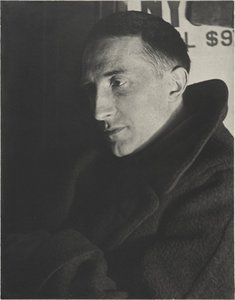
मार्सेल डुशाँ
1887 - 1968 , फ्रांस
संक्षिप्त जानकारी
- कलात्मक शैली:
- घनवाद
- डाडाइज़्म
- संकल्पनात्मक कला
- जन्म तिथि: 28 जुलाई 1887
- जन्म स्थान: ब्लेनविले-सुर-मर्, फ्रांस
- पूरा नाम: मार्सल डुशाम्प
- प्रभावित आंदोलन:
- संकल्पनात्मक कला
- पॉप आर्ट
- न्यूनतमवाद
- प्रमुख कृतियाँ:
- फव्वारा
- एल.एच.ओ.ओ.क्यू.
- द लार्ज ग्लास
- बोइट-एन-वेलिस
- मृत्यु तिथि: 2 अक्टूबर 1968
- राष्ट्रीयता: फ्रांसीसी-अमेरिकी
संबंधित लेखों की सूची
गेमिंग स्तरों की दीवारों में कला का सौंदर्यशास्त्र: आधुनिक संग्रहकर्ता के लिए पहचान और विरासत
गेमिंग स्तरों में कला के बढ़ते संग्रहणीय मूल्य को जानें। दुर्लभ गेमिंग कलाकृतियों की पहचान करें, निवेश रणनीतियाँ खोजें और आधुनिक संग्राहकों के लिए विरासत का निर्माण करें। विशेषज्ञ मार्गदर्शन प्राप्त करें।
Beyond Impressionism: Exploring the Emotional Depth of Post-Impressionist Painting
Explore the profound emotional depth & innovative techniques of Post-Impressionism with OriginalUniqueArt. Discover Cézanne, Van Gogh, Gauguin & more – and their lasting impact on modern art.

Pixel & Palette: Exploring the Artistic Craftsmanship of Hand-Painted Game Universes and the Artists Who Bring Them to Life
Explore the artistry of hand-painted game universes! Discover techniques, artists & history behind this unique style. Expert insights for collectors & developers.

Pixelated Prestige: Exploring Scarcity, Value, and Cultural Impact in Limited Edition Gaming Paintings
Explore the world of limited edition gaming paintings! Discover investment strategies, artist insights & preservation tips for collectors. Trusted expertise in rare video game art.

पॉल सेज़ान की शीर्ष 25 उत्कृष्ट कृतियाँ: कला और सजावट का अद्भुत संग्रह | OriginalUniqueArt
पॉल सेज़ान की शीर्ष 25 उत्कृष्ट कृतियों का अन्वेषण करें! प्रभाववाद और आधुनिक कला के जनक सेज़ान के जीवन, शैली और प्रसिद्ध चित्रों को जानें। OriginalUniqueArt पर उच्च गुणवत्ता वाले कैनवास प्रिंट और दीवार सजावट खरीदें।


