
 पूर्वावलोकन देखें
 साझा करें
 साझा करें
 विस्तृत विवरण
 मार्गदर्शिका

 डाउनलोड करें
 समान कलाकृतियाँ
 एक्स-रे
 स्लाइड शो देखें
 आंकड़े
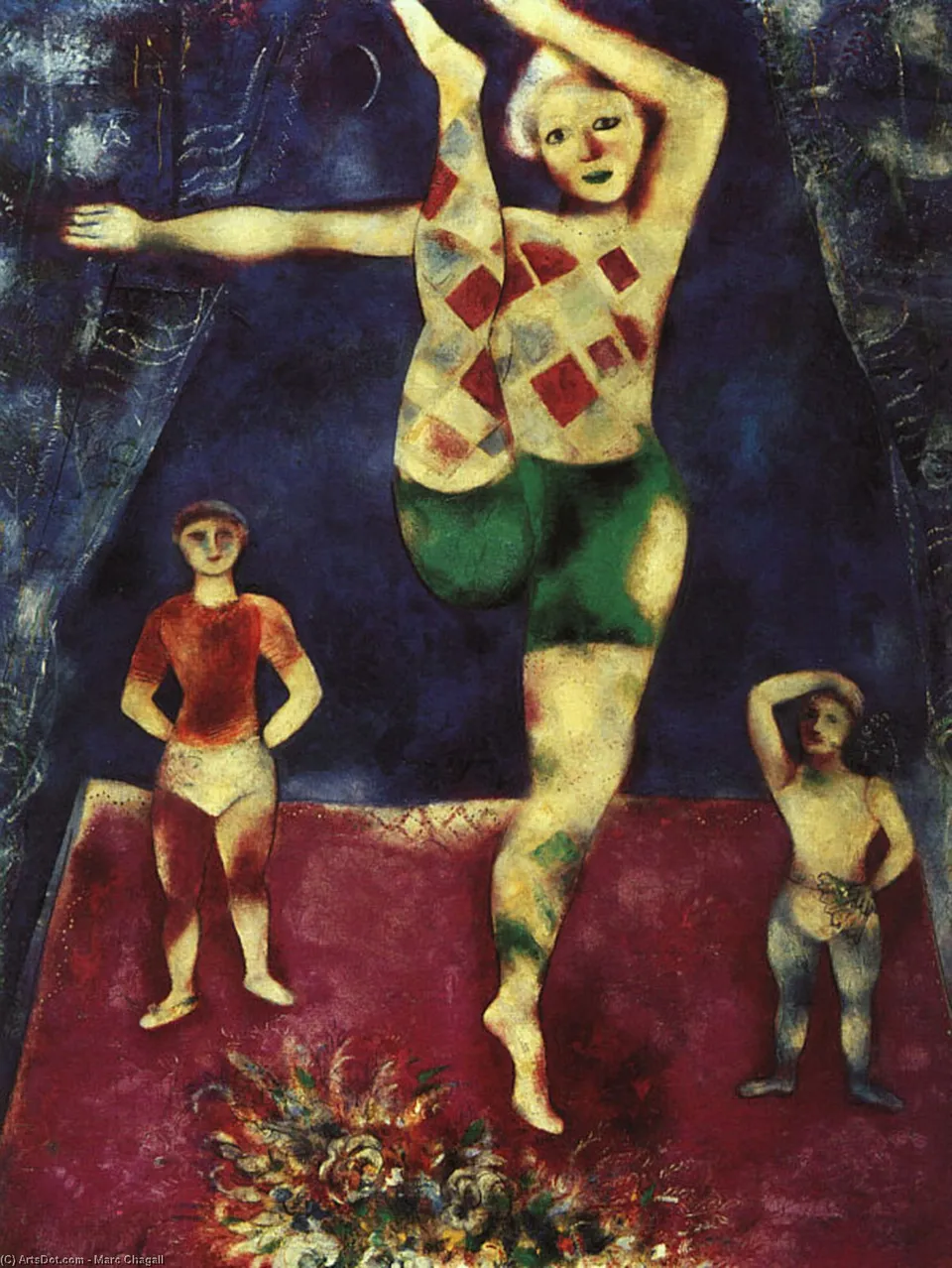
The Three Acrobats, oil on canvas, private col


 पूरा देखें
गिक्ली / आर्ट प्रिंट
तेज़ उत्पादन और विभिन्न फिनिश विकल्पों के साथ म्यूजियम-क्वालिटी गिकली (giclée) या कैनवस प्रिंट। ( हाथ से बनी पेंटिंग खरीदें डिजिटल इमेज पर स्विच करें)




P118B $10

P118H $10

P118W $10

P438Z $10

P508JH $12

P508YH $12

P805H $10

P805Z $10

P919BZ $10

P919G $10

P919XJ $10

P959ZH $10

P968JZ $12

W106C $8

W218G $10

W218JH $8

W218Y $10

W307PJ $10

W316G $10

W316PJ $8

W316Y $10

W398PJ $8

W4111J $10

W500HY $15

W500JH $15

W692G $12

W849H $8

W940BG $15

W953PJ $8




कलाकृति के मूल अनुपात से मेल खाने वाले हमारे पूर्व निर्धारित आकारों में से चुनें।

आप किसी विशिष्ट फ्रेम या स्थान के अनुसार अपने स्वयं के आयाम (dimensions) दर्ज कर सकते हैं। यदि आपके द्वारा चुना गया आकार मूल छवि के अनुपात से मेल नहीं खाता है, तो हम कलाकृति को क्रॉप कर देंगे या मिरर किए गए या सॉलिड-फिल किनारे के साथ छवि का विस्तार करेंगे। उत्पादन शुरू होने से पहले आपकी स्वीकृति के लिए एक डिजिटल मॉकअप भेजा जाएगा।
कृपया ध्यान दें कि स्क्रीन पर दिखने वाला प्रीव्यू वास्तविक क्रॉपिंग या विस्तार को नहीं दर्शाता है। केवल मॉकअप ही अंतिम संरचना को सटीक रूप से दिखाएगा।
हालाँकि कस्टम आकार उपलब्ध हैं, फिर भी हम मूल अनुपात बनाए रखने के लिए पूर्व-निर्धारित सूची में से एक आयाम चुनने की सलाह देते हैं।
विश्वव्यापी डिलीवरी (), मानक 4/5 सप्ताह के बजाय मात्र 2 सप्ताह में। (21 सितमबर)

दुनिया भर में मुफ़्त एक्सप्रेस शिपिंग

उच्च गुणवत्ता वाला लिनेन कैनवास

पूर्ण शिपिंग बीमा

सीमा शुल्क और आयात कर वापसी की गारंटी

सटीक रंग मिलान की गारंटी

100-दिन की वापसी नीति (केवल दोषपूर्ण होने पर)

100% पैसे वापसी की गारंटी

थोक छूट का लाभ
 ग्लास का विकल्प केवल 110 सेमी से कम आकार में ही उपलब्ध है।

The Three Acrobats, oil on canvas, private col
गिक्ली / आर्ट प्रिंट
प्रतिकृति का आकार
-


कुल देय राशि
$ 80
A Dance of Dreams: Marc Chagall’s “The Three Acrobats”
Marc Chagall's "The Three Acrobats," painted in 1926 during his vibrant Parisian period, is more than just a depiction of performance; it’s a shimmering portal into the artist’s deeply personal and often surreal world. This oil on canvas, currently residing in a private collection, encapsulates the essence of Chagall's unique style – a potent blend of memory, folklore, and an unrestrained embrace of color and form. The painting immediately captivates with its joyous chaos, a deliberate departure from the rigid geometries of earlier Cubist explorations and a firm step into a realm where reality bends to the will of imagination.
At first glance, the scene presents three figures engaged in acrobatic feats on an indeterminate stage. A central figure, clad in a striking diamond-patterned leotard, executes a daring one-legged pose, radiating both strength and vulnerability. To her left, another acrobat balances precariously on what appears to be a beam or structure, while a third performer is positioned further right, contributing to the dynamic composition. However, it’s not merely the acrobats themselves that command attention; they exist within a richly textured environment—a swirling backdrop of deep blues and vibrant floral arrangements that seem to bloom outwards from the central action.
Cubism Infused with Memory
While often categorized as Cubist, Chagall's approach transcends simple geometric deconstruction. He retains recognizable forms – the figures’ bodies, the stage elements – but distorts them through flattened planes and fragmented perspectives. This technique isn’t about analytical representation; it’s a deliberate attempt to capture the *feeling* of memory—the way recollections are often hazy, emotionally charged, and imbued with subjective interpretation. The use of bold, non-naturalistic colors further enhances this effect, creating an atmosphere that is both dreamlike and intensely personal.
The painting’s genesis lies in Chagall's childhood memories of Vitebsk, his birthplace in Belarus. He recounted a poignant experience witnessing impoverished families attempting to earn a meager living through acrobatic performances for passersby – a scene marked by both hardship and a surprising resilience. This memory, imbued with the artist’s characteristic blend of pathos and wonder, forms the emotional core of “The Three Acrobats.” The sports ball at the top left corner is a subtle nod to this childhood experience, hinting at the simple pleasures and struggles of everyday life.
Symbolism and Emotional Resonance
Beyond its autobiographical roots, the painting is rich in symbolic meaning. The acrobats themselves can be interpreted as representing humanity’s inherent desire for movement, risk-taking, and a yearning to transcend limitations. Their precarious poses evoke both vulnerability and triumph—a reflection of life's unpredictable nature. The vibrant colors – particularly the blues – are often associated with spirituality and the heavens in Chagall’s work, suggesting an aspiration towards something beyond the earthly realm.
Furthermore, the swirling floral arrangements contribute to the painting’s overall sense of dynamism and vitality. They represent not only beauty but also fertility, growth, and the cyclical nature of life—themes frequently explored by Chagall in his art. The presence of two onlookers adds another layer of complexity, suggesting a broader social context and inviting the viewer to contemplate the audience's role in witnessing and appreciating these performances.
A Reproduction for Your Space
OriginalUniqueArt offers meticulously crafted hand-painted reproductions of Marc Chagall’s “The Three Acrobats,” allowing you to bring this captivating masterpiece into your home or office. Our skilled artists faithfully recreate the painting's vibrant colors, dynamic composition, and emotional depth, ensuring a stunningly authentic representation. Whether you are an art enthusiast, collector, or simply seeking a unique piece of décor, our reproduction provides a beautiful and accessible way to experience the enduring power of Chagall’s vision. Explore our options for canvas, framing, and size to create a truly personalized tribute to this iconic work.
कलाकार का जीवन परिचय
मार्क्स चागाल: रंगों और सपनों का एक जीवन
मार्क्स चागाल, जिनका जन्म मोइशे शागल के रूप में 1887 में बेलारूस के लिओज्ना के पास विटेब्स्क में हुआ था, केवल एक चित्रकार ही नहीं थे; वे रंग के कवि, सपनों के बुनकर और स्मृति के क्रोनिकलर थे। बीसवीं सदी की अशांत धाराओं को दर्शाते हुए उनका जीवन लगभग एक शताब्दी तक फैला रहा, फिर भी उनकी कला अपने गहरे व्यक्तिगत दृष्टिकोण में दृढ़ता से निहित रही - जो उनके हसिदिक यहूदी परवरिश के लोककथाओं और कल्पना की अटूट मान्यता से भरी हुई थी। विटेब्स्क खुद सिर्फ जन्मस्थान से बढ़कर था; यह उनके कलात्मक ब्रह्मांड का भावनात्मक केंद्र बन गया, एक आवर्ती रूपांकन जिसमें उड़ते हुए आंकड़े, सनकी जानवर और याद किए गए परिदृश्यों के जीवंत रंग थे। शहर का संस्कृतियों का अनूठा मिश्रण - रूसी रूढ़िवादी चर्चों के साथ व्यस्त यहूदी बाजार - एक सौंदर्य संबंधी संवेदनशीलता को आकार दिया जिसने उनकी लंबी अवधि में किसी भी कलात्मक आंदोलन को आसानी से वर्गीकृत करने से इनकार कर दिया। हालाँकि उन्होंने औपचारिक प्रशिक्षण पहले एक स्थानीय साइन पेंटर के साथ और बाद में सेंट पीटर्सबर्ग में लियोन बाकस्ट के अधीन, और फिर पेरिस में एकेडेमी डे ला ग्रांडे चाउमियर में प्राप्त किया, चागाल ने कभी भी किसी एकल कलात्मक आंदोलन को पूरी तरह से अपनाया नहीं। उन्होंने घनवाद, प्रतीकवाद और फाविज्म के तत्वों को अवशोषित किया, लेकिन हमेशा उन्हें अपने स्वयं के गहन व्यक्तिगत लेंस के माध्यम से फ़िल्टर किया, एक ऐसी शैली बनाई जो अद्वितीय और बेजोड़ थी चागाल।एक अनूठी दृश्य भाषा का निर्माण
चागल के शुरुआती कार्यों में पहले से ही उस विशिष्ट भाषा की झलक मिलती है जिसे उन्होंने विकसित किया था। मैं और गाँव (1911) जैसी पेंटिंग केवल स्थान के चित्रण नहीं हैं; वे पहचान, स्मृति और व्यक्ति और समुदाय के बीच संबंध की खोज हैं। गाँव को यथार्थवादी रूप से प्रस्तुत नहीं किया गया है बल्कि यादों के एक खंडित संग्रह के रूप में प्रस्तुत किया गया है, जो प्रतीकात्मक अर्थ से भरा हुआ है। व्यक्तिगत अनुभव को सार्वभौमिक विषयों में बदलने की यह क्षमता उनकी कला का एक हॉलमार्क बन गई। उनका पैलेट बोल्ड और अभिव्यंजक था, अक्सर भावनाओं को व्यक्त करने के लिए शाब्दिक प्रतिनिधित्व के बजाय ज्वलंत, गैर-प्राकृतिक रंगों का उपयोग करता था। आंकड़े कैनवास पर तैरते और नृत्य करते हैं, गुरुत्वाकर्षण और तर्क को धता बताते हुए, एक स्वप्निल वातावरण बनाते हैं जो दर्शकों को उनके आंतरिक जगत में आमंत्रित करता है। यह शैलीगत दृष्टिकोण आकस्मिक नहीं था; यह वास्तविकता की साधारण नकल से परे जाने और भावना का सार, स्मृति का वजन और लोककथाओं की शक्ति को पकड़ने की इच्छा से उपजा था। रूसी क्रांति ने चागल को विटेब्स्क वापस लाया, जहाँ उन्होंने सांस्कृतिक पहलों में भाग लिया, एक कला विद्यालय स्थापित किया जो नए शासन द्वारा लगाए गए प्रतिबंधों के कारण अस्थायी रूप से फला-फूला। यह अवधि रचनात्मक ऊर्जा और राजनीतिक निराशा दोनों से चिह्नित थी, एक तनाव जिसने उनकी कलात्मक यात्रा को आकार देना जारी रखा।दुनियाओं के बीच का जीवन: पेरिस, न्यूयॉर्क और उससे आगे
अंततः, चागल ने रूस छोड़ दिया और 1923 में फ्रांस में बस गए। इसने अंतर्राष्ट्रीय मान्यता और प्रचुर रचनात्मकता की अवधि की शुरुआत चिह्नित की। विटेब्स्क के ऊपर (1920-1922) जैसे कार्यों से उनके बचपन की यादों के साथ उनकी निरंतर व्यस्तता का प्रदर्शन होता है, जबकि बाइबिल की कहानियों से प्रेरित चित्रों - जैसे याकूब का सपना - धार्मिक विषयों में बढ़ती रुचि को प्रकट करते हैं। द्वितीय विश्व युद्ध के प्रकोप ने उन्हें फ्रांसीसी कब्जे वाले क्षेत्र से संयुक्त राज्य अमेरिका भागने के लिए मजबूर कर दिया, जहाँ उन्होंने सात साल न्यूयॉर्क शहर में बिताए। यह अवधि गहन भावनात्मक उथल-पुथल और कलात्मक प्रयोगों से चिह्नित थी। उन्होंने अपनी कला में सांत्वना पाई, शक्तिशाली कार्य बनाए जो उस समय की चिंताओं और अनिश्चितताओं को दर्शाते हैं। सफेद क्रूसिफिकेशन (1938), पीड़ा और उत्पीड़न का एक भयानक चित्रण, इस युग के लिए एक वसीयतनामा के रूप में खड़ा है। युद्ध के बाद, चागल फ्रांस लौट आए, जहाँ उन्होंने अपनी मृत्यु तक 1985 में 97 वर्ष की आयु तक पेंटिंग करना और बनाना जारी रखा।विरासत और स्थायी प्रभाव
अपने बाद के वर्षों में, मार्क्स चागाल को कई प्रतिष्ठित कमीशन प्राप्त हुए, जिसमें 1964 में पेरिस ओपेरा का छत भी शामिल है, जो संगीत कृतियों का जश्न मनाने वाला रंग और रूप का एक आश्चर्यजनक विस्फोट था, और यरूशलेम में हदासाह हिब्रू विश्वविद्यालय चिकित्सा केंद्र के आराधनालय के लिए शानदार सना हुआ ग्लास खिड़कियां। इन बड़े पैमाने पर परियोजनाओं ने उन्हें अपनी कलात्मक दृष्टि को वास्तुशिल्प स्थानों में अनुवाद करने की अनुमति दी, ऐसे विसर्जित वातावरण बनाए जो आज भी आश्चर्य और विस्मय पैदा करते हैं। बाद की पीढ़ियों के कलाकारों पर चागल का प्रभाव निर्विवाद है। उनकी गीतात्मक गुणवत्ता, भावनात्मक गहराई और कल्पनाशील शक्ति ने अति यथार्थवादियों और उन आंदोलनों को प्रेरित किया जिन्होंने कल्पना और प्रतीकवाद को अपनाया। उन्होंने यूरोपीय आधुनिकतावाद और यहूदी सांस्कृतिक पहचान के बीच एक सेतु बनाया, "बीसवीं शताब्दी के सबसे प्रमुख यहूदी कलाकार" के रूप में जाने गए। उनकी कला व्यक्तिगत अनुभव, लोककथाओं और सार्वभौमिक विषयों को संश्लेषित करने की क्षमता दुनिया भर के दर्शकों के साथ प्रतिध्वनित होती रहती है। उनकी कला हमें याद दिलाती है कि कला सीमाओं को पार करने, हमारी साझा मानवता से जुड़ने और जीवन की सुंदरता और रहस्य को रोशन करने की शक्ति रखती है।एक स्थायी छाप
मार्क्स चागाल की विरासत उनकी पेंटिंग और सना हुआ ग्लास से परे फैली हुई है; यह उनकी दृष्टि की स्थायी शक्ति में निवास करती है - एक दृष्टि जो प्रेम, स्मृति और मानव कल्पना की असीम संभावनाओं का जश्न मनाती है। उन्होंने ऐसा कलात्मक कार्य छोड़ दिया है जो गहरा व्यक्तिगत और सार्वभौमिक रूप से सुलभ दोनों है, दर्शकों को सपनों से चित्रित और आशा से रोशन दुनिया में खो जाने के लिए आमंत्रित करता है। नाइस में मुसी मारक चागाल उनके स्थायी प्रभाव का एक प्रमाण है, जो उनके कार्यों का एक व्यापक संग्रह रखता है और आगंतुकों को इस असाधारण कलाकार के दिल और आत्मा की झलक प्रदान करता है। उनकी कला प्रेरित करती रहती है, चुनौती देती है और हमें हिलाती है, यह सुनिश्चित करते हुए कि उनकी जीवंत और कल्पनाशील भावना आने वाली पीढ़ियों तक जीवित रहेगी।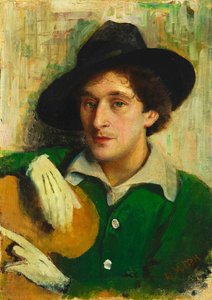
मार्क शागल
1887 - 1985 , बेलारूस
मुख्य तथ्य
- कलात्मक शैली: आधुनिकवाद, प्रतीकवाद
- जन्म तिथि: जुलाई 6, 1887
- जन्म स्थान: लियोज्ना, बेलारूस
- पूरा नाम: मार्क शागल
- प्रभावित आंदोलन: ['अति यथार्थवाद']
- प्रभावित कलाकार:
- लियोन बाक्स्ट
- रॉबर्ट डेलाने
- प्रमुख कलाकृतियाँ:
- I और गाँव
- व्हाइट क्रूसीफिकेशन
- मृत्यु तिथि: मार्च 28, 1985
- राष्ट्रीयता: रूसी-फ्रांसीसी
संबंधित लेख

कैनवस पर चित्रित विरासत: तकनीक, इतिहास और समकालीन अभ्यास
कैनवस पर चित्रित विरासत की गहराई में उतरें। तकनीक, इतिहास और समकालीन कला अभ्यास जानें। OriginalUniqueArt के साथ उच्च गुणवत्ता वाली पेंटिंग खरीदें और अपनी दीवारों को जीवंत करें।

The Enduring Legacy of Oil on Canvas: Technique, History & Aesthetic Impact
Explore the rich history & techniques of oil painting – from Renaissance masters to Impressionism. Discover pigments, layering methods, and why this timeless medium endures. Expert insights for artists & art enthusiasts.

Oil on Canvas: A Historical & Technical Exploration of a Timeless Artistic Medium
Explore the rich history & enduring techniques of oil painting on canvas. Discover the science behind its longevity, conservation practices, and contemporary relevance. Expert insights for art enthusiasts.

The Enduring Power of Painting: A Historical & Contemporary Exploration of Form and Emotion
Explore the rich history & enduring techniques of oil painting with OriginalUniqueArt. Discover masterpieces, learn about art collecting, and find authentic handmade reproductions crafted by skilled artists.
The Soul of Impressionism: Why Oil on Canvas Captures Eternal Light and Timeless Emotion
Discover the enchanting alchemy of Impressionism. Explore how the mastery of oil on canvas, through glazing and impasto, captures eternal light and emotion. Perfect for lovers of Monet and Van Gogh seeking the profound depth of hand-painted fine art.


