

 पूर्वावलोकन देखें
 भेजें
भेजें साझा करें
 विवरण देखें
 मार्गदर्शिका

 डाउनलोड करें
 समान वस्तुएं
 एक्स-रे
 स्लाइड शो देखें
 आंकड़े
Cow with Parasol
 कैनवस पर तेल रंग
- वॉल आर्ट
- Surrealism
 1946
1946- आधुनिक काल
 77.0 x 106.0 cm
 और पढ़ें
इस पृष्ठ पर प्रदर्शित कलाकृति कॉपीराइट कानून द्वारा संरक्षित है, जिसका अर्थ है कि हम कानूनी रूप से इसकी हूबहू प्रतिलिपि बनाने या बेचने का अधिकार नहीं रखते हैं। यह संरक्षण अंतर्राष्ट्रीय समझौतों के तहत लागू किया जाता है, जैसे कि बर्न कन्वेंशन और राष्ट्रीय कानूनों द्वारा, जिनमें % द्वारा निर्धारित कानून भी शामिल हैं। अमेरिकी कॉपीराइट कानून - शीर्षक 17।
यह विधि कॉपीराइट नियमों का पूरी तरह से पालन करती है क्योंकि इसमें संरक्षित कलाकृति की नकल या प्रतिलिपि बनाना शामिल नहीं है। इसके बजाय, यह एक रचनात्मक पुनर्व्याख्या है - एक ऐसी नई पेंटिंग जो मूल कृति से प्रेरित तो है, लेकिन उसके समान नहीं है।
गिक्ली / आर्ट प्रिंट
तेज़ उत्पादन और विभिन्न फिनिश विकल्पों के साथ म्यूजियम-क्वालिटी गिकली (giclée) या कैनवस प्रिंट। ( हाथ से बनी पेंटिंग खरीदें डिजिटल इमेज पर जाएँ)




P118B ₹10

P118H ₹10

P118W ₹10

P438Z ₹10

P508JH ₹12

P508YH ₹12

P805H ₹10

P805Z ₹10

P919BZ ₹10

P919G ₹10

P919XJ ₹10

P959ZH ₹10

P968JZ ₹12

W106C ₹8

W218G ₹10

W218JH ₹8

W218Y ₹10

W307PJ ₹10

W316G ₹10

W316PJ ₹8

W316Y ₹10

W398PJ ₹8

W4111J ₹10

W500HY ₹15

W500JH ₹15

W692G ₹12

W849H ₹8

W940BG ₹15

W953PJ ₹8




कलाकृति के मूल अनुपात से मेल खाने वाले हमारे पूर्व निर्धारित आकारों में से चुनें।

अपने फ्रेम या अपनी दीवार के अनुसार आवश्यक चौड़ाई और ऊंचाई दर्ज करें। प्रिंट को केवल काटा जा सकता है, चित्र से बड़ा कभी नहीं बनाया जा सकता, इसलिए अलग आकार का साइज चित्र का एक हिस्सा खो देता है। किसी भी चीज़ को प्रिंट करने से पहले हम आपकी स्वीकृति के लिए आपको एक डिजिटल मॉकअप भेजते हैं। इस पृष्ठ पर दिखाया गया चित्र वास्तविक कटिंग नहीं दिखाता है — केवल मॉकअप ही इसे दर्शाता है।
विश्वव्यापी डिलीवरी (), मानक 4/5 सप्ताह के बजाय मात्र 2 सप्ताह में। (21 अक्टूबर)

दुनिया भर में मुफ़्त एक्सप्रेस शिपिंग

प्रीमियम ग्रेड लिनेन कैनवास

पूर्ण शिपिंग बीमा

सीमा शुल्क और आयात कर वापसी की गारंटी

सटीक रंग मिलान की गारंटी

100 दिनों की वापसी नीति (केवल निर्माण दोष होने पर)

100% पैसे वापसी की गारंटी

थोक छूट का अवसर
 ग्लास का विकल्प केवल 110 सेमी से कम आकार में ही उपलब्ध है।

Cow with Parasol
गिक्ली / आर्ट प्रिंट
प्रतिकृति का आकार
-


कुल मूल्य
₹ 7653
A Surrealist Dreamscape: Unpacking Marc Chagall’s “Cow with Parasol”
Marc Chagall's "Cow with Parasol," painted in 1946, isn’t merely a depiction of a cow sheltering beneath an umbrella; it’s a vibrant portal into the artist’s subconscious, a testament to his unique ability to fuse the familiar with the fantastical. This oil on canvas masterpiece, measuring 77 x 106 cm, resides within the esteemed Staatsgalerie Moderner Kunst in Munich, Germany, a museum dedicated to showcasing the evolution of modern art. The painting immediately captivates with its riotous color palette – deep blues and greens juxtaposed against warm yellows and oranges – creating an atmosphere both dreamlike and intensely alive. It’s a scene brimming with playful chaos, inviting viewers to question the boundaries between reality and imagination, a hallmark of Chagall's distinctive style.Composition and Symbolism: A World Turned Upside Down
At first glance, the composition appears delightfully absurd: a cow, rendered in Chagall’s signature loose, expressive brushstrokes, holds an umbrella aloft as if shielding herself from an unseen storm. But beneath this whimsical surface lies a complex web of symbolism. The cow itself is a recurring motif in Chagall's work, often representing fertility, abundance, and the rural life of his childhood in Vitebsk, Belarus. Its holding of the parasol isn’t simply decorative; it challenges conventional notions of protection, suggesting instead an embrace of the unpredictable elements of life. The surrounding figures – a scattering of birds, dogs sporting hats, and a human form interacting with the animals – further amplify this sense of disorientation and playful subversion. The inclusion of four additional cows in the background creates a bustling, almost dreamlike village scene, hinting at a deeper narrative rooted in Chagall’s Jewish heritage and his memories of Eastern European folklore. The artist masterfully uses scale and perspective to draw the eye through the composition, leading us on a journey through this surreal landscape.Chagall's Surrealist Style: Bridging Reality and Fantasy
“Cow with Parasol” is a quintessential example of Chagall’s developed surrealist style, a movement that flourished in the 1920s and sought to unlock the power of the subconscious mind. Inspired by the works of artists like Joan Miró and Giorgio de Chirico, Chagall employed techniques such as distorted perspective, illogical juxtapositions, and symbolic imagery to create paintings that felt both familiar and utterly strange. His work frequently blended elements of his Jewish heritage – biblical stories, folk tales, and religious iconography – with dreamlike scenarios and vibrant color palettes. The loose, gestural brushstrokes characteristic of this period contribute significantly to the painting’s emotional intensity, conveying a sense of movement and spontaneity that mirrors the fluidity of dreams. The use of flattened perspective and simplified forms further enhances the surreal quality, pushing the image beyond the realm of strict realism.Context and Legacy: A Reflection of an Era
Born in 1887 in Vitebsk, Chagall’s artistic journey was profoundly shaped by his Jewish identity and the tumultuous political landscape of Europe during the 20th century. His early training in St. Petersburg and Paris exposed him to various avant-garde movements, but he ultimately developed a unique style that blended influences from Russian folk art, Cubism, Fauvism, and Surrealism. “Cow with Parasol” was created in the aftermath of World War II, a period marked by uncertainty and upheaval. The painting can be interpreted as a reflection of this era’s anxieties and hopes – a celebration of life amidst chaos, a reminder to embrace the unexpected, and a testament to the enduring power of imagination. Its inclusion within the Staatsgalerie Moderner Kunst underscores its significance as a pivotal work in the history of modern art, alongside other masterpieces by artists like Victor Magariños D., who similarly explored themes of symbolism and dreamlike imagery. For those seeking a deeper understanding of Chagall’s artistic vision, exploring his other works, such as “Strawberries Bella and Ida at the Table” or “Prophet Isaiah,” offers further insight into his complex and profoundly moving oeuvre.प्रश्न और उत्तर
"Cow with Parasol" किस प्रकार की कलाकृति है?
कैटलॉग में, मार्क शागल द्वारा "Cow with Parasol" को वॉल आर्ट के रूप में वर्गीकृत किया गया है। यह श्रेणी समान कलाकृतियों को खोजने में मदद करती है।
"Cow with Parasol" में माध्यम और गति का संयोजन किस प्रकार हुआ है?
"Cow with Parasol" को कैनवस पर तेल रंग में, Surrealism शैली में बनाया गया है।
मूल मार्क शागल द्वारा "Cow with Parasol" की तकनीक और आकार क्या है?
मार्क शागल द्वारा "Cow with Parasol" की माध्यम कैनवस पर तेल रंग है, और इसके दर्ज किए गए आयाम 77 x 106 cm हैं।
कलाकार का परिचय
मार्क्स चागाल: रंगों और सपनों का एक जीवन
मार्क्स चागाल, जिनका जन्म मोइशे शागल के रूप में 1887 में बेलारूस के लिओज्ना के पास विटेब्स्क में हुआ था, केवल एक चित्रकार ही नहीं थे; वे रंग के कवि, सपनों के बुनकर और स्मृति के क्रोनिकलर थे। बीसवीं सदी की अशांत धाराओं को दर्शाते हुए उनका जीवन लगभग एक शताब्दी तक फैला रहा, फिर भी उनकी कला अपने गहरे व्यक्तिगत दृष्टिकोण में दृढ़ता से निहित रही - जो उनके हसिदिक यहूदी परवरिश के लोककथाओं और कल्पना की अटूट मान्यता से भरी हुई थी। विटेब्स्क खुद सिर्फ जन्मस्थान से बढ़कर था; यह उनके कलात्मक ब्रह्मांड का भावनात्मक केंद्र बन गया, एक आवर्ती रूपांकन जिसमें उड़ते हुए आंकड़े, सनकी जानवर और याद किए गए परिदृश्यों के जीवंत रंग थे। शहर का संस्कृतियों का अनूठा मिश्रण - रूसी रूढ़िवादी चर्चों के साथ व्यस्त यहूदी बाजार - एक सौंदर्य संबंधी संवेदनशीलता को आकार दिया जिसने उनकी लंबी अवधि में किसी भी कलात्मक आंदोलन को आसानी से वर्गीकृत करने से इनकार कर दिया। हालाँकि उन्होंने औपचारिक प्रशिक्षण पहले एक स्थानीय साइन पेंटर के साथ और बाद में सेंट पीटर्सबर्ग में लियोन बाकस्ट के अधीन, और फिर पेरिस में एकेडेमी डे ला ग्रांडे चाउमियर में प्राप्त किया, चागाल ने कभी भी किसी एकल कलात्मक आंदोलन को पूरी तरह से अपनाया नहीं। उन्होंने घनवाद, प्रतीकवाद और फाविज्म के तत्वों को अवशोषित किया, लेकिन हमेशा उन्हें अपने स्वयं के गहन व्यक्तिगत लेंस के माध्यम से फ़िल्टर किया, एक ऐसी शैली बनाई जो अद्वितीय और बेजोड़ थी चागाल।एक अनूठी दृश्य भाषा का निर्माण
चागल के शुरुआती कार्यों में पहले से ही उस विशिष्ट भाषा की झलक मिलती है जिसे उन्होंने विकसित किया था। मैं और गाँव (1911) जैसी पेंटिंग केवल स्थान के चित्रण नहीं हैं; वे पहचान, स्मृति और व्यक्ति और समुदाय के बीच संबंध की खोज हैं। गाँव को यथार्थवादी रूप से प्रस्तुत नहीं किया गया है बल्कि यादों के एक खंडित संग्रह के रूप में प्रस्तुत किया गया है, जो प्रतीकात्मक अर्थ से भरा हुआ है। व्यक्तिगत अनुभव को सार्वभौमिक विषयों में बदलने की यह क्षमता उनकी कला का एक हॉलमार्क बन गई। उनका पैलेट बोल्ड और अभिव्यंजक था, अक्सर भावनाओं को व्यक्त करने के लिए शाब्दिक प्रतिनिधित्व के बजाय ज्वलंत, गैर-प्राकृतिक रंगों का उपयोग करता था। आंकड़े कैनवास पर तैरते और नृत्य करते हैं, गुरुत्वाकर्षण और तर्क को धता बताते हुए, एक स्वप्निल वातावरण बनाते हैं जो दर्शकों को उनके आंतरिक जगत में आमंत्रित करता है। यह शैलीगत दृष्टिकोण आकस्मिक नहीं था; यह वास्तविकता की साधारण नकल से परे जाने और भावना का सार, स्मृति का वजन और लोककथाओं की शक्ति को पकड़ने की इच्छा से उपजा था। रूसी क्रांति ने चागल को विटेब्स्क वापस लाया, जहाँ उन्होंने सांस्कृतिक पहलों में भाग लिया, एक कला विद्यालय स्थापित किया जो नए शासन द्वारा लगाए गए प्रतिबंधों के कारण अस्थायी रूप से फला-फूला। यह अवधि रचनात्मक ऊर्जा और राजनीतिक निराशा दोनों से चिह्नित थी, एक तनाव जिसने उनकी कलात्मक यात्रा को आकार देना जारी रखा।दुनियाओं के बीच का जीवन: पेरिस, न्यूयॉर्क और उससे आगे
अंततः, चागल ने रूस छोड़ दिया और 1923 में फ्रांस में बस गए। इसने अंतर्राष्ट्रीय मान्यता और प्रचुर रचनात्मकता की अवधि की शुरुआत चिह्नित की। विटेब्स्क के ऊपर (1920-1922) जैसे कार्यों से उनके बचपन की यादों के साथ उनकी निरंतर व्यस्तता का प्रदर्शन होता है, जबकि बाइबिल की कहानियों से प्रेरित चित्रों - जैसे याकूब का सपना - धार्मिक विषयों में बढ़ती रुचि को प्रकट करते हैं। द्वितीय विश्व युद्ध के प्रकोप ने उन्हें फ्रांसीसी कब्जे वाले क्षेत्र से संयुक्त राज्य अमेरिका भागने के लिए मजबूर कर दिया, जहाँ उन्होंने सात साल न्यूयॉर्क शहर में बिताए। यह अवधि गहन भावनात्मक उथल-पुथल और कलात्मक प्रयोगों से चिह्नित थी। उन्होंने अपनी कला में सांत्वना पाई, शक्तिशाली कार्य बनाए जो उस समय की चिंताओं और अनिश्चितताओं को दर्शाते हैं। सफेद क्रूसिफिकेशन (1938), पीड़ा और उत्पीड़न का एक भयानक चित्रण, इस युग के लिए एक वसीयतनामा के रूप में खड़ा है। युद्ध के बाद, चागल फ्रांस लौट आए, जहाँ उन्होंने अपनी मृत्यु तक 1985 में 97 वर्ष की आयु तक पेंटिंग करना और बनाना जारी रखा।विरासत और स्थायी प्रभाव
अपने बाद के वर्षों में, मार्क्स चागाल को कई प्रतिष्ठित कमीशन प्राप्त हुए, जिसमें 1964 में पेरिस ओपेरा का छत भी शामिल है, जो संगीत कृतियों का जश्न मनाने वाला रंग और रूप का एक आश्चर्यजनक विस्फोट था, और यरूशलेम में हदासाह हिब्रू विश्वविद्यालय चिकित्सा केंद्र के आराधनालय के लिए शानदार सना हुआ ग्लास खिड़कियां। इन बड़े पैमाने पर परियोजनाओं ने उन्हें अपनी कलात्मक दृष्टि को वास्तुशिल्प स्थानों में अनुवाद करने की अनुमति दी, ऐसे विसर्जित वातावरण बनाए जो आज भी आश्चर्य और विस्मय पैदा करते हैं। बाद की पीढ़ियों के कलाकारों पर चागल का प्रभाव निर्विवाद है। उनकी गीतात्मक गुणवत्ता, भावनात्मक गहराई और कल्पनाशील शक्ति ने अति यथार्थवादियों और उन आंदोलनों को प्रेरित किया जिन्होंने कल्पना और प्रतीकवाद को अपनाया। उन्होंने यूरोपीय आधुनिकतावाद और यहूदी सांस्कृतिक पहचान के बीच एक सेतु बनाया, "बीसवीं शताब्दी के सबसे प्रमुख यहूदी कलाकार" के रूप में जाने गए। उनकी कला व्यक्तिगत अनुभव, लोककथाओं और सार्वभौमिक विषयों को संश्लेषित करने की क्षमता दुनिया भर के दर्शकों के साथ प्रतिध्वनित होती रहती है। उनकी कला हमें याद दिलाती है कि कला सीमाओं को पार करने, हमारी साझा मानवता से जुड़ने और जीवन की सुंदरता और रहस्य को रोशन करने की शक्ति रखती है।एक स्थायी छाप
मार्क्स चागाल की विरासत उनकी पेंटिंग और सना हुआ ग्लास से परे फैली हुई है; यह उनकी दृष्टि की स्थायी शक्ति में निवास करती है - एक दृष्टि जो प्रेम, स्मृति और मानव कल्पना की असीम संभावनाओं का जश्न मनाती है। उन्होंने ऐसा कलात्मक कार्य छोड़ दिया है जो गहरा व्यक्तिगत और सार्वभौमिक रूप से सुलभ दोनों है, दर्शकों को सपनों से चित्रित और आशा से रोशन दुनिया में खो जाने के लिए आमंत्रित करता है। नाइस में मुसी मारक चागाल उनके स्थायी प्रभाव का एक प्रमाण है, जो उनके कार्यों का एक व्यापक संग्रह रखता है और आगंतुकों को इस असाधारण कलाकार के दिल और आत्मा की झलक प्रदान करता है। उनकी कला प्रेरित करती रहती है, चुनौती देती है और हमें हिलाती है, यह सुनिश्चित करते हुए कि उनकी जीवंत और कल्पनाशील भावना आने वाली पीढ़ियों तक जीवित रहेगी।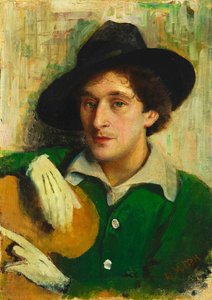
मार्क शागल
1887 - 1985 , बेलारूस
संक्षिप्त जानकारी
- कलात्मक शैली: आधुनिकवाद, प्रतीकवाद
- जन्म तिथि: जुलाई 6, 1887
- जन्म स्थान: लियोज्ना, बेलारूस
- पूरा नाम: मार्क शागल
- प्रभावित आंदोलन: ['अति यथार्थवाद']
- प्रभावित कलाकार:
- लियोन बाक्स्ट
- रॉबर्ट डेलाने
- प्रमुख कलाकृतियाँ:
- I और गाँव
- व्हाइट क्रूसीफिकेशन
- मृत्यु तिथि: मार्च 28, 1985
- राष्ट्रीयता: रूसी-फ्रांसीसी
संबंधित लेखों की सूची
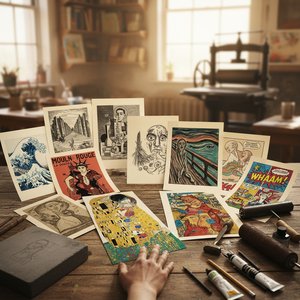
Top 10 Lithographs That Revolutionized Art | OriginalUniqueArt
Explore 10 legendary lithographs by Toulouse-Lautrec, Munch & Picasso that redefined art! Discover the stories behind these iconic prints and find museum-quality reproductions for your home decor at OriginalUniqueArt.com. Explore the full collection online.
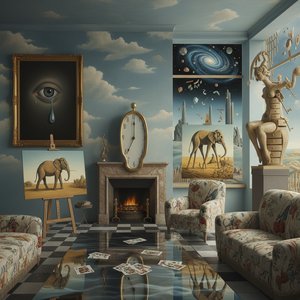
सर्वश्रेष्ठ 10 अतियथार्थवादी कृतियाँ: कला और घर की सजावट में क्रांति
अतियथार्थवाद की 10 उत्कृष्ट कृतियाँ! डेलि वलेंस, रेने मैग्रिट और सल्वाडोर डाली जैसे कलाकारों के स्वप्निल संसार में डूबें। कला इतिहास जानें और घर की सजावट के लिए प्रेरणा पाएं। OriginalUniqueArt.com पर ऑनलाइन फाइन आर्ट रिप्रोडक्शन खरीदें।
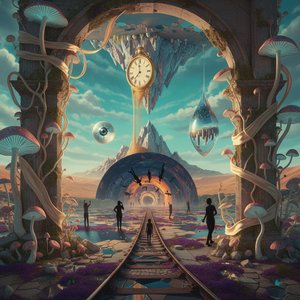
Dreamscapes & Disrupted Realities: Exploring Surrealism's Enduring Influence
Explore the fascinating world of Surrealism! Discover its origins, key artists like Dalí & Magritte, and enduring influence on art & culture. Expert insights & high-quality reproductions at OriginalUniqueArt.

Franz Marc: Expressionism, Spirituality & the Animal Symbolism of a Modern Master
Explore the profound world of Franz Marc's Expressionist paintings. Discover his spiritual connection to animals, innovative use of color, and lasting impact on modern art history. Learn more at OriginalUniqueArt.

German Expressionism's 10 Defining Masterpieces | Art for Your Home
Explore 10 defining German Expressionism masterpieces – from Munch's 'The Scream' to Kandinsky’s abstracts. Discover the artists, stories & bold colors behind this powerful art movement. Find museum-quality reproductions at OriginalUniqueArt.com.


