

 पूर्वावलोकन देखें
 भेजें
भेजें साझा करें
 विवरण देखें
 मार्गदर्शिका

 डाउनलोड करें
 समान वस्तुएं
 एक्स-रे
 स्लाइड शो देखें
 आंकड़े
Banquet degenerates into brawl


 और पढ़ें
इस पृष्ठ पर प्रदर्शित कलाकृति कॉपीराइट कानून द्वारा संरक्षित है, जिसका अर्थ है कि हम कानूनी रूप से इसकी हूबहू प्रतिलिपि बनाने या बेचने का अधिकार नहीं रखते हैं। यह संरक्षण अंतर्राष्ट्रीय समझौतों के तहत लागू किया जाता है, जैसे कि बर्न कन्वेंशन और राष्ट्रीय कानूनों द्वारा, जिनमें % द्वारा निर्धारित कानून भी शामिल हैं। अमेरिकी कॉपीराइट कानून - शीर्षक 17।
यह विधि कॉपीराइट नियमों का पूरी तरह से पालन करती है क्योंकि इसमें संरक्षित कलाकृति की नकल या प्रतिलिपि बनाना शामिल नहीं है। इसके बजाय, यह एक रचनात्मक पुनर्व्याख्या है - एक ऐसी नई पेंटिंग जो मूल कृति से प्रेरित तो है, लेकिन उसके समान नहीं है।
गिक्ली / आर्ट प्रिंट
तेज़ उत्पादन और विभिन्न फिनिश विकल्पों के साथ म्यूजियम-क्वालिटी गिकली (giclée) या कैनवस प्रिंट। ( हाथ से बनी पेंटिंग खरीदें डिजिटल इमेज पर जाएँ)




P118B ₹10

P118H ₹10

P118W ₹10

P438Z ₹10

P508JH ₹12

P508YH ₹12

P805H ₹10

P805Z ₹10

P919BZ ₹10

P919G ₹10

P919XJ ₹10

P959ZH ₹10

P968JZ ₹12

W106C ₹8

W218G ₹10

W218JH ₹8

W218Y ₹10

W307PJ ₹10

W316G ₹10

W316PJ ₹8

W316Y ₹10

W398PJ ₹8

W4111J ₹10

W500HY ₹15

W500JH ₹15

W692G ₹12

W849H ₹8

W940BG ₹15

W953PJ ₹8




कलाकृति के मूल अनुपात से मेल खाने वाले हमारे पूर्व निर्धारित आकारों में से चुनें।

अपने फ्रेम या अपनी दीवार के अनुसार आवश्यक चौड़ाई और ऊंचाई दर्ज करें। प्रिंट को केवल काटा जा सकता है, चित्र से बड़ा कभी नहीं बनाया जा सकता, इसलिए अलग आकार का साइज चित्र का एक हिस्सा खो देता है। किसी भी चीज़ को प्रिंट करने से पहले हम आपकी स्वीकृति के लिए आपको एक डिजिटल मॉकअप भेजते हैं। इस पृष्ठ पर दिखाया गया चित्र वास्तविक कटिंग नहीं दिखाता है — केवल मॉकअप ही इसे दर्शाता है।
विश्वव्यापी डिलीवरी (), मानक 4/5 सप्ताह के बजाय मात्र 2 सप्ताह में। (26 अक्टूबर)

दुनिया भर में मुफ़्त एक्सप्रेस शिपिंग

प्रीमियम ग्रेड लिनेन कैनवास

पूर्ण शिपिंग बीमा

सीमा शुल्क और आयात कर वापसी की गारंटी

सटीक रंग मिलान की गारंटी

100 दिनों की वापसी नीति (केवल निर्माण दोष होने पर)

100% पैसे वापसी की गारंटी

थोक छूट का अवसर
 ग्लास का विकल्प केवल 110 सेमी से कम आकार में ही उपलब्ध है।

Banquet degenerates into brawl
गिक्ली / आर्ट प्रिंट
प्रतिकृति का आकार
-


कुल मूल्य
₹ 7675
A Chaotic Symphony of Faith and Frenzy: Marc Chagall’s “Banquet Degenerates into Brawl”
Marc Chagall's "Banquet Degenerates into Brawl," painted in 1923, isn’t merely a depiction of a party gone awry; it’s a vibrant, pulsating embodiment of the artist’s deeply rooted Jewish heritage and his unique vision of the world. Born Moishe Shagal in Vitebsk, Belarus, Chagall carried within him the echoes of folklore, religious symbolism, and a profound sense of displacement – experiences that profoundly shaped his artistic language. This lithograph, executed with the precision characteristic of the medium, captures a moment suspended between joyous celebration and explosive chaos, reflecting both the exuberance and underlying tensions of life itself.
The scene unfolds within a densely packed urban setting, reminiscent of Chagall’s beloved Vitebsk – a city brimming with cultural diversity and historical layers. Figures, rendered in elongated, almost dreamlike proportions, surge across the image plane, creating an overwhelming sense of movement. The perspective is deliberately flattened, eschewing traditional depth cues in favor of a dynamic composition dominated by bold diagonals and overlapping forms. This technique, characteristic of Expressionism, amplifies the feeling of unrestrained energy and disorientation, pulling the viewer directly into the heart of the commotion.
The Language of Lithography and Jewish Folklore
Chagall’s masterful use of lithography is immediately apparent. The smooth tonal gradations, achieved through careful manipulation of ink on stone, lend a remarkable richness to the image. Notice the subtle shifts in color – from deep blues and reds to vibrant yellows and greens – that define the figures and background. Hatching and cross-hatching are employed strategically to build texture and suggest surface details, adding visual interest without sacrificing the overall sense of dynamism. The technique itself mirrors Chagall’s approach to storytelling; each line a deliberate element contributing to the narrative.
Beyond the technical mastery, the artwork is steeped in symbolism deeply rooted in Jewish tradition. The figures themselves can be interpreted as representations of communal life – a vibrant tapestry woven from diverse personalities and experiences. The chaotic brawl isn’t simply a random outburst; it suggests a struggle between order and disorder, tradition and modernity, faith and doubt—themes that resonated powerfully within Chagall's own life and the broader Jewish experience at the time. The presence of architectural elements, reminiscent of synagogues and marketplaces, further anchors the scene in this cultural context.
A Window into the Soul: Symbolism and Emotional Resonance
"Banquet Degenerates into Brawl" is more than just a depiction of a party; it’s an exploration of human nature—its capacity for joy, its vulnerability to conflict, and its inherent contradictions. The figures are not simply individuals engaged in a quarrel; they embody universal emotions – exuberance, frustration, anger, and perhaps even a touch of bewildered amusement. The painting's raw energy and emotional intensity invite the viewer to contemplate the complexities of human relationships and the ever-present tension between harmony and discord.
Consider the central figure, caught mid-gesture, seemingly frozen in a moment of both aggression and surprise. His exaggerated features – wide eyes, open mouth – convey a sense of heightened emotion, while his contorted posture suggests a struggle for control. The surrounding figures mirror this dynamic, creating a visual chorus of conflicting emotions. Ultimately, Chagall’s masterpiece serves as a poignant reminder that even in the midst of chaos and conflict, there remains an underlying current of humanity—a shared experience of joy, sorrow, and the enduring search for meaning.
A Legacy of Vision: Marc Chagall and His Enduring Influence
Created during a period of profound social and political upheaval, “Banquet Degenerates into Brawl” reflects Chagall’s own turbulent experiences as an artist navigating the complexities of modern life. His work, deeply influenced by his Jewish heritage and his time in Paris, became a cornerstone of the Expressionist movement, paving the way for future generations of artists to explore the power of emotion and symbolism. Today, this lithograph stands as a testament to Chagall’s unique vision—a vibrant celebration of life's contradictions and a poignant reminder of the enduring human spirit.
प्रश्न और उत्तर
"Banquet degenerates into brawl" किस युग का है?
मार्क शागल द्वारा "Banquet degenerates into brawl" का ऐतिहासिक काल High Medieval है। यह वर्गीकरण इस कृति को कला के इतिहास में स्थापित करता है।
मैं मार्क शागल द्वारा "Banquet degenerates into brawl" की डिजिटल फ़ाइल कैसे प्राप्त कर सकता हूँ?
"Banquet degenerates into brawl" एक उच्च-रिज़ॉल्यूशन वाली डिजिटल इमेज डाउनलोड के रूप में उपलब्ध है, जिसे सीधे इसके डिजिटल छवि पेज से खरीदा जा सकता है।
मार्क शागल द्वारा "Banquet degenerates into brawl" किस आंदोलन और किस युग से संबंधित है?
मार्क शागल द्वारा "Banquet degenerates into brawl" में, Expressionism आंदोलन और आधुनिक युग युग का संगम होता है।
कलाकार का परिचय
मार्क्स चागाल: रंगों और सपनों का एक जीवन
मार्क्स चागाल, जिनका जन्म मोइशे शागल के रूप में 1887 में बेलारूस के लिओज्ना के पास विटेब्स्क में हुआ था, केवल एक चित्रकार ही नहीं थे; वे रंग के कवि, सपनों के बुनकर और स्मृति के क्रोनिकलर थे। बीसवीं सदी की अशांत धाराओं को दर्शाते हुए उनका जीवन लगभग एक शताब्दी तक फैला रहा, फिर भी उनकी कला अपने गहरे व्यक्तिगत दृष्टिकोण में दृढ़ता से निहित रही - जो उनके हसिदिक यहूदी परवरिश के लोककथाओं और कल्पना की अटूट मान्यता से भरी हुई थी। विटेब्स्क खुद सिर्फ जन्मस्थान से बढ़कर था; यह उनके कलात्मक ब्रह्मांड का भावनात्मक केंद्र बन गया, एक आवर्ती रूपांकन जिसमें उड़ते हुए आंकड़े, सनकी जानवर और याद किए गए परिदृश्यों के जीवंत रंग थे। शहर का संस्कृतियों का अनूठा मिश्रण - रूसी रूढ़िवादी चर्चों के साथ व्यस्त यहूदी बाजार - एक सौंदर्य संबंधी संवेदनशीलता को आकार दिया जिसने उनकी लंबी अवधि में किसी भी कलात्मक आंदोलन को आसानी से वर्गीकृत करने से इनकार कर दिया। हालाँकि उन्होंने औपचारिक प्रशिक्षण पहले एक स्थानीय साइन पेंटर के साथ और बाद में सेंट पीटर्सबर्ग में लियोन बाकस्ट के अधीन, और फिर पेरिस में एकेडेमी डे ला ग्रांडे चाउमियर में प्राप्त किया, चागाल ने कभी भी किसी एकल कलात्मक आंदोलन को पूरी तरह से अपनाया नहीं। उन्होंने घनवाद, प्रतीकवाद और फाविज्म के तत्वों को अवशोषित किया, लेकिन हमेशा उन्हें अपने स्वयं के गहन व्यक्तिगत लेंस के माध्यम से फ़िल्टर किया, एक ऐसी शैली बनाई जो अद्वितीय और बेजोड़ थी चागाल।एक अनूठी दृश्य भाषा का निर्माण
चागल के शुरुआती कार्यों में पहले से ही उस विशिष्ट भाषा की झलक मिलती है जिसे उन्होंने विकसित किया था। मैं और गाँव (1911) जैसी पेंटिंग केवल स्थान के चित्रण नहीं हैं; वे पहचान, स्मृति और व्यक्ति और समुदाय के बीच संबंध की खोज हैं। गाँव को यथार्थवादी रूप से प्रस्तुत नहीं किया गया है बल्कि यादों के एक खंडित संग्रह के रूप में प्रस्तुत किया गया है, जो प्रतीकात्मक अर्थ से भरा हुआ है। व्यक्तिगत अनुभव को सार्वभौमिक विषयों में बदलने की यह क्षमता उनकी कला का एक हॉलमार्क बन गई। उनका पैलेट बोल्ड और अभिव्यंजक था, अक्सर भावनाओं को व्यक्त करने के लिए शाब्दिक प्रतिनिधित्व के बजाय ज्वलंत, गैर-प्राकृतिक रंगों का उपयोग करता था। आंकड़े कैनवास पर तैरते और नृत्य करते हैं, गुरुत्वाकर्षण और तर्क को धता बताते हुए, एक स्वप्निल वातावरण बनाते हैं जो दर्शकों को उनके आंतरिक जगत में आमंत्रित करता है। यह शैलीगत दृष्टिकोण आकस्मिक नहीं था; यह वास्तविकता की साधारण नकल से परे जाने और भावना का सार, स्मृति का वजन और लोककथाओं की शक्ति को पकड़ने की इच्छा से उपजा था। रूसी क्रांति ने चागल को विटेब्स्क वापस लाया, जहाँ उन्होंने सांस्कृतिक पहलों में भाग लिया, एक कला विद्यालय स्थापित किया जो नए शासन द्वारा लगाए गए प्रतिबंधों के कारण अस्थायी रूप से फला-फूला। यह अवधि रचनात्मक ऊर्जा और राजनीतिक निराशा दोनों से चिह्नित थी, एक तनाव जिसने उनकी कलात्मक यात्रा को आकार देना जारी रखा।दुनियाओं के बीच का जीवन: पेरिस, न्यूयॉर्क और उससे आगे
अंततः, चागल ने रूस छोड़ दिया और 1923 में फ्रांस में बस गए। इसने अंतर्राष्ट्रीय मान्यता और प्रचुर रचनात्मकता की अवधि की शुरुआत चिह्नित की। विटेब्स्क के ऊपर (1920-1922) जैसे कार्यों से उनके बचपन की यादों के साथ उनकी निरंतर व्यस्तता का प्रदर्शन होता है, जबकि बाइबिल की कहानियों से प्रेरित चित्रों - जैसे याकूब का सपना - धार्मिक विषयों में बढ़ती रुचि को प्रकट करते हैं। द्वितीय विश्व युद्ध के प्रकोप ने उन्हें फ्रांसीसी कब्जे वाले क्षेत्र से संयुक्त राज्य अमेरिका भागने के लिए मजबूर कर दिया, जहाँ उन्होंने सात साल न्यूयॉर्क शहर में बिताए। यह अवधि गहन भावनात्मक उथल-पुथल और कलात्मक प्रयोगों से चिह्नित थी। उन्होंने अपनी कला में सांत्वना पाई, शक्तिशाली कार्य बनाए जो उस समय की चिंताओं और अनिश्चितताओं को दर्शाते हैं। सफेद क्रूसिफिकेशन (1938), पीड़ा और उत्पीड़न का एक भयानक चित्रण, इस युग के लिए एक वसीयतनामा के रूप में खड़ा है। युद्ध के बाद, चागल फ्रांस लौट आए, जहाँ उन्होंने अपनी मृत्यु तक 1985 में 97 वर्ष की आयु तक पेंटिंग करना और बनाना जारी रखा।विरासत और स्थायी प्रभाव
अपने बाद के वर्षों में, मार्क्स चागाल को कई प्रतिष्ठित कमीशन प्राप्त हुए, जिसमें 1964 में पेरिस ओपेरा का छत भी शामिल है, जो संगीत कृतियों का जश्न मनाने वाला रंग और रूप का एक आश्चर्यजनक विस्फोट था, और यरूशलेम में हदासाह हिब्रू विश्वविद्यालय चिकित्सा केंद्र के आराधनालय के लिए शानदार सना हुआ ग्लास खिड़कियां। इन बड़े पैमाने पर परियोजनाओं ने उन्हें अपनी कलात्मक दृष्टि को वास्तुशिल्प स्थानों में अनुवाद करने की अनुमति दी, ऐसे विसर्जित वातावरण बनाए जो आज भी आश्चर्य और विस्मय पैदा करते हैं। बाद की पीढ़ियों के कलाकारों पर चागल का प्रभाव निर्विवाद है। उनकी गीतात्मक गुणवत्ता, भावनात्मक गहराई और कल्पनाशील शक्ति ने अति यथार्थवादियों और उन आंदोलनों को प्रेरित किया जिन्होंने कल्पना और प्रतीकवाद को अपनाया। उन्होंने यूरोपीय आधुनिकतावाद और यहूदी सांस्कृतिक पहचान के बीच एक सेतु बनाया, "बीसवीं शताब्दी के सबसे प्रमुख यहूदी कलाकार" के रूप में जाने गए। उनकी कला व्यक्तिगत अनुभव, लोककथाओं और सार्वभौमिक विषयों को संश्लेषित करने की क्षमता दुनिया भर के दर्शकों के साथ प्रतिध्वनित होती रहती है। उनकी कला हमें याद दिलाती है कि कला सीमाओं को पार करने, हमारी साझा मानवता से जुड़ने और जीवन की सुंदरता और रहस्य को रोशन करने की शक्ति रखती है।एक स्थायी छाप
मार्क्स चागाल की विरासत उनकी पेंटिंग और सना हुआ ग्लास से परे फैली हुई है; यह उनकी दृष्टि की स्थायी शक्ति में निवास करती है - एक दृष्टि जो प्रेम, स्मृति और मानव कल्पना की असीम संभावनाओं का जश्न मनाती है। उन्होंने ऐसा कलात्मक कार्य छोड़ दिया है जो गहरा व्यक्तिगत और सार्वभौमिक रूप से सुलभ दोनों है, दर्शकों को सपनों से चित्रित और आशा से रोशन दुनिया में खो जाने के लिए आमंत्रित करता है। नाइस में मुसी मारक चागाल उनके स्थायी प्रभाव का एक प्रमाण है, जो उनके कार्यों का एक व्यापक संग्रह रखता है और आगंतुकों को इस असाधारण कलाकार के दिल और आत्मा की झलक प्रदान करता है। उनकी कला प्रेरित करती रहती है, चुनौती देती है और हमें हिलाती है, यह सुनिश्चित करते हुए कि उनकी जीवंत और कल्पनाशील भावना आने वाली पीढ़ियों तक जीवित रहेगी।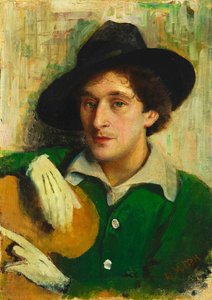
मार्क शागल
1887 - 1985 , बेलारूस
संक्षिप्त जानकारी
- कलात्मक शैली: आधुनिकवाद, प्रतीकवाद
- जन्म तिथि: जुलाई 6, 1887
- जन्म स्थान: लियोज्ना, बेलारूस
- पूरा नाम: मार्क शागल
- प्रभावित आंदोलन: ['अति यथार्थवाद']
- प्रभावित कलाकार:
- लियोन बाक्स्ट
- रॉबर्ट डेलाने
- प्रमुख कलाकृतियाँ:
- I और गाँव
- व्हाइट क्रूसीफिकेशन
- मृत्यु तिथि: मार्च 28, 1985
- राष्ट्रीयता: रूसी-फ्रांसीसी
संबंधित लेखों की सूची

Giclée Prints: Archival Quality & Aesthetic Nuances for the Discerning Collector
Explore the world of giclée prints with OriginalUniqueArt. Learn about archival quality, aesthetic nuances & investment potential. Expert guidance for discerning art collectors seeking museum-quality reproductions and lasting value.
Top 10 Lithographs That Revolutionized Art | OriginalUniqueArt
Explore 10 legendary lithographs by Toulouse-Lautrec, Munch & Picasso that redefined art! Discover the stories behind these iconic prints and find museum-quality reproductions for your home decor at OriginalUniqueArt.com. Explore the full collection online.

The Enduring Legacy of Fine Art Prints: Technique, History & Aesthetic Impact
Explore the rich history & techniques of fine art prints. Discover investment potential, assess authenticity, and learn how to preserve your collection with expert guidance. Trusted insights for discerning collectors.

Echoes of Time: Exploring the Enduring Appeal & Historical Context of Vintage Art Prints
Explore the captivating world of vintage art prints! Discover their history, collecting tips & enduring appeal. Expert insights on chromolithography and building a legacy collection with OriginalUniqueArt.
The Enduring Legacy of Printmaking: Techniques, Themes & Artistic Innovation Across Centuries
Explore the rich history of printmaking with OriginalUniqueArt. Discover techniques from intaglio to lithography, learn about collecting valuable prints & find museum-quality reproductions. Expert insights for art enthusiasts and collectors.


