
 पूर्वावलोकन देखें
 साझा करें
 साझा करें
 विस्तृत विवरण

 डाउनलोड करें
 समान कलाकृतियाँ
 एक्स-रे
 स्लाइड शो देखें
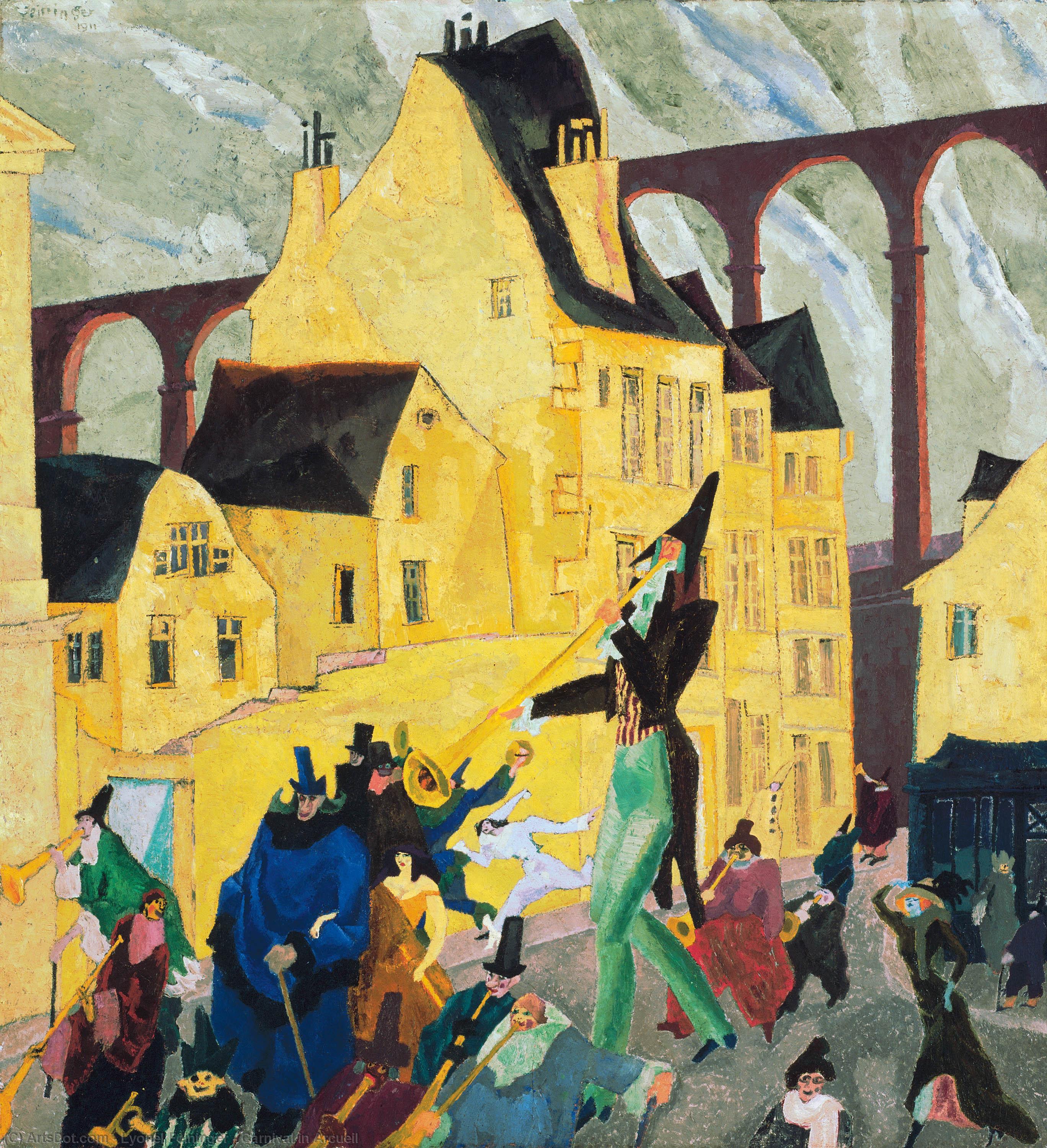
Carnival in Arcueil


 पूरा देखें
गिक्ली / आर्ट प्रिंट
तेज़ उत्पादन और विभिन्न फिनिश विकल्पों के साथ म्यूजियम-क्वालिटी गिकली (giclée) या कैनवस प्रिंट। ( हाथ से बनी पेंटिंग खरीदें छवि खरीदें)




P118B $10

P118H $10

P118W $10

P438Z $10

P508JH $12

P508YH $12

P805H $10

P805Z $10

P919BZ $10

P919G $10

P919XJ $10

P959ZH $10

P968JZ $12

W106C $8

W218G $10

W218JH $8

W218Y $10

W307PJ $10

W316G $10

W316PJ $8

W316Y $10

W398PJ $8

W4111J $10

W500HY $15

W500JH $15

W692G $12

W849H $8

W940BG $15

W953PJ $8




कलाकृति के मूल अनुपात से मेल खाने वाले हमारे पूर्व निर्धारित आकारों में से चुनें।

आप किसी विशिष्ट फ्रेम या स्थान के अनुसार अपने स्वयं के आयाम (dimensions) दर्ज कर सकते हैं। यदि आपके द्वारा चुना गया आकार मूल छवि के अनुपात से मेल नहीं खाता है, तो हम कलाकृति को क्रॉप कर देंगे या मिरर किए गए या सॉलिड-फिल किनारे के साथ छवि का विस्तार करेंगे। उत्पादन शुरू होने से पहले आपकी स्वीकृति के लिए एक डिजिटल मॉकअप भेजा जाएगा।
कृपया ध्यान दें कि स्क्रीन पर दिखने वाला प्रीव्यू वास्तविक क्रॉपिंग या विस्तार को नहीं दर्शाता है। केवल मॉकअप ही अंतिम संरचना को सटीक रूप से दिखाएगा।
हालाँकि कस्टम आकार उपलब्ध हैं, फिर भी हम मूल अनुपात बनाए रखने के लिए पूर्व-निर्धारित सूची में से एक आयाम चुनने की सलाह देते हैं।
विश्वव्यापी डिलीवरी (), मानक 4/5 सप्ताह के बजाय मात्र 2 सप्ताह में। (16 अगस्त)

दुनिया भर में मुफ़्त एक्सप्रेस शिपिंग

उच्च गुणवत्ता वाला लिनेन कैनवास

पूर्ण शिपिंग बीमा

सीमा शुल्क और आयात कर वापसी की गारंटी

सटीक रंग मिलान की गारंटी

60-दिन की वापसी नीति (केवल दोषों के लिए)

100% पैसे वापसी की गारंटी

थोक छूट का लाभ
 ग्लास का विकल्प केवल 110 सेमी से कम आकार में ही उपलब्ध है।

Carnival in Arcueil
गिक्ली / आर्ट प्रिंट
प्रतिकृति का आकार
-


कुल देय राशि
$ 80
संग्रहणीय वस्तु का विवरण
A Burst of Joy: Lyonel Feininger’s “Carnival in Arcueil”
Lyonel Feininger's "Carnival in Arcueil," painted in 1911, isn’t merely a depiction of a festive street scene; it’s a vibrant distillation of Expressionist energy and a testament to the artist’s unique ability to imbue everyday life with an extraordinary sense of movement and emotion. Housed within the Art Institute of Chicago, this oil on canvas transports us to the heart of a Parisian carnival, capturing not just the visual spectacle but also the palpable excitement and slightly surreal atmosphere that defines the moment. Feininger, a German-American painter deeply rooted in both European artistic traditions and American popular culture, masterfully blends elements of Cubism with the passionate intensity of Expressionism, creating an image that is both familiar and strikingly original.
The painting immediately draws the eye to its central figure: a man in black, balancing precariously on one leg while juggling three balls. This dynamic pose isn’t simply illustrative; it embodies the spirit of the carnival itself – a celebration of skill, daring, and joyful abandon. Surrounding him is a throng of figures, rendered with a remarkable degree of detail despite the overall impression of movement. They are not portraits in the traditional sense, but rather archetypes of carnival revelers—a mix of faces, costumes, and gestures that collectively contribute to the painting’s lively energy. The artist's use of color is particularly noteworthy; bold yellows, reds, blues, and greens dominate the palette, creating a dazzling visual effect that mirrors the vibrancy of the event itself.
The Architectural Backdrop: Bridges and Parisian Identity
Beyond the figures, it’s crucial to consider the setting – two prominent bridges that frame the scene. These aren't merely architectural elements; they are integral to the painting’s narrative. Arcueil, a town just south of Paris, was a frequent subject for Feininger, and these bridges became recurring motifs in his work. They represent not only the physical connection between different parts of the city but also a sense of Parisian identity—a blend of urban dynamism and historical heritage. The bridges’ solid forms provide a grounding element to the swirling chaos of the carnival, anchoring the scene within a recognizable, yet subtly stylized, reality.
Feininger's fascination with architecture is evident throughout his oeuvre, reflecting a broader interest in geometric form and spatial relationships. He often depicted buildings not as static objects but as dynamic forces shaping the urban landscape. In “Carnival in Arcueil,” the bridges serve as both structural supports and visual anchors, guiding the viewer’s eye through the composition and contributing to the painting's overall sense of depth and movement.
Expressionist Techniques: Color, Form, and Emotion
The painting’s distinctive style is firmly rooted in Expressionism—a movement that sought to convey subjective emotions rather than objective reality. Feininger achieves this through a number of key techniques. His use of flattened perspective and fragmented forms creates a sense of disorientation and immediacy, as if the viewer is swept up in the carnival's frenetic energy. The colors are applied with thick impasto—a technique that adds texture and physicality to the surface of the canvas—further enhancing the painting’s emotional impact.
Furthermore, Feininger employs a masterful use of color theory. He utilizes contrasting hues to heighten visual interest and create a sense of dynamism. The vibrant yellows and reds of the carnival scene are juxtaposed with cooler blues and greens in the background, generating a powerful visual tension. This interplay of colors not only captures the sensory experience of the carnival but also reflects the artist’s own emotional response to it—a mixture of excitement, wonder, and perhaps even a touch of melancholy.
A Legacy of Modernity: Feininger's Place in Art History
“Carnival in Arcueil” stands as a pivotal work in Lyonel Feininger’s career and a significant example of early 20th-century art. His exploration of urban life, combined with his innovative use of color and form, foreshadowed many of the developments that would characterize modernism. The painting's influence can be seen in the works of later Expressionist artists such as Max Beckmann and Emil Nolde, while its stylistic elements also resonate with the Cubist explorations of Picasso and Braque.
Today, “Carnival in Arcueil” continues to captivate viewers with its vibrant energy and emotional depth. It’s a reminder of the power of art to capture not just what we see but also what we feel—a celebration of joy, movement, and the enduring spirit of human connection.
कलाकार का जीवन परिचय
प्रारंभिक जीवन और करियर: एक व्यंगचित्रकार से ललित कलाकार
- जन्म और परिवार: लियोनेल चार्ल्स एड्रियन फेनिंगर का जन्म 17 जुलाई, 1871 को न्यूयॉर्क शहर में हुआ था। उनके पिता, कार्ल फेनिंगर, एक जर्मन-अमेरिकी वायलिन वादक और संगीतकार थे, और उनकी माँ, एलिजाबेथ फेनिंगर, एक अमेरिकी गायिका थीं। यह कलात्मक पृष्ठभूमि उनके प्रारंभिक विकास पर महत्वपूर्ण रूप से प्रभाव डालती है।
- प्रारंभिक शिक्षा और यूरोपीय यात्राएँ: 1887 में, 16 वर्ष की आयु में, फेनिंगर संगीत का अध्ययन करने के लिए यूरोप गए, लेकिन जल्द ही उनका ध्यान कला की ओर स्थानांतरित हो गया। उन्होंने हैम्बर्ग और बर्लिन में चित्रकला का अध्ययन किया।
- व्यावसायिक कला करियर: 1894 से, फेनिंगर ने विभिन्न जर्मन, फ्रांसीसी और अमेरिकी पत्रिकाओं के लिए एक सफल व्यंगचित्रकार के रूप में अपना करियर स्थापित किया। उनकी कॉमिक स्ट्रिप्स, जैसे "द किन-डर-किड्स" और "वी विली विंकी की दुनिया", काफी लोकप्रिय हुईं और उनकी अनूठी ग्राफिक शैली को प्रदर्शित किया।
- ललित कला में परिवर्तन: व्यावसायिक कला में 20 वर्षों के कार्यकाल के बाद, फेनिंगर ने 36 वर्ष की आयु में ललित कला में प्रवेश किया। यह उनकी कलात्मक यात्रा में एक महत्वपूर्ण मोड़ था।
अभिव्यक्तिवाद और बाऊहाउस का प्रभाव
- अभिव्यक्तिवादी समूहों में शामिल होना: फेनिंगर अभिव्यक्तिवाद के एक प्रमुख प्रतिपादक बन गए, प्रभावशाली समूहों जैसे डाई ब्रुके, नवंबरग्रुप और ग्रूप 1919 में शामिल हुए। इस अवधि के दौरान उनके काम ने आंदोलन की भावनात्मक अभिव्यक्ति और व्यक्तिपरक अनुभव पर जोर दिया।
- पहली एकल प्रदर्शनी: बर्लिन (1917) में स्टर्म गैलरी में उनकी पहली एकल प्रदर्शनी एक महत्वपूर्ण क्षण था, जिसने उन्हें कला जगत में एक प्रमुख व्यक्ति के रूप में स्थापित किया।
- बाऊहाउस मास्टर: 1919 में, वाल्टर ग्रोपियस ने फेनिंगर को बाऊहाउस के पहले संकाय सदस्य के रूप में नियुक्त किया, जो कला और डिजाइन का एक अभूतपूर्व स्कूल था। उन्होंने प्रिंटमेकिंग कार्यशाला के प्रभारी मास्टर कलाकार के रूप में कार्य किया, जिससे कई छात्रों पर महत्वपूर्ण प्रभाव पड़ा।
- कलात्मक शैली: उनके काम को प्रिज्मेटिक टूटे हुए रूपों, पारभासी रंगों और वास्तुकला और समुद्र के संदर्भों द्वारा चित्रित किया गया था, जो उन्हें शास्त्रीय आधुनिकता के साथ जोड़ते हैं।
प्रमुख कार्य और कलात्मक विकास
- प्रारंभिक समुद्री चित्र: उसेडोम द्वीप (1909-1918) पर ग्रीष्मकालीन छुट्टियों के दौरान, फेनिंगर ने बाल्टिक सागर को दर्शाने वाले कई समुद्री चित्र बनाए, जो उनकी विकसित होती शैली को प्रदर्शित करते हैं।
- उल्लेखनीय कार्य: उनके महत्वपूर्ण कार्यों में "वेर्डर I" (वॉटरकलर), "गैबरंडोर्फ II" (पेपर) और "बोट्स" (घनवाद, तेल पर कैनवास) शामिल हैं। ये टुकड़े अभिव्यक्तिवादी तकनीकों और वास्तुशिल्प विषयों के उनके अनूठे मिश्रण का उदाहरण देते हैं।
- तस्वीरी कार्य: 1928 और मध्य-1950 के दशक के बीच, फेनिंगर ने एक पर्याप्त मात्रा में तस्वीरें बनाईं, जो एक कलाकार के रूप में उनकी बहुमुखी प्रतिभा को प्रदर्शित करती हैं।
- संगीत रचनाएँ: उन्होंने कई पियानो टुकड़े और अंग के लिए फ्यूग भी बनाए, जो उनकी कलात्मक प्रतिभा का एक अन्य पहलू प्रकट करते हैं।
बाद के वर्ष और विरासत
- संयुक्त राज्य अमेरिका में प्रवासन: नाजी पार्टी के उदय के कारण 1933 में, फेनिंगर अपनी पत्नी के साथ संयुक्त राज्य अमेरिका में चले गए।
- निरंतर कलात्मक अभ्यास: उन्होंने अपने जीवन भर पेंटिंग करना और कला बनाना जारी रखा, एक विशिष्ट शैली बनाए रखी।
- मृत्यु और मान्यता: लियोनेल फेनिंगर का निधन 13 जनवरी, 1956 को हो गया। उनके काम ने कला जगत पर एक अमिट छाप छोड़ी है, जो अभिव्यक्तिवाद, ग्राफिक प्रयोग और वास्तुशिल्प विषयों के उनके अनूठे मिश्रण से कलाकारों और उत्साही लोगों को प्रेरित करते हैं।
- ऐतिहासिक महत्व: अभिव्यक्तिवाद और बाऊहाउस आंदोलन दोनों में एक प्रमुख व्यक्ति के रूप में, फेनिंगर के योगदान ने आधुनिक कला की दिशा को महत्वपूर्ण रूप से आकार दिया। रंग, रूप और परिप्रेक्ष्य के उनके नवीन उपयोग आज भी दर्शकों को प्रभावित करते हैं।

लायोनल फेनिंगर
1871 - 1956
संबंधित लेख

Lyonel Feininger: Bridging Expressionism & Cubism – A Study of Spiritual Geometry
Explore the captivating world of Lyonel Feininger, a pivotal figure bridging Expressionism & Cubism. Discover his architectural visions, Bauhaus influence, and enduring legacy in modern art history. Learn more at OriginalUniqueArt.

Figurative Expressionism: Emotional Intensity & Subjective Reality in 20th-Century Art
Explore the powerful world of Figurative Expressionism with OriginalUniqueArt. Discover key artists like Kirchner & Beckmann, understand its emotional depth, and learn how to collect this influential 20th-century art movement.
The Raw Emotion of Expressionism: A Deep Dive into its History, Characteristics & Enduring Influence
Explore the raw emotion of Expressionism with OriginalUniqueArt. Discover its history, key artists like Kirchner & Munch, and lasting influence on modern art. Expert insights for collectors & enthusiasts.
Deconstructing Reality: Cubist Expressionism's Aesthetic & Philosophical Foundations
Explore the profound aesthetic & philosophical foundations of Cubist Expressionism. Discover key artists, movements, and lasting influence on modern art history. A guide for discerning collectors.

German Expressionism's 10 Defining Masterpieces | Art for Your Home
Explore 10 defining German Expressionism masterpieces – from Munch's 'The Scream' to Kandinsky’s abstracts. Discover the artists, stories & bold colors behind this powerful art movement. Find museum-quality reproductions at OriginalUniqueArt.com.

