पूर्वावलोकन देखें
 साझा करें
 साझा करें
 विस्तृत विवरण
 मार्गदर्शिका

 डाउनलोड करें
 समान वस्तुएं
 एक्स-रे
 स्लाइड शो देखें
 प्रश्न और उत्तर
 आंकड़े
View of


 पूरा देखें
इस पृष्ठ पर प्रदर्शित कलाकृति कॉपीराइट कानून द्वारा संरक्षित है, जिसका अर्थ है कि हम कानूनी रूप से इसकी हूबहू प्रतिलिपि बनाने या बेचने का अधिकार नहीं रखते हैं। यह संरक्षण अंतर्राष्ट्रीय समझौतों के तहत लागू किया जाता है, जैसे कि बर्न कन्वेंशन और राष्ट्रीय कानूनों द्वारा, जिनमें % द्वारा निर्धारित कानून भी शामिल हैं। अमेरिकी कॉपीराइट कानून - शीर्षक 17।
यह विधि कॉपीराइट नियमों का पूरी तरह से पालन करती है क्योंकि इसमें संरक्षित कलाकृति की नकल या प्रतिलिपि बनाना शामिल नहीं है। इसके बजाय, यह एक रचनात्मक पुनर्व्याख्या है - एक ऐसी नई पेंटिंग जो मूल कृति से प्रेरित तो है, लेकिन उसके समान नहीं है।
गिक्ली / आर्ट प्रिंट
तेज़ उत्पादन और विभिन्न फिनिश विकल्पों के साथ म्यूजियम-क्वालिटी गिकली (giclée) या कैनवस प्रिंट। ( इस संग्रहणीय वस्तु की हाथ से बनी प्रतिकृति मंगवाएं डिजिटल इमेज पर स्विच करें)




P118B ₹10

P118H ₹10

P118W ₹10

P438Z ₹10

P508JH ₹12

P508YH ₹12

P805H ₹10

P805Z ₹10

P919BZ ₹10

P919G ₹10

P919XJ ₹10

P959ZH ₹10

P968JZ ₹12

W106C ₹8

W218G ₹10

W218JH ₹8

W218Y ₹10

W307PJ ₹10

W316G ₹10

W316PJ ₹8

W316Y ₹10

W398PJ ₹8

W4111J ₹10

W500HY ₹15

W500JH ₹15

W692G ₹12

W849H ₹8

W940BG ₹15

W953PJ ₹8




कलाकृति के मूल अनुपात से मेल खाने वाले हमारे पूर्व निर्धारित आकारों में से चुनें।

अपने फ्रेम या अपनी दीवार के अनुसार आवश्यक चौड़ाई और ऊंचाई दर्ज करें। प्रिंट को केवल काटा जा सकता है, चित्र से बड़ा कभी नहीं बनाया जा सकता, इसलिए अलग आकार का साइज चित्र का एक हिस्सा खो देता है। किसी भी चीज़ को प्रिंट करने से पहले हम आपकी स्वीकृति के लिए आपको एक डिजिटल मॉकअप भेजते हैं। इस पृष्ठ पर दिखाया गया चित्र वास्तविक कटिंग नहीं दिखाता है — केवल मॉकअप ही इसे दर्शाता है।
विश्वव्यापी डिलीवरी (), मानक 4/5 सप्ताह के बजाय मात्र 2 सप्ताह में। (3 नवमबर)

दुनिया भर में मुफ़्त एक्सप्रेस शिपिंग

उच्च गुणवत्ता वाला लिनेन कैनवास

पूर्ण शिपिंग बीमा

सीमा शुल्क और आयात कर वापसी की गारंटी

सटीक रंग मिलान की गारंटी

100 दिनों की वापसी नीति (केवल दोष होने पर)

100% पैसे वापसी की गारंटी

थोक छूट का अवसर
 ग्लास का विकल्प केवल 110 सेमी से कम आकार में ही उपलब्ध है।

View of
गिक्ली / आर्ट प्रिंट
प्रतिकृति का आकार
-


कुल देय राशि
₹ 7806
A Window into Spatialism: Examining Lucio Fontana’s “View”
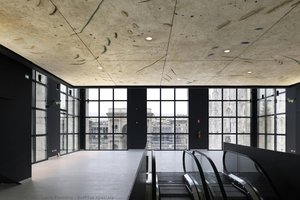
Fontana's "View," painted in 1956, represents a pivotal moment in the evolution of abstract art and embodies the core tenets of Spatialism—a movement that sought to liberate painting from representational constraints and explore the fundamental nature of space itself. The photograph captures a striking depiction of a man engaged in activity, possibly dancing or playing tennis, draped in opulent gold attire. This visual choice immediately draws attention, highlighting Fontana’s deliberate manipulation of color and texture to convey an emotional resonance beyond mere observation. Behind him hangs a clock – a symbol of time and progression—and a window framing a distant landscape, contributing to the painting's contemplative atmosphere. The inclusion of these elements isn’t accidental; Fontana aimed to disrupt traditional perspectives on composition and invite viewers into a dialogue with the artwork itself.- Style: Spatialism – Fontana’s work decisively abandons illusionistic representation, prioritizing instead the exploration of geometric forms and their relationship to space.
- Technique: Fontana employed a technique known as *bonta*, which involved perforating or incising the surface of his canvases with nails or other instruments. This groundbreaking method created visible punctures that disrupt the flatness of the canvas, transforming it into an open space—a conceptual gesture as much as a physical one.
- Historical Context: Spatialism emerged in Italy during the mid-1950s, reacting against the dominance of Surrealism and Expressionism. It was influenced by developments in mathematics and physics, particularly Einstein’s theory of relativity, which challenged Newtonian conceptions of space and time.
Symbolic Layers: Beyond Form and Color
The golden clothing worn by the figure is more than just a decorative element; it symbolizes aspiration and transcendence. Fontana deliberately chose gold to elevate the subject matter, suggesting an attempt to capture not simply physicality but also spiritual essence. The clock serves as a reminder of mortality and the passage of time—a counterpoint to the dynamism represented by the man’s movement. Simultaneously, the window represents openness and connection to the external world, inviting contemplation on themes of solitude and observation. Fontana's masterful use of visual cues communicates profound ideas about human experience and artistic ambition.Emotional Impact: Disrupting Perception
“View” isn’t merely a depiction; it’s an invitation to reconsider how we perceive reality. Fontana’s bold intervention in painting disrupts the viewer's accustomed gaze, forcing them to confront the materiality of the canvas and engage with its conceptual implications. The photograph itself underscores this effect—the stark black and white contrasts heighten the visual drama and emphasize the geometric precision of Fontana’s work. Ultimately, the painting evokes a feeling of wonder and intellectual curiosity, prompting viewers to contemplate the boundaries between art and thought.A Legacy of Innovation
Lucio Fontana's “View” stands as an enduring testament to his unwavering commitment to artistic experimentation. It solidified Spatialism’s position as one of the most influential movements in postwar art and continues to inspire artists today. Reproductions offer a remarkable opportunity to experience this seminal artwork firsthand, allowing collectors and interior designers alike to incorporate its distinctive aesthetic into their spaces—a celebration of form, color, and the transformative power of artistic vision.प्रश्न और उत्तर
क्या मैं अपने कमरे में लुसियो फोंटाना द्वारा "View of" को देखने के लिए ऑगमेंटेड रियलिटी (augmented reality) का उपयोग कर सकता हूँ?
"View of" के लिए एक ऑगमेंटेड रियलिटी प्रीव्यू उपलब्ध है: कलाकृति का एआर में देखें पेज एक संगत डिवाइस पर इसे आपके अपने स्थान में दिखाता है।
"View of" की कॉपीराइट स्थिति ऐसी क्यों है?
लुसियो फोंटाना द्वारा "View of" अब अभी भी कॉपीराइट द्वारा सुरक्षित है है। कॉपीराइट की अवधि कलाकार की मृत्यु से गिनी जाती है, जिनका निधन 1968 में हुआ था।
"View of" (1956), लुसियो फोंटाना के करियर के किस चरण से संबंधित है?
अपनी 1956 की तिथि को देखते हुए, "View of" लुसियो फोंटाना के Mid-Career Innovation काल का हिस्सा है।
कलाकार की जीवनी
लुचियो फोंटाना: अंतरिक्ष की अवधारणा का पथप्रदर्शक
लुचियो फोंटाना, बीसवीं सदी के कला जगत में एक क्रांतिकारी नाम, अर्जेंटीना में जन्मे और इटली में अपनी पहचान बनाने वाले एक ऐसे कलाकार थे जिन्होंने कला को नए आयाम दिए। 1899 में रोसारियो में उनका जन्म हुआ था, जहाँ उनके पिता, ल्यूइगी फोंटाना, एक इतालवी मूर्तिकार थे। बचपन से ही उन्हें कला के प्रति रुझान था, लेकिन उनकी यात्रा पारंपरिक सीमाओं से परे थी। अर्जेंटीना और इटली के बीच बार-बार आने-जाने ने उनके दृष्टिकोण को आकार दिया और उन्हें स्थापित मानदंडों को चुनौती देने के लिए प्रेरित किया। शुरुआती दौर में उन्होंने मूर्तियां और चित्र बनाए, लेकिन धीरे-धीरे उनका काम अमूर्तता की ओर बढ़ता गया, जो एक ऐसी क्रांति का संकेत था जिसे वे कला जगत में लाने वाले थे।द्वितीय विश्व युद्ध और स्पैटियलिज्म का जन्म
द्वितीय विश्व युद्ध ने फोंटाना के जीवन में एक महत्वपूर्ण मोड़ ला दिया। विनाश और उथल-पुथल को प्रत्यक्ष रूप से देखने के बाद, उन्होंने कला के उद्देश्य को फिर से परिभाषित करने की आवश्यकता महसूस की। इसी भावना से प्रेरित होकर उन्होंने *स्पैटियलिज्म* (Spatialism) नामक एक आंदोलन शुरू किया, जिसका लक्ष्य न केवल अंतरिक्ष का प्रतिनिधित्व करना था, बल्कि इसे कला का अभिन्न अंग बनाना था। फोंटाना का मानना था कि पारंपरिक चित्रकला दो-आयामी होने के कारण सीमित है और कला को एक स्थिर तल पर बांधे रखती है। उन्होंने एक नए अभिव्यक्ति के रूप की कल्पना की जो इन बाधाओं को तोड़ दे और अंतरिक्ष की अनंत गहराई और क्षमता को स्वीकार करे। यह केवल गहराई का भ्रम पैदा करने के बारे में नहीं था; बल्कि, यह कैनवास से परे स्थित स्थान को शारीरिक रूप से खोलने के बारे में था। 1940 के दशक के अंत में, फोंटाना ने अपने अब तक के सबसे प्रतिष्ठित कार्यों की श्रृंखला शुरू की - कटे और छिद्रित कैनवस। ये विनाशकारी कार्य नहीं थे, बल्कि जानबूझकर किए गए हस्तक्षेप थे जो एक ऐसे शून्य को उजागर करते थे जो ब्रह्मांड की विशालता का प्रतीक था।प्रभाव और कलात्मक संबंध
फोंटाना का कलात्मक विकास अलगाव में नहीं हुआ। उन्होंने विभिन्न प्रभावों को आत्मसात किया और उन्हें अपनी अनूठी दृश्य भाषा में बदल दिया। विन्सेंट वैन गॉग की भावपूर्ण तीव्रता ने उन्हें गहराई से प्रभावित किया, खासकर ब्रशवर्क के माध्यम से व्यक्त भावनाओं की शक्ति। उन्होंने पीटर ब्रुगेल द एल्डर की व्यंग्यात्मक भावना की भी प्रशंसा की, समाज की कमियों पर टिप्पणी करने की उनकी क्षमता से प्रेरित थे। हालाँकि, पोलिश कलाकार जान ग्रेगोरज स्तानिसव्स्की के काम के साथ एक महत्वपूर्ण मुठभेड़ ने विशेष रूप से परिवर्तनकारी प्रभाव डाला। स्तानिसव्स्की द्वारा प्रकाश और रंग की खोज ने फोंटाना के अमूर्त दृष्टिकोण और स्थानिक प्रतिनिधित्व को गहराई से प्रभावित किया। इसके अतिरिक्त, *एब्सट्रैक्शन-क्रिएशन* जैसे समूहों में उनकी भागीदारी ने कलाकारों के एक व्यापक नेटवर्क के साथ विचारों का आदान-प्रदान करने के लिए प्रेरित किया, जिसने उनके प्रयोगों को बढ़ावा दिया। अपनी विशिष्टता के बावजूद, फोंटाना का काम अन्य युद्धोत्तर आंदोलनों जैसे ज़ीरो और नोवो रियलिज़्म के साथ भी समानताएं साझा करता है, जो सभी कला की सीमाओं को फिर से परिभाषित करने और पारंपरिक धारणाओं को चुनौती देने का प्रयास कर रहे थे।कटे हुए कैनवस से परे: आयामी विरासत
हालांकि कटे हुए कैनवस उनकी सबसे प्रसिद्ध उपलब्धि बने हुए हैं, फोंटाना की अंतरिक्ष की खोज इस एकल तकनीक तक सीमित नहीं थी। उन्होंने *होल पेंटिंग्स* भी बनाईं, कैनवास की सतह में वास्तविक उद्घाटन किए जो स्थानिक गहराई पर जोर देते थे। उन्होंने मूर्तिकला का भी प्रयास किया, ऐसे काम बनाए जो उनके द्वि-आयामी टुकड़ों में पाए जाने वाले आयतन और शून्य के विषयों को प्रतिध्वनित करते हैं। उनके *सोफिटो स्पैज़ियाले* (स्पेशल सीलिंग) प्रतिष्ठान विशेष रूप से महत्वाकांक्षी थे, जिससे पूरे वातावरण को विसर्जित अनुभवों में बदल दिया गया जो अनंत स्थान की भावना को जगाते थे। ये बड़े पैमाने पर रचनाएँ दर्शकों को घेर लेती थीं, कला और वास्तुकला के बीच की रेखाओं को धुंधला करती थीं, चित्रकला और मूर्तिकला को मिलाती थीं। फोंटाना का बाद के पीढ़ियों के कलाकारों पर प्रभाव निर्विवाद है। उन्होंने मिनिमलिज्म जैसे आंदोलनों का मार्ग प्रशस्त किया, एक कमीवादी सौंदर्यशास्त्र पर ध्यान केंद्रित किया जो रूप और सामग्री पर केंद्रित था। प्रक्रिया और वैचारिक इरादे पर उनका जोर आर्ट पोवेरा के पहलुओं को भी दर्शाता है, जो असामान्य सामग्रियों को अपनाते हैं और कलात्मक मूल्य की पारंपरिक धारणाओं को चुनौती देते हैं।एक स्थायी प्रतिध्वनि
1968 में कोमाबियो, इटली में फोंटाना की मृत्यु ने एक उल्लेखनीय करियर का अंत नहीं किया, बल्कि उनकी विरासत को भी जारी रखा। आज, उनके कार्यों को दुनिया भर के प्रतिष्ठित संग्रहालयों के संग्रह में रखा गया है - द मेट्रोपॉलिटन म्यूजियम ऑफ आर्ट से लेकर ऑस्ट्रेलिया के बैलेरेट फाइन आर्ट गैलरी तक - जो उनकी स्थायी विरासत का प्रमाण हैं। वह युद्धोत्तर अमूर्त कला के एक महत्वपूर्ण व्यक्ति बने हुए हैं, अपनी परंपराओं को चुनौती देने और कलात्मक अभिव्यक्ति के सार को फिर से परिभाषित करने की हिम्मत के लिए सम्मानित हैं। फोंटाना ने केवल कैनवस पर ही चित्र नहीं बनाए; उन्होंने स्वयं अंतरिक्ष के साथ जुड़ गए, ऐसे काम बनाए जो दर्शकों को दृश्यमान दुनिया से परे असीम संभावनाओं पर विचार करने के लिए आमंत्रित करते हैं। उनकी विरासत केवल कटे हुए कैनवस का संग्रह नहीं है, बल्कि वास्तविकता को नए और विस्तृत तरीकों से देखने के लिए एक गहन निमंत्रण है। उन्होंने प्रदर्शित किया कि कला प्रतिनिधित्व से अधिक हो सकती है - यह अस्तित्व की खोज भी हो सकती है।
लुसियो फोंटाना
1899 - 1968 , अर्जेंटीना
प्रमुख तथ्य
- कलात्मक शैली: स्थानिकवाद (Spatialism)
- जन्म तिथि: 19 फ़रवरी 1899
- जन्म स्थान: रोसारियो, अर्जेंटीना
- पूरा नाम: लुसियो फोंटाना
- प्रभावित आंदोलन:
- ज़ीरो
- नवो रियलिज़्म
- मिनिमलिज़म
- प्रभावित कलाकार:
- विन्सेंट वैन गॉग
- जॉन ग्रेगोरज स्टानिस्लाव्स्की
- पीटर ब्रुगेल द एल्डर
- प्रमुख कलाकृतियाँ:
- अवधारणा स्पेसियल, अटेशे
- स्पेशल अवधारणा
- स्लैश कैनवस
- सॉफ्टिट्टो स्पेसियल
- मृत्यु तिथि: 29 सितंबर 1968
- राष्ट्रीयता: अर्जेंटीना-इतालवी
संबंधित लेख

Shadow & Soul: Why Black & White Photography Remains the Ultimate Power Move in Modern Art
Discover why black & white photography remains a powerful force in contemporary art. Explore the impact of light, shadow, and texture through a visual journey of monochrome mastery and learn how to elevate your space with timeless grayscale aesthetics.
आधुनिक आंतरिक सज्जा में काले, सफेद और धूसर अमूर्तता का जादू: एक कलात्मक अन्वेषण
आधुनिक आंतरिक सज्जा में काले, सफेद और धूसर अमूर्त कला के जादू का अन्वेषण करें। होटल डिजाइनरों के लिए विशेषज्ञ मार्गदर्शन, कला चयन युक्तियाँ और OriginalUniqueArt.com से उच्च-गुणवत्ता वाले पुनरुत्पादन।

Dark Masterpieces: 10 Iconic Paintings Dominated by Black Tones |
Explore 10 iconic paintings dominated by black tones, from Rembrandt’s chiaroscuro to Goya's dark expressions. Discover the stories behind these masterpieces & find museum-quality art reproductions for your home at .

Monochrome Visions: Exploring the Aesthetic & Historical Significance of Black & White Photography
Explore the rich history & artistic power of black and white photography. From early techniques to iconic masters like Ansel Adams, discover why monochrome continues to captivate art lovers today. Expert insights for collectors.

White on Canvas: 10 Masterpieces & Timeless Elegance for Your Home Decor
Explore 10 iconic white paintings by Monet, Whistler & Rothko! Discover the stories behind these serene masterpieces and their impact on art history. Find museum-quality reproductions for your home decor at .