

 पूर्वावलोकन देखें
 भेजें
भेजें साझा करें
 विवरण देखें
 मार्गदर्शिका

 डाउनलोड करें
 समान वस्तुएं
 एक्स-रे
 स्लाइड शो देखें
 आंकड़े
I quanta


 और पढ़ें
इस पृष्ठ पर प्रदर्शित कलाकृति कॉपीराइट कानून द्वारा संरक्षित है, जिसका अर्थ है कि हम कानूनी रूप से इसकी हूबहू प्रतिलिपि बनाने या बेचने का अधिकार नहीं रखते हैं। यह संरक्षण अंतर्राष्ट्रीय समझौतों के तहत लागू किया जाता है, जैसे कि बर्न कन्वेंशन और राष्ट्रीय कानूनों द्वारा, जिनमें % द्वारा निर्धारित कानून भी शामिल हैं। अमेरिकी कॉपीराइट कानून - शीर्षक 17।
यह विधि कॉपीराइट नियमों का पूरी तरह से पालन करती है क्योंकि इसमें संरक्षित कलाकृति की नकल या प्रतिलिपि बनाना शामिल नहीं है। इसके बजाय, यह एक रचनात्मक पुनर्व्याख्या है - एक ऐसी नई पेंटिंग जो मूल कृति से प्रेरित तो है, लेकिन उसके समान नहीं है।
गिक्ली / आर्ट प्रिंट
तेज़ उत्पादन और विभिन्न फिनिश विकल्पों के साथ म्यूजियम-क्वालिटी गिकली (giclée) या कैनवस प्रिंट। ( हाथ से बनी पेंटिंग खरीदें डिजिटल इमेज पर जाएँ)




P118B ₹10

P118H ₹10

P118W ₹10

P438Z ₹10

P508JH ₹12

P508YH ₹12

P805H ₹10

P805Z ₹10

P919BZ ₹10

P919G ₹10

P919XJ ₹10

P959ZH ₹10

P968JZ ₹12

W106C ₹8

W218G ₹10

W218JH ₹8

W218Y ₹10

W307PJ ₹10

W316G ₹10

W316PJ ₹8

W316Y ₹10

W398PJ ₹8

W4111J ₹10

W500HY ₹15

W500JH ₹15

W692G ₹12

W849H ₹8

W940BG ₹15

W953PJ ₹8




कलाकृति के मूल अनुपात से मेल खाने वाले हमारे पूर्व निर्धारित आकारों में से चुनें।

आप किसी विशिष्ट फ्रेम या स्थान के अनुसार अपने स्वयं के आयाम (dimensions) दर्ज कर सकते हैं। यदि आपके द्वारा चुना गया आकार मूल छवि के अनुपात से मेल नहीं खाता है, तो हम कलाकृति को क्रॉप कर देंगे या मिरर किए गए या सॉलिड-फिल किनारे के साथ छवि का विस्तार करेंगे। उत्पादन शुरू होने से पहले आपकी स्वीकृति के लिए एक डिजिटल मॉकअप भेजा जाएगा।
कृपया ध्यान दें कि स्क्रीन पर दिखने वाला प्रीव्यू वास्तविक क्रॉपिंग या विस्तार को नहीं दर्शाता है। केवल मॉकअप ही अंतिम संरचना को सटीक रूप से दिखाएगा।
हालाँकि कस्टम आकार उपलब्ध हैं, फिर भी हम मूल अनुपात बनाए रखने के लिए पूर्व-निर्धारित सूची में से एक आयाम चुनने की सलाह देते हैं।
विश्वव्यापी डिलीवरी (), मानक 4/5 सप्ताह के बजाय मात्र 2 सप्ताह में। (8 अक्टूबर)

दुनिया भर में मुफ़्त एक्सप्रेस शिपिंग

प्रीमियम ग्रेड लिनेन कैनवास

पूर्ण शिपिंग बीमा

सीमा शुल्क और आयात कर वापसी की गारंटी

सटीक रंग मिलान की गारंटी

100 दिनों की वापसी नीति (केवल निर्माण दोष होने पर)

100% पैसे वापसी की गारंटी

थोक छूट का अवसर
 ग्लास का विकल्प केवल 110 सेमी से कम आकार में ही उपलब्ध है।

I quanta
गिक्ली / आर्ट प्रिंट
प्रतिकृति का आकार
-


कुल मूल्य
₹ 7610
Lucio Fontana’s ‘I Quanta’: A Revelation of Space
Lucio Fontana's "I quanta," a captivating work from 1960, isn’t merely a painting; it’s an invitation to reconsider the very nature of art and its relationship to space. Born in Rosario, Argentina, in 1899, and later establishing himself as a pivotal figure in Italian avant-garde circles, Fontana relentlessly pursued radical innovations throughout his career. “I quanta,” with its vibrant red slices cutting through a seemingly monochrome background, embodies this spirit perfectly. The photograph presented here offers a close-up glimpse into this dynamic composition, revealing the meticulous layering of color and texture that defines Fontana’s unique approach. The scattered shapes aren't haphazard; they possess an intentional rhythm, drawing the eye across the canvas and creating a sense of controlled chaos – a hallmark of his Spatialism.
Spatialism: Redefining the Boundaries of Art
Fontana’s work is inextricably linked to the movement he founded, Spatialism. Emerging in the mid-1940s, Spatialism rejected the traditional constraints of painting – its two-dimensional surface, its reliance on illusion and representation. Instead, Fontana sought to liberate art from these limitations, proposing that it should exist as a dynamic interaction between the picture plane and the surrounding space. His signature technique—the “cut” or “slash”—became the central gesture of this philosophy. These incisions weren’t simply decorative; they were acts of revelation, exposing the void behind the canvas and suggesting an infinite depth. "I quanta" exemplifies this perfectly, with the red slices acting as portals into a perceived space beyond the physical boundaries of the artwork.
Technique and Materiality: A Dialogue Between Surface and Void
The execution of “I quanta” is both precise and intuitively expressive. The monochrome background, likely applied with meticulous care, provides a stark contrast to the bold red shapes. Fontana’s use of color was often considered reductive – he favored simple hues like black, white, and red – but within this restraint lay immense potential for visual impact. The cuts themselves are clean and deliberate, suggesting a controlled energy. It's important to note that Fontana frequently lined the reverse of his canvases with black gauze, creating an illusion of depth and shimmering light when viewed in darkened settings. This layering of materials—paint, canvas, and gauze—contributes significantly to the artwork’s overall effect, transforming it into a complex interplay of surfaces and voids.
Symbolism and Emotional Resonance: A Quest for the Infinite
The symbolism embedded within “I quanta” is open to interpretation, reflecting Fontana's broader philosophical concerns. The red slices can be seen as representing fragments of a whole, suggesting a desire to break down established forms and reveal underlying structures. Some scholars have linked the work to concepts of quantum physics – hence the title "I quanta" (meaning “the quanta” or smallest units of energy) – interpreting the cuts as symbolic representations of these fundamental particles. More broadly, the piece evokes a sense of mystery and exploration, inviting viewers to contemplate the relationship between perception, space, and reality. The act of cutting itself can be viewed as an attempt to pierce through illusion and access something more profound—a visual metaphor for the search for the infinite.
OriginalUniqueArt offers meticulously crafted hand-painted reproductions of Lucio Fontana’s “I quanta,” allowing you to experience the power and beauty of this seminal work in your own space. Each reproduction is created by skilled artists using traditional techniques, ensuring an authentic representation of Fontana's vision. Explore our collection today and bring a piece of art history into your home.
प्रश्न और उत्तर
1960 में "I quanta" की रचना करते समय लुसियो फोंटाना की आयु क्या थी?
जब 1960 में "I quanta" का निर्माण किया गया था, तब 1899 में जन्मे लुसियो फोंटाना की आयु 61 वर्ष थी।
"I quanta" की कॉपीराइट स्थिति ऐसी क्यों है?
लुसियो फोंटाना द्वारा निर्मित "I quanta" अभी भी कॉपीराइट द्वारा संरक्षित है है। कॉपीराइट की अवधि कलाकार की मृत्यु के वर्ष से मापी जाती है, और लुसियो फोंटाना का निधन 1968 में हुआ था।
लुसियो फोंटाना द्वारा "I quanta" किस वर्ष में बनाया गया था?
"I quanta" का निर्माण 1960 में हुआ था। यह तिथि इस कृति को लुसियो फोंटाना के करियर और उस युग के संदर्भ में स्थापित करती है।
लुसियो फोंटाना द्वारा "I quanta" में कौन सा मुख्य रंग प्रमुखता से दिखाई देता है?
लुसियो फोंटाना द्वारा "I quanta" में Warm Sunset Tones रंग की प्रधानता है।
"I quanta" के पीछे के कलाकार कौन हैं?
"I quanta" के पीछे के कलाकार लुसियो फोंटाना हैं। यह कृति लुसियो फोंटाना के नाम के अंतर्गत सूचीबद्ध है।
लुसियो फोंटाना द्वारा "I quanta" के रंग कितने गहरे हैं?
लुसियो फोंटाना द्वारा "I quanta" के रंगों में Monochromatic तीव्रता है।
"I quanta" के रंग कितने गहरे हैं?
लुसियो फोंटाना द्वारा "I quanta" के रंग Subtle Color संतृप्ति (saturation) और Monochromatic तीव्रता प्रदर्शित करते हैं।
कलाकार का परिचय
लुचियो फोंटाना: अंतरिक्ष की अवधारणा का पथप्रदर्शक
लुचियो फोंटाना, बीसवीं सदी के कला जगत में एक क्रांतिकारी नाम, अर्जेंटीना में जन्मे और इटली में अपनी पहचान बनाने वाले एक ऐसे कलाकार थे जिन्होंने कला को नए आयाम दिए। 1899 में रोसारियो में उनका जन्म हुआ था, जहाँ उनके पिता, ल्यूइगी फोंटाना, एक इतालवी मूर्तिकार थे। बचपन से ही उन्हें कला के प्रति रुझान था, लेकिन उनकी यात्रा पारंपरिक सीमाओं से परे थी। अर्जेंटीना और इटली के बीच बार-बार आने-जाने ने उनके दृष्टिकोण को आकार दिया और उन्हें स्थापित मानदंडों को चुनौती देने के लिए प्रेरित किया। शुरुआती दौर में उन्होंने मूर्तियां और चित्र बनाए, लेकिन धीरे-धीरे उनका काम अमूर्तता की ओर बढ़ता गया, जो एक ऐसी क्रांति का संकेत था जिसे वे कला जगत में लाने वाले थे।द्वितीय विश्व युद्ध और स्पैटियलिज्म का जन्म
द्वितीय विश्व युद्ध ने फोंटाना के जीवन में एक महत्वपूर्ण मोड़ ला दिया। विनाश और उथल-पुथल को प्रत्यक्ष रूप से देखने के बाद, उन्होंने कला के उद्देश्य को फिर से परिभाषित करने की आवश्यकता महसूस की। इसी भावना से प्रेरित होकर उन्होंने *स्पैटियलिज्म* (Spatialism) नामक एक आंदोलन शुरू किया, जिसका लक्ष्य न केवल अंतरिक्ष का प्रतिनिधित्व करना था, बल्कि इसे कला का अभिन्न अंग बनाना था। फोंटाना का मानना था कि पारंपरिक चित्रकला दो-आयामी होने के कारण सीमित है और कला को एक स्थिर तल पर बांधे रखती है। उन्होंने एक नए अभिव्यक्ति के रूप की कल्पना की जो इन बाधाओं को तोड़ दे और अंतरिक्ष की अनंत गहराई और क्षमता को स्वीकार करे। यह केवल गहराई का भ्रम पैदा करने के बारे में नहीं था; बल्कि, यह कैनवास से परे स्थित स्थान को शारीरिक रूप से खोलने के बारे में था। 1940 के दशक के अंत में, फोंटाना ने अपने अब तक के सबसे प्रतिष्ठित कार्यों की श्रृंखला शुरू की - कटे और छिद्रित कैनवस। ये विनाशकारी कार्य नहीं थे, बल्कि जानबूझकर किए गए हस्तक्षेप थे जो एक ऐसे शून्य को उजागर करते थे जो ब्रह्मांड की विशालता का प्रतीक था।प्रभाव और कलात्मक संबंध
फोंटाना का कलात्मक विकास अलगाव में नहीं हुआ। उन्होंने विभिन्न प्रभावों को आत्मसात किया और उन्हें अपनी अनूठी दृश्य भाषा में बदल दिया। विन्सेंट वैन गॉग की भावपूर्ण तीव्रता ने उन्हें गहराई से प्रभावित किया, खासकर ब्रशवर्क के माध्यम से व्यक्त भावनाओं की शक्ति। उन्होंने पीटर ब्रुगेल द एल्डर की व्यंग्यात्मक भावना की भी प्रशंसा की, समाज की कमियों पर टिप्पणी करने की उनकी क्षमता से प्रेरित थे। हालाँकि, पोलिश कलाकार जान ग्रेगोरज स्तानिसव्स्की के काम के साथ एक महत्वपूर्ण मुठभेड़ ने विशेष रूप से परिवर्तनकारी प्रभाव डाला। स्तानिसव्स्की द्वारा प्रकाश और रंग की खोज ने फोंटाना के अमूर्त दृष्टिकोण और स्थानिक प्रतिनिधित्व को गहराई से प्रभावित किया। इसके अतिरिक्त, *एब्सट्रैक्शन-क्रिएशन* जैसे समूहों में उनकी भागीदारी ने कलाकारों के एक व्यापक नेटवर्क के साथ विचारों का आदान-प्रदान करने के लिए प्रेरित किया, जिसने उनके प्रयोगों को बढ़ावा दिया। अपनी विशिष्टता के बावजूद, फोंटाना का काम अन्य युद्धोत्तर आंदोलनों जैसे ज़ीरो और नोवो रियलिज़्म के साथ भी समानताएं साझा करता है, जो सभी कला की सीमाओं को फिर से परिभाषित करने और पारंपरिक धारणाओं को चुनौती देने का प्रयास कर रहे थे।कटे हुए कैनवस से परे: आयामी विरासत
हालांकि कटे हुए कैनवस उनकी सबसे प्रसिद्ध उपलब्धि बने हुए हैं, फोंटाना की अंतरिक्ष की खोज इस एकल तकनीक तक सीमित नहीं थी। उन्होंने *होल पेंटिंग्स* भी बनाईं, कैनवास की सतह में वास्तविक उद्घाटन किए जो स्थानिक गहराई पर जोर देते थे। उन्होंने मूर्तिकला का भी प्रयास किया, ऐसे काम बनाए जो उनके द्वि-आयामी टुकड़ों में पाए जाने वाले आयतन और शून्य के विषयों को प्रतिध्वनित करते हैं। उनके *सोफिटो स्पैज़ियाले* (स्पेशल सीलिंग) प्रतिष्ठान विशेष रूप से महत्वाकांक्षी थे, जिससे पूरे वातावरण को विसर्जित अनुभवों में बदल दिया गया जो अनंत स्थान की भावना को जगाते थे। ये बड़े पैमाने पर रचनाएँ दर्शकों को घेर लेती थीं, कला और वास्तुकला के बीच की रेखाओं को धुंधला करती थीं, चित्रकला और मूर्तिकला को मिलाती थीं। फोंटाना का बाद के पीढ़ियों के कलाकारों पर प्रभाव निर्विवाद है। उन्होंने मिनिमलिज्म जैसे आंदोलनों का मार्ग प्रशस्त किया, एक कमीवादी सौंदर्यशास्त्र पर ध्यान केंद्रित किया जो रूप और सामग्री पर केंद्रित था। प्रक्रिया और वैचारिक इरादे पर उनका जोर आर्ट पोवेरा के पहलुओं को भी दर्शाता है, जो असामान्य सामग्रियों को अपनाते हैं और कलात्मक मूल्य की पारंपरिक धारणाओं को चुनौती देते हैं।एक स्थायी प्रतिध्वनि
1968 में कोमाबियो, इटली में फोंटाना की मृत्यु ने एक उल्लेखनीय करियर का अंत नहीं किया, बल्कि उनकी विरासत को भी जारी रखा। आज, उनके कार्यों को दुनिया भर के प्रतिष्ठित संग्रहालयों के संग्रह में रखा गया है - द मेट्रोपॉलिटन म्यूजियम ऑफ आर्ट से लेकर ऑस्ट्रेलिया के बैलेरेट फाइन आर्ट गैलरी तक - जो उनकी स्थायी विरासत का प्रमाण हैं। वह युद्धोत्तर अमूर्त कला के एक महत्वपूर्ण व्यक्ति बने हुए हैं, अपनी परंपराओं को चुनौती देने और कलात्मक अभिव्यक्ति के सार को फिर से परिभाषित करने की हिम्मत के लिए सम्मानित हैं। फोंटाना ने केवल कैनवस पर ही चित्र नहीं बनाए; उन्होंने स्वयं अंतरिक्ष के साथ जुड़ गए, ऐसे काम बनाए जो दर्शकों को दृश्यमान दुनिया से परे असीम संभावनाओं पर विचार करने के लिए आमंत्रित करते हैं। उनकी विरासत केवल कटे हुए कैनवस का संग्रह नहीं है, बल्कि वास्तविकता को नए और विस्तृत तरीकों से देखने के लिए एक गहन निमंत्रण है। उन्होंने प्रदर्शित किया कि कला प्रतिनिधित्व से अधिक हो सकती है - यह अस्तित्व की खोज भी हो सकती है।
लुसियो फोंटाना
1899 - 1968 , अर्जेंटीना
संक्षिप्त जानकारी
- कलात्मक शैली: स्थानिकवाद (Spatialism)
- जन्म तिथि: 19 फ़रवरी 1899
- जन्म स्थान: रोसारियो, अर्जेंटीना
- पूरा नाम: लुसियो फोंटाना
- प्रभावित आंदोलन:
- ज़ीरो
- नवो रियलिज़्म
- मिनिमलिज़म
- प्रभावित कलाकार:
- विन्सेंट वैन गॉग
- जॉन ग्रेगोरज स्टानिस्लाव्स्की
- पीटर ब्रुगेल द एल्डर
- प्रमुख कलाकृतियाँ:
- अवधारणा स्पेसियल, अटेशे
- स्पेशल अवधारणा
- स्लैश कैनवस
- सॉफ्टिट्टो स्पेसियल
- मृत्यु तिथि: 29 सितंबर 1968
- राष्ट्रीयता: अर्जेंटीना-इतालवी
संबंधित लेखों की सूची

ज्यामितीय अमूर्तता: शीर्ष 10 उत्कृष्ट कृतियाँ जो कला को नया आकार देती हैं | OriginalUniqueArt.com
ज्यामितीय अमूर्तता की शीर्ष 10 उत्कृष्ट कृतियों का अन्वेषण करें! पिकासो, मोंड्रियन और अन्य कलाकारों के प्रेरणादायक कार्यों से कला इतिहास जानें। OriginalUniqueArt.com पर उच्च गुणवत्ता वाली कला प्रिंट और कैनवास खरीदें।
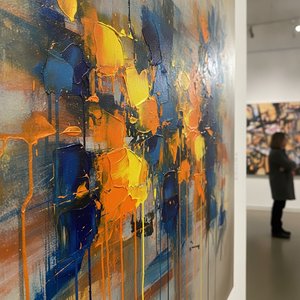
Beyond the Lines: Mastering the High-Impact World of Contemporary Abstraction
Master the high-impact world of contemporary abstraction. Discover how bold colors, textures, and modern movements like Abstract Expressionism can transform your space with premium, high-energy art curated for the design-conscious professional.
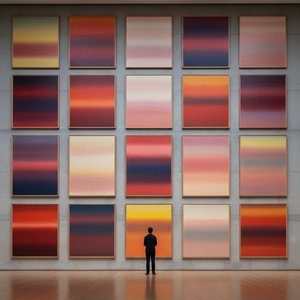
मार्क रोथको की शीर्ष 25 कलाकृतियाँ: रंग, भावना और अमूर्तता का सफर | OriginalUniqueArt
मार्क रोथको की शीर्ष 25 कलाकृतियों का अन्वेषण करें! अमूर्त अभिव्यक्तिवाद, रंग और भावना से भरी इन पेंटिंग्स के पीछे की कहानियाँ जानें। OriginalUniqueArt.com पर उच्च-गुणवत्ता वाले कला प्रिंट और सजावट विचार खोजें।

Kandinsky's Masterpieces: 25 Paintings That Define Abstract Art | OriginalUniqueArt
Journey through Wassily Kandinsky's 25 most iconic abstract paintings. Explore his revolutionary use of color, form & spiritual expressionism. Find museum-quality Kandinsky reproductions and elevate your home decor with OriginalUniqueArt.com. Discover all masterpieces on OriginalUniqueArt.com!

अमूर्त अभिव्यंजनावाद: शीर्ष 10 कलाकृतियाँ जिन्होंने परिभाषित किया कला की दुनिया
अमूर्त अभिव्यंजनावाद की 10 उत्कृष्ट कृतियाँ जानें! पोलक, रोथको जैसे कलाकारों के अनूठे रंगों और भावनाओं का अनुभव करें। OriginalUniqueArt.com पर कला इतिहास की गहराई में जाएँ और अपने घर के लिए अद्वितीय सजावट खोजें। ऑनलाइन संग्रह देखें!


