पूर्वावलोकन देखें
 साझा करें
 साझा करें
 विस्तृत विवरण

 डाउनलोड करें
 समान कलाकृतियाँ
 एक्स-रे
 स्लाइड शो देखें
 आंकड़े
The Judgment of Paris
 Oil On Panel
- Northern Renaissance
 1530
1530 35.0 x 24.0 cm
 मेट्रोपॉलिटन म्यूज़ियम ऑफ़ आर्ट
 पूरा देखें
हाथ से बनी ऑयल रिप्रोडक्शन
आपके आकार और फ्रेम के अनुसार कैनवास पर हाथ से बनी ऑयल पेंटिंग, हमारे कलाकारों द्वारा विशेष रूप से ऑर्डर पर तैयार। ( प्रिंट पर स्विच करें डिजिटल इमेज पर स्विच करें)




P118B $10

P118H $10

P118W $10

P438Z $10

P508JH $12

P508YH $12

P805H $10

P805Z $10

P919BZ $10

P919G $10

P919XJ $10

P959ZH $10

P968JZ $12

W106C $8

W218G $10

W218JH $8

W218Y $10

W307PJ $10

W316G $10

W316PJ $8

W316Y $10

W398PJ $8

W4111J $10

W500HY $15

W500JH $15

W692G $12

W849H $8

W940BG $15

W953PJ $8




कलाकृति के मूल अनुपात से मेल खाने वाले हमारे पूर्व निर्धारित आकारों में से चुनें।

आप किसी विशिष्ट फ्रेम या स्थान के अनुसार अपने स्वयं के आयाम (dimensions) दर्ज कर सकते हैं। यदि आपके द्वारा चुना गया आकार मूल छवि के अनुपात से मेल नहीं खाता है, तो हम कलाकृति को क्रॉप करेंगे या पेंटिंग में अतिरिक्त हाथ से चित्रित तत्व जोड़कर उसका विस्तार करेंगे। उत्पादन शुरू होने से पहले आपकी स्वीकृति के लिए एक डिजिटल मॉकअप भेजा जाएगा।
कृपया ध्यान दें कि स्क्रीन पर दिखने वाला पूर्वावलोकन वास्तविक क्रॉपिंग या विस्तार को नहीं दर्शाता है। केवल मॉकअप ही अंतिम रचना को सटीक रूप से दिखाएगा।
यद्यपि कस्टम आकार उपलब्ध हैं, फिर भी हम मूल अनुपात बनाए रखने के लिए पूर्व-निर्धारित सूची से आयाम चुनने की सलाह देते हैं।
ऑर्डर देने के बाद, OriginalUniqueArt.com टीम निर्देशों के लिए क्लाइंट को ईमेल करेगी और एक मॉकअप प्रीव्यू प्रदान करेगी
विश्वव्यापी वितरण () मानक 5 सप्ताह के बजाय मात्र 3/4 सप्ताह में। (13 सितमबर)। गुणवत्ता से कोई समझौता नहीं।

दुनिया भर में मुफ़्त एक्सप्रेस शिपिंग

उच्च गुणवत्ता वाला लिनेन कैनवास

पूर्ण शिपिंग बीमा

सीमा शुल्क और आयात कर वापसी की गारंटी

सटीक रंग मिलान की गारंटी

100-दिन की वापसी नीति (केवल दोषपूर्ण होने पर)

100% पैसे वापसी की गारंटी

थोक छूट का लाभ
 ग्लास का विकल्प केवल 110 सेमी से कम आकार में ही उपलब्ध है।

The Judgment of Paris
प्रतिकृति की विधि
प्रतिकृति का आकार
-


कुल देय राशि
$ 300
A Moment of Divine Contest: Lucas Cranach’s “The Judgment of Paris”
Lucas Cranach the Elder's "The Judgment of Paris," painted around 1530, isn’t merely a depiction of a classical myth; it’s a vibrant tableau brimming with psychological tension and Renaissance artistry. Housed within the Metropolitan Museum of Art in New York, this oil on panel offers a rare glimpse into the mind of a master navigating the complexities of religious reform and courtly patronage. Cranach, born in Kronach, Germany, skillfully blends Northern European realism with the idealized beauty favored by his patrons, creating an image that resonates far beyond its mythological subject matter.
The scene unfolds with arresting immediacy: Paris, a young prince radiating both arrogance and vulnerability, sits poised on the ground, the fate of Olympus resting upon his decision. Around him gather a cluster of elegantly nude women – not simply passive figures, but active participants in this pivotal moment. Their postures are subtly varied, reflecting their individual reactions to the goddesses vying for Paris’s favor: Juno, goddess of marriage and strategic alliances; Minerva, patron of wisdom and warfare; and Venus, the embodiment of love and beauty. Cranach's meticulous attention to detail is evident in the rendering of each woman’s form – the delicate curve of a shoulder, the subtle play of light on skin, all executed with a precision that speaks volumes about his technical mastery.
The Dance of Symbols: Interpreting Cranach’s Composition
Beyond the immediate narrative, “The Judgment of Paris” is rich in symbolic language. The two magnificent horses flanking the scene are particularly noteworthy. One, positioned to the left, embodies strength and martial prowess – a clear reference to Minerva. Its powerful musculature and alert stance suggest the potential for conflict and conquest. Conversely, the horse on the right, more graceful and subtly adorned, represents Venus’s influence: beauty, allure, and the promise of pleasure. The arrangement isn't arbitrary; it establishes a visual dialogue between these competing forces, mirroring the complex dynamics at play in Paris’s choice.
The background, dominated by a simple tree, serves as a grounding element, anchoring the scene within the natural world – a deliberate contrast to the idealized figures and divine drama unfolding before us. The bowls and cups held by some of the women aren't just props; they symbolize offerings, gestures of respect, and perhaps even veiled attempts to sway Paris’s judgment. Even the positioning of the figures contributes to the overall composition, creating a dynamic flow that draws the viewer’s eye across the panel.
A Renaissance Master at Work: Technique and Context
Cranach's style in "The Judgment of Paris" is firmly rooted in the Northern Renaissance tradition. He employs a masterful use of color – rich, saturated hues that imbue the scene with warmth and vitality. The figures are rendered with remarkable realism, yet they retain an idealized quality characteristic of Renaissance portraiture. Cranach’s skill lies not just in his technical proficiency but also in his ability to infuse his paintings with psychological depth. He captures the subtle nuances of emotion – Paris's uncertainty, the women’s anticipation – creating a scene that feels remarkably alive.
Painted during a period of profound social and religious change, “The Judgment of Paris” reflects the anxieties and aspirations of its time. Cranach served as an artist to Frederick III, Elector of Saxony, a position that afforded him access to powerful circles but also exposed him to the growing currents of Protestantism. His work often navigated the delicate balance between Catholic orthodoxy and emerging humanist ideals. This painting stands as a testament to his versatility and his ability to synthesize these diverse influences into a cohesive and compelling artistic vision.
Bringing Cranach’s Masterpiece Home: Reproductions for Every Space
OriginalUniqueArt offers meticulously crafted, hand-painted reproductions of Lucas Cranach the Elder's “The Judgment of Paris,” allowing you to experience the artistry and emotional power of this iconic work in your own home. Our reproductions faithfully capture the original’s vibrant colors, intricate details, and psychological depth, ensuring that you possess a stunning piece of art history. Whether adorning a formal salon or adding a touch of Renaissance drama to a contemporary space, a OriginalUniqueArt reproduction of “The Judgment of Paris” is a timeless investment – a celebration of artistic skill and enduring beauty.
कलाकार का जीवन परिचय
Lucas Cranach the Elder: A Renaissance Master of Saxony
Lucas Cranach the Elder, born in Kronach, Germany around 1472, stands as a pivotal figure of the German Renaissance. His life unfolded during a period of immense religious and political upheaval, and his art became inextricably linked to both the burgeoning Protestant Reformation and the opulent courts he served. Initially trained by his father, Hans Maler, Cranach’s early artistic development remains somewhat shrouded in mystery, though influences from South German masters are evident in his evolving style. He quickly distinguished himself not merely as a skilled craftsman but as an artist capable of capturing psychological depth alongside technical precision – qualities that would soon draw the attention of powerful patrons. In 1504, he entered the service of Frederick III, Elector of Saxony, a relationship that would define much of his career and provide him with both stability and access to influential circles. This appointment as court painter in Wittenberg wasn’t simply about producing decorative works; it placed Cranach at the very heart of one of the most transformative movements in European history.Early Life and Artistic Training
Lucas Cranach's formative years were spent honing his artistic skills under the tutelage of his father, Hans Maler—a respected painter known for his meticulous realism and masterful use of color. While details about Cranach’s early training remain scarce, scholars believe he absorbed influences from prominent South German masters who championed a style characterized by expressive brushwork and dramatic lighting – techniques that would become hallmarks of his later oeuvre. The workshop of Hans Maler fostered an environment conducive to artistic experimentation and innovation, encouraging Lucas to develop his own distinctive vision while grounding himself in established traditions. This early exposure to diverse artistic styles undoubtedly shaped Cranach’s aesthetic sensibilities and prepared him for the challenges of navigating the complex intellectual landscape of the Renaissance.Service to Frederick III and Wittenberg
Cranach's ascension to court painter in Wittenberg marked a turning point in his career—and in the history of German art. Frederick III, Elector of Saxony, recognized Cranach’s exceptional talent and entrusted him with overseeing the artistic patronage of his court—a responsibility that extended far beyond commissioning portraits. Cranach skillfully utilized this position to elevate Wittenberg's cultural prestige, attracting scholars and artists from across Europe and fostering a vibrant intellectual atmosphere. He undertook ambitious architectural projects, transforming Wittenberg into a magnificent city adorned with monumental sculptures and elaborate frescoes—demonstrating his commitment to shaping the visual landscape of Saxony’s capital. Furthermore, Cranach’s role as Luther's court painter was profoundly significant: he created no fewer than eleven portraits of Martin Luther, each capturing the reformer’s unwavering conviction and intellectual brilliance. These images served not only as likenesses but also as carefully crafted symbols intended to convey Luther’s authority and piety—essential qualities for a leader challenging papal dogma during the Reformation.Style and Technique: The Renaissance Vision
Lucas Cranach's artistic style embodies the core tenets of Northern Renaissance aesthetics—characterized by refined realism, luminous color palettes, and meticulous attention to detail. He skillfully blended techniques honed from South German masters with innovations born from his own creative impulses—resulting in a distinctive visual idiom that distinguishes him from many of his contemporaries. Cranach’s mastery of oil painting allowed him to achieve unparalleled tonal gradations and textural nuances—capturing the subtleties of human emotion and illuminating the grandeur of architectural spaces alike. His use of woodcut and engraving expanded his artistic reach, disseminating his images widely through affordable prints and fostering a broader engagement with visual culture. The composition of Cranach’s paintings often reflects principles derived from classical art—emphasizing balance, symmetry, and harmonious proportions. However, he never shied away from incorporating expressive brushwork and dramatic lighting—techniques that imbued his artworks with dynamism and psychological depth.Legacy and Influence: Shaping Artistic Expression
Lucas Cranach the Elder died in 1553, leaving behind an unparalleled artistic legacy that continues to inspire artists and scholars today. His workshop flourished after his death, perpetuating his distinctive style and techniques for generations—ensuring that Cranach’s influence permeated the visual arts of Europe. Artists trained under Cranach's tutelage adopted his aesthetic sensibilities and embraced innovative approaches to painting and printmaking—contributing to the evolution of Northern Renaissance art. Moreover, Cranach’s depictions of biblical scenes challenged traditional Catholic iconography, advocating for a more personal engagement with scripture and fostering a renewed appreciation for humanist values. His portraits of Luther remain iconic representations of religious leadership—serving as enduring symbols of courage, conviction, and intellectual integrity. Lucas Cranach the Elder's artistic achievements cemented his place as one of the most influential figures of the German Renaissance—a testament to his unwavering dedication to craftmanship, innovation, and the pursuit of beauty. His legacy continues to resonate through centuries of art history—inspiring artists to explore new horizons while honoring the traditions of their predecessors.
लुकास क्रानैक द एल्डर
1472 - 1553 , जर्मनी
मुख्य तथ्य
- Artistic Movement Or Style: पुनर्जागरण कला
- Artists Who Influenced This Artist: ['हंस मैलर']
- Date Of Birth: 1472
- Date Of Death: 1553
- Full Name: लुकास क्रानैक द एल्डर
- Nationality: जर्मनी
- Notable Artworks:
- ज्यूथिस और होलीफेर्नेस का सिर
- स्टैग हंट
- म्यूनिख के अल्टे पिनाकोथेक की 25 उत्कृष्ट कलाकृतियाँ
- Place Of Birth: क्रॉनाच, जर्मनी
संबंधित लेख

Oil on Canvas: A Historical & Technical Exploration of a Timeless Artistic Medium
Explore the rich history & enduring techniques of oil painting on canvas. Discover the science behind its longevity, conservation practices, and contemporary relevance. Expert insights for art enthusiasts.
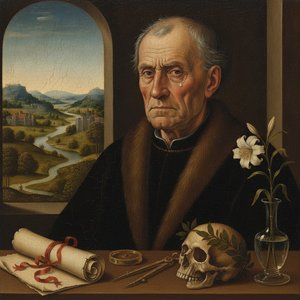
The Northern Renaissance: A Masterclass in Hyper-Realism, Oil Innovation, and Symbolic Depth
Explore the profound mastery of Northern Renaissance art. Discover the technical brilliance of Flemish oil painting, the intricate symbolism of Bosch and Bruegel, and the revolutionary realism that redefined European art history through an expert historical lens.

The Enduring Legacy of Oil on Canvas: Technique, History & Aesthetic Impact
Explore the rich history & techniques of oil painting – from Renaissance masters to Impressionism. Discover pigments, layering methods, and why this timeless medium endures. Expert insights for artists & art enthusiasts.

The Enduring Power of Painting: A Historical & Contemporary Exploration of Form and Emotion
Explore the rich history & enduring techniques of oil painting with OriginalUniqueArt. Discover masterpieces, learn about art collecting, and find authentic handmade reproductions crafted by skilled artists.

कैनवस पर चित्रित विरासत: तकनीक, इतिहास और समकालीन अभ्यास
कैनवस पर चित्रित विरासत की गहराई में उतरें। तकनीक, इतिहास और समकालीन कला अभ्यास जानें। OriginalUniqueArt के साथ उच्च गुणवत्ता वाली पेंटिंग खरीदें और अपनी दीवारों को जीवंत करें।