() ·

आपके लिए विशेष रूप से, हाथों से निर्मित एक पेंटिंग

The Golden Age

हस्तनिर्मित ऑयल रिप्रोडक्शन

आपके आकार और फ्रेम के अनुसार कैनवास पर हाथ से बनी ऑयल पेंटिंग, हमारे कलाकारों द्वारा विशेष रूप से ऑर्डर पर तैयार। ( प्रिंट विकल्प पर स्विच करें डिजिटल इमेज पर स्विच करें)

संग्रहणीय वस्तु का विवरण

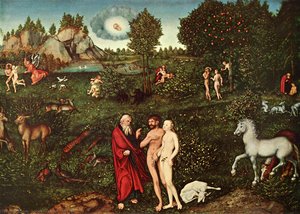
Lucas Cranach's 'The Golden Age' (1530) depicts nude figures celebrating life amidst a lush landscape, embodying Renaissance ideals and the mythical era of perfect harmony.

कलाकार की जीवनी

लुकास क्रानैक द एल्डर के उत्कृष्ट चित्रों और पुनर्जागरण कला शैली पर प्रकाश डालें। इस महान कलाकार का जीवन और कला इतिहास में एक महत्वपूर्ण स्थान रखती है!

से ·

अध्याय 1

इसका आकार कितना होना चाहिए?

आकार बदलने के लिए स्लाइड करें; बाईं ओर की तस्वीर फ्रेम की वास्तविक चौड़ाई दर्शाती है। मूल कलाकृति के अनुपात को बरकरार रखा गया है।

मानक
कस्टम
CM
INCH

कलाकृति के मूल अनुपात से मेल खाने वाले हमारे पूर्व निर्धारित आकारों में से चुनें।

चौड़ाई
ऊँचाई

अपने फ्रेम या अपनी दीवार के अनुसार आवश्यक चौड़ाई और ऊंचाई दर्ज करें। यह हाथ से पेंट किया गया है, इसलिए अलग आकार के लिए कलाकार चित्र के चारों ओर थोड़ा अधिक पेंट कर सकता है, या थोड़ा काट सकता है — चुनाव आपका है। पेंटिंग शुरू होने से पहले हम आपकी स्वीकृति के लिए एक डिजिटल मॉकअप भेजते हैं। इस पृष्ठ पर दिखाई गई तस्वीर वास्तविक परिणाम नहीं दिखाती है — केवल मॉकअप ही वास्तविक रूप दिखाता है।

अध्याय 2

यह किस रूप में पहुँचना चाहिए?

स्ट्रेच्ड कैनवास के किनारों का चयन करें

अपना फ्रेम चुनें

Corner sample of the WhiteWrap canvas edge finish, stretched on ठोस लकड़ी bars
सफेद किनारे ₹1
Corner sample of the BlurSideWrap canvas edge finish, stretched on ठोस लकड़ी bars
धुंधला किनारा ₹1
Corner sample of the ExtendedWrap canvas edge finish, stretched on ठोस लकड़ी bars
विस्तारित ₹1
Corner sample of the P118B picture frame: मोल्डेड पॉलीस्टायरीन, 5 cm wide and 3 cm thick
P118B ₹10
Corner sample of the P118H picture frame: मोल्डेड पॉलीस्टायरीन, 5 cm wide and 3 cm thick
P118H ₹10
Corner sample of the P118W picture frame: मोल्डेड पॉलीस्टायरीन, 5 cm wide and 3 cm thick
P118W ₹10
Corner sample of the P438Z picture frame: मोल्डेड पॉलीस्टायरीन, 5.5 cm wide and 3.5 cm thick
P438Z ₹10
Corner sample of the P508JH picture frame: मोल्डेड पॉलीस्टायरीन, 7 cm wide and 3.5 cm thick
P508JH ₹12
Corner sample of the P508YH picture frame: मोल्डेड पॉलीस्टायरीन, 7 cm wide and 3.5 cm thick
P508YH ₹12
Corner sample of the P805H picture frame: मोल्डेड पॉलीस्टायरीन, 5 cm wide and 3.5 cm thick
P805H ₹10
Corner sample of the P805Z picture frame: मोल्डेड पॉलीस्टायरीन, 5 cm wide and 3.5 cm thick
P805Z ₹10
Corner sample of the P919BZ picture frame: मोल्डेड पॉलीस्टायरीन, 7 cm wide and 3.5 cm thick
P919BZ ₹10
Corner sample of the P919G picture frame: मोल्डेड पॉलीस्टायरीन, 7 cm wide and 3.5 cm thick
P919G ₹10
Corner sample of the P919XJ picture frame: मोल्डेड पॉलीस्टायरीन, 7 cm wide and 3.5 cm thick
P919XJ ₹10
Corner sample of the P959ZH picture frame: मोल्डेड पॉलीस्टायरीन, 5 cm wide and 3 cm thick
P959ZH ₹10
Corner sample of the P968JZ picture frame: मोल्डेड पॉलीस्टायरीन, 6 cm wide and 4 cm thick
P968JZ ₹12
Corner sample of the W106C picture frame: ठोस लकड़ी, 5 cm wide and 3 cm thick
W106C ₹8
Corner sample of the W218G picture frame: ठोस लकड़ी, 5 cm wide and 3 cm thick
W218G ₹10
Corner sample of the W218JH picture frame: ठोस लकड़ी, 5 cm wide and 3 cm thick
W218JH ₹8
Corner sample of the W218Y picture frame: ठोस लकड़ी, 5 cm wide and 3 cm thick
W218Y ₹10
Corner sample of the W307PJ picture frame: ठोस लकड़ी, 6 cm wide and 3 cm thick
W307PJ ₹10
Corner sample of the W316G picture frame: ठोस लकड़ी, 6 cm wide and 3 cm thick
W316G ₹10
Corner sample of the W316PJ picture frame: ठोस लकड़ी, 6 cm wide and 3 cm thick
W316PJ ₹8
Corner sample of the W316Y picture frame: ठोस लकड़ी, 6 cm wide and 3 cm thick
W316Y ₹10
Corner sample of the W398PJ picture frame: ठोस लकड़ी, 5 cm wide and 3 cm thick
W398PJ ₹8
Corner sample of the W4111J picture frame: ठोस लकड़ी, 6.5 cm wide and 3.5 cm thick
W4111J ₹10
Corner sample of the W500HY picture frame: ठोस लकड़ी, 7 cm wide and 5 cm thick
W500HY ₹15
Corner sample of the W500JH picture frame: ठोस लकड़ी, 7 cm wide and 5 cm thick
W500JH ₹15
Corner sample of the W692G picture frame: ठोस लकड़ी, 8 cm wide and 4 cm thick
W692G ₹12
Corner sample of the W849H picture frame: ठोस लकड़ी, 5 cm wide and 3 cm thick
W849H ₹8
Corner sample of the W940BG picture frame: ठोस लकड़ी, 7.5 cm wide and 4.5 cm thick
W940BG ₹15
Corner sample of the W953PJ picture frame: ठोस लकड़ी, 6 cm wide and 3.5 cm thick
W953PJ ₹8
Corner sample of the H24-GOLD picture frame: गैसो के साथ नक्काशीदार लकड़ी, 10 cm wide and 6 cm thick
H24-GOLD ₹30
Corner sample of the H24-SILVER picture frame: गैसो के साथ नक्काशीदार लकड़ी, 10 cm wide and 6 cm thick
H24-SILVER ₹30
Corner sample of the H36-GOLD picture frame: गैसो के साथ नक्काशीदार लकड़ी, 15 cm wide and 6.5 cm thick
H36-GOLD ₹45
Corner sample of the H36-SILVER picture frame: गैसो के साथ नक्काशीदार लकड़ी, 15 cm wide and 6.5 cm thick
H36-SILVER ₹45
फ्रेम का पूर्वावलोकन
फ्रेम किया हुआ

मोल्डिंग: . फ्रेम सहित कुल आकार: .

अध्याय 3

इसे कौन चित्रित करता है, और क्या इसमें कुछ बदलना चाहिए?

क्या बदला जा सकता है उसके उदाहरण: चेहरे को ग्राहक की फोटो से बदलें; पालतू जानवर जोड़ें (जैसे, बिल्ली की जगह कुत्ता); बैकग्राउंड में छिपा हुआ संदेश शामिल करें; बैकग्राउंड का परिदृश्य या तत्व बदलें।
ऑर्डर के बाद, OriginalUniqueArt.com टीम निर्देशों के लिए क्लाइंट को ईमेल करेगी और एक मॉकअप प्रीव्यू प्रदान करेगी

विश्वव्यापी वितरण () मानक 5 सप्ताह के बजाय मात्र 3/4 सप्ताह में। (8 नवमबर)। गुणवत्ता से कोई समझौता नहीं।

अध्याय 4

अंतिम रूप देना

एक नेमप्लेट, बिल्कुल म्यूजियम की तरह?

उत्कीर्ण कांस्य पट्टिका का विवरण

This elegant plaque features the artist's name and the title of the artwork, finely engraved for a timeless presentation.

It is made from bronze with a refined, elegant finish. The text is precisely laser-engraved for a sharp and permanent result. Measuring 9x2 cm, the plaque is compact yet easy to read. It's built to be durable and scratch-resistant, offering a professional, museum-quality look. Mounting is simple thanks to the included adhesive backing.

पारदर्शी ऐक्रेलिक पट्टिका का विवरण

The plaque includes essential engraved details such as the artist's name, the title of the artwork, the date it was created, the type of media used-like oil on canvas or watercolor-a brief description of the piece, and a QR code that links to the complete artwork information.

It is crafted from clear acrylic, offering a sleek, modern appearance. The text is UV-engraved in black to ensure strong visual contrast. With a size of 10x15 cm, it ensures optimal readability. It comes equipped with two metal hooks for secure wall mounting. The plaque is designed to be weather-resistant, making it suitable for various environments, and it includes interactive features that work seamlessly with smartphone scanning.

काले ऐक्रेलिक पट्टिका का विवरण

This elegant plaque includes engraved information such as the artist's name, the title of the artwork, the date it was created, the type of media used (like oil on canvas or watercolor), a short description of the artwork, and a QR code for quick access to more information.

The plaque itself is made from refined black acrylic with a premium finish. The text is laser-engraved in white for high contrast and readability. Its size is 10x15 cm, designed to be easy to read. It comes with two metal hooks for professional mounting. The design is sleek and fits any interior style. It is also weather-resistant and durable, with built-in digital integration for mobile compatibility.

एक सुरक्षात्मक वार्निश?

आपको इसकी आवश्यकता कब है?

अध्याय 5

आपकी पेंटिंग, जैसा आपने ऑर्डर किया था

The Golden Age

प्रतिकृति की निर्माण सामग्री

प्रतिकृति का आकार

-

प्रतिष्ठित वरिष्ठ कलाकार

अधिक विस्तार, सूक्ष्मता और अतिरिक्त निर्माण समय

-

प्रतिकृति फ्रेमिंग विकल्प

-

-

किसी भी तरफ से 105 सेमी (लगभग 41 इंच) से बड़े कलाकृतियों या पुनरुत्पादनों के लिए, फ्रेम को एक किट के रूप में अलग करके भेजा जाएगा। यह तरीका सुरक्षित डिलीवरी सुनिश्चित करता है और परिवहन के दौरान होने वाली क्षति को रोकता है।

पेशेवर असेंबली आवश्यक है - यह DIY उत्पाद नहीं है।
किट को एक अनुभवी पेशेवर फ्रेम बनाने वाले (framer) द्वारा असेंबल किया जाना चाहिए और कैनवास को खींचा जाना चाहिए, जिसमें लकड़ी के गोंद (प्रदान नहीं किया गया), एक कैनवास स्ट्रेचिंग प्लायर और गोंद सूखने तक बार्स को सीधा रखने के लिए क्लैम्प्स का उपयोग किया जाए। गलत असेंबली या कैनवास का असमान तनाव कलाकृति को स्थायी रूप से नुकसान पहुँचा सकता है और यह हमारी वारंटी के अंतर्गत नहीं आता है।

  • सभी ठोस लकड़ी की पट्टियाँ शामिल हैं, जिन्हें सटीक माप में काटा गया है।

  • इसे साथ में दिए गए स्क्रू और कोनों के जोड़ों के लिए वुड ग्लू (लकड़ी चिपकाने वाला गोंद) का उपयोग करके जोड़ा जा सकता है, जो कि साथ में नहीं दिया गया है और इसे आपके फ्रेम बनाने वाले द्वारा उपलब्ध कराया जाना चाहिए।

  • पेशेवर उपकरणों की आवश्यकता है जो किट में शामिल नहीं हैं: एक कैनवास स्ट्रेचिंग प्लायर (तनाव देने वाला उपकरण) और गोंद सूखने के दौरान बार्स को सीधा रखने के लिए क्लैम्प्स।

महत्वपूर्ण:
कोने के जोड़ों के लिए वुड ग्लू (लकड़ी का गोंद) की आवश्यकता होती है, गोंद के पूरी तरह सूखने तक बार्स को क्लैम्प्स से दबाकर रखना आवश्यक है, और तैयार फ्रेम पर कैनवास को कसने के लिए कैनवास स्ट्रेचिंग प्लायर की आवश्यकता होती है। इनमें से कोई भी वस्तु किट में शामिल नहीं है। कृपया इस आकार का ऑर्डर देने से पहले एक अनुभवी पेशेवर फ्रेम बनाने वाले (framer) की व्यवस्था कर लें।

नामपट्टिका

-

-

सुरक्षात्मक वार्निश

चमकदार वार्निश (रंगों में निखार लाता है और प्रकाश एवं नमी से सुरक्षा प्रदान करता है)

-

मेरी कलाकृति को कस्टमाइज़ करें

बदलाव के कुछ उदाहरण: चेहरे को ग्राहक की फोटो से बदलें; पालतू जानवर जोड़ें (जैसे, बिल्ली की जगह कुत्ता लगाएँ); बैकग्राउंड में कोई गुप्त संदेश शामिल करें; बैकग्राउंड का परिदृश्य या अन्य तत्व बदलें।

-

अति आवश्यक

विश्वव्यापी वितरण (), मानक 5 सप्ताह के बजाय मात्र 3/4 सप्ताह में। (8 नवमबर)। गुणवत्ता से कोई समझौता नहीं।

-

तेज़ शिपिंग

विश्वव्यापी डिलीवरी (), 5 सप्ताह के भीतर। (15 नवमबर)।

शामिल है

कुल देय राशि

₹ 29049

कुल मूल्य ₹ 29049

ग्लास का विकल्प केवल 110 सेमी से कम आकार में ही उपलब्ध है।

प्रत्येक ऑर्डर के साथ शामिल

  • दुनिया भर में मुफ़्त एक्सप्रेस शिपिंग
  • उच्च गुणवत्ता वाला लिनेन कैनवास
  • पूर्ण शिपिंग बीमा
  • सीमा शुल्क और आयात कर वापसी की गारंटी
  • सटीक रंग मिलान की गारंटी
  • 100 दिनों की वापसी नीति (केवल दोष होने पर)
  • 100% पैसे वापसी की गारंटी
  • थोक छूट का अवसर

The Echoes of Paradise: Lucas Cranach’s “The Golden Age”

Lucas Cranach the Elder's "The Golden Age," painted in 1530, isn’t merely a depiction of nude figures frolicking in a garden; it’s a vibrant distillation of Renaissance ideals, a carefully constructed allegory steeped in classical mythology and humanist thought. This oil-on-panel masterpiece, now housed within the Alte Pinakothek in Munich, offers a glimpse into a world where earthly pleasure and divine harmony intertwine – a vision both alluring and subtly complex.

Cranach, a pivotal figure of the German Renaissance, served as court painter to the Electors of Saxony for much of his career. His work reflects this patronage, blending meticulous realism with an expressive understanding of human psychology. “The Golden Age” exemplifies this skill, showcasing not just anatomical accuracy but also a remarkable ability to convey mood and narrative through gesture and composition. The painting’s genesis lies in the ancient Greek concept of the *Ages of Man*, as articulated by Hesiod – a cyclical progression from an idyllic, pre-civilized “Golden Age” to one defined by strife and decay. Cranach cleverly translates this philosophical framework into a visual experience, inviting the viewer to contemplate humanity's relationship with nature, pleasure, and ultimately, mortality.

A Symphony of Nudity and Movement

The scene unfolds within a lush, enclosed garden, its boundaries delineated by a sturdy stone wall. Within this idyllic space, a group of young couples engage in a variety of activities: dancing, bathing, eating grapes, and simply enjoying each other’s company. Cranach masterfully employs the technique of *contrapposto*, subtly shifting the weight of the figures to create dynamic poses that ripple through the composition. The musculature is rendered with remarkable precision, yet the overall effect is one of effortless grace and naturalism. Note the subtle variations in skin tone – a deliberate choice that adds depth and realism to the scene, while simultaneously reinforcing the painting’s classical inspiration.

The figures themselves are arranged in carefully considered groupings, suggesting relationships and interactions. The use of light and shadow is particularly effective, highlighting certain bodies and creating a sense of intimacy within the larger composition. Cranach's attention to detail extends beyond the human forms; observe the meticulously rendered foliage, the delicate details of the fruit, and the subtle textures of the stone wall – all contributing to the painting’s immersive quality.

Symbolism Woven into the Landscape

Beyond its immediate visual appeal, “The Golden Age” is rich in symbolic meaning. The garden itself represents an idealized paradise, a realm free from the constraints and anxieties of civilized life. The abundance of fruit symbolizes fertility and prosperity, while the presence of animals suggests a harmonious relationship between humanity and nature. The fortress visible in the upper left corner, likely representing Hartenfels Castle, subtly anchors the scene to the contemporary world, reminding us that this idyllic vision is not entirely detached from reality.

Furthermore, the painting’s title directly references Hesiod's concept of the Golden Age – a time when humanity lived in perfect harmony with itself and with the natural world. Cranach’s depiction of nude figures engaged in playful activities can be interpreted as an allegory for this lost state of innocence, inviting viewers to reflect on the potential for human happiness and fulfillment.

A Timeless Appeal

"The Golden Age" remains a powerfully evocative work of art, captivating audiences with its beauty, grace, and subtle complexity. It’s a testament to Lucas Cranach's artistic skill and his deep understanding of classical mythology and humanist thought. Whether admired for its technical brilliance or appreciated for its profound symbolic meaning, this painting continues to resonate with viewers centuries after its creation – a timeless reminder of the enduring allure of paradise and the human desire for a life of beauty, pleasure, and harmony.

प्रश्न और उत्तर

लुकास क्रानैक द एल्डर द्वारा "The Golden Age" में कंट्रास्ट (contrast) कितना गहरा है?

"The Golden Age" का प्रकाश-अंधकार कंट्रास्ट (light-dark contrast) Statement के रूप में दर्ज किया गया है। कंट्रास्ट यह बताता है कि प्रकाशमय और गहरे क्षेत्र एक-दूसरे से कितने भिन्न हैं।

होम डेकोर में लुकास क्रानैक द एल्डर द्वारा "The Golden Age" का उपयोग कैसे किया जा सकता है?

"The Golden Age" को Harmony के लिए सुझाया गया है, और इसके लिए अनुशंसित स्थान एक Living Room है।

"The Golden Age" में कंट्रास्ट और सामंजस्य का मेल किस प्रकार हुआ है?

लुकास क्रानैक द एल्डर द्वारा "The Golden Age" का रंग विश्लेषण एक Statement विरोधाभास और एक Strong Color Unity सामंजस्य को दर्शाता है।

इस पेंटिंग के बारे में अधिक जानें

पूर्वावलोकन देखें AR में देखें प्रिंट विकल्प पर स्विच करें डिजिटल इमेज पर स्विच करें साझा करें


विस्तृत विवरण मार्गदर्शिका पसंदीदा में जोड़ें डाउनलोड करें समान वस्तुएं एक्स-रे स्लाइड शो देखें प्रश्न और उत्तर आंकड़े

आंकड़ों में

  • 1530जिस वर्ष इसे चित्रित किया गया था
  • 29चुनने के लिए उपलब्ध फ्रेम
  • मानक आकार, अपने स्वयं के अनुपात में
  • 5इसे पेंट करने और वितरित करने में कुछ सप्ताह लगेंगे

लुकास क्रानैक द एल्डर के बारे में कुछ खास बातें

  • Artistic Movement Or Style: पुनर्जागरण कला
  • Artists Who Influenced This Artist: ['हंस मैलर']
  • Date Of Birth: 1472
  • Date Of Death: 1553
  • Full Name: लुकास क्रानैक द एल्डर
  • Nationality: जर्मनी
  • Notable Artworks:
    • ज्यूथिस और होलीफेर्नेस का सिर
    • स्टैग हंट
    • म्यूनिख के अल्टे पिनाकोथेक की 25 उत्कृष्ट कलाकृतियाँ
  • Place Of Birth: क्रॉनाच, जर्मनी

कलाकार की जीवनी

Lucas Cranach the Elder: A Renaissance Master of Saxony

Lucas Cranach the Elder, born in Kronach, Germany around 1472, stands as a pivotal figure of the German Renaissance. His life unfolded during a period of immense religious and political upheaval, and his art became inextricably linked to both the burgeoning Protestant Reformation and the opulent courts he served. Initially trained by his father, Hans Maler, Cranach’s early artistic development remains somewhat shrouded in mystery, though influences from South German masters are evident in his evolving style. He quickly distinguished himself not merely as a skilled craftsman but as an artist capable of capturing psychological depth alongside technical precision – qualities that would soon draw the attention of powerful patrons. In 1504, he entered the service of Frederick III, Elector of Saxony, a relationship that would define much of his career and provide him with both stability and access to influential circles. This appointment as court painter in Wittenberg wasn’t simply about producing decorative works; it placed Cranach at the very heart of one of the most transformative movements in European history.

Early Life and Artistic Training

Lucas Cranach's formative years were spent honing his artistic skills under the tutelage of his father, Hans Maler—a respected painter known for his meticulous realism and masterful use of color. While details about Cranach’s early training remain scarce, scholars believe he absorbed influences from prominent South German masters who championed a style characterized by expressive brushwork and dramatic lighting – techniques that would become hallmarks of his later oeuvre. The workshop of Hans Maler fostered an environment conducive to artistic experimentation and innovation, encouraging Lucas to develop his own distinctive vision while grounding himself in established traditions. This early exposure to diverse artistic styles undoubtedly shaped Cranach’s aesthetic sensibilities and prepared him for the challenges of navigating the complex intellectual landscape of the Renaissance.

Service to Frederick III and Wittenberg

Cranach's ascension to court painter in Wittenberg marked a turning point in his career—and in the history of German art. Frederick III, Elector of Saxony, recognized Cranach’s exceptional talent and entrusted him with overseeing the artistic patronage of his court—a responsibility that extended far beyond commissioning portraits. Cranach skillfully utilized this position to elevate Wittenberg's cultural prestige, attracting scholars and artists from across Europe and fostering a vibrant intellectual atmosphere. He undertook ambitious architectural projects, transforming Wittenberg into a magnificent city adorned with monumental sculptures and elaborate frescoes—demonstrating his commitment to shaping the visual landscape of Saxony’s capital. Furthermore, Cranach’s role as Luther's court painter was profoundly significant: he created no fewer than eleven portraits of Martin Luther, each capturing the reformer’s unwavering conviction and intellectual brilliance. These images served not only as likenesses but also as carefully crafted symbols intended to convey Luther’s authority and piety—essential qualities for a leader challenging papal dogma during the Reformation.

Style and Technique: The Renaissance Vision

Lucas Cranach's artistic style embodies the core tenets of Northern Renaissance aesthetics—characterized by refined realism, luminous color palettes, and meticulous attention to detail. He skillfully blended techniques honed from South German masters with innovations born from his own creative impulses—resulting in a distinctive visual idiom that distinguishes him from many of his contemporaries. Cranach’s mastery of oil painting allowed him to achieve unparalleled tonal gradations and textural nuances—capturing the subtleties of human emotion and illuminating the grandeur of architectural spaces alike. His use of woodcut and engraving expanded his artistic reach, disseminating his images widely through affordable prints and fostering a broader engagement with visual culture. The composition of Cranach’s paintings often reflects principles derived from classical art—emphasizing balance, symmetry, and harmonious proportions. However, he never shied away from incorporating expressive brushwork and dramatic lighting—techniques that imbued his artworks with dynamism and psychological depth.

Legacy and Influence: Shaping Artistic Expression

Lucas Cranach the Elder died in 1553, leaving behind an unparalleled artistic legacy that continues to inspire artists and scholars today. His workshop flourished after his death, perpetuating his distinctive style and techniques for generations—ensuring that Cranach’s influence permeated the visual arts of Europe. Artists trained under Cranach's tutelage adopted his aesthetic sensibilities and embraced innovative approaches to painting and printmaking—contributing to the evolution of Northern Renaissance art. Moreover, Cranach’s depictions of biblical scenes challenged traditional Catholic iconography, advocating for a more personal engagement with scripture and fostering a renewed appreciation for humanist values. His portraits of Luther remain iconic representations of religious leadership—serving as enduring symbols of courage, conviction, and intellectual integrity. Lucas Cranach the Elder's artistic achievements cemented his place as one of the most influential figures of the German Renaissance—a testament to his unwavering dedication to craftmanship, innovation, and the pursuit of beauty. His legacy continues to resonate through centuries of art history—inspiring artists to explore new horizons while honoring the traditions of their predecessors.

संक्षिप्त विवरण

  • Movement: Northern Renaissance
  • Title: The Golden Age
  • Location: Alte Pinakothek, Munich
  • Artist: Lucas Cranach the Elder
  • Subject or theme: Golden Age ideal
  • Notable elements: Nude figures, garden scene

कला प्रश्नोत्तरी

प्रत्येक प्रश्न का केवल एक ही सही उत्तर है।

प्रश्न 1:
What historical period does the title "The Golden Age" most likely refer to?
प्रश्न 2:
According to the description, what is a prominent feature of the scene depicted in "The Golden Age"?
प्रश्न 3:
Lucas Cranach the Elder was known for his work during which artistic movement?
प्रश्न 4:
What is the approximate date of creation for "The Golden Age"?
प्रश्न 5:
The image description mentions a fortress in the background. What does this likely symbolize within the context of the painting?