

 पूर्वावलोकन देखें
 भेजें
भेजें साझा करें
 विवरण देखें
 मार्गदर्शिका

 डाउनलोड करें
 समान वस्तुएं
 एक्स-रे
 स्लाइड शो देखें
 आंकड़े
Paraphrase
 Oil On Canvas
- WallArt
- Impressionism
 1907
1907 87.0 x 65.0 cm
 Kunsthaus Buhler
 और पढ़ें
गिक्ली / आर्ट प्रिंट
तेज़ उत्पादन और विभिन्न फिनिश विकल्पों के साथ म्यूजियम-क्वालिटी गिकली (giclée) या कैनवस प्रिंट। ( हाथ से बनी पेंटिंग खरीदें डिजिटल इमेज पर जाएँ)




P118B ₹10

P118H ₹10

P118W ₹10

P438Z ₹10

P508JH ₹12

P508YH ₹12

P805H ₹10

P805Z ₹10

P919BZ ₹10

P919G ₹10

P919XJ ₹10

P959ZH ₹10

P968JZ ₹12

W106C ₹8

W218G ₹10

W218JH ₹8

W218Y ₹10

W307PJ ₹10

W316G ₹10

W316PJ ₹8

W316Y ₹10

W398PJ ₹8

W4111J ₹10

W500HY ₹15

W500JH ₹15

W692G ₹12

W849H ₹8

W940BG ₹15

W953PJ ₹8




कलाकृति के मूल अनुपात से मेल खाने वाले हमारे पूर्व निर्धारित आकारों में से चुनें।

अपने फ्रेम या अपनी दीवार के अनुसार आवश्यक चौड़ाई और ऊंचाई दर्ज करें। प्रिंट को केवल काटा जा सकता है, चित्र से बड़ा कभी नहीं बनाया जा सकता, इसलिए अलग आकार का साइज चित्र का एक हिस्सा खो देता है। किसी भी चीज़ को प्रिंट करने से पहले हम आपकी स्वीकृति के लिए आपको एक डिजिटल मॉकअप भेजते हैं। इस पृष्ठ पर दिखाया गया चित्र वास्तविक कटिंग नहीं दिखाता है — केवल मॉकअप ही इसे दर्शाता है।
विश्वव्यापी डिलीवरी (), मानक 4/5 सप्ताह के बजाय मात्र 2 सप्ताह में। (24 अक्टूबर)

दुनिया भर में मुफ़्त एक्सप्रेस शिपिंग

प्रीमियम ग्रेड लिनेन कैनवास

पूर्ण शिपिंग बीमा

सीमा शुल्क और आयात कर वापसी की गारंटी

सटीक रंग मिलान की गारंटी

100 दिनों की वापसी नीति (केवल निर्माण दोष होने पर)

100% पैसे वापसी की गारंटी

थोक छूट का अवसर
 ग्लास का विकल्प केवल 110 सेमी से कम आकार में ही उपलब्ध है।

Paraphrase
गिक्ली / आर्ट प्रिंट
प्रतिकृति का आकार
-


कुल मूल्य
₹ 7681
Lovis Corinth’s ‘Paraphrase’: A Moment Frozen in Impressionistic Light
Lovis Corinth's “Paraphrase,” painted in 1907, isn’t merely a portrait; it’s an exquisitely crafted distillation of Impressionist ideals—a visual poem capturing the fleeting beauty of a tranquil outdoor scene and the contemplative gaze of its subject. Measuring 87 x 65 cm, this oil painting on canvas immediately draws the eye with its luminous palette and masterful brushwork, transporting viewers back to the cusp of the 20th century’s artistic revolution.Subject Matter & Composition: The Essence of Serenity
The artwork depicts a woman seated outdoors amidst lush foliage—a deliberate choice reflecting Corinth's fascination with nature as both inspiration and symbol. Her posture exudes calmness and introspection, suggesting she is lost in thought while observing the surrounding greenery. Corinth skillfully simplifies the composition, prioritizing the woman’s face and upper torso, allowing the blurred background to contribute significantly to depth and atmosphere. This technique—characteristic of Impressionism—emphasizes capturing a sensory experience rather than striving for photographic accuracy. The artist's focus isn't on detailed representation but on conveying an emotional resonance.Style & Technique: Impressionistic Brushstrokes Speak Volumes
“Paraphrase” embodies the core tenets of Impressionism, prioritizing light and color above all else. Corinth achieves this through loose, visible brushstrokes—a hallmark of his style—creating a palpable sense of movement and vibrancy. Thick impasto is particularly prominent on the white dress and foliage, adding textural richness and enhancing the illusion of depth. Lines are predominantly short and broken, delineating forms without rigidly defining them; shapes are organic and amorphous, mirroring the ephemeral qualities of light and air. Corinth’s meticulous layering of paint—a technique honed during his Parisian years—creates an impressionistic effect that prioritizes capturing a fleeting moment in time.Historical Context & Artistic Influences
Painted at the dawn of the 20th century, “Paraphrase” sits squarely within the burgeoning artistic landscape of Berlin Secession. Corinth’s work aligns with the broader movement's rejection of academic conventions and embrace of subjective experience—a reaction against the rigid formalism of earlier generations. He drew inspiration from Impressionist masters like Monet and Renoir, adapting their techniques to express his own distinctive vision. The painting reflects a desire to move beyond mere depiction toward conveying emotion and capturing the intangible beauty of nature.Symbolism & Emotional Impact: Beyond Surface Appearance
The woman’s serene expression and contemplative gaze invite contemplation on themes of inner peace and observation—powerful concepts resonating throughout Corinth's oeuvre. The white dress symbolizes purity and innocence, juxtaposed against the darker tones of the foliage, perhaps hinting at a subtle melancholy or awareness of mortality. Ultimately, “Paraphrase” succeeds in capturing not just an image but a feeling—a beautifully rendered testament to the Impressionist pursuit of artistic truth through sensory perception. It’s a piece that lingers in the mind long after viewing, prompting reflection on beauty and stillness amidst the complexities of life.प्रश्न और उत्तर
मैं लोविस कॉर्नथ द्वारा "Paraphrase" की छवि कैसे डाउनलोड कर सकता हूँ?
"Paraphrase" के लिए डाउनलोड उपलब्ध है: कलाकृति का डाउनलोड करें पेज एक उच्च-रिज़ॉल्यूशन वाली डिजिटल इमेज डाउनलोड की सुविधा देता है।
"Paraphrase" का निर्माण किसने किया?
"Paraphrase" के पीछे के कलाकार लोविस कॉर्नथ हैं। यह कृति लोविस कॉर्नथ के नाम के अंतर्गत सूचीबद्ध है।
"Paraphrase" को प्रिंट करने के लिए क्या सुझाव दिया जाता है - कौन सा आकार और कौन सा ओरिएंटेशन (orientation) सबसे अच्छा रहेगा?
लोविस कॉर्नथ द्वारा "Paraphrase" की प्रिंटिंग के लिए Large आकार और Portrait ओरिएंटेशन (झुकाव) की सलाह दी जाती है।
कलाकार का परिचय
रंगों में ढली एक जीवन यात्रा: लोविस कॉर्नथ की दुनिया
लोविस कॉर्नथ, जिनका जन्म 21 जुलाई, 1858 को प्रशिया के ईस्ट प्रशिया प्रांत में फ्रांज हेनरिक लुई के रूप में हुआ था, एक ऐसी शख्सियत थे जिन्होंने 19वीं और 20वीं सदी की कला जगत के उथल-पुथल भरे संक्रमण को जीवंत किया। उनकी यात्रा तत्काल प्रसिद्धि की नहीं, बल्कि निरंतर अध्ययन, विविध प्रभावों और अंततः व्यक्तिगत त्रासदी से उपजी एक क्रमिक विकास की कहानी थी। कॉर्नथ की जड़ें उनके जन्मस्थान टपियाउ के ग्रामीण परिदृश्यों में समाहित थीं, जहाँ उनके पिता एक चर्मकार के रूप में कार्य करते थे। श्रम की भौतिकता और प्रकृति की कच्ची सुंदरता के इस प्रारंभिक अनुभव ने उनकी बाद की कलाकृतियों में सूक्ष्म रूप से प्रवेश किया, यहाँ तक कि उनकी अधिक परिष्कृत शैलीगत खोजों के बीच भी। उन्होंने 1876 में कोनिग्सबर्ग अकादमी में अध्ययन शुरू किया, लेकिन जल्द ही उन्हें अहसास हो गया कि केवल अकादंत परंपरा उनकी कलात्मक महत्वाकांक्षाओं को संतुष्ट नहीं कर पाएगी। इसके बाद यात्राओं का एक दौर आया, जिसने उन्हें म्यूनिख, एंटवर्प और अंततः पेरिस तक पहुँचाया – प्रत्येक शहर उनके विकास में एक महत्वपूर्ण मील का पत्थर साबित हुआ। म्यूनिख में, उन्होंने लुडविग वॉन लफ़्ज़ द्वारा समर्थित सूक्ष्म यथार्थवाद को आत्मसात किया, जिससे उनके अवलोकन कौशल और तकनीक में निखार आया। एंटवर्प ने उन्हें रुबेंस की नाटकीय बारोक तीव्रता से परिचित कराया, जबकि पेरिस ने उन्हें उभरते हुए प्रभाववादी आंदोलन के संपर्क में लाया, हालाँकि उनकी प्रारंभिक प्रतिक्रिया तत्काल अपनाने के बजाय सतर्क अवलोकन की थी।यथार्थवाद से शैलियों के संश्लेषण तक
कॉर्नथ का कलात्मक विकास अचानक होने वाली क्रांतियों से नहीं, बल्कि विविध प्रभावों के क्रमिक आत्मसातीकरण और संश्लेषण से चिह्नित था। उनका प्रारंभिक कार्य प्रकृतिवाद की ओर झुका हुआ था, जो उस समय के प्रचलित अकादमिक मानकों को दर्शाता था। “इन द स्लॉटरहाउस” (1878) जैसी पेंटिंग्स, जानवरों के शवों के निर्भीक चित्रण के साथ, यथार्थवादी प्रतिनिधित्व के प्रति उनकी प्रतिबद्धता को प्रदर्शित करती हैं, फिर भी यहाँ भी एक उभरती हुई भावनात्मक तीव्रता सतह पर आने लगती है। विषय वस्तु स्वयं—भयावह और आंतों को झकझोर देने वाली—असहज सत्यों का सामना करने की इच्छा का संकेत देती है, एक ऐसा गुण जो उनके बाद के कार्यों में तेजी से प्रमुख होता गया। पुराने उस्तादों, विशेष रूप से रुबेंस के अध्ययन ने उनमें गतिशील संरचना और अभिव्यंजक ब्रशवर्क के प्रति प्रेम जगाया। हालाँकि, प्रभाववाद के साथ उनका संपर्क—जिसे शुरू में संदेह की दृष्टि से देखा गया था—अंततः परिवर्तनकारी सिद्ध हुआ। उन्होंने केवल मोनेट या रेनॉयर के खंडित रंगों और क्षणभंगुर प्रकाश प्रभावों को नहीं अपनाया; इसके बजाय, उन्होंने इन तत्वों को अपने अनूठे दृष्टिकोण में एकीकृत किया, जिससे एक ऐसी शैली का निर्माण हुआ जिसने प्रभाववादी जीवंतता को एक विशिष्ट जर्मन संवेदनशीलता के साथ मिश्रित कर दिया। इस संश्लेषण ने अंततः उन्हें प्रभाववाद और अभिव्यक्तिवाद के बीच एक सेतु के रूप में स्थापित किया, जो 20वीं सदी की शुरुआत के कला परिदृश्य को परिभाषित करने वाले दो आंदोलन थे।चित्रकला और परिदृश्य के उस्ताद
यद्यपि कॉर्नथ ने अपने पूरे करियर में विभिन्न शैलियों का अन्वेंतन किया—जिसमें बाइबिल के दृश्य और पौराणिक विषय भी शामिल थे—उन्हें शायद उनके पोर्ट्रेट और परिदृश्यों के लिए सबसे अच्छी तरह याद किया जाता है। उनका चित्रकला कार्य केवल शारीरिक समानता को पकड़ने के बारे में नहीं था; यह उनके चित्रों में बैठे व्यक्तियों की मनोवैज्ञानिक गहराई में प्रवेश करने का एक प्रयास था, जो सूक्ष्म हाव-भाव, अभिव्यंजक आँखों और सावधानीपूर्वक विचारित संरचनाओं के माध्यम से उनके आंतरिक जीवन को प्रकट करता था। उनके पास आश्चर्यजनक रूप से कम साधनों के साथ चरित्र और भावना व्यक्त करने की अद्भुत क्षमता थी। इसी तरह, उनके परिदृश्य केवल सुंदर दृश्यों का चित्रण नहीं थे, बल्कि प्रकृति के प्रति भावनात्मक प्रतिक्रियाएँ थे। बवेरियन आल्प्स का वाल्चेनसी क्षेत्र प्रेरणा का एक विशेष स्रोत बन गया, जिसने उन्हें ऐसे प्रचुर रूपांकनों से नवाजा जिनका उन्होंने अपने उत्तरार्द्ध वर्षों में बार-बार अन्वेषण किया। ये पेंटिंग्स अपने बोल्ड रंगों, गतिशील ब्रशवर्क और कच्ची ऊर्जा की भावना द्वारा पहचानी जाती हैं जो प्राकृतिक दुनिया के साथ कॉर्नथ के अपने जुनून को दर्शाती हैं। उनकी रुचि आदर्श चित्रणों में नहीं थी; इसके बजाय, उन्होंने परिदृश्य की अदम्य शक्ति और अंतर्निहित नाटक को पकड़ने का प्रयास किया।त्रासदी, लचीलापन और स्थायी विरासत
कॉर्नथ के जीवन में—और संभवतः उनके कलात्मक विकास में—एक महत्वपूर्ण क्षण दिसंबर 1911 में आया जब उन्हें स्ट्रोक आया। इसके कारण उनके बाएं हिस्से में आई लकवाग्रस्त स्थिति ने उनके करियर को पूरी तरह से समाप्त करने की धमकी दी थी। हालाँकि, अटूट दृढ़ संकल्प और उनकी पत्नी चार्लोट बेरेंड-कॉर्नथ के समर्थन के साथ, उन्होंने फिर से पेंट करना सीखा, अपनी शारीरिक सीमाओं के अनुकूल खुद को ढाला और एक और भी अधिक अभिव्यंजक शैली विकसित की। इस अवधि ने उनके काम में एक निर्णायक मोड़ का संकेत दिया, क्योंकि उनकी पेंटिंग्स तेजी से साहसी, आक्रामक और भावनात्मक रूपता से आवेशित हो गईं। मृत्यु और शारीरिक भेद्यता का सामना करने के अनुभव ने उनकी कला में तात्कालिकता और प्रामाणिकता की एक नई भावना भर दी। उन्होंने ढीले ब्रशस्ट्रोक और गहन रंग पैलेट को अपनाया, जिसने अभिव्यक्तिवाद को परिभाषित करने वाले कई शैलीगत नवाचारों का पूर्वानुमान लगाया। कॉर्नथ का प्रभाव केवल उनकी अपनी पेंटिंग तक ही सीमित नहीं था; वे कला पर एक सम्मानित शिक्षक और लेखक भी थे, जिन्होंने 1908 में “ऑन लर्निंग टू पेंट” जैसे निबंध प्रकाशित किए, जो उनके कलात्मक दर्शन और तकनीकी दृष्टिकोण की अंतर्दृष्टि प्रदान करते हैं। उन्होंने 1915 से 1925 में अपनी मृत्यु तक बर्लिन सेसेशन के अध्यक्ष के रूप में कार्य किया, प्रगतिशील कलात्मक विचारों का समर्थन किया और एक जीवंत रचनात्मक समुदाय को बढ़ावा दिया। लोविस कॉर्नथ की विरासत न केवल उनके उल्लेखनीय कार्यों में निहित है, बल्कि कलात्मक अखंडता के प्रति उनकी अटूट प्रतिबद्धता और व्यक्तिगत त्रासदी को गहन कलात्मक अभिव्यक्ति में बदलने की उनकी क्षमता में भी है। वे जर्मन कला के इतिहास में एक महत्वपूर्ण व्यक्तित्व बने हुए हैं, एक ऐसे उस्ताद जिन्होंने दो युगों को जोड़ा और आने वाली कलाकारों की पीढ़ियों पर एक अमिट छाप छोड़ी।प्रमुख कार्य और उनका महत्व
- इन द स्लॉटरहाउस (1878): जानवरों के शवों का एक अत्यंत यथार्थवादी चित्रण, जो तकनीक पर कॉर्नथ की प्रारंभिक महारत और परेशान करने वाले विषयों का सामना करने की उनकी इच्छा को प्रदर्शित करता है।
- आत्म-चित्र (विभिन्न वर्ष): उनके जन्मदिन पर वार्षिक रूप से बनाए गए आत्म-चित्रों की एक श्रृंखला, जो कलाकार के विकसित होते आत्म-बोध और कलात्मक शैली का एक आकर्षक इतिहास प्रस्तुत करती है। ये कार्य गहन आत्मनिरीक्षण और पहचान के निर्भीक अन्वेषण को प्रकट करते हैं।
- फीमेल सेमी-न्यूड विद हैट (1906): शास्त्रीय रूपांकनों को प्रभाववादी तकनीकों के साथ मिलाने की कॉर्नथ की क्षमता को प्रदर्शित करता है, जिससे एक कामुक और मनोवैज्ञानिक रूप से सम्मोहक चित्र बनता है।
- वाल्चेनसी श्रृंखला (विभिन्न वर्ष): बवेरिया के वाल्चेनसी क्षेत्र का चित्रण करने वाले परिदृश्यों का एक संग्रह, जो अपने जीवंत रंगों, गतिशील ब्रशवर्क और भावनात्मक तीव्रता के लिए जाना जाता है। ये पेंटिंग्स कॉर्नथ की परिपक्व शैली का सबसे शक्तिशाली और अभिव्यंजक रूप हैं।
- द लास्ट सेल्फ-पोर्ट्रेट (1924): अपनी मृत्यु से कुछ समय पहले चित्रित, यह कार्य शारीरिक प्रतिकूलता के सामने कलाकार के लचीलेपन और अटूट भावना का एक मार्मिक प्रमाण है। यह उनकी कलात्मक यात्रा के चरमोत्कर्ष का प्रतीक है और मानवीय सहनशक्ति के एक शक्तिशाली प्रतीक के रूप में कार्य करता है।

लोविस कॉर्नथ
1858 - 1925 , नीदरलैंड्स
संक्षिप्त जानकारी
- Artistic Movement Or Style: अभिव्यक्तिवाद और प्रभाववाद
- Artists Who Influenced This Artist:
- कोर्बेत
- रूबेन्स
- Date Of Birth: जुलाई २१, १८५८
- Date Of Death: जुलाई १७, १९२५
- Full Name: Franz Heinrich Louis Corinth
- Nationality: जर्मनी
- Notable Artworks:
- इंस द स्लॉटरहाउस
- आत्मचित्र
- महिला अर्धनग्न महिला
- Place Of Birth: टौवाडे, नीदरलैंड्स
संबंधित लेखों की सूची
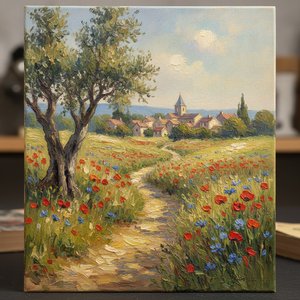
The Timeless Beauty of Oil on Panel: Capturing Light and Texture through the Impressionist Lens
Discover the exquisite depth of oil on panel. Explore how Impressionist masters captured light and texture through tactile brushwork, and learn how to bring these museum-quality, hand-painted masterpieces into your home with expert curation.

The Enduring Legacy of Oil on Canvas: Technique, History & Aesthetic Impact
Explore the rich history & techniques of oil painting – from Renaissance masters to Impressionism. Discover pigments, layering methods, and why this timeless medium endures. Expert insights for artists & art enthusiasts.

The Soul of Impressionism: Why Oil on Canvas Captures Eternal Light and Timeless Emotion
Discover the enchanting alchemy of Impressionism. Explore how the mastery of oil on canvas, through glazing and impasto, captures eternal light and emotion. Perfect for lovers of Monet and Van Gogh seeking the profound depth of hand-painted fine art.
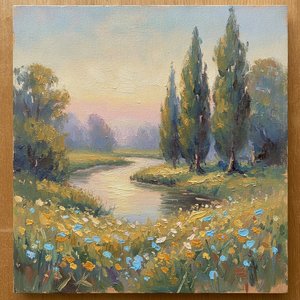
The Timeless Charm of Oil on Board: Reimagining Texture and Light through the Impressionist Lens
Discover the profound intimacy of oil on panel. Explore how Impressionist masters used rigid supports to capture light, texture, and impasto depth through exquisite, handmade oil reproductions for discerning collectors.

Lovis Corinth: Bridging Impressionism & Expressionism – A Study of Artistic Evolution
Explore the fascinating artistic journey of Lovis Corinth, a pivotal figure bridging Impressionism & Expressionism. Discover his evolution, key works, and lasting impact on modern art with OriginalUniqueArt.
