पूर्वावलोकन देखें
 भेजें
भेजें साझा करें
 विवरण देखें
 मार्गदर्शिका

 डाउनलोड करें
 समान वस्तुएं
 एक्स-रे
 स्लाइड शो देखें
 आंकड़े
Study for the Burlington House Cartoon
 Charcoal
- WallArt
- High Renaissance
 1503
1503- Late Medieval
 260.0 x 197.0 cm
 ब्रिटिश संग्रहालय
 और पढ़ें
गिक्ली / आर्ट प्रिंट
तेज़ उत्पादन और विभिन्न फिनिश विकल्पों के साथ म्यूजियम-क्वालिटी गिकली (giclée) या कैनवस प्रिंट। ( हाथ से बनी पेंटिंग खरीदें डिजिटल इमेज पर जाएँ)




P118B $10

P118H $10

P118W $10

P438Z $10

P508JH $12

P508YH $12

P805H $10

P805Z $10

P919BZ $10

P919G $10

P919XJ $10

P959ZH $10

P968JZ $12

W106C $8

W218G $10

W218JH $8

W218Y $10

W307PJ $10

W316G $10

W316PJ $8

W316Y $10

W398PJ $8

W4111J $10

W500HY $15

W500JH $15

W692G $12

W849H $8

W940BG $15

W953PJ $8




कलाकृति के मूल अनुपात से मेल खाने वाले हमारे पूर्व निर्धारित आकारों में से चुनें।

आप किसी विशिष्ट फ्रेम या स्थान के अनुसार अपने स्वयं के आयाम (dimensions) दर्ज कर सकते हैं। यदि आपके द्वारा चुना गया आकार मूल छवि के अनुपात से मेल नहीं खाता है, तो हम कलाकृति को क्रॉप कर देंगे या मिरर किए गए या सॉलिड-फिल किनारे के साथ छवि का विस्तार करेंगे। उत्पादन शुरू होने से पहले आपकी स्वीकृति के लिए एक डिजिटल मॉकअप भेजा जाएगा।
कृपया ध्यान दें कि स्क्रीन पर दिखने वाला प्रीव्यू वास्तविक क्रॉपिंग या विस्तार को नहीं दर्शाता है। केवल मॉकअप ही अंतिम संरचना को सटीक रूप से दिखाएगा।
हालाँकि कस्टम आकार उपलब्ध हैं, फिर भी हम मूल अनुपात बनाए रखने के लिए पूर्व-निर्धारित सूची में से एक आयाम चुनने की सलाह देते हैं।
विश्वव्यापी डिलीवरी (), मानक 4/5 सप्ताह के बजाय मात्र 2 सप्ताह में। (26 सितमबर)

दुनिया भर में मुफ़्त एक्सप्रेस शिपिंग

प्रीमियम ग्रेड लिनेन कैनवास

पूर्ण शिपिंग बीमा

सीमा शुल्क और आयात कर वापसी की गारंटी

सटीक रंग मिलान की गारंटी

100 दिनों की वापसी नीति (केवल निर्माण दोष होने पर)

100% पैसे वापसी की गारंटी

थोक छूट का अवसर
 ग्लास का विकल्प केवल 110 सेमी से कम आकार में ही उपलब्ध है।

Study for the Burlington House Cartoon
गिक्ली / आर्ट प्रिंट
प्रतिकृति का आकार
-


कुल मूल्य
$ 80
Leonardo da Vinci’s “Study for the Burlington House Cartoon”: A Glimpse into Genius
Leonardo da Vinci's "Study for the Burlington House Cartoon," a preparatory drawing executed in 1503, offers an extraordinary window into the mind of one of history’s most profound thinkers. More than just a sketch, it’s a vibrant testament to his relentless curiosity and masterful draftsmanship—a raw, exploratory work brimming with potential that hints at the monumental paintings yet to come. This particular study, rendered in charcoal and chalk on paper, isn't intended for polished perfection; rather, it embodies da Vinci’s process of invention, capturing movement, gesture, and the very essence of human interaction with breathtaking immediacy. The drawing’s significance lies not just in its artistic merit but also as a crucial document illuminating his creative journey.
The composition itself is remarkably complex, densely populated with figures—a family group centered around a young Christ Child, accompanied by Saint Anne and Saint John the Baptist. Yet, it's far from a static portrait; instead, it’s a dynamic tableau of interconnected relationships, imbued with a subtle narrative tension. The arrangement feels deliberately theatrical, reminiscent of Renaissance courtly scenes where allegorical figures conveyed moral or religious messages. While definitive interpretations remain elusive – da Vinci often layered symbolic meaning into his work – the drawing undeniably speaks to themes of family, faith, and divine grace.
Technique and Materiality: A Dance of Charcoal and Gesture
Da Vinci’s technique in this study is characterized by a remarkable fluidity and spontaneity. The lines are not precise or meticulously rendered; instead, they possess a gestural quality, conveying movement and volume through hatching and cross-hatching—a masterful manipulation of tonal variation. This approach prioritizes capturing the *feeling* of form over achieving photographic realism. Notice how the varying densities of charcoal create a palpable sense of texture, mimicking the roughness of paper and suggesting the weight and physicality of the figures. The use of chalk adds to this textural richness, creating subtle highlights and shadows that further define the forms.
The drawing’s surface is equally important. The visible grain of the paper itself contributes to the overall tactile quality, inviting the viewer to imagine the artist's hand moving across it with speed and confidence. It’s a testament to da Vinci’s understanding of materials—he wasn’t simply applying pigment; he was engaging in a dialogue with the medium, allowing its inherent qualities to inform his artistic vision. The loose, sketchy nature of the drawing is entirely deliberate, reflecting da Vinci's preference for capturing the *process* of creation rather than striving for an idealized representation.
Historical Context and Symbolism
Created in 1503, during a period of intense artistic innovation in Florence, this “Study” provides valuable insight into da Vinci’s working methods. It's believed to be one of several preparatory drawings he created for the larger "Virgin and Child with Saint Anne" project commissioned by Louis XII of France. The drawing itself is considered a ‘cartoon,’ a full-scale preliminary sketch used as a guide for the final painting – a common practice in Renaissance art. The composition draws upon established iconography, particularly the theme of the “Trinitarian Saint Anne,” which emphasized the familial connection between Mary, Anne, and Christ.
Interestingly, the drawing departs from some conventional depictions by omitting the figure of St. John the Baptist, a detail that suggests da Vinci was experimenting with different compositional arrangements and exploring alternative ways to convey the narrative. The placement of figures—particularly the twisting postures of Mary and Saint Anne—creates a dynamic visual rhythm, mirroring the complex relationships within the family group. The subtle gestures and expressions on their faces hint at unspoken emotions – tenderness, concern, and perhaps even a touch of familial tension.
A Reproduction for Art Lovers and Collectors
OriginalUniqueArt is proud to offer meticulously hand-painted reproductions of Leonardo da Vinci’s “Study for the Burlington House Cartoon.” Our artists replicate the drawing's unique texture, tonal nuances, and gestural quality with exceptional skill, capturing the essence of da Vinci’s artistic vision. Available in a range of sizes, this reproduction provides an accessible way to experience one of the Renaissance master’s most captivating preparatory works. Whether you are an art enthusiast, a collector seeking a piece of history, or simply someone drawn to the beauty and complexity of da Vinci's genius, our hand-painted reproduction offers a stunning tribute to this extraordinary artist.
Explore the full artwork details and order your custom reproduction today: Study for the Burlington House Cartoon
कलाकार का परिचय
लियोनार्डो दा विंची: पुनर्जागरण के एक असाधारण प्रतिभा
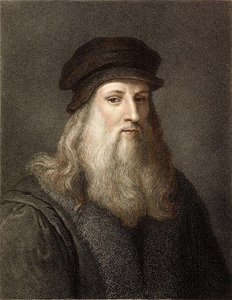
विन्सी के पास, टस्कनी में स्थित एक छोटे से गाँव के निकट 1452 में जन्मे लियोनार्डो डि सेर पिएरो दा विंची, न केवल एक कलाकार थे, बल्कि एक वैज्ञानिक, इंजीनियर, आविष्कारक और विचारक भी थे। वे पुनर्जागरण काल के सबसे महान व्यक्तियों में से एक माने जाते हैं, जिनकी प्रतिभा की कोई सीमा नहीं थी। उनकी जिज्ञासा ने उन्हें कला, विज्ञान और इंजीनियरिंग के क्षेत्रों में अभूतपूर्व ऊंचाइयों पर पहुंचाया, जिससे मानव इतिहास पर एक अमिट छाप पड़ी। दा विंची का नाम ही genius का पर्याय बन गया है, जो उनकी असाधारण प्रतिभा और दूरदर्शी सोच का प्रमाण है। उनके पिता पिएरो दा विंची एक नोटरी थे, जबकि उनकी माँ कैटेरिना एक किसान महिला थीं। इस असामान्य पृष्ठभूमि ने उन्हें व्यावहारिक दुनिया और प्रकृति के प्रति गहरी समझ विकसित करने में मदद की, जिसने बाद में उनकी कलात्मक दृष्टि को आकार दिया। उन्होंने बुनियादी शिक्षा प्राप्त की, लेकिन फ्लोरेंस में एंड्रिया डेल वेर्रोचियो के अधीन प्रशिक्षुता ने वास्तव में उनकी रचनात्मक चिंगारी को प्रज्वलित किया। वेर्रोचियो के कार्यशाला में, दा विंची केवल चित्रकला या मूर्तिकला नहीं सीख रहे थे; वे धातु शिल्प, बढ़ईगीरी, ड्राइंग और कलात्मक निर्माण की बारीकियों में डूबे हुए थे - एक नींव जिस पर उन्होंने अपनी बहुमुखी प्रतिभा का निर्माण किया। इस प्रारंभिक चरण में ही उनकी असाधारण प्रतिभा के बारे में फुसफुसाहटें फैलने लगी थीं, कुछ खातों से पता चलता है कि दा विंची की श्रेष्ठता को देखकर वेर्रोचियो ने स्वयं चित्रकला छोड़ दी थी।
मिलानी नवाचार और कलात्मक विकास
1482 में, लियोनार्डो ने मिलान के ड्यूक लुडोविको स्फोर्जा की सेवा में एक नया अध्याय शुरू किया। यह केवल एक कलात्मक नियुक्ति नहीं थी; दा विंची एक सैन्य इंजीनियर, वास्तुकार, मूर्तिकार और डिजाइनर के रूप में कार्य करते थे - उनकी विविध कौशल का प्रमाण। उन्होंने अभिनव किलेबंदी की कल्पना की, विस्तृत मंच सेट डिजाइन किए, और यहां तक कि शानदार मशीनों के लिए योजनाएं भी बनाईं। हालाँकि, इसी अवधि में उन्होंने अपनी सबसे प्रतिष्ठित कृतियों में से एक पर काम शुरू किया: द लास्ट सपर। सांता मारिया डेले ग्राज़िए मठ के रिफेक्टरी में भित्ति चित्र के रूप में चित्रित, यह कार्य मात्र प्रतिनिधित्व से बढ़कर है; यह मानवीय भावनाओं और मनोवैज्ञानिक नाटक की गहन खोज है, जो यीशु द्वारा अपने विश्वासघात की घोषणा करने के सटीक क्षण को पकड़ता है। रचना, उस समय के लिए अभिनव, और परिप्रेक्ष्य का कुशल उपयोग पश्चिमी कला को सदियों तक गहराई से प्रभावित करेगा। उनकी मिलानी अवधि के दौरान कई मूर्तिकला परियोजनाएं अधूरी रह गईं, लेकिन लियोनार्डो की नवोन्मेषी भावना फलती-फूलती रही, जिससे भविष्य में वैज्ञानिक अन्वेषणों का मार्ग प्रशस्त हुआ।
फ्लोरेंस वापसी और पूर्णता की खोज
1499 में मिलान पर फ्रांसीसी आक्रमण के बाद, लियोनार्डो फ्लोरेंस लौट आए, जो एक कलात्मक विकास के चरम पर था। इस दौरान उन्होंने अपेक्षाकृत कम पूर्ण कृतियाँ बनाईं, लेकिन उनका प्रभाव बहुत बड़ा था। यहीं पर उन्होंने दुनिया की सबसे प्रसिद्ध पेंटिंगों में से एक पर काम शुरू किया: मोना लिसा (ला जियोकोंडा)। विषय की रहस्यमय मुस्कान और मनोरम नज़र ने पीढ़ियों से दर्शकों को मोहित किया है, जबकि लियोनार्डो की क्रांतिकारी स्फुमाटो तकनीक - प्रकाश और छाया के सूक्ष्म मिश्रण जो धुंधली रूपरेखाओं और वायुमंडलीय परिप्रेक्ष्य को जन्म देते हैं - पेंटिंग की अलौकिक गुणवत्ता में महत्वपूर्ण योगदान दिया। इस अवधि में उनके शरीर रचना संबंधी अध्ययनों का भी निरंतर परिशोधन हुआ, जो मानव रूप को वैज्ञानिक सटीकता के साथ समझने की अटूट इच्छा से प्रेरित था। उन्होंने शवों का विच्छेदन किया, मांसपेशियों, हड्डियों और अंगों को अविश्वसनीय रूप से विस्तृत चित्रों में सावधानीपूर्वक प्रलेखित किया जो अपने समय से बहुत आगे थे।
कला से परे एक विरासत: विज्ञान, आविष्कार और स्थायी प्रभाव
लियोनार्डो के बाद के वर्षों को फ्लोरेंस, मिलान और रोम के बीच यात्राओं द्वारा चिह्नित किया गया था, हमेशा अपनी विशेषज्ञता के लिए मांग की जाती थी लेकिन अक्सर परियोजनाओं को अधूरा छोड़ दिया जाता था - शायद उनकी बेचैन बुद्धि और उनके हितों के विशाल दायरे का प्रतिबिंब। 1516 में, उन्होंने फ्रांस के राजा फ्रांस्वा प्रथम से क्लोज़ लुसे के पास एम्बोइस में एक महल के पास रहने और काम करने के लिए निमंत्रण स्वीकार किया, जहाँ उन्होंने अपने अंतिम वर्षों को बिताया। 1519 में उनकी मृत्यु हो गई, जिससे एक विशाल विरासत पीछे छूट गई जो कला के दायरे से कहीं आगे तक फैली हुई है। उनके नोटबुक्स में शरीर रचना विज्ञान, प्रकाशिकी, जल यांत्रिकी, भूविज्ञान और मानचित्रकला में अग्रणी कार्य का खुलासा होता है - और ऐसे आविष्कार भी हैं जो सदियों पहले अपने समय से आगे थे, जिनमें उड़ान मशीनें, टैंक और उन्नत हथियार शामिल हैं। लियोनार्डो दा विंची का कला इतिहास पर प्रभाव अमूल्य है। उन्होंने कलाकारों की स्थिति को कुशल कारीगरों से बौद्धिक आंकड़ों तक बढ़ाया, यह प्रदर्शित करते हुए कि वैज्ञानिक जांच और प्राकृतिक दुनिया की गहरी समझ द्वारा सूचित किया जा सकता है। उनकी पेंटिंग अपनी यथार्थवाद, मनोवैज्ञानिक गहराई और नवीन तकनीकों के लिए मनाई जाती हैं। वह मानव जिज्ञासा, रचनात्मकता और ज्ञान की अथक खोज का प्रतीक बने हुए हैं - एक सच्ची पुनर्जागरण भावना का अवतार जिनकी विरासत उनकी मृत्यु के सदियों बाद भी विस्मय और प्रशंसा को प्रेरित करती रहती है।
प्रमुख उपलब्धियाँ और स्थायी प्रभाव
- पेंटिंग: मोना लिसा, द लास्ट सपर, वर्जिन ऑफ द रॉक, एननसीयेशन
- ड्राइंग और स्केचिंग: व्यापक शरीर रचना संबंधी अध्ययन, इंजीनियरिंग डिजाइन (उड़ान मशीनें, हथियार), वनस्पति चित्रण
- विज्ञान और इंजीनियरिंग: शरीर रचना विज्ञान, प्रकाशिकी, जल यांत्रिकी, भूविज्ञान और मानचित्रकला में अग्रणी कार्य। अपने समय से सदियों पहले अवधारणाकृत आविष्कार।
लिओनार्डो दा विंची
1452 - 1519 , इटली
संक्षिप्त जानकारी
- Artistic Movement Or Style: उच्च पुनर्जागरण
- Artists Or Movements Influenced By This Artist: ['पुनर्जागरण कला']
- Artists Who Influenced This Artist: ['एंड्रिया डेल वेरोच्चियो']
- Date Of Birth: 15 अप्रैल 1452
- Date Of Death: 2 मई 1519
- Full Name: लिओनार्डो दा विंची
- Nationality: इतालवी
- Notable Artworks:
- मोना लिसा
- द लास्ट सपर
- विट्रुवियन मैन
- Place Of Birth: विनीज़िया, इटली
संबंधित लेखों की सूची
लियोनार्डो दा विंची की 25 उत्कृष्ट कृतियाँ: कला, इतिहास और आपके घर के लिए प्रेरणा
लियोनार्डो दा विंची की 25 सर्वश्रेष्ठ कृतियों का अन्वेषण करें! मोनालिसा से लेकर अंतिम भोजन तक, पुनर्जागरण कला के रहस्यों को जानें। उच्च गुणवत्ता वाली कला प्रतिकृतियाँ और घर की सजावट के लिए प्रेरणा OriginalUniqueArt.com पर खोजें।

लौवर संग्रहालय के शीर्ष 25 कलाकृतियाँ: इतिहास, कलाकार और सौंदर्य की यात्रा
लौवर संग्रहालय की शीर्ष 25 कलाकृतियों के साथ एक अविस्मरणीय यात्रा! मोना लिसा, लियोनार्डो दा विंची और अन्य महान कलाकारों की कहानियाँ जानें। घर की सजावट के लिए उच्च गुणवत्ता वाली कला प्रतिकृतियाँ खोजें। OriginalUniqueArt.com पर संपूर्ण संग्रह देखें।
फ्लोरेंस के उफीजी गैलरी की 25 उत्कृष्ट कलाकृतियाँ: इतिहास, कलाकार और सौंदर्य
फ्लोरेंस के उफीजी गैलरी की 25 उत्कृष्ट कलाकृतियों का अन्वेषण करें! लियोनार्डो दा विंची, माइकल एंजेलो और राफेल जैसे कलाकारों की कहानियाँ जानें। पुनर्जागरण कला से प्रेरित घर की सजावट के लिए उच्च गुणवत्ता वाली कला प्रतिकृतियाँ खोजें। OriginalUniqueArt.com पर संपूर्ण संग्रह देखें।
Renaissance Humanism's Greatest Art: 10 Masterpieces for Your Home
Explore 10 Renaissance Humanism masterpieces by Leonardo da Vinci, Michelangelo & Raphael. Discover the stories behind these iconic paintings & sculptures and bring timeless art into your home with museum-quality reproductions from OriginalUniqueArt.com. Explore the full collection online!
Leonardo da Vinci: A Renaissance Master’s Synthesis of Art, Science & Human Observation – Reinterpreted for the Collector
Explore Leonardo da Vinci’s timeless masterpieces with OriginalUniqueArt. Discover insights into his art, science, and legacy – trusted expertise for discerning collectors seeking authentic reproductions & investment opportunities.