पूर्वावलोकन देखें
 भेजें
भेजें साझा करें
 विवरण देखें
 मार्गदर्शिका

 डाउनलोड करें
 समान वस्तुएं
 एक्स-रे
 स्लाइड शो देखें
 आंकड़े
Codici di Madrid

 और पढ़ें
गिक्ली / आर्ट प्रिंट
तेज़ उत्पादन और विभिन्न फिनिश विकल्पों के साथ म्यूजियम-क्वालिटी गिकली (giclée) या कैनवस प्रिंट। ( हाथ से बनी पेंटिंग खरीदें डिजिटल इमेज पर जाएँ)




P118B ₹10

P118H ₹10

P118W ₹10

P438Z ₹10

P508JH ₹12

P508YH ₹12

P805H ₹10

P805Z ₹10

P919BZ ₹10

P919G ₹10

P919XJ ₹10

P959ZH ₹10

P968JZ ₹12

W106C ₹8

W218G ₹10

W218JH ₹8

W218Y ₹10

W307PJ ₹10

W316G ₹10

W316PJ ₹8

W316Y ₹10

W398PJ ₹8

W4111J ₹10

W500HY ₹15

W500JH ₹15

W692G ₹12

W849H ₹8

W940BG ₹15

W953PJ ₹8




कलाकृति के मूल अनुपात से मेल खाने वाले हमारे पूर्व निर्धारित आकारों में से चुनें।

अपने फ्रेम या अपनी दीवार के अनुसार आवश्यक चौड़ाई और ऊंचाई दर्ज करें। प्रिंट को केवल काटा जा सकता है, चित्र से बड़ा कभी नहीं बनाया जा सकता, इसलिए अलग आकार का साइज चित्र का एक हिस्सा खो देता है। किसी भी चीज़ को प्रिंट करने से पहले हम आपकी स्वीकृति के लिए आपको एक डिजिटल मॉकअप भेजते हैं। इस पृष्ठ पर दिखाया गया चित्र वास्तविक कटिंग नहीं दिखाता है — केवल मॉकअप ही इसे दर्शाता है।
विश्वव्यापी डिलीवरी (), मानक 4/5 सप्ताह के बजाय मात्र 2 सप्ताह में। (22 अक्टूबर)

दुनिया भर में मुफ़्त एक्सप्रेस शिपिंग

प्रीमियम ग्रेड लिनेन कैनवास

पूर्ण शिपिंग बीमा

सीमा शुल्क और आयात कर वापसी की गारंटी

सटीक रंग मिलान की गारंटी

100 दिनों की वापसी नीति (केवल निर्माण दोष होने पर)

100% पैसे वापसी की गारंटी

थोक छूट का अवसर
 ग्लास का विकल्प केवल 110 सेमी से कम आकार में ही उपलब्ध है।

Codici di Madrid
गिक्ली / आर्ट प्रिंट
प्रतिकृति का आकार
-


कुल मूल्य
₹ 7653
The Enigmatic Vessel: Exploring Leonardo da Vinci’s “Codici di Madrid”
Leonardo da Vinci's "Codici di Madrid," though shrouded in the mystery of its origins and current whereabouts, represents a fascinating intersection of observation, artistic invention, and perhaps even a subtle commentary on the nature of representation itself. This seemingly simple depiction of a ceramic or metal vase—a commonplace object elevated to an extraordinary study—offers a glimpse into the mind of one of history’s most profound thinkers. The painting, likely conceived as a preparatory drawing or sketchbook page, isn't merely a record of a physical form; it’s a distillation of da Vinci’s relentless pursuit of understanding – how light interacts with surface, how volume is perceived, and ultimately, how to capture the essence of an object on a two-dimensional plane.
The composition immediately draws the eye to the vase's distinctive spiral motif. This isn’t a purely decorative flourish; it speaks to da Vinci’s deep interest in geometry, proportion, and the underlying mathematical harmony he believed governed all things. The spiral, a recurring symbol throughout his work – from the swirling patterns of water to the graceful curves of human anatomy – suggests an exploration of growth, movement, and the cyclical nature of existence. It's a visual echo of concepts explored in his scientific notebooks, hinting at a mind constantly seeking connections between art and science.
A Study in Observation and Technique
Da Vinci’s approach to this seemingly straightforward subject is remarkably detailed, reflecting his meticulous method of observation. He wasn’t simply copying the vase; he was dissecting it visually, analyzing its form from multiple angles, and rendering each subtle curve and shadow with painstaking accuracy. The use of *spolvero*, a technique involving dusting charcoal onto the wet paint surface to create delicate lines and shading, is particularly evident here, lending an ethereal quality to the ceramic’s texture. This method allowed him to build up layers of tone and value with incredible precision, capturing not just the appearance but also the *feeling* of the material.
The choice of medium – likely charcoal on paper or perhaps a preliminary sketch for fresco – further illuminates da Vinci's working process. These preparatory drawings were crucial to his artistic development, serving as a laboratory where he could experiment with ideas and refine his techniques before committing them to larger-scale works. “Codici di Madrid” stands as a testament to this iterative approach, demonstrating how even the most familiar subject could become a vehicle for profound exploration.
Symbolism and Renaissance Ideals
Within the context of the High Renaissance, “Codici di Madrid” can be interpreted through the lens of humanist ideals. Da Vinci’s fascination with nature – a cornerstone of Renaissance thought – is powerfully evident in his detailed rendering of this everyday object. He elevates it to an object worthy of study and artistic representation, reflecting a belief in the inherent beauty and intellectual value of the natural world. The vase itself could be seen as a symbol of containment, holding within its form the potential for growth, knowledge, or even life – themes frequently explored by Renaissance artists and philosophers.
Furthermore, the image’s placement within a book—as depicted in the photograph—suggests a deliberate act of preservation and study. Books were repositories of knowledge during this period, and da Vinci's inclusion of his drawing within one reinforces the importance of observation, documentation, and the transmission of ideas across generations. It speaks to a legacy of learning and a deep appreciation for the power of visual representation.
A Timeless Masterpiece: Reproduction Possibilities
OriginalUniqueArt offers exquisite hand-painted reproductions of “Codici di Madrid,” meticulously crafted by our team of skilled artists who emulate da Vinci’s techniques with unparalleled accuracy. Each reproduction captures not only the image's visual details but also its underlying atmosphere and emotional resonance. Whether you are an art collector, interior designer seeking to infuse a space with Renaissance elegance, or simply an admirer of da Vinci’s genius, our reproductions provide a beautiful and authentic way to experience this enigmatic masterpiece. Explore our collection today and bring the intellectual depth and artistic beauty of “Codici di Madrid” into your home or studio.
प्रश्न और उत्तर
लियोनार्डो दा विंची द्वारा "Codici di Madrid" में कौन सा मुख्य रंग प्रमुखता से दिखाई देता है?
लियोनार्डो दा विंची द्वारा "Codici di Madrid" में Ochre to Sepia रंग की प्रधानता है।
"Codici di Madrid" का प्रारूप क्या है?
"Codici di Madrid" का प्रारूप Portrait है। यह तब उपयोगी होता है जब आप यह योजना बना रहे हों कि पुनरुत्पादन (reproduction) कहाँ रखा जाएगा।
लियोनार्डो दा विंची द्वारा "Codici di Madrid" किस भावना को व्यक्त करता है?
"Codici di Madrid" एक Reflective भावना से जुड़ा है। यह भावनात्मक स्वर उस प्रभाव का वर्णन करता है जो यह कृति उत्पन्न करती है।
कलाकार का परिचय
लियोनार्डो दा विंची का जीवन और विरासत।
लियोनार्डो डि सेर पिएरो दा विंची, जिनका जन्म 1452 में टस्कनी के विन्ची गाँव के पास हुआ था, पुनर्जागरण काल के सबसे सर्वमान्य व्यक्तित्व बने हुए हैं—एक सच्चे बहुश्रुत (polymath) जिनकी अतृप्त जिज्ञासा ने उन्हें विभिन्न विषयों में आगे बढ़ाया और कला, विज्ञान एवं इंजीनियरिंग पर एक अमिट छाप छोड़ी। उनका नाम ही प्रतिभा का पर्याय बन गया है, जो उनकी असाधारण क्षमता और दूरदर्शी सोच का प्रमाण है। एक नोटरी पिएरो दा विंची और एक किसान महिला कैटेरिना की संतान के रूप में, लियोनार्डो का प्रारंभिक जीवन असामान्य था, फिर भी इसने उन्हें व्यावहारिक दुनिया और प्रकृति के प्रति उस समझ से जोड़ा जिसने उनकी कलात्मक दृष्टि को गहराई से आकार दिया। उन्होंने पढ़ने, लिखने और अंकगणित की बुनियादी शिक्षा प्राप्त की, लेकिन फ्लोरेंस में एंड्रिया डेल वेर्रोचियो के अधीन उनके प्रशिक्षण ने ही वास्तव में उनकी रचनात्मक चिंगारी को प्रजंतित किया। वेर्रोचियो की कार्यशाला में, लियोनार्डो केवल पेंटिंग या मूर्तिकला नहीं सीख रहे थे; वे तकनीकी कौशल की दुनिया में डूबे हुए थे, जहाँ उन्होंने धातु शिल्प, बढ़ईगिरी, रेखांकन और कलात्मक सृजन की जटिलताओं में महारत हासिल की—यही वह आधार था जिस पर उन्होंने अपनी बहुआयामी प्रतिभा का निर्माण किया। इस प्रारंभिक काल के दौरान ही उनकी असाधारण प्रतिभा की चर्चा होने लगी थी, और कुछ वृत्तांत तो यहाँ तक कहते हैं कि लियोनार्डो की श्रेष्ठ क्षमता को देखने के बाद स्वयं वेर्रोचियो ने पेंटिंग करना छोड़ दिया था।
मिलानी नवाचार और कलात्मक उत्कर्ष
1482 में, लियोनार्डो ने एक नए अध्याय की शुरुआत की और मिलान के ड्यूक लुडोविको स्फोरज़ा की सेवा में शामिल हुए। यह केवल एक कलात्मक नियुक्ति नहीं थी; लियोनलैंडो दरबार के लिए एक सैन्य इंजीनियर, वास्तुकार, मूर्तिकार और डिजाइनर के रूप में कार्य करते थे—जो उनके विविध कौशल का प्रमाण था। उन्होंने नवीन किलाबंदी की योजनाएँ बनाईं, विस्तृत मंच सज्जा तैयार की और यहाँ तक कि काल्पनिक मशीनों के रेखाचित्र भी बनाए। हालाँकि, इसी अवधि के दौरान उन्होंने अपनी सबसे प्रतिष्ठित उत्कृष्ट कृतियों में से एक पर काम करना शुरू किया: द लास्ट सपर। सांता मारिया डेले ग्राज़िए मठ के रिफेक्ट्री में भित्ति चित्र (fresco) के रूप में चित्रित यह कृति केवल एक चित्रण मात्र नहीं है; यह मानवीय भावनाओं और मनोवैज्ञानिक नाटक का एक गहरा अन्वेषण है, जो उस सटीक क्षण को कैद करता है जब मसीह अपने विश्वासघात की घोषणा करते हैं। अपने समय के लिए अभिनव रचना और परिप्रेक्ष्य (perspective) का कुशल उपयोग आने वाली सदियों तक पश्चिमी कला को गहराई से प्रभावित करने वाला था। हालाँकि उनके मिलानी काल के दौरान कई मूर्तिकला परियोजनाएँ अधूरी रह गईं, लेकिन लियोनार्डो की आविष्कारक भावना फलती-फूलती रही, जिसने भविष्य के वैज्ञानिक अन्वेषणों की नींव रखी।
फ्लोरेंटाइन वापसी और पूर्णता की खोज
1499 में मिलान पर फ्रांसीसी आक्रमण के बाद, लियोनार्डो फ्लोरेंस लौटे, जो उस समय कलात्मक विकास के शिखर का अनुभव कर रहा था। हालाँकि इस दौरान उन्होंने कम पूर्ण कार्य किए, लेकिन उनका प्रभाव अत्यधिक था। यहीं उन्होंने उस कृति पर काम शुरू किया जो दुनिया की सबसे प्रसिद्ध पेंटिंग बनने वाली थी: मोना लिसा (ला जियोकोंडा)। विषय की रहस्यमयी मुस्कान और मंत्रमुग्ध कर देने वाली दृष्टि ने पीढ़ियों से दर्शकों को आकर्षित किया है, जबकि लियोनार्डो की क्रांतिकारी *स्फुमातो* तकनीक—धुंधली रूपरेखा और वायुमंडलीय परिप्रेक्ष्य बनाने के लिए प्रकाश और छाया का सूक्ष्म मिश्रण—ने पेंटिंग की अलौकिकता में महत्वपूर्ण योगदान दिया। इस काल में उनके शारीरिक अध्ययन (anatomical studies) में भी निरंतर सुधार देखा गया, जो वैज्ञानिक सटीकता के साथ मानव रूप को समझने की उनकी अटूट इच्छा से प्रेरित था। उन्होंने शवों का विच्छेदन किया और मांसपेशियों, हड्डियों और अंगों का अत्यंत विस्तृत रेखाचित्रों में दस्तावेजीकरण किया, जो अपने समय से सदियों आगे थे।
कला से परे एक विरासत: विज्ञान, आविष्कार और स्थायी प्रभाव
लियोनार्डो के उत्तरार्द्ध के वर्ष फ्लोरेंस, मिलान और रोम के बीच यात्राओं के लिए जाने जाते हैं, जहाँ उन्हें हमेशा उनकी विशेषज्ञता के लिए खोजा जाता था, लेकिन अक्सर उनके प्रोजेक्ट अधूरे रह जाते थे—जो शायद उनकी बेचैन बुद्धि और उनके हितों के विशाल दायरे का प्रतिबिंब था। 1516 में, उन्होंने फ्रांस में एम्बोइस के पास शैटॉ डू क्लॉस लुसे में रहने और काम करने के लिए राजा फ्रांसिस प्रथम के निमंत्रण को स्वीकार किया, जहाँ उन्होंने अपने अंतिम वर्ष बिताए। 1519 में उनका निधन हो गया, पीछे एक विशाल विरासत छोड़ गए जो कला के क्षेत्र से कहीं आगे तक फैली हुई है। उनकी नोटबुक शरीर रचना विज्ञान, प्रकाशिकी (optics), हाइड्रोलिक्स, भूविज्ञान और मानचित्रकला में अग्रणी कार्य को प्रकट करती हैं—और उन्होंने उड़ने वाली मशीनों, टैंकों और उन्नत हथियारों सहित ऐसे आविष्कारों की कल्पना की जो अपने समय से सदियों आगे थे। कला के इतिहास पर लियोनार्डो दा विंची का प्रभाव अथाह है। उन्होंने कलाकारों के स्तर को कुशल शिल्पकारों से उठाकर बौद्धिक हस्तियों के रूप में स्थापित किया, यह प्रदर्शित करते हुए कि कलात्मक सृजन वैज्ञानिक जांच और प्राकृतिक दुनिया की गहरी समझ से प्रेरित हो सकता है। उनकी पेंटिंग्स अपने यथार्थवाद, मनोवैज्ञानिक गहराई और नवीन तकनीकों के लिए मनाई जाती हैं। वे मानवीय जिज्ञासा, रचनात्मकता और ज्ञान की निरंतर खोज के प्रतीक बने हुए हैं—पुनर्जागरण भावना के एक सच्चे अवतार जिनकी विरासत उनकी मृत्यु के सदियों बाद भी विस्मय और आकर्षण पैदा करती रहती है।
प्रमुख उपलब्धियाँ और स्थायी प्रभाव
- पेंटिंग: मोना लिसा, द लास्ट सपर, वर्जिन ऑफ द रॉक्स, एननसिएशन
- रेखांकन और स्केचिंग: व्यापक शारीरिक अध्ययन, इंजीनियरिंग डिजाइन (उड़ने वाली मशीनें, हथियार), वानस्पतिक चित्रण
- विज्ञान और इंजीनियरिंग: शरीर रचना विज्ञान, प्रकाशिकी, हाइड्रोलिक्स, भूविज्ञान और मानचित्रकला में अग्रणी कार्य। अपने समय से सदियों आगे के आविष्कारों की कल्पना की।
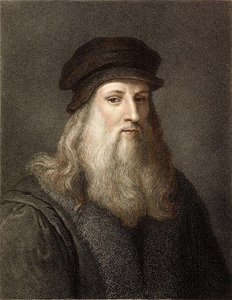
लियोनार्डो दा विंची
1452 - 1519 , इटली
संक्षिप्त जानकारी
- Artistic Movement Or Style: उच्च पुनर्जागरण
- Artists Or Movements Influenced By This Artist: ['पुनर्जागरण कला']
- Artists Who Influenced This Artist: ['एंड्रिया डेल वेरोच्चियो']
- Date Of Birth: 15 अप्रैल 1452
- Date Of Death: 2 मई 1519
- Full Name: लिओनार्डो दा विंची
- Nationality: इतालवी
- Notable Artworks:
- मोना लिसा
- द लास्ट सपर
- विट्रुवियन मैन
- Place Of Birth: विनीज़िया, इटली
संबंधित लेखों की सूची
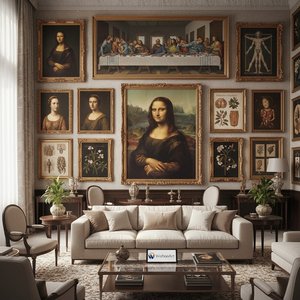
लियोनार्डो दा विंची की 25 उत्कृष्ट कृतियाँ: कला, इतिहास और आपके घर के लिए प्रेरणा
लियोनार्डो दा विंची की 25 सर्वश्रेष्ठ कृतियों का अन्वेषण करें! मोनालिसा से लेकर अंतिम भोजन तक, पुनर्जागरण कला के रहस्यों को जानें। उच्च गुणवत्ता वाली कला प्रतिकृतियाँ और घर की सजावट के लिए प्रेरणा OriginalUniqueArt.com पर खोजें।
फ्लोरेंस के उफीजी गैलरी की 25 उत्कृष्ट कलाकृतियाँ: इतिहास, कलाकार और सौंदर्य
फ्लोरेंस के उफीजी गैलरी की 25 उत्कृष्ट कलाकृतियों का अन्वेषण करें! लियोनार्डो दा विंची, माइकल एंजेलो और राफेल जैसे कलाकारों की कहानियाँ जानें। पुनर्जागरण कला से प्रेरित घर की सजावट के लिए उच्च गुणवत्ता वाली कला प्रतिकृतियाँ खोजें। OriginalUniqueArt.com पर संपूर्ण संग्रह देखें।

लौवर संग्रहालय के शीर्ष 25 कलाकृतियाँ: इतिहास, कलाकार और सौंदर्य की यात्रा
लौवर संग्रहालय की शीर्ष 25 कलाकृतियों के साथ एक अविस्मरणीय यात्रा! मोना लिसा, लियोनार्डो दा विंची और अन्य महान कलाकारों की कहानियाँ जानें। घर की सजावट के लिए उच्च गुणवत्ता वाली कला प्रतिकृतियाँ खोजें। OriginalUniqueArt.com पर संपूर्ण संग्रह देखें।
Renaissance Humanism's Greatest Art: 10 Masterpieces for Your Home
Explore 10 Renaissance Humanism masterpieces by Leonardo da Vinci, Michelangelo & Raphael. Discover the stories behind these iconic paintings & sculptures and bring timeless art into your home with museum-quality reproductions from OriginalUniqueArt.com. Explore the full collection online!
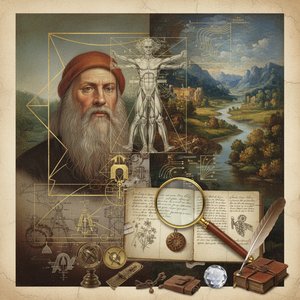
Leonardo da Vinci: A Renaissance Master’s Synthesis of Art, Science & Human Observation – Reinterpreted for the Collector
Explore Leonardo da Vinci’s timeless masterpieces with OriginalUniqueArt. Discover insights into his art, science, and legacy – trusted expertise for discerning collectors seeking authentic reproductions & investment opportunities.