
 पूर्वावलोकन देखें
 साझा करें
 साझा करें
 विस्तृत विवरण

 डाउनलोड करें
 समान कलाकृतियाँ
 एक्स-रे
 स्लाइड शो देखें
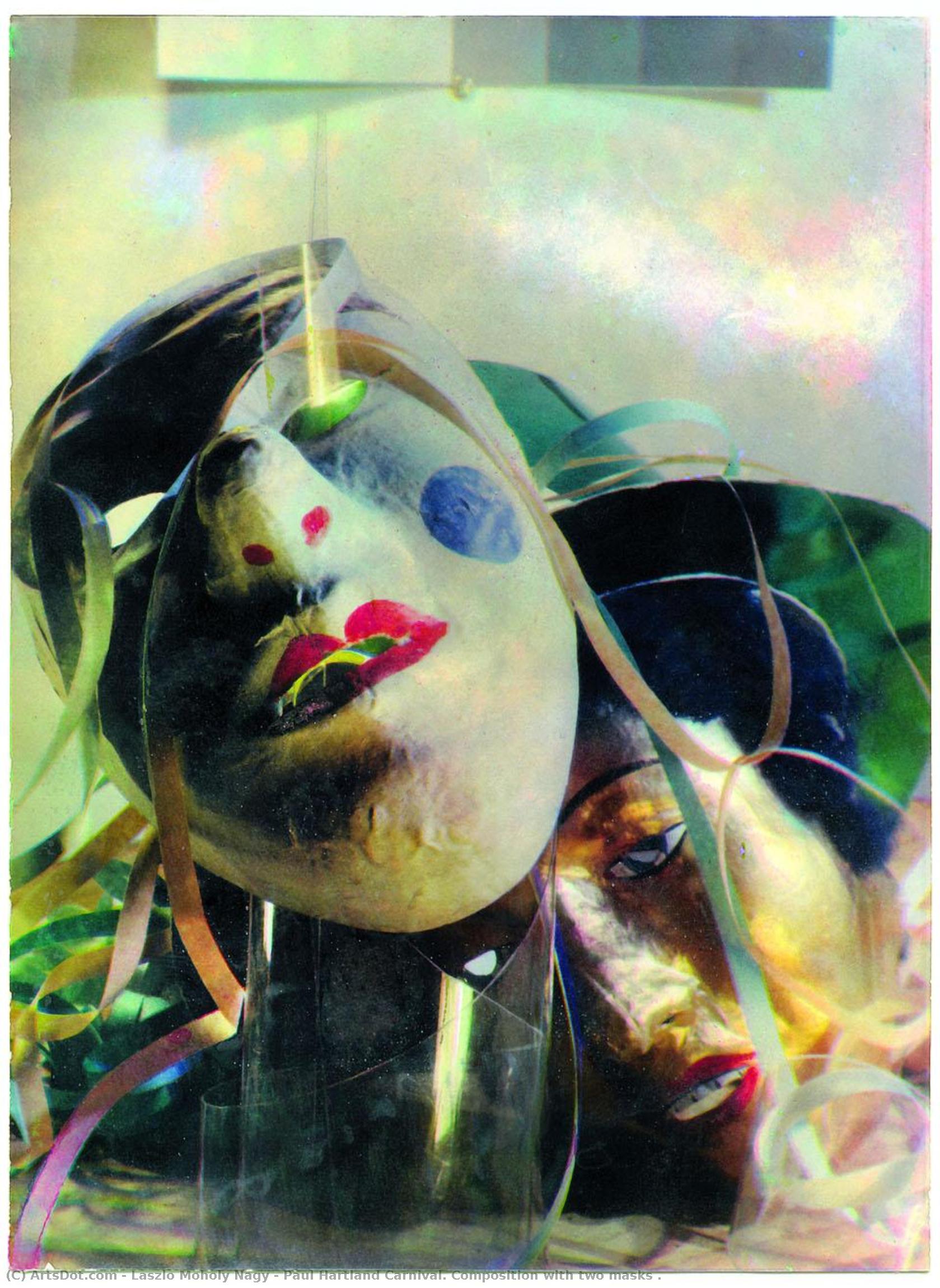
Paul Hartland Carnival. Composition with two masks .


 पूरा देखें
ऑनलाइन पूर्वावलोकन से कहीं अधिक बेहतर, उच्च-रिज़ॉल्यूशन वाली उन्नत डिजिटल छवि खरीदें।
प्रत्येक फ़ाइल हमारे आंतरिक विशेषज्ञों द्वारा उन्नत उपकरणों और विशेषज्ञ मैनुअल रीटचिंग का उपयोग करके सावधानीपूर्वक तैयार की जाती है। हम यह सुनिश्चित करते हैं कि प्रत्येक छवि में असाधारण स्पष्टता, सटीक रंग सटीकता और बारीक विवरण हो।
अंतिम फ़ाइल 72 घंटों के भीतर ईमेल के माध्यम से भेज दी जाती है, जिसे पेशेवर, संपादकीय और प्रिंट कार्यों में तत्काल उपयोग के लिए अनुकूलित किया गया है। यह वही गुणवत्ता है जिस पर शीर्ष स्तर के डिज़ाइन स्टूडियो, प्रकाशक और गैलरी भरोसा करते हैं।
डिजिटल इमेज
व्यक्तिगत प्रदर्शन, प्रिंटिंग और रचनात्मक परियोजनाओं के लिए एक उच्च-रिज़ॉल्यूशन फ़ाइल डाउनलोड करें। ( प्रिंट खरीदें हाथ से बनी पेंटिंग खरीदें)
प्रत्येक डिजिटल इमेज ऑर्डर के साथ शामिल है
विशेषज्ञ डिजिटल डिलीवरी, सुनिश्चित
जब आप OriginalUniqueArt.com को चुनते हैं, तो आपको केवल एक छवि ही नहीं मिलती - बल्कि आपको प्राप्त होती है एक पेशेवर रूप से संवर्धित डिजिटल कलाकृति, जिसे पूरी सटीकता के साथ तैयार किया गया है और जिसकी संतुष्टि की गारंटी दी जाती है। आपके ऑर्डर के साथ स्वचालित रूप से ये सभी चीजें शामिल हैं:

त्वरित ईमेल डिलीवरी
आपकी उच्च-रिज़ॉल्यूशन वाली डिजिटल इमेज फ़ाइल ऑर्डर करने के 72 घंटों के भीतर आपको ईमेल कर दी जाएगी - जो तुरंत उपयोग के लिए तैयार है।

एआई-संवर्धित डिजिटल फ़ाइल
आपकी कलाकृति को उन्नत एआई (AI) उपकरणों और मैनुअल संपादन के माध्यम से पेशेवर रूप से अनुकूलित किया जाता है, जो अधिकतम विवरण, स्पष्टता और रंगों की सटीक सटीकता सुनिश्चित करता है।

आजीवन मुफ्त पुन: वितरण सेवा
क्या आपकी फाइल गलती से डिलीट या खो गई है? चिंता न करें - हम इसे आपके लिए किसी भी समय, बिना किसी शुल्क के, फिर से भेज देंगे।

कोई आयात शुल्क नहीं - हमेशा के लिए
बिना किसी कस्टम ड्यूटी, शुल्क या डिलीवरी शुल्क के अपनी कलाकृति का तुरंत आनंद लें - डिजिटल डाउनलोड हमेशा टैक्स-फ्री होते हैं।

सटीक रंगों की गारंटी
हम पेशेवर उपकरणों और कलर मैनेजमेंट का उपयोग करके यह सुनिश्चित करते हैं कि आपकी डिजिटल छवि मूल रंगों को यथासंभव सटीक रूप से दर्शाती है।

60 दिनों की संतुष्टि गारंटी
यदि आप अपनी डिजिटल इमेज से संतुष्ट नहीं हैं, तो हम 60 दिनों के भीतर इसमें सुधार करेंगे या 100% की वापसी करेंगे - बिना कोई सवाल पूछे।

100% मनी-बैक गारंटी
संतुष्ट नहीं हैं? अपनी डिजिटल फ़ाइल प्राप्त करने के 60 दिनों के भीतर पूरा रिफ़ंड प्राप्त करें - बिना किसी सवाल के।

थोक ऑर्डर पर छूट
3 इमेज खरीदें, 10% बचाएं - 5 खरीदें, 15% बचाएं - 10 से अधिक खरीदें, 20% बचाएं। रचनात्मक परियोजनाओं, दीर्घाओं और एजेंसियों के लिए बेहतरीन।
संग्रहणीय का विवरण
The Dreamlike World of László Moholy-Nagy: Unveiling “Paul Hartland Carnival”
László Moholy-Nagy’s “Paul Hartland Carnival. Composition with two masks.”, created in 1934, isn't merely a painting; it’s an immersive journey into the subconscious, a vibrant collision of memory and illusion rendered in bold colors and fragmented forms. This artwork, now available as a high-quality reproduction through OriginalUniqueArt.com, stands as a testament to Moholy-Nagy’s pioneering spirit – his relentless experimentation with photography, collage, and the very nature of perception. It's a piece that immediately demands attention, pulling the viewer into its dreamlike atmosphere and prompting questions about identity, representation, and the power of visual language.
At first glance, the composition appears chaotic—two figures, their faces obscured by layers of textured material, dominate the central space. However, a closer look reveals a carefully orchestrated balance. Sharp angular lines intersect with softer curves, creating a dynamic tension that mirrors the complexities of human experience. The use of reflective surfaces – cellophane, perhaps, or other translucent materials – adds an ethereal quality, blurring the boundaries between reality and illusion. Fragments of what seem to be photographs, printed matter, and even architectural elements are interwoven, suggesting a world constructed from disparate memories and experiences.
A Pioneer of “New Vision”: Moholy-Nagy’s Artistic Philosophy
To fully appreciate “Paul Hartland Carnival,” it's crucial to understand the context of Moholy-Nagy’s artistic philosophy, which he termed "New Vision." Rejecting traditional notions of representation, he believed that photography could reveal hidden aspects of reality – a world beyond what the eye perceives. This concept profoundly influenced his work, leading him to experiment with photograms (images created by placing objects directly on light-sensitive paper) and other techniques designed to manipulate perception. He sought to capture not just appearances but also the *feeling* of a subject, translating it into visual form.
The artwork’s vibrant color palette – dominated by reds, yellows, and blues – further reinforces this sense of heightened emotion and subjective experience. These aren't naturalistic colors; they are deliberately chosen to evoke specific moods and sensations. The use of contrasting hues creates a dynamic visual rhythm, drawing the eye across the composition and adding to its overall intensity.
Historical Context: Dadaism, Constructivism, and the Dawn of Modernity
“Paul Hartland Carnival” was created during a period of profound social and artistic upheaval. The early 1930s witnessed the rise of Dadaism in Europe, a movement that challenged traditional notions of art and embraced absurdity and anti-establishment sentiment. Simultaneously, Constructivism – a Russian avant-garde movement focused on geometric abstraction and industrial materials – was gaining momentum. Moholy-Nagy’s work reflects these influences, blending elements of both styles while forging his own unique visual language.
His time at the Bauhaus school in Weimar further shaped his artistic approach, emphasizing design principles and exploring new technologies. The artwork's fragmented composition and use of unconventional materials can be seen as a direct response to the rapidly changing world around him – a world grappling with industrialization, urbanization, and the anxieties of modernity. It’s a visual echo of the era’s dynamism and uncertainty.
Symbolism and Emotional Resonance: A Portrait of the Psyche
While the specific meaning of “Paul Hartland Carnival” remains open to interpretation, it's clear that the two masked figures represent something deeper than mere portraits. They could symbolize duality, hidden identities, or perhaps the fragmented nature of selfhood. The masks themselves suggest a deliberate concealment, inviting us to question what lies beneath the surface.
Ultimately, this artwork is an invitation to engage with our own subconscious – to explore the layers of memory, emotion, and experience that shape our perceptions. It’s a powerful reminder of the transformative potential of art, capable of transporting us beyond the realm of the literal and into the depths of the human psyche. A reproduction of “Paul Hartland Carnival” offers a captivating glimpse into Moholy-Nagy's visionary world, bringing this extraordinary piece to your home or office.
कलाकार का जीवन परिचय
लास्ज़लो मोहोली-नागी: आधुनिक कला और बाउहौस के अग्रदूत
- जन्म: बाक्स-काजाला, हंगरी (1895)
- मृत्यु: 1946
लास्ज़लो मोहोली-नागी एक अत्यंत प्रभावशाली हंगेरियन चित्रकार, फोटोग्राफर, मूर्तिकार और डिजाइनर थे। उन्हें बाउहौस स्कूल में उनके महत्वपूर्ण योगदान और रचनावाद (Constructivism), टाइपोग्राफी, फोटोग्राफी और गतिज कला (kinetic art) के क्षेत्र में उनके अग्रणी कार्यों के लिए सबसे अधिक जाना जाता है। उनका कलात्मक दर्शन कला में तकनीक और उद्योग को एकीकृत करने पर केंद्रित था, जिसमें उन्होंने आधुनिक दुनिया को अपनाने वाली रचनात्मकता के एक नए दृष्टिकोण की वकालत की थी।
प्रारंभिक जीवन और प्रभाव
हंगरी के बाक्सबोरोड में एक यहूदी परिवार में लास्ज़लो वीज़ के रूप में जन्मे, उन्होंने बाद में मोहोली-नागी उपनाम अपनाया। उनके चचेरे भाई प्रसिद्ध कंडक्टर सर जॉर्ज सोल्ती थे। बुडापेस्ट में कानून की पढ़ाई करने के बाद, प्रथम विश्व युद्ध में सेवा के दौरान वे गंभीर रूप से घायल हो गए। इस कठिन दौर ने उन्हें "जेलेनकोर" जैसी पत्रिकाओं और लाजोस कासाक की पत्रिका "मा" के आसपास के "एक्टिविस्ट" समूह के माध्यम से आधुनिक कला आंदोलनों से परिचित कराया।
सैन्य सेवा के बाद, उन्होंने हंगेरियन फाविस्ट कलाकार रॉबर्ट बेरेनी के साथ अध्ययन किया, जिससे आधुनिक कलात्मक प्रवृत्तियों में उनकी प्रारंभिक रुचि का पता चलता है। मोहोली-नागी रचनावाद और सुप्रेमैटिज्म से गहराई से प्रभावित थे—ये वे आंदोलन थे जिन्होंने ज्यामितीय अमूर्तता और औद्योगिक सामग्रियों पर जोर दिया था, और यह प्रभाव उनके बाद के कार्यों में स्पष्ट रूप से दिखाई देता है।
बाउहौस के वर्ष और "न्यू विजन"
1923 में, मोहोली-नागी जर्मनी के वाइमर में बाउहौस स्कूल में शामिल हुए। शुरुआत में उन्होंने जोसेफ अल्बर्स के साथ प्रारंभिक पाठ्यक्रम में सह-शिक्षण किया और अंततः धातु कार्यशाला के प्रमुख के रूप में जोहान्स इटन का स्थान लिया। उनके आगमन ने बाउहौस की दिशा को अभिव्यक्तिवाद (Expressionism) से हटाकर अधिक रचनावादी और डिजाइन-उन्मुख दृष्टिकोण की ओर मोड़ दिया, जो स्कूल के मूल उद्देश्यों के अनुरूप था।
मोहोली-नागी को सबसे प्रसिद्ध रूप से "न्यू विजन" (New Vision) शब्द गढ़ने के लिए जाना जाता है, जिसने कैमरे की उस क्षमता का समर्थन किया जो मानवीय आंखों के लिए अदृश्य वास्तविकता के पहलुओं को प्रकट कर सकती है। इसी अवधारणा ने उनके फोटोग्राफिक और कलात्मक प्रयोगों की नींव रखी। उन्होंने 'फोटोग्राम' तकनीक का भी आविष्कार किया—जिसमें बिना कैमरे के, प्रकाश-संवेदनशील कागज पर सीधे वस्तुओं को रखकर चित्र बनाए जाते थे—जो फोटोग्राफी के प्रति उनके अभिनव दृष्टिकोण को दर्शाता है। अपनी मूर्तियों और डिजाइनों में उन्होंने धातु, प्लेक्सीग्लास और इलेक्ट्रिक लाइटिंग जैसी औद्योगिक सामग्रियों को अपनाया, जो कला और तकनीक के एकीकरण में उनके विश्वास को दर्शाता है।
प्रमुख उपलब्धियां और नवाचार
1930 में पूरा हुआ उनका गतिज मूर्तिकला कार्य, "लिचटरेक्विज़िट एरर इलेक्ट्रिशेन ब्यूने" (Light-Space Modulator), गतिशील पैटर्न बनाने के लिए चलते हुए हिस्सों और प्रक्षेपित प्रकाश का उपयोग करता था, जिसे गतिज कला और प्रकाश कला दोनों का अग्रदूत माना जाता है। उनके फोटोग्राफिक कार्यों ने अमूर्तता, बनावट और गति की खोज की, जिसमें अक्सर फोटोमोंटाज और प्रयोगात्मक लाइटिंग जैसी अपरंपरागत तकनीकों का उपयोग किया गया। उन्होंने फिल्म निर्माण के क्षेत्र में भी कदम रखा।
एक शिक्षक के रूप में, बाउहौस और बाद में शिकागो में उनके द्वारा स्थापित 'न्यू बाउहौस' में, मोहोली-नागी ने कलाकारों और डिजाइनरों की पीढ़ियों को गहराई से प्रभावित किया। अपनी ललित कला साधना के अलावा, उन्होंने थिएटर प्रस्तुतियों के लिए सेट डिजाइन किए और विज्ञापन अभियान बनाए, जो उनकी बहुमुखी प्रतिभा और उनके डिजाइन दर्शन का प्रतिबिंब थे।
ऐतिहासिक महत्व
लास्ज़लो मोहोली-नागी 20वीं सदी की आधुनिक कला में एक महत्वपूर्ण व्यक्तित्व के रूप में खड़े हैं, जिन्होंने पेंटिंग, मूर्तिकला, फोटोग्राफी और औद्योगिक डिजाइन के बीच की खाई को पाटा। बाउहौस स्कूल में उनके योगदान ने इसके पाठ्यक्रम और सौंदर्यशास्त्र को आकार देने में महत्वपूर्ण भूमिका निभाई, जिससे दुनिया भर में डिजाइन शिक्षा पर स्थायी प्रभाव पड़ा। कला में तकनीक को एकीकृत करने पर उनके जोर ने समकालीन कला प्रथाओं में कई विकासों का पूर्वानुमान लगाया था। उनकी "न्यू विजन" की विरासत आज भी कलाकारों और फोटोग्राफरों को नवीन तकनीकों के माध्यम से धारणा और प्रतिनिधित्व की संभावनाओं को खोजने के लिए प्रेरित करती है।

लास्ज़लो मोहोली-नागी
1895 - 1946 , हंगरी
संक्षिप्त जानकारी
- Artistic Movement Or Style: रचनावाद (Constructivism), बाउहॉस (Bauhaus)
- Artists Or Movements Influenced By This Artist:
- मारियान ब्रैंड्ट
- ग्योर्गी केपेस
- एंडोर वीनिंगर
- Artists Who Influenced This Artist: ['रॉबर्ट बेरेनी']
- Date Of Birth: 1895
- Date Of Death: 1946
- Full Name: लास्ज़लो मोहोली-नागी
- Nationality: हंगेरियन
- Notable Artworks:
- स्मॉल कंपोजिशन
- फ्लावर
- मास साइकोसिस
- अनटाइटल्ड
- द स्टॉर्म
- फोटोग्राम
- Place Of Birth: बक्स-काजाला, हंगरी

