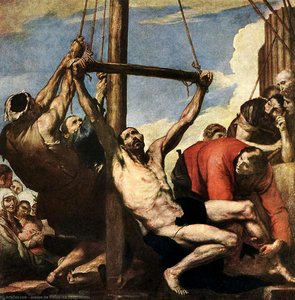
पूर्वावलोकन देखें
 भेजें
भेजें साझा करें
 विवरण देखें
 मार्गदर्शिका

 डाउनलोड करें
 समान वस्तुएं
 एक्स-रे
 स्लाइड शो देखें
 आंकड़े
St. Jerome and the Angel


 और पढ़ें
गिक्ली / आर्ट प्रिंट
तेज़ उत्पादन और विभिन्न फिनिश विकल्पों के साथ म्यूजियम-क्वालिटी गिकली (giclée) या कैनवस प्रिंट। ( हाथ से बनी पेंटिंग खरीदें डिजिटल इमेज पर जाएँ)




P118B ₹10

P118H ₹10

P118W ₹10

P438Z ₹10

P508JH ₹12

P508YH ₹12

P805H ₹10

P805Z ₹10

P919BZ ₹10

P919G ₹10

P919XJ ₹10

P959ZH ₹10

P968JZ ₹12

W106C ₹8

W218G ₹10

W218JH ₹8

W218Y ₹10

W307PJ ₹10

W316G ₹10

W316PJ ₹8

W316Y ₹10

W398PJ ₹8

W4111J ₹10

W500HY ₹15

W500JH ₹15

W692G ₹12

W849H ₹8

W940BG ₹15

W953PJ ₹8




कलाकृति के मूल अनुपात से मेल खाने वाले हमारे पूर्व निर्धारित आकारों में से चुनें।

अपने फ्रेम या अपनी दीवार के अनुसार आवश्यक चौड़ाई और ऊंचाई दर्ज करें। प्रिंट को केवल काटा जा सकता है, चित्र से बड़ा कभी नहीं बनाया जा सकता, इसलिए अलग आकार का साइज चित्र का एक हिस्सा खो देता है। किसी भी चीज़ को प्रिंट करने से पहले हम आपकी स्वीकृति के लिए आपको एक डिजिटल मॉकअप भेजते हैं। इस पृष्ठ पर दिखाया गया चित्र वास्तविक कटिंग नहीं दिखाता है — केवल मॉकअप ही इसे दर्शाता है।
विश्वव्यापी डिलीवरी (), मानक 4/5 सप्ताह के बजाय मात्र 2 सप्ताह में। (24 अक्टूबर)

दुनिया भर में मुफ़्त एक्सप्रेस शिपिंग

प्रीमियम ग्रेड लिनेन कैनवास

पूर्ण शिपिंग बीमा

सीमा शुल्क और आयात कर वापसी की गारंटी

सटीक रंग मिलान की गारंटी

100 दिनों की वापसी नीति (केवल निर्माण दोष होने पर)

100% पैसे वापसी की गारंटी

थोक छूट का अवसर
 ग्लास का विकल्प केवल 110 सेमी से कम आकार में ही उपलब्ध है।

St. Jerome and the Angel
गिक्ली / आर्ट प्रिंट
प्रतिकृति का आकार
-


कुल मूल्य
₹ 7673
Saint Jerome and the Angel of Judgement - A Study in Dramatic Realism
Jusepe de Ribera’s *Saint Jerome and the Angel of Judgement*, completed in 1626, stands as a cornerstone of Baroque painting—a testament to Ribera's mastery of tenebrismo and his profound engagement with religious iconography. Executed for Santa Trinità delle Monache in Naples, this monumental canvas immediately commands attention through its masterful use of chiaroscuro, plunging the scene into deep shadows punctuated by brilliant highlights that sculpt the figures with breathtaking precision.
- Subject Matter: The painting depicts Saint Jerome, renowned for his ascetic devotion and biblical scholarship, confronted by an angel bearing the trumpet of divine judgment. This juxtaposition embodies a central theme of Baroque art—the confrontation between earthly mortality and eternal salvation.
- Style & Technique: Ribera’s signature tenebrist style – derived from Caravaggio – dominates the composition. Light is strategically employed to illuminate key elements, creating dramatic contrasts that heighten emotional intensity and emphasize textural detail. The artist meticulously renders every wrinkle of Jerome's face, every fold in his robe, conveying a palpable sense of physicality and psychological torment.
- Historical Context: Naples under Spanish rule during Ribera’s lifetime fostered an artistic environment characterized by patronage from the Medici family and a fervent devotion to Catholicism. The painting reflects this cultural climate, aligning with prevailing theological concerns about divine retribution and spiritual redemption.
- Symbolism: Beyond its biblical narrative, *Saint Jerome* is laden with symbolic significance. The angel’s trumpet signifies impending judgment, while Jerome's posture—seated on the ground, hands clasped together—represents humility and prayerful contemplation. The inclusion of St. Jerome’s robe draped over his leg serves as a visual reminder of the saint’s ascetic life and unwavering faith.
- Emotional Impact: Ribera succeeds in conveying profound emotional depth through his depiction of Saint Jerome's anguish. The artist captures not merely physical suffering but also psychological torment—a palpable sense of dread and despair that resonates powerfully with viewers centuries later. This masterful portrayal underscores the Baroque preoccupation with portraying human emotion as a conduit for divine grace.
The Genius of Tenebrismo: Ribera’s Innovative Approach
Ribera's innovative use of tenebrism—the dramatic interplay between light and darkness—revolutionized painting technique during the Baroque period. Unlike earlier artists who favored softer, diffused lighting, Ribera deliberately employed stark contrasts to create a theatrical effect, emphasizing sculptural form and amplifying emotional impact. This approach was not merely stylistic; it served as a powerful tool for conveying theological ideas about God’s judgment and humanity's vulnerability.
- Light & Shadow: The artist meticulously sculpts the figures using light and shadow, creating an illusion of three-dimensionality that transcends conventional representation. Ribera’s masterful manipulation of chiaroscuro draws inspiration from Caravaggio’s groundbreaking style, establishing him as a pivotal figure in Baroque art history.
- Texture & Detail: The painting's surface is covered in densely textured brushstrokes—a hallmark of Ribera’s technique—that capture the materiality of the drapery and Jerome’s flesh with astonishing realism. This meticulous attention to detail underscores Ribera’s commitment to portraying human experience with uncompromising honesty.
- Dramatic Effect: The tenebrist style generates a dramatic effect that intensifies the emotional impact of the scene, immersing viewers in a realm of psychological torment and spiritual apprehension. Ribera's technique elevates the painting beyond mere visual depiction—it becomes an embodiment of theological contemplation.
A Legacy of Spiritual Intensity: Ribera’s Influence on Baroque Art
Jusepe de Ribera’s *Saint Jerome and the Angel of Judgement* exerted a profound influence on subsequent Baroque artists, establishing him as one of the era's most celebrated masters. His uncompromising realism combined with his masterful use of tenebrismo—a technique that would become synonymous with Baroque painting—inspired generations of painters to explore similar stylistic approaches.
- Caravaggio Connection: Ribera’s debt to Caravaggio is undeniable, mirroring the artist's penchant for dramatic lighting and unflinching portrayal of human emotion. This stylistic kinship cemented Ribera’s position as a successor to Caravaggio’s artistic legacy.
- Continuing Tradition: Ribera’s influence extended beyond Caravaggio, shaping the aesthetic sensibilities of artists across Europe who embraced tenebrismo—a technique that would become a defining characteristic of Baroque art.
The Museo di Capodimonte and Its Masterpiece
Currently housed in the Museo di Capodimonte in Naples, *Saint Jerome and the Angel of Judgement* remains one of Ribera’s most iconic works—a testament to his artistic genius and a cornerstone of Neapolitan Baroque art history. Visitors can experience firsthand the breathtaking beauty and emotional depth of this monumental canvas, appreciating its masterful execution and enduring significance.
- Location: The Museo di Capodimonte offers an unparalleled opportunity to examine Ribera’s *Saint Jerome* alongside other masterpieces of Neapolitan Baroque painting.
- Conservation Efforts: Ongoing conservation efforts ensure that the painting retains its vibrancy and integrity for future generations of art enthusiasts.
Further Exploration
For those interested in delving deeper into Ribera’s artistic oeuvre, numerous scholarly resources are available—including monographs, exhibition catalogues, and critical analyses. Examining these materials provides invaluable insight into Ribera's stylistic innovations, biographical details, and broader cultural context.
प्रश्न और उत्तर
मैं जुसेपे दे रिबेरा द्वारा "St. Jerome and the Angel" का प्रिंट कहाँ से खरीद सकता हूँ?
जुसेपे दे रिबेरा द्वारा "St. Jerome and the Angel" का प्रिंट प्राप्त करने के लिए, बस इसके फाइन आर्ट प्रिंट पेज पर ऑर्डर करें: कॉटन कैनवास या आर्काइवल कैनवास पेपर पर एक फाइन आर्ट प्रिंट।
जुसेपे दे रिबेरा द्वारा "St. Jerome and the Angel" में कंट्रास्ट (contrast) कितना गहरा है?
जुसेपे दे रिबेरा द्वारा "St. Jerome and the Angel" का कंट्रास्ट स्तर Bold है।
क्या "St. Jerome and the Angel" उस प्रकार की कला का उदाहरण है जो जुसेपे दे रिबेरा आमतौर पर बनाते हैं?
जुसेपे दे रिबेरा के दर्ज विषयों - dramatic realism, religious iconography, neapolitan patronage, caravaggisti style, moral allegory - के बीच, "St. Jerome and the Angel" में saint jerome, angel, judgement, religious art, biblical scene, renaissance painting, neapolitan baroque पर अपना स्वयं का विशेष ध्यान केंद्रित किया गया है।
कलाकार का परिचय
जीवन की छाया और प्रकाश में
जुसेपे दे रिबेरा, जिन्हें अक्सर लो स्पैगनोलेट्टो – “छोटा स्पेनयार्ड” के नाम से जाना जाता है – बारोक युग के एक महान व्यक्ति थे, एक ऐसे कलाकार जिनकी कैनवस नाटकीय तीव्रता और निर्भीक यथार्थवाद से धड़कती थीं। 1591 में ज़ाटिवा, स्पेन में जन्मे, उनकी यात्रा उन्हें उनके वैलेंसियन मूल से दूर ले गई, अंततः वे 17वीं शताब्दी के नेपल्स के सबसे महत्वपूर्ण चित्रकारों में से एक बन गए, जो उस समय स्पेन के शासन के अधीन था। रिबेरा का जीवन केवल कलात्मक विकास की कहानी नहीं थी; यह कठिनाई, महत्वाकांक्षा और मानवीय स्थिति को उसकी कच्ची जटिलता में चित्रित करने की अटूट प्रतिबद्धता से बुनी गई एक कथा थी। हालांकि शुरुआती जीवनी संबंधी विवरण कुछ रहस्य में डूबे हुए हैं, हम जानते हैं कि वे लगभग 1607 के आसपास इटली पहुंचे, शुरू में रोम में बस गए और फिर 1616 में नेपल्स की ओर बढ़ गए – एक ऐसा शहर जो उनका कलात्मक घर बन गया और उनकी अनूठी शैली का क्रूसिबल भी। स्थानीय चित्रकार कैटरिना अज़ोलिनो से उनका विवाह नेपोलिटन कला जगत के साथ उनके संबंधों को और मजबूत किया, जिससे उन्हें इसके जीवंत, फिर भी अक्सर अशांत वातावरण में फलने-फूलने की अनुमति मिली।टेनेब्रिज़्म और यथार्थवादी दृष्टि का आलिंगन
रिबेरा का कलात्मक गठन इतालवी चित्रकला की प्रचलित धाराओं से गहराई से प्रभावित था। कारावागियो का प्रभाव निर्विवाद है; रिबेरा ने मास्टर के क्रांतिकारी उपयोग को आत्मसात किया टेनेब्रिज़्म – प्रकाश और छाया का वह नाटकीय अंतःक्रिया – भावनात्मक शक्ति से भरे दृश्य बनाने के लिए। हालाँकि, उन्होंने केवल नकल नहीं की। उन्होंने इस तकनीक को गुइडो रेनी जैसे अन्य मास्टर्स से प्राप्त तत्वों के साथ संश्लेषित किया, कारावागियो के यथार्थवाद को बनाए रखते हुए अपनी रचनाओं में एक शास्त्रीय संवेदनशीलता को शामिल किया। इस विलय के परिणामस्वरूप एक अनूठी शैली का जन्म हुआ: एक ऐसी शैली जो तीखे विरोधाभासों, गहन रूप से केंद्रित आकृतियों और मानवीय पीड़ा और आध्यात्मिक उत्साह को ईमानदारी से चित्रित करने की लगभग क्रूर ईमानदारी द्वारा चिह्नित है। उनके शुरुआती कार्यों में से एक, जैसे कि सेंट बारथोलोम्यू की शहादत, इस दृष्टिकोण का उदाहरण है – दर्द का एक भयानक चित्रण जो निर्भीक विस्तार के साथ प्रस्तुत किया गया है। उन्होंने शहीदत्व की भौतिक वास्तविकताओं को चित्रित करने से नहीं हिचकिचाया, मुड़े हुए शरीर, तनावग्रस्त मांसपेशियां, त्वचा और हड्डी की बनावट। यह यथार्थवाद के प्रति प्रतिबद्धता धार्मिक विषयों से परे फैली हुई थी; भिखारियों और आम लोगों के उनके चित्र, अक्सर दार्शनिकों या संतों के रूप में चित्रित किए जाते थे, अपने समय में अभूतपूर्व थे, जो हाशिए पर पड़े लोगों को सम्मान और महत्व के स्तर तक बढ़ाते थे जो पहले कला में कभी नहीं देखा गया था।विधाओं में करियर और विकसित शैलियाँ
रिबेरा का कलात्मक उत्पादन उल्लेखनीय रूप से विविध था। जबकि वे शायद अपने धार्मिक चित्रों के लिए सबसे ज्यादा जाने जाते हैं – शहादत के दृश्य, संतों के चित्रण और नाटकीय बाइबिल कथाएँ – उन्होंने पोर्ट्रेट, स्टिल लाइफ और यहां तक कि लैंडस्केप पेंटिंग में भी उत्कृष्ट प्रदर्शन किया। उनका सेंट जेरोम एंड द एंजेल, उदाहरण के लिए, उनकी कलात्मकता की एक नरम, अधिक चिंतनशील पक्ष को दर्शाता है, फिर भी उस विशिष्ट नाटकीय प्रकाश व्यवस्था को बनाए रखता है जो उनके काम को परिभाषित करती है। अपने करियर के दौरान, रिबेरा की शैली में सूक्ष्म लेकिन महत्वपूर्ण परिवर्तन हुए। उनकी शुरुआती पेंटिंग लगभग कठोर यथार्थवाद और टेनेब्रिज़्म के तीखे उपयोग द्वारा चिह्नित हैं। जैसे-जैसे वे परिपक्व हुए, विशेष रूप से नेपल्स में खुद को मजबूती से स्थापित करने के बाद, उनका पैलेट समृद्ध हो गया, उनकी रचनाएँ अधिक जटिल हो गईं, और उनका प्रकाश थोड़ा नरम हो गया। हालाँकि, उनके बारोक सौंदर्यशास्त्र के मूल तत्व – भावनात्मक तीव्रता, नाटकीय कथाएँ और मानवीय अनुभव को ईमानदारी से चित्रित करने की अटूट प्रतिबद्धता – स्थिर रहे। वह एक कुशल शिल्पकार थे, जो भिखारियों के लबादे के खुरदरे कपड़े से लेकर एक युवा संत की चिकनी त्वचा तक आश्चर्यजनक सटीकता के साथ बनावट को प्रस्तुत करने में सक्षम थे।विरासत और स्थायी प्रभाव
जुसेपे दे रिबेरा का कला जगत पर प्रभाव उनके नेपोलिटन कार्यशाला से परे फैला। वे स्पेनिश बारोक पेंटिंग की एक महत्वपूर्ण शख्सियत बन गए, जो वेलज़क्वेज़, ज़ुरबारान और मुरिलो जैसे मास्टर्स के साथ थे। टेनेब्रिज़्म के उनके अभिनव उपयोग और उनके निर्भीक यथार्थवाद ने यूरोप भर में पीढ़ियों के कलाकारों को प्रभावित किया। उनका काम उन लोगों के साथ गूंजता था जो पुनर्जागरण कला के आदर्श रूपों से दूर जाना चाहते थे और एक अधिक जीवंत, भावनात्मक रूप से चार्ज शैली को अपनाना चाहते थे। यहां तक कि बाद के कलाकारों ने भी उनकी नाटकीय रचनाओं और मानवीय पीड़ा के शक्तिशाली चित्रणों से प्रेरणा ली। आज, रिबेरा की पेंटिंग दुनिया भर के प्रतिष्ठित संग्रहालयों में रखी गई हैं – मैड्रिड में Museo del Prado, वाशिंगटन डी.सी. में नेशनल गैलरी ऑफ आर्ट और यूरोप भर के कई संस्थान – यह सुनिश्चित करते हुए कि उनकी विरासत सदियों बाद भी दर्शकों को प्रेरित करती रहे और मोहित करती रहे। वे कला की कठिन सत्यों का सामना करने, मानवीय भावनाओं की गहराई का पता लगाने और विश्वास और लचीलेपन की स्थायी भावना को रोशन करने की शक्ति का प्रमाण हैं।एक मास्टर की स्थायी अपील
रिबेरा के काम में निरंतर आकर्षण समय और सांस्कृतिक सीमाओं को पार करने की क्षमता में निहित है। उनकी पेंटिंग केवल ऐतिहासिक कलाकृतियाँ नहीं हैं; वे मानवीय स्थिति के बारे में शक्तिशाली बयान हैं – पीड़ा, विश्वास, आशा और निराशा के बारे में। उनका निर्भीक यथार्थवाद हमें असहज सत्यों का सामना करने के लिए मजबूर करता है, जबकि उनकी नाटकीय रचनाएँ और प्रकाश और छाया का कुशल उपयोग तीव्र भावनात्मक अनुनाद का वातावरण बनाता है। लो स्पैगनोलेट्टो, जैसा कि उन्हें प्यार से जाना जाता था, ने एक ऐसा काम छोड़ा है जो गहरा मार्मिक और बौद्धिक रूप से उत्तेजक दोनों है – एक विरासत जो बारोक युग के महानतम मास्टर्स में उनके स्थान को सुनिश्चित करती है। उनकी पेंटिंग केवल प्रशंसा करने योग्य नहीं हैं; वे अनुभव करने योग्य हैं—किसी की गहराई में महसूस किए जाने योग्य हैं।
जुसेपे दे रिबेरा
1591 - 1652 , भारत
संक्षिप्त जानकारी
- Artistic Movement Or Style: बरोक
- Artists Or Movements Influenced By This Artist: ['जोसे दे रिबेरा']
- Artists Who Influenced This Artist:
- कारावागियो
- गुइडो रेनी
- Date Of Birth: 1591
- Date Of Death: 1652
- Full Name: जुसेपे दे रिबेरा
- Nationality: स्पेनिश
- Notable Artworks (List Of Titles):
- सेंट बारथोलोम्यू की शहादत
- संत जेरोम और देवदूत
- Place Of Birth (City And Country): जातिवा, स्पेन
संबंधित लेखों की सूची

Giclée Prints: Archival Quality & Aesthetic Nuances for the Discerning Collector
Explore the world of giclée prints with OriginalUniqueArt. Learn about archival quality, aesthetic nuances & investment potential. Expert guidance for discerning art collectors seeking museum-quality reproductions and lasting value.
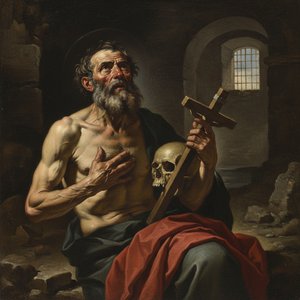
Jusepe de Ribera: Dramatic Realism & Spiritual Intensity in the Spanish Golden Age
Explore the powerful Baroque paintings of Jusepe de Ribera, master of tenebrism and dramatic realism. Discover his spiritual intensity, influence on Spanish art, and considerations for collectors. Expert insights at OriginalUniqueArt.

Echoes of Time: Exploring the Enduring Appeal & Historical Context of Vintage Art Prints
Explore the captivating world of vintage art prints! Discover their history, collecting tips & enduring appeal. Expert insights on chromolithography and building a legacy collection with OriginalUniqueArt.

The Visceral Stage: Exploring Dramatic Narratives & Emotional Intensity in Baroque Art
Explore the dramatic world of Baroque art! Discover iconic masters like Caravaggio & Rembrandt, their techniques, and the movement's lasting impact. Expert insights for collectors & enthusiasts at OriginalUniqueArt.

भारोपीय कला: शीर्ष 10 उत्कृष्ट कृतियाँ जो युग को परिभाषित करती हैं | OriginalUniqueArt
भारोपीय कला की भव्यता का अनुभव करें! शीर्ष 10 उत्कृष्ट कृतियाँ जानें जिन्होंने इस युग को परिभाषित किया। रुबेन्स, रेम्ब्रांट और कारवागियो जैसे कलाकारों के अद्भुत कार्यों की खोज करें। OriginalUniqueArt.com पर संग्रहालय-गुणवत्ता वाले कला प्रजनन और सजावट के विचार खोजें।