
 पूर्वावलोकन देखें
 साझा करें
 साझा करें
 विस्तृत विवरण

 डाउनलोड करें
 समान कलाकृतियाँ
 एक्स-रे
 स्लाइड शो देखें
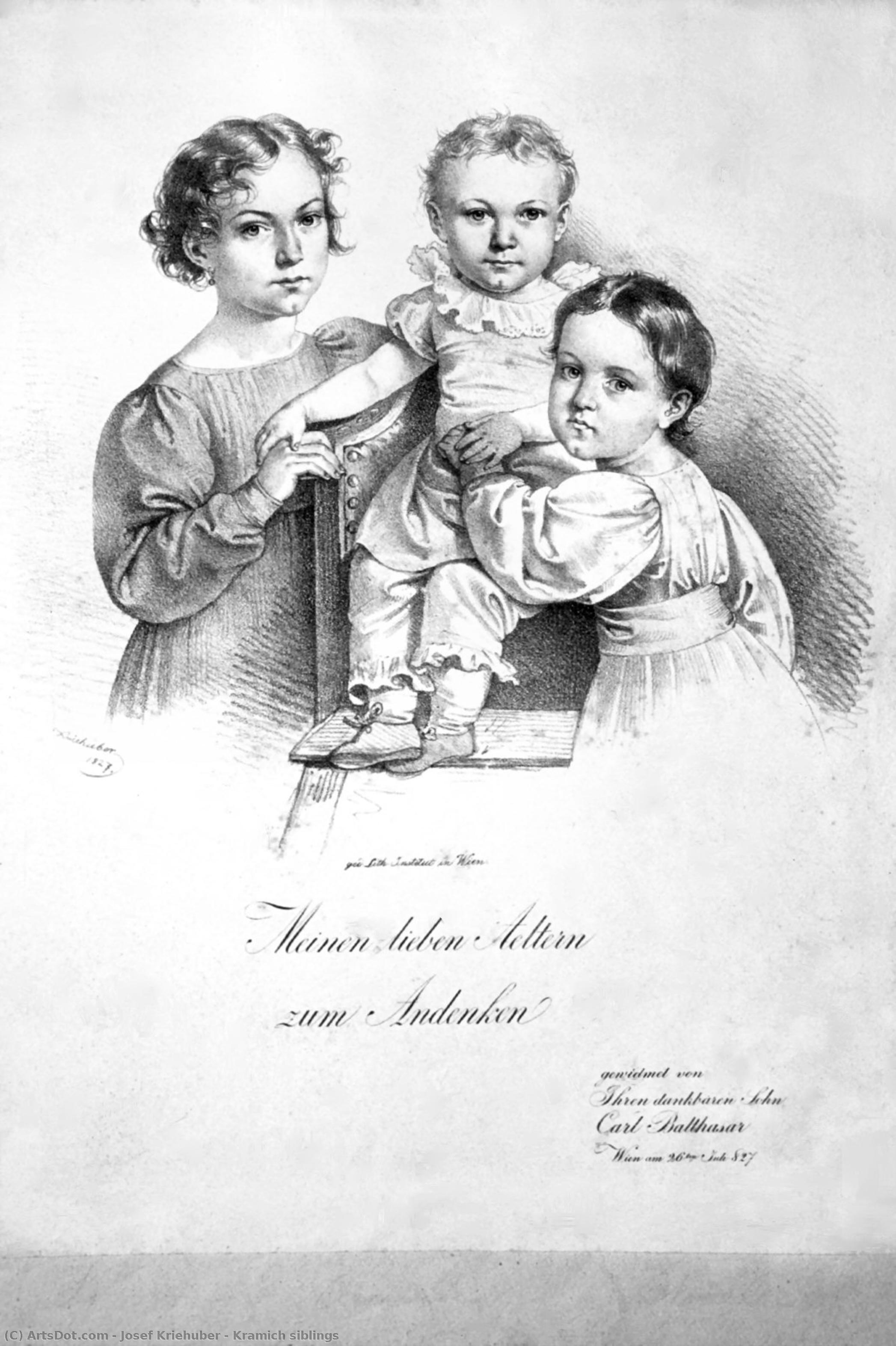
Kramich siblings


 पूरा देखें
गिक्ली / आर्ट प्रिंट
तेज़ उत्पादन और विभिन्न फिनिश विकल्पों के साथ म्यूजियम-क्वालिटी गिकली (giclée) या कैनवस प्रिंट। ( हाथ से बनी पेंटिंग खरीदें छवि खरीदें)




P118B $10

P118H $10

P118W $10

P438Z $10

P508JH $12

P508YH $12

P805H $10

P805Z $10

P919BZ $10

P919G $10

P919XJ $10

P959ZH $10

P968JZ $12

W106C $8

W218G $10

W218JH $8

W218Y $10

W307PJ $10

W316G $10

W316PJ $8

W316Y $10

W398PJ $8

W4111J $10

W500HY $15

W500JH $15

W692G $12

W849H $8

W940BG $15

W953PJ $8




कलाकृति के मूल अनुपात से मेल खाने वाले हमारे पूर्व निर्धारित आकारों में से चुनें।

आप किसी विशिष्ट फ्रेम या स्थान के अनुसार अपने स्वयं के आयाम (dimensions) दर्ज कर सकते हैं। यदि आपके द्वारा चुना गया आकार मूल छवि के अनुपात से मेल नहीं खाता है, तो हम कलाकृति को क्रॉप कर देंगे या मिरर किए गए या सॉलिड-फिल किनारे के साथ छवि का विस्तार करेंगे। उत्पादन शुरू होने से पहले आपकी स्वीकृति के लिए एक डिजिटल मॉकअप भेजा जाएगा।
कृपया ध्यान दें कि स्क्रीन पर दिखने वाला प्रीव्यू वास्तविक क्रॉपिंग या विस्तार को नहीं दर्शाता है। केवल मॉकअप ही अंतिम संरचना को सटीक रूप से दिखाएगा।
हालाँकि कस्टम आकार उपलब्ध हैं, फिर भी हम मूल अनुपात बनाए रखने के लिए पूर्व-निर्धारित सूची में से एक आयाम चुनने की सलाह देते हैं।
विश्वव्यापी डिलीवरी (), मानक 4/5 सप्ताह के बजाय मात्र 2 सप्ताह में। (19 अगस्त)

दुनिया भर में मुफ़्त एक्सप्रेस शिपिंग

उच्च गुणवत्ता वाला लिनेन कैनवास

पूर्ण शिपिंग बीमा

सीमा शुल्क और आयात कर वापसी की गारंटी

सटीक रंग मिलान की गारंटी

60-दिन की वापसी नीति (केवल दोषों के लिए)

100% पैसे वापसी की गारंटी

थोक छूट का लाभ
 ग्लास का विकल्प केवल 110 सेमी से कम आकार में ही उपलब्ध है।

Kramich siblings
गिक्ली / आर्ट प्रिंट
प्रतिकृति का आकार
-


कुल देय राशि
$ 80
संग्रहणीय वस्तु का विवरण
The Intimate Chronicle of Viennese Society: Josef Kriehuber’s “Kramich Siblings”
Josef Kriehuber's "Kramich Siblings," created in 1827, isn't merely a portrait; it’s a meticulously rendered window into the heart of early 19th-century Vienna. This monochrome lithograph captures a tender moment between three young children – siblings, likely from a prominent family – offering a rare glimpse into the domestic life and social fabric of a burgeoning urban society. Kriehuber, a pivotal figure in the development of Viennese art, eschewed grand historical narratives or mythological themes, instead dedicating his considerable talent to documenting the everyday realities of his time. His work stands as an unparalleled chronicle of the Biedermeier era, characterized by its emphasis on realism, quiet dignity, and a profound appreciation for the nuances of human connection.
The image itself is dominated by a triangular composition, drawing the eye towards the central focus: a baby nestled securely in the arms of an older boy. The girl, positioned slightly to the left, gazes directly at the viewer with a subtle melancholy—a poignant expression that hints at both innocence and awareness. A small boot rests prominently before them, a detail that anchors the scene in reality and speaks volumes about childhood and family life. Kriehuber’s masterful use of hatching and cross-hatching creates an astonishingly detailed surface texture; one can almost feel the softness of the fabric, the warmth of the children's skin, and the solidity of the boot. The technique lends a remarkable sense of depth and volume to what could have easily been a flat, static image.
The Art of Lithography: A Revolution in Portraiture
Kriehuber’s choice of lithography as his primary medium was revolutionary for its time. Unlike the laborious process of engraving, which required painstakingly etching intricate lines into metal plates, lithography allowed for a significantly faster and more affordable reproduction of images. This democratization of portraiture made it accessible to a wider audience than ever before—a crucial factor in Kriehuber’s prolific career. The technique also demanded a unique artistic sensibility from the artist; he needed to translate his vision onto stone with remarkable precision, carefully controlling the distribution of ink to create tonal variations and subtle gradations of light and shadow.
The choice of monochrome is particularly significant. It strips away any potential distractions, focusing entirely on the emotional impact of the scene. The absence of color forces the viewer to engage with the subjects’ expressions, their gestures, and the overall atmosphere of intimacy. This restraint amplifies the sense of quiet dignity and sentimental value that permeates the image—a hallmark of Biedermeier portraiture.
Symbolism and Social Context
Beyond its immediate visual appeal, “Kramich Siblings” offers a rich tapestry of symbolic meaning rooted in the social context of 19th-century Vienna. The family depicted likely belonged to the upper echelons of Viennese society—a fact subtly conveyed through their clothing and demeanor. The scene itself speaks to the importance of lineage, familial bonds, and the transmission of values from one generation to the next. The baby, cradled in the arms of his older brother, represents the future, while the girl’s melancholic gaze suggests a contemplation of her own place within this family narrative.
Furthermore, Kriehuber's work reflects the broader cultural trends of the Biedermeier period—a time of relative peace and prosperity in Austria following the Napoleonic Wars. The emphasis on domesticity, familial affection, and quiet contemplation mirrored a desire to escape the turmoil of the outside world and find solace within the walls of one’s home.
A Legacy of Detail: Reproductions and Appreciation
Reproductions of “Kramich Siblings” offer art enthusiasts and interior designers alike an opportunity to experience the remarkable artistry of Josef Kriehuber. The meticulous detail, evocative composition, and profound emotional resonance of this lithograph continue to captivate viewers today. When selecting a reproduction, consider the quality of the print—a high-resolution image will faithfully capture the nuances of Kriehuber’s technique and ensure that the full beauty of this intimate chronicle of Viennese society is preserved.
- Artist: Josef Kriehuber
- Date: 1827
- Medium: Lithograph
- Style: Biedermeier
- Subject: Family Portrait
Additional Research Resources:
- Kramich siblings (OriginalUniqueArt)
- Josef Kriehuber (OriginalUniqueArt)
- Josef Kriehuber: A Life Immersed in Viennese Topography – From Lithographic Precision to Romantic Observation
- Josef Kriehuber - 170 obras de arte - litografía - WikiArt.org
- Josef Kriehuber (Wikipedia)
कलाकार का जीवन परिचय
विनीज़ समाज के एक कालनिबंधकार: जोसेफ क्रिएहुबर का जीवन और कला
जोसेफ क्रिएहुबर, जिनका जन्म 14 दिसंबर, 1800 को वियना में हुआ था, ऑस्ट्रियाई कला इतिहास में एक अद्वितीय स्थान रखते हैं। वे महान ऐतिहासिक कथाओं या पौराणिक रूपकों की तलाश नहीं कर रहे थे; इसके बजाय, उनकी कलात्मक दृष्टि रोजमर्रा की जिंदगी के अंतरंग विवरणों पर केंद्रित थी, जिसने उन्हें उन्नीसवीं सदी के विनीज़ समाज के अद्वितीय कालनिबंधकार बना दिया, जो कि लिथोग्राफी के उभरते माध्यम से था। क्रिएहुबर की यात्रा ह्यूबर्ट Maurer के अधीन वियना अकादमी में औपचारिक प्रशिक्षण के साथ शुरू हुई, लेकिन लिथोग्राफी को अपनाने से ही उनके करियर और विरासत को वास्तव में परिभाषित किया गया। इस नवीन तकनीक ने छवियों के अपेक्षाकृत तेज़ और किफायती प्रजनन की अनुमति दी, जिससे पोर्ट्रेट लोकतांत्रित हो गए और यह पहले से कहीं अधिक व्यापक दर्शकों के लिए सुलभ हो गए - एक ऐसे दर्शक जिसकी क्रिएहुबर ने अटूट समर्पण के साथ सेवा की। वे केवल समानताएँ पुन: पेश नहीं कर रहे थे; वे स्थिति, व्यक्तित्व और युग की भावना का दृश्य रिकॉर्ड बना रहे थे।बीडरमायर पोर्ट्रेटिस्ट: एक युग में खिड़की
क्रिएहुबर का कलात्मक विकास बीडरमायर काल (लगभग 1815-1848) के संदर्भ में फला-फूला। यह युग, नेपोलियन उथल-पुथल के बाद पैदा हुआ था, जिसने घरेलूता, सादगी और रोजमर्रा की जिंदगी पर ध्यान केंद्रित किया। ये मूल्य क्रिएहुबर की संवेदनशीलता के साथ गहराई से प्रतिध्वनित हुए। जबकि उन्होंने शुरू में लैंडस्केप लिथोग्राफी का पता लगाया, पोर्ट्रेट में उनकी प्रतिभा वास्तव में चमक उठी। वे असाधारण रूप से विपुल हो गए, अपने करियर के दौरान 3000 से अधिक लिथोग्राफ बनाए - एक आश्चर्यजनक संख्या जो उनकी कुशलता और उनके काम की भारी मांग दोनों को दर्शाती है। उनके ग्राहकों ने विनीज़ समाज के स्पेक्ट्रम को फैलाया: अभिजात वर्ग, सरकारी अधिकारी, प्रमुख व्यक्तित्व और वे लोग जो बस खुद या अपने प्रियजनों की स्थायी छवि चाहते थे। क्रिएहुबर के पोर्ट्रेट आदर्श काल्पनिक नहीं थे; वे उल्लेखनीय रूप से सटीक प्रतिनिधित्व थे, जिनमें चरित्र और सामाजिक स्थिति की भावना निहित थी। उनके पास अपनी विषयों की भौतिक समानता को पकड़ने की एक अद्भुत क्षमता थी, लेकिन उनकी आंतरिक जीवन को भी पकड़ने की क्षमता थी, जिससे प्रत्येक पोर्ट्रेट एक अद्वितीय मनोवैज्ञानिक अध्ययन बन गया। विवरण पर उनका सावधानीपूर्वक ध्यान, मानव अभिव्यक्ति की सूक्ष्म समझ के साथ मिलकर, उन्हें ऐसे पोर्ट्रेट बनाने की अनुमति देता था जो अंतरंग और प्रकट दोनों लगते थे।समानता से परे: वियना के सांस्कृतिक परिदृश्य का दस्तावेजीकरण
पोर्ट्रेट के लिए प्रसिद्ध होने के अलावा, क्रिएहुबर की कलात्मक दृष्टि व्यक्तिगत प्रतिनिधित्व से आगे बढ़ गई। उन्होंने शहरी परिदृश्य को दस्तावेज करने के महत्व को पहचाना, विशेष रूप से वियना के प्राटर पार्क के जीवंत वातावरण को। प्राटर के दृश्यों को दर्शाने वाले उनके लिथोग्राफ उन्नीसवीं सदी के विनीज़ जीवन और संस्कृति में अमूल्य अंतर्दृष्टि प्रदान करते हैं। ये केवल सुरम्य दृश्य नहीं थे; वे अवकाश पर समाज की स्नैपशॉट थे, जो उस समय फैशन, सामाजिक बातचीत और मनोरंजक आदतों के बारे में विवरण प्रकट करते थे। इन अध्ययनों के माध्यम से, क्रिएहुबर ने खुद को एक दृश्य इतिहासकार में बदल लिया, तेजी से बदलती हुई शहर की दृश्यों और ध्वनियों को भविष्य के लिए संरक्षित किया। उन्होंने प्राटर की ऊर्जा और उत्साह को कैद किया, इसके विविध आकर्षणों और इसका आनंद लेने के लिए उमड़े लोगों को दिखाया। वियना के सार को पकड़ने की इस समर्पण ने उन्हें ऑस्ट्रियाई समाज के एक महत्वपूर्ण पर्यवेक्षक के रूप में अपनी जगह मजबूत की।विरासत और मान्यता: एक स्थायी छाप
क्रिएहुबर का प्रभाव उनके विपुल उत्पादन से परे फैला। उन्होंने प्रतिष्ठित थेरेसियनम अकादमी, वियना में एक शिक्षक के रूप में कार्य किया, भविष्य की पीढ़ियों के कलाकारों को पोषण दिया और अपनी तकनीकी विशेषज्ञता को पारित किया। 1860 में, उन्हें फ्रांज जोसेफ ऑर्डर के साथ महत्वपूर्ण मान्यता मिली, जिसने ऑस्ट्रियाई कला में उनके योगदान को स्वीकार किया। हालांकि, उनके जीवन के अंत के पास फोटोग्राफी का उदय उनके पेशे के लिए एक चुनौती पेश करता था। जैसे-जैसे फोटोग्राफिक पोर्ट्रेट अधिक सुलभ और किफायती होते गए, लिथोग्राफिक पोर्ट्रेट की मांग कम हो गई, जिससे बाद के वर्षों में वित्तीय कठिनाई हुई। इसके बावजूद, क्रिएहुबर 30 मई, 1876 को अपनी मृत्यु तक काम करते रहे, एक असाधारण कार्य छोड़ गए जो आज भी हमें मोहित करता है और सूचित करता है। उनकी विरासत केवल उनके द्वारा बनाए गए पोर्ट्रेट की भारी संख्या में नहीं है, बल्कि उन्नीसवीं सदी के मध्य यूरोपीय समाज के दृश्य रिकॉर्ड के रूप में उनके ऐतिहासिक महत्व में भी निहित है। उनके कार्यों का संग्रह अल्बर्टिना संग्रहालय और ऑस्ट्रियाई राष्ट्रीय पुस्तकालय में रखा गया है, यह सुनिश्चित करते हुए कि उनकी कला आने वाली पीढ़ियों द्वारा सराही जाएगी। उनका काम अवलोकन की शक्ति और मानव भावना को पकड़ने की स्थायी अपील का प्रमाण बना हुआ है।प्रभाव और कलात्मक शैली
क्रिएहुबर पर विशिष्ट कलात्मक प्रभावों को इंगित करना चुनौतीपूर्ण साबित होता है; वे स्पष्ट रूप से किसी विशेष मास्टर की नकल नहीं कर रहे थे या एक सख्त शैलीगत स्कूल का पालन कर रहे थे। हालांकि, यथार्थवाद के प्रति उनका समर्पण उस समय के व्यापक कलात्मक रुझानों के साथ संरेखित होता है, जो कला में सटीक प्रतिनिधित्व की बढ़ती इच्छा को दर्शाता है। वह अन्य पोर्ट्रेट कलाकारों के समकालीन थे, लेकिन अपने आउटपुट की भारी मात्रा और निरंतरता के माध्यम से खुद को अलग किया, साथ ही लिथोग्राफी में उनकी महारत भी थी। उनकी शैली को सावधानीपूर्वक विवरण, सटीक मसौदा कौशल और भौतिक समानता और मनोवैज्ञानिक गहराई दोनों को व्यक्त करने की क्षमता द्वारा चिह्नित किया जाता है। वे भव्य इशारों या नाटकीय रचनाओं में रुचि नहीं रखते थे; इसके बजाय, उन्होंने अभिव्यक्ति और व्यक्तित्व के सूक्ष्म बारीकियों को पकड़ने पर ध्यान केंद्रित किया। इस कम बयानी दृष्टिकोण, उनकी तकनीकी कौशल के साथ संयुक्त, उनके पोर्ट्रेट उन लोगों द्वारा अत्यधिक मांग की जाती थी जो अपनी एक चापलूसी लेकिन सच्ची प्रतिनिधित्व चाहते थे।- तकनीकी महारत: लिथोग्राफी में क्रिएहुबर की विशेषज्ञता ने उन्हें उल्लेखनीय विवरण और टोनल रेंज प्राप्त करने की अनुमति दी।
- यथार्थवाद और सटीकता: उनके पोर्ट्रेट अपने विषयों के वफादार प्रतिनिधित्व के लिए जाने जाते हैं।
- मनोवैज्ञानिक अंतर्दृष्टि: उन्होंने न केवल भौतिक समानता को पकड़ा, बल्कि उन लोगों के आंतरिक चरित्र को भी पकड़ा जिन्हें उन्होंने चित्रित किया था।

जोसेफ क्रिएहुबर
1800 - 1876 , ऑस्ट्रिया
मुख्य तथ्य
- इस कलाकार से प्रभावित कलाकार: ['फ्रेडरिक क्रिएहुबर']
- कला आंदोलन/शैली: बीडरमायर, यथार्थवाद
- जन्म तिथि: 14 दिसंबर 1800
- जन्म स्थान: वियना, ऑस्ट्रिया
- पूरा नाम: जोसेफ क्रिएहुबर
- प्रमुख कलाकृतियाँ:
- स्वयं-चित्रण
- प्राटर दृश्य
- राजकुमारी एलिस और फैनी
- मृत्यु तिथि: 30 मई 1876
- राष्ट्रीयता: ऑस्ट्रियन
संबंधित लेख

Josef Kriehuber: A Life Immersed in Viennese Topography – From Lithographic Precision to Romantic Observation
Explore the life and work of Josef Kriehuber, a master lithographer who captured 19th-century Vienna. Discover his portraits of nobility, landscapes, & artistic techniques. A guide for collectors & art enthusiasts.
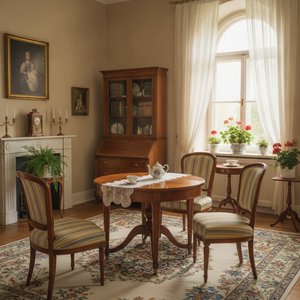
Biedermeier Style: The Art of Comfort, Elegance, and Home Harmony in 19th-Century Europe
Discover the soulful elegance of Biedermeier style. Explore how 19th-century Europe turned to domestic comfort and refined simplicity through art and design. A deep dive into the era of bourgeois sophistication for the true classic art enthusiast.
Biedermeier Style: The Elegant Art of Comfort, Simplicity, and Bourgeois Sophistication
Discover the refined elegance of Biedermeier style. Explore how this 19th-century movement blended simplicity with comfort, shaping the art and design of the middle class through Romanticism and functional beauty. An expert guide for classic art enthusiasts.
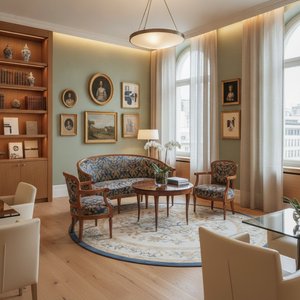
Biedermeier Style Guide: Integrating Elegant, Functional 19th-Century Art into Modern Hotel & Hospitality Interiors
Master the Biedermeier style for hospitality design. Our professional guide explores integrating 19th-century elegance and functional simplicity into modern hotel interiors through expert art procurement and large-scale custom reproductions.

Biedermeier: Art, Society & Intimacy in Restoration Europe
Explore the world of Biedermeier art & culture! Discover the history, aesthetic principles, and lasting influence of this fascinating European movement. Expert insights & beautiful reproductions at OriginalUniqueArt.

